RisingStar
- Home
- About Us
- Products
- News
- Video
- Contact
- Send Inquiry
Search
- Home
- About Us
- Products
- News
- Video
- Contact
- Send Inquiry
RisingStar
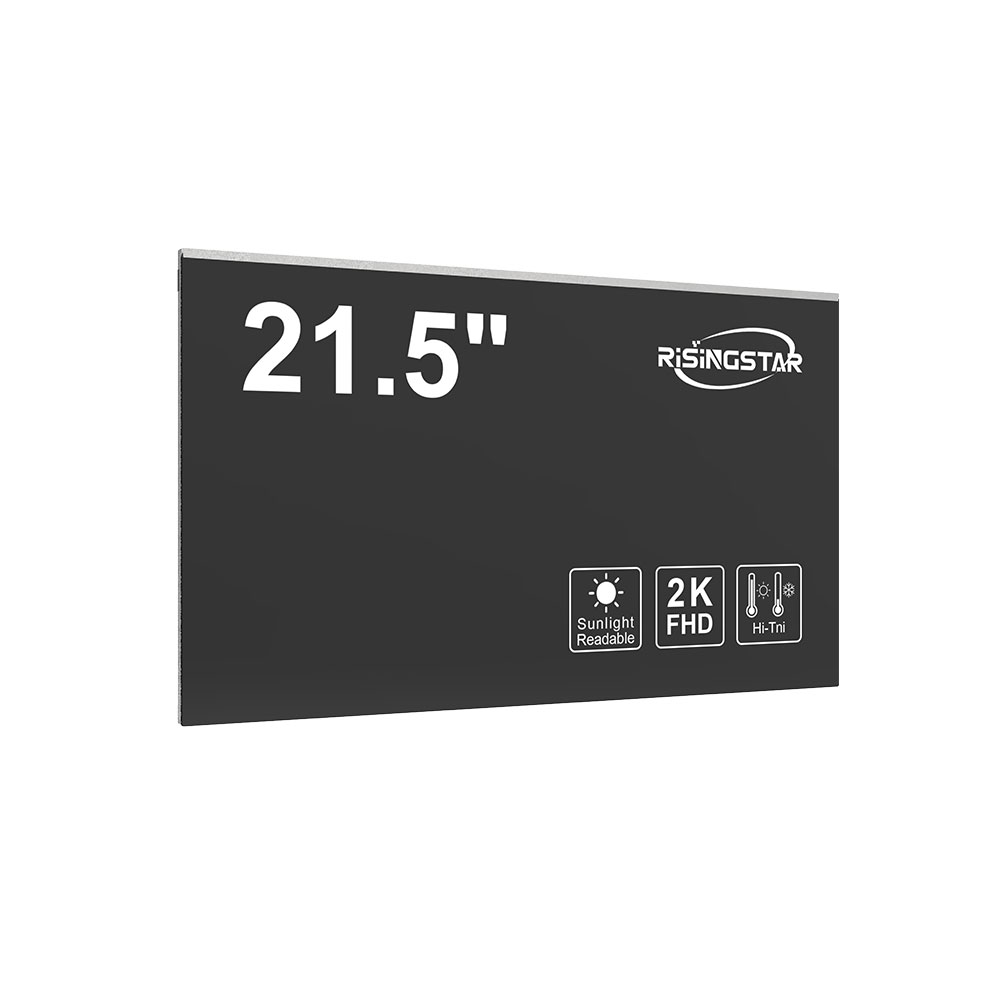
In today’s increasingly connected and mobile-driven world, high-brightness sunlight-readable LCD screens have become indispensable in outdoor environments where visibility under direct sunlight is critical. From military field operations to public transportation displays and industrial control panels, these screens are engineered to maintain clarity and functionality even under extreme lighting conditions—often exceeding 10,000 lux of ambient light. Unlike standard LCDs that suffer from washout or glare in bright environments, sunlight-readable displays employ advanced optical and electronic technologies to ensure consistent image quality.
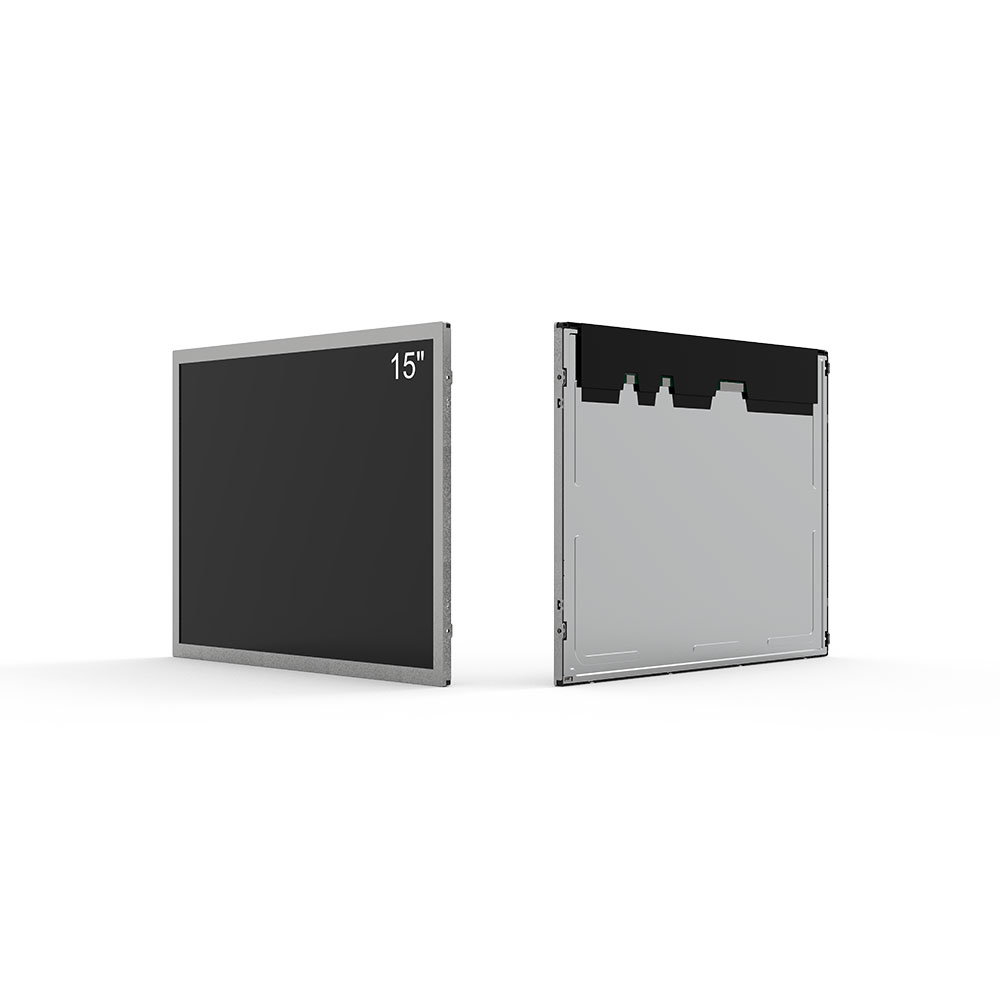
The core of a sunlight-readable LCD lies in its brightness output and anti-reflection design. Industry standards such as MIL-STD-810G and EN 60950-1 define the performance benchmarks for durability and visual readability. High-brightness screens typically achieve luminance levels between 3,000 and 10,000 cd/m² (candela per square meter), far surpassing consumer-grade displays that usually peak at around 500 cd/m². This is achieved through high-efficiency LED backlighting, optimized polarizers, and laminated glass with anti-glare coatings. For instance, manufacturers like LG Display and AU Optronics utilize edge-lit LED arrays combined with diffuser films to uniformly distribute light across the screen surface while minimizing power consumption.
Another critical factor is the use of transflective liquid crystal technology—a hybrid approach that combines transmissive (for indoor use) and reflective (for sunlight) modes. In daylight, ambient light is reflected off the internal mirror layer behind the pixels, reducing reliance on the backlight and conserving energy. When ambient light drops, such as during nighttime or indoors, the screen switches seamlessly to full backlight mode, ensuring consistent visibility regardless of environmental lighting. This dual-mode functionality is particularly valuable in solar-powered devices, where energy efficiency directly impacts operational uptime.
Case studies demonstrate real-world effectiveness. For example, the U.S. Army’s Enhanced Night Vision Goggle (ENVG) system uses a 3,000 cd/m² sunlight-readable display for situational awareness in both daylight and low-light conditions. Similarly, Tokyo Metro’s new train information displays operate reliably in direct sunlight, thanks to 7,000 cd/m² brightness and a sealed IP65-rated enclosure that protects against dust and water ingress. These applications underscore how robust engineering translates into mission-critical reliability.
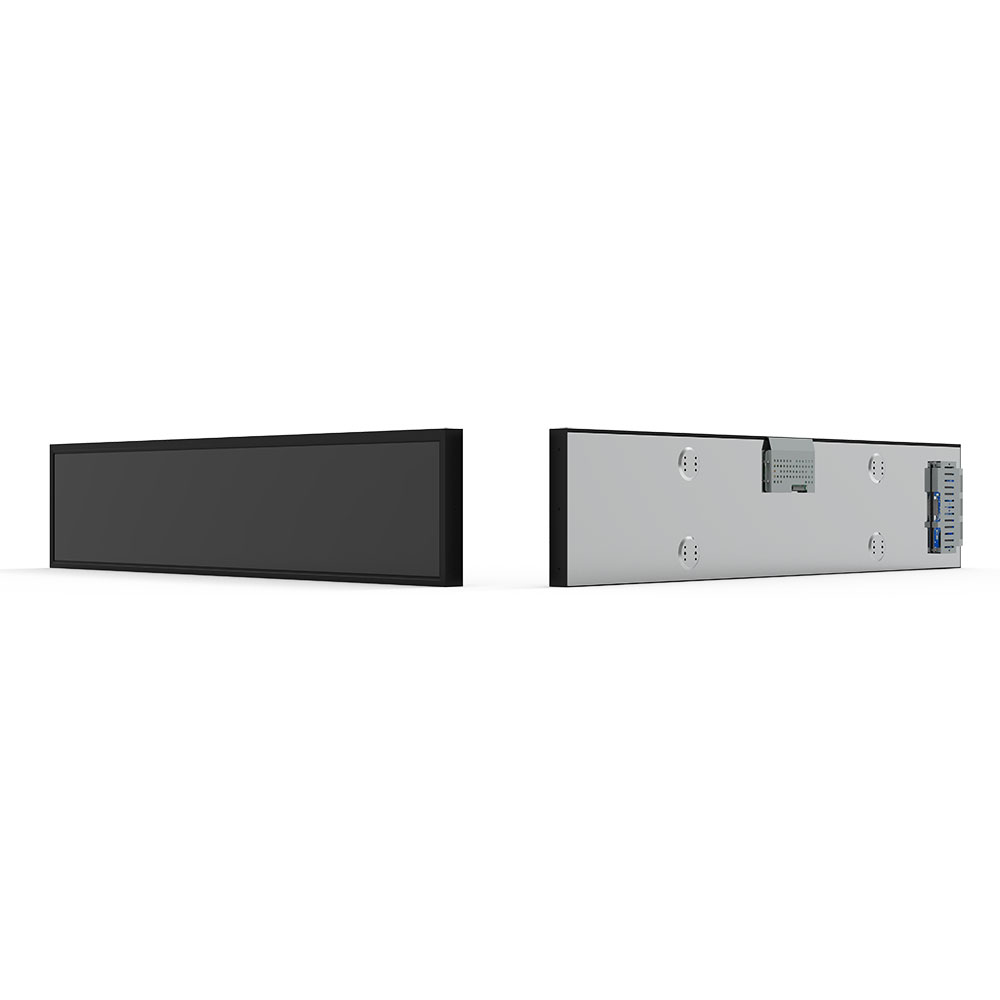
Furthermore, advancements in touch technology—such as projected capacitive touch (PCT) integrated with glove-compatible sensors—allow users to interact with these screens even in harsh weather conditions. Some models now support multi-touch gestures and can be customized for specific operating temperatures ranging from -30°C to +70°C, making them suitable for Arctic research stations or desert-based surveillance systems.
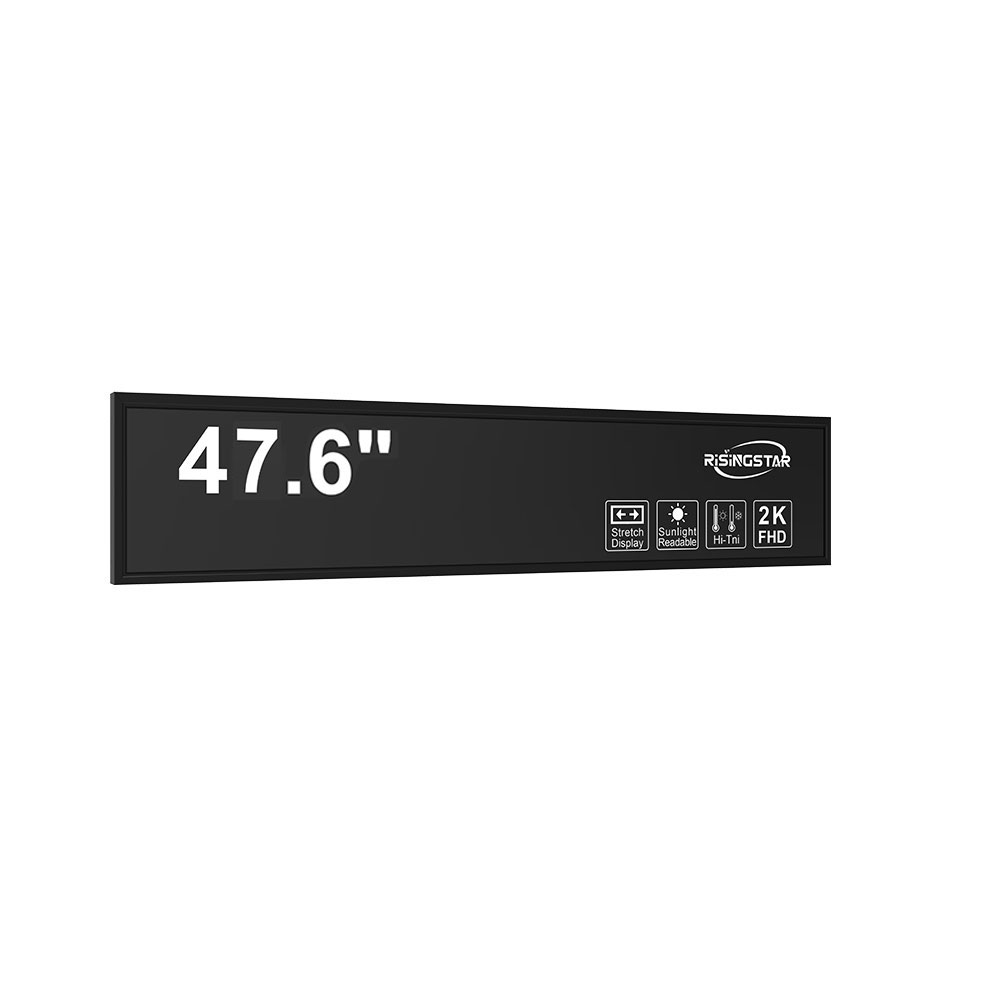
In conclusion, high-brightness sunlight-readable LCD screens are not just an upgrade—they are a necessity for modern outdoor electronics. With continuous improvements in materials science, backlighting efficiency, and environmental resilience, these displays will remain essential in defense, transportation, industrial automation, and smart city infrastructure. As global demand for reliable outdoor interfaces grows, so too does the importance of mastering this specialized display technology.