RisingStar
- Home
- About Us
- Products
- News
- Video
- Contact
- Send Inquiry
Search
- Home
- About Us
- Products
- News
- Video
- Contact
- Send Inquiry
RisingStar
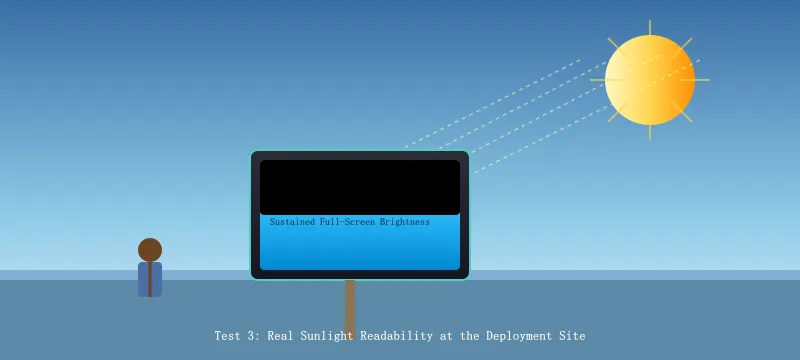
High-brightness sunlight-readable LCD screens are essential components in modern outdoor and industrial applications where visibility under direct sunlight is critical. These displays, typically rated at 5,000 to 10,000 nits of brightness, outperform standard LCDs that often fail to maintain legibility beyond 1,000 nits. The engineering behind these screens involves advanced backlighting technologies such as high-efficiency LED arrays, optimized polarizer layers, and anti-reflective coatings—each designed to maximize contrast and reduce glare in extreme lighting conditions.
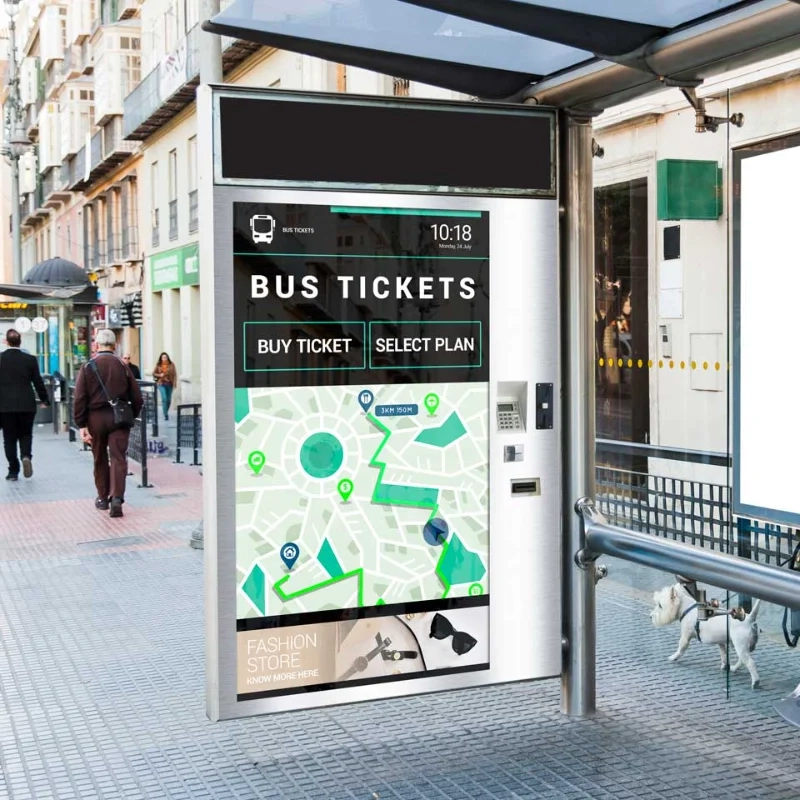
A key innovation is the use of active matrix liquid crystal displays (AMLCDs) with wide viewing angles and fast response times, ensuring clarity even when viewed from oblique angles—a common scenario in military vehicles or construction machinery. According to a 2023 report by Market Research Future, the global high-brightness LCD market is projected to grow at a CAGR of 7.2% through 2030, driven primarily by demand in defense, transportation, and outdoor kiosks. Case studies from companies like Sharp, LG Display, and E Ink demonstrate successful deployment in solar-powered IoT devices, agricultural drones, and public transit signage exposed to continuous sunlight.
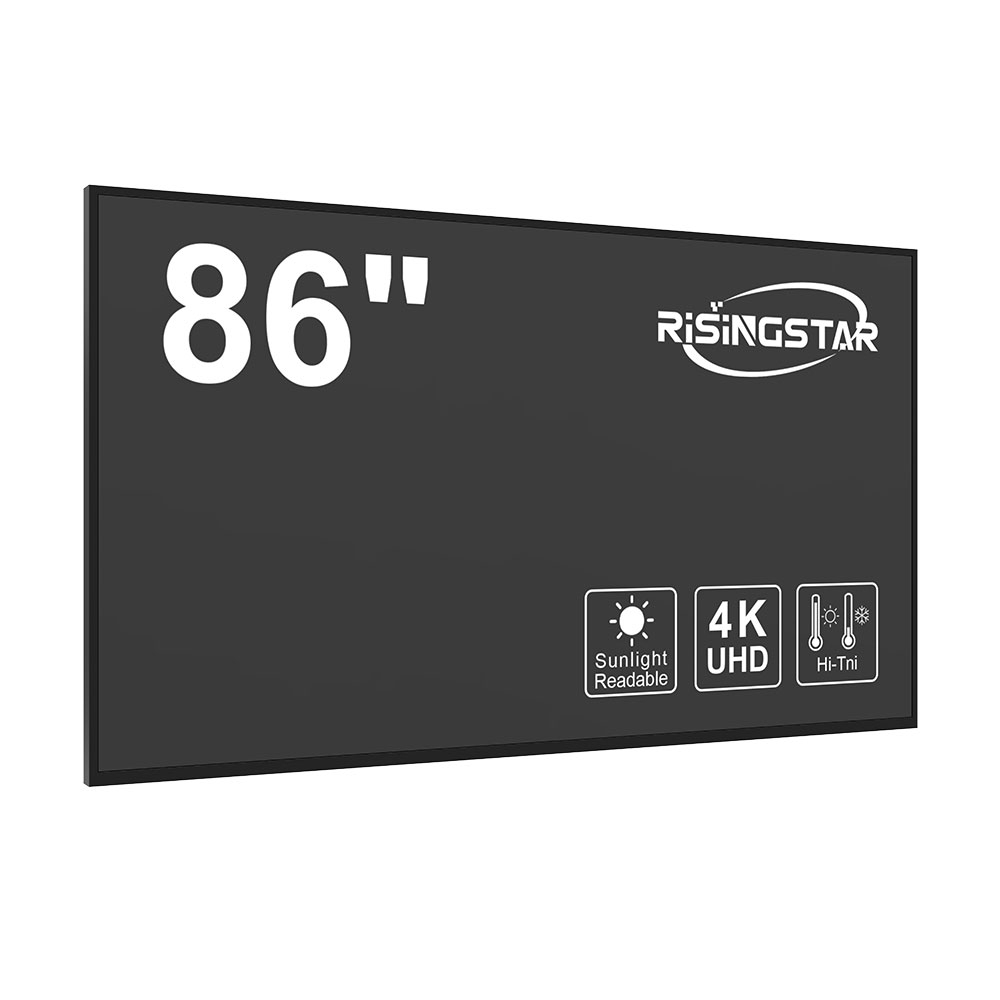
Manufacturers also incorporate features like automatic brightness adjustment (ABA), which dynamically modulates luminance based on ambient light sensors, reducing power consumption while maintaining readability. This is particularly crucial in battery-operated systems such as handheld military radios or remote environmental monitoring units. Additionally, ruggedized versions meet MIL-STD-810G standards for shock, vibration, and temperature extremes, making them suitable for deployment in desert climates or arctic environments.
From a technical standpoint, the design must balance brightness, power efficiency, and thermal management. For instance, excessive heat generation from high-lumen LEDs can degrade display performance over time unless managed via integrated heat sinks or passive cooling systems. Industry leaders like Samsung Display have introduced new OLED-based high-brightness solutions offering superior contrast ratios and lower power draw compared to traditional LCDs, signaling a shift toward next-generation technologies.
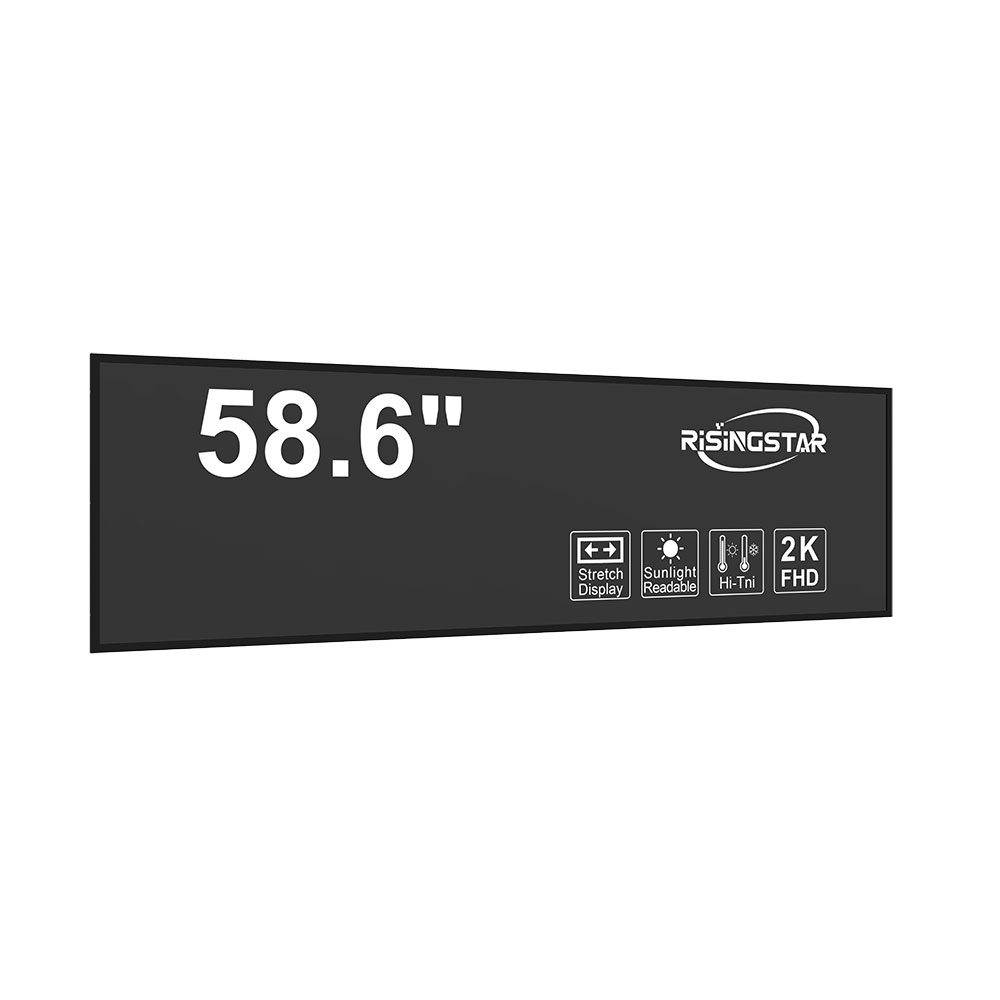
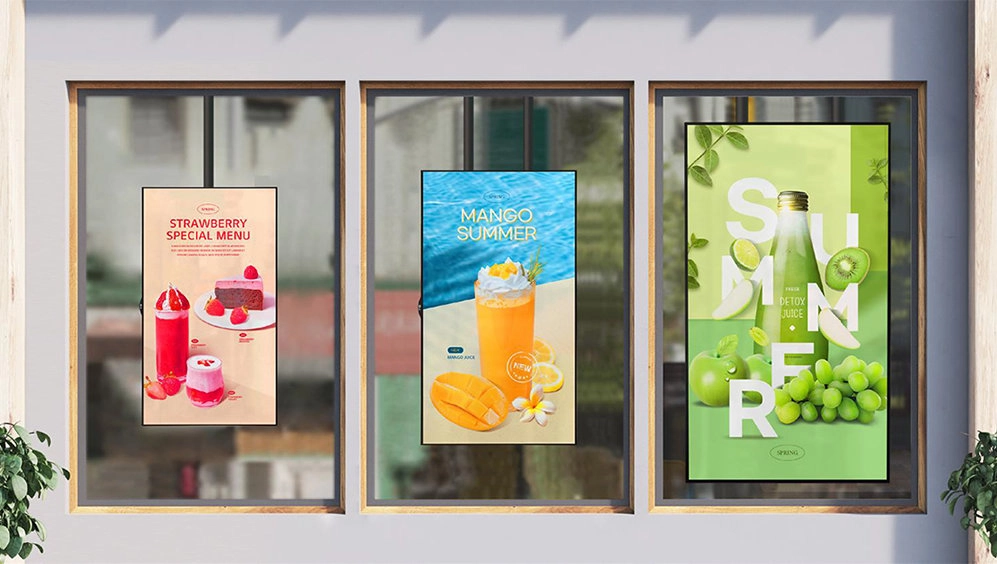
These displays are not only about brightness—they also integrate touch functionality, multi-touch support, and IP65/IP67 ratings for dust and water resistance, enabling seamless interaction in harsh outdoor settings. As industries increasingly adopt smart infrastructure and real-time data visualization, high-brightness sunlight-readable LCDs remain indispensable for ensuring operational safety, user engagement, and system reliability in unpredictable environments.