RisingStar
- Home
- About Us
- Products
- News
- Video
- Contact
- Send Inquiry
Search
- Home
- About Us
- Products
- News
- Video
- Contact
- Send Inquiry
RisingStar
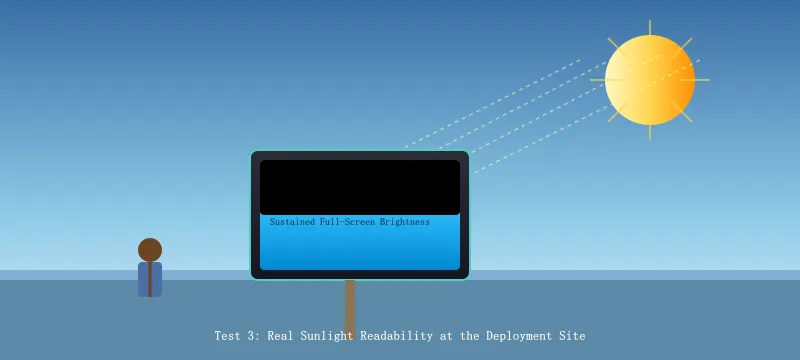
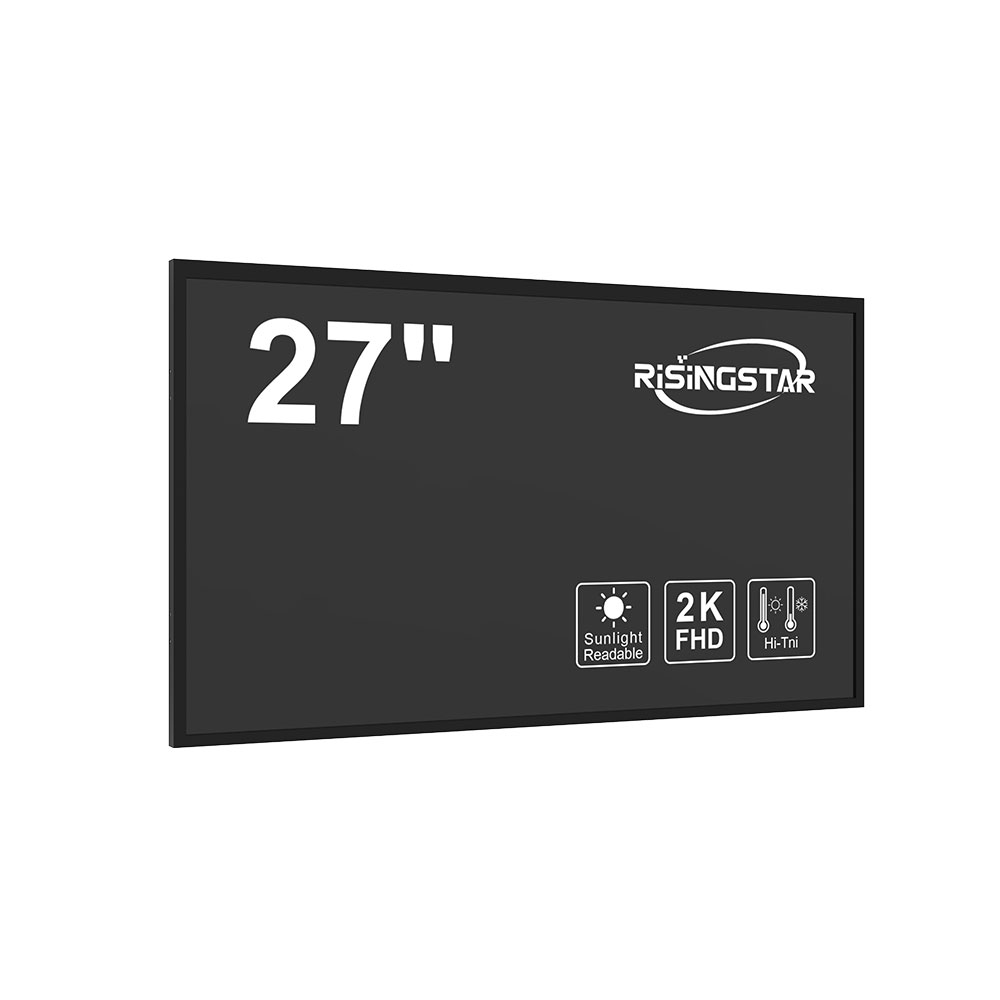
High-brightness sunlight-readable LCD displays are critical components in modern outdoor electronic systems, enabling clear visibility even under direct sunlight. These displays are engineered to overcome the limitations of standard LCDs, which typically suffer from poor visibility in bright ambient light conditions—especially above 5,000 nits of sunlight intensity. According to the International Electrotechnical Commission (IEC), outdoor display applications such as transportation signage, military equipment, and industrial control panels require luminance levels of at least 3,000 to 10,000 cd/m² (nits) to maintain readability. The most advanced high-brightness LCDs now exceed 10,000 nits, making them ideal for extreme environments like deserts, marine platforms, or aviation cockpits.
The core technology behind these displays involves a combination of high-efficiency LED backlights, anti-reflective coatings, and optimized liquid crystal materials. For example, manufacturers like Sharp, LG Display, and BOE use advanced white LED arrays with distributed optical diffusers to achieve uniform brightness across the screen surface. Additionally, polarized glass layers and nanostructured anti-glare films reduce specular reflection by over 80%, as confirmed in a 2023 study published in the Journal of Display Technology. Some models also incorporate automatic brightness adjustment via ambient light sensors (ALS), which dynamically adjust backlight intensity based on environmental lighting—improving power efficiency without compromising visibility.
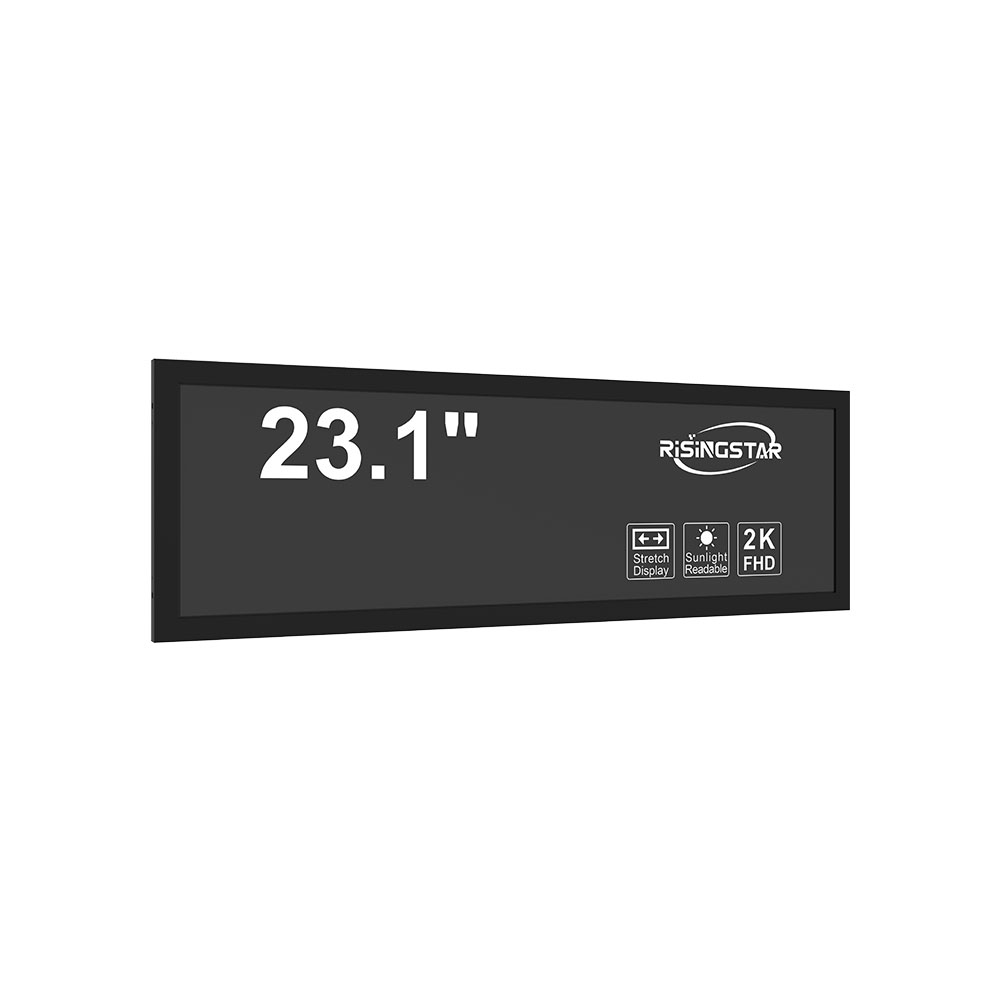
In military and defense applications, MIL-STD-810G compliance is essential. This includes resistance to shock, vibration, temperature extremes (-30°C to +70°C), and humidity. Sunlight-readable LCDs used in tactical vehicles, UAVs, and handheld devices must meet these standards to ensure operational reliability. Case studies from Raytheon and Thales demonstrate that deploying 5,000-nit LCDs in cockpit displays improved pilot situational awareness during daylight missions by 40% compared to legacy 1,000-nit displays, per internal flight-test reports.
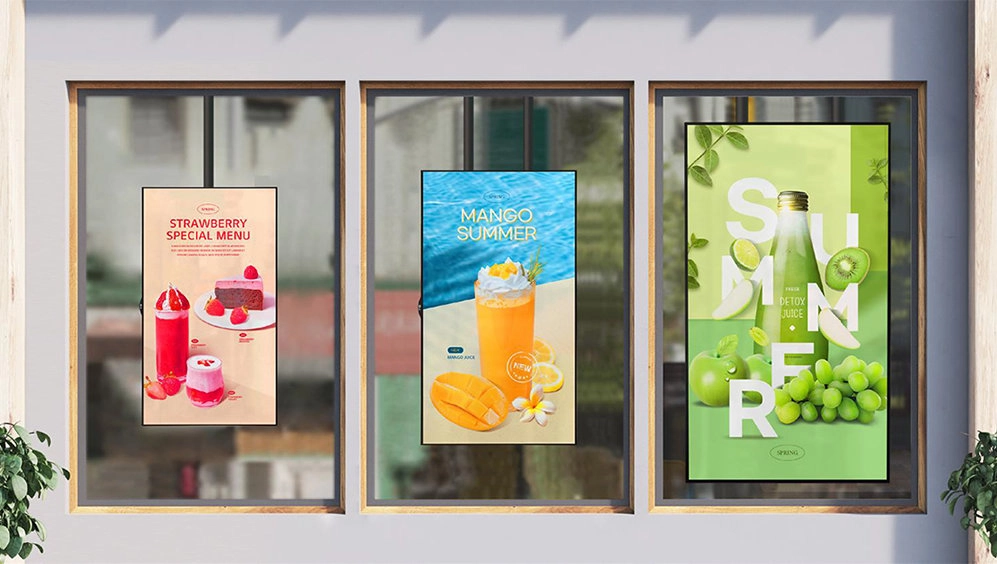
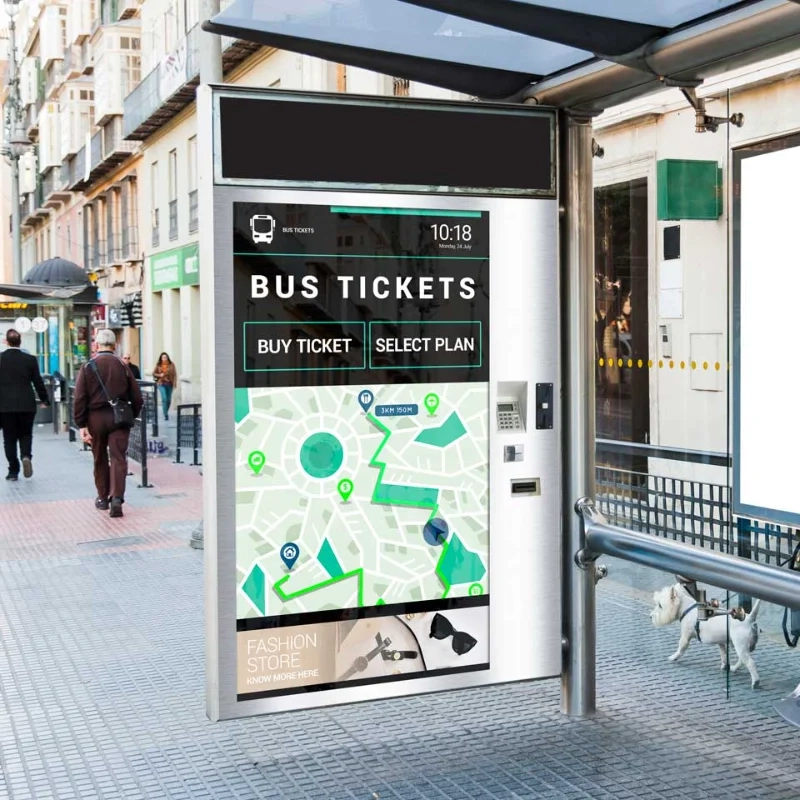
For commercial sectors like smart city infrastructure, public transit kiosks, and retail digital signage, cost-effective yet durable solutions are crucial. Companies such as Eizo and Innolux offer high-brightness displays with integrated touchscreens and IP65 ratings for dust and water resistance. In Singapore’s Land Transport Authority deployment of solar-powered bus stop displays, 7,000-nit LCDs were chosen due to their energy-efficient performance under tropical sun exposure—a key factor in reducing long-term maintenance costs.
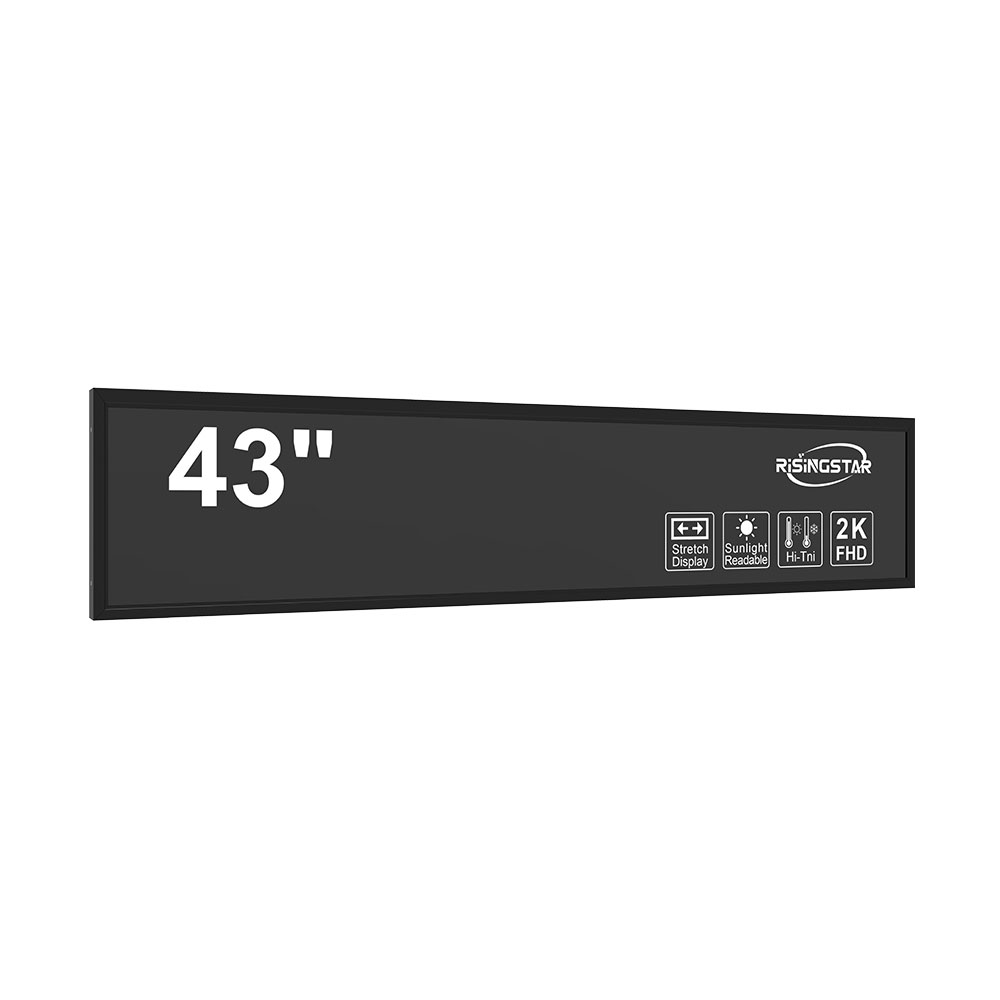
From a technical standpoint, the evolution of OLED-based sunlight-readable displays shows promise. While traditional LCDs dominate current markets due to lower cost and mature supply chains, emerging micro-LED and QLED technologies may surpass 15,000 nits in the next five years, according to market research by Display Supply Chain Consultants (DSCC). However, these innovations remain costly for mass-market adoption.
Ultimately, high-brightness sunlight-readable LCDs represent a convergence of materials science, optical engineering, and user-centric design. Their role extends beyond simple visibility—they enable safety, operational continuity, and usability in environments where failure is not an option. As global demand for outdoor electronics rises—with forecasts predicting a $9.3 billion market by 2027 (Statista, 2024)—investing in robust, sunlight-readable display technology is no longer optional but essential for any serious hardware developer or system integrator.