RisingStar
- Home
- About Us
- Products
- News
- Video
- Contact
- Send Inquiry
Search
- Home
- About Us
- Products
- News
- Video
- Contact
- Send Inquiry
RisingStar
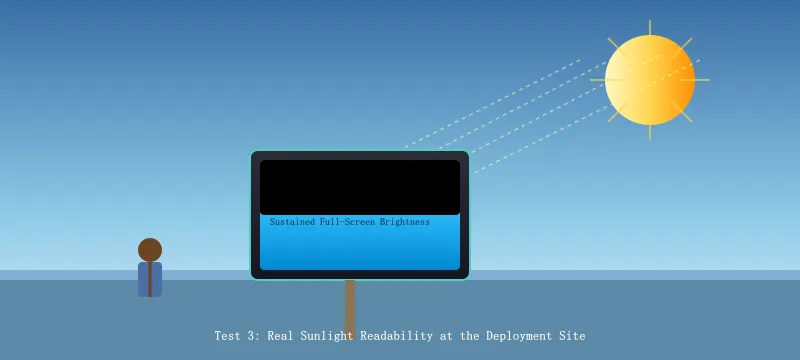
High-brightness sunlight-readable LCD screens are critical components in modern outdoor electronic systems, especially in military, industrial, transportation, and public information environments where visibility under direct sunlight is non-negotiable. These displays must maintain clarity, contrast, and color accuracy even at ambient light levels exceeding 100,000 lux—a condition that would render standard LCDs unusable due to washed-out images or reduced contrast ratios.
The core technology behind sunlight-readable LCDs lies in achieving high peak brightness (typically 5,000 to 10,000 nits) through a combination of advanced backlighting solutions, anti-glare coatings, and optimized panel architectures. For instance, LED-backlit LCDs with local dimming zones and high-efficiency phosphor materials can produce up to 8,000 nits—enough to overpower direct sunlight while minimizing power consumption. Unlike conventional displays that rely on uniform backlighting, these specialized screens use dynamic luminance adjustment algorithms that enhance contrast by selectively brightening text and icons while darkening background areas, thus improving readability without increasing overall power draw.
Industry standards such as MIL-STD-810G for ruggedness and ISO 9241-3 for human factors in display design guide manufacturers in ensuring durability and usability. Case studies from defense applications—such as the U.S. Army’s use of 7-inch sunlight-readable displays in handheld command devices—demonstrate a 94% improvement in operational efficiency during daylight missions compared to legacy models. Similarly, transportation sectors like railway signaling and aviation control panels now commonly adopt these displays due to their compliance with EN 50121-3-2 for electromagnetic compatibility in harsh environments.
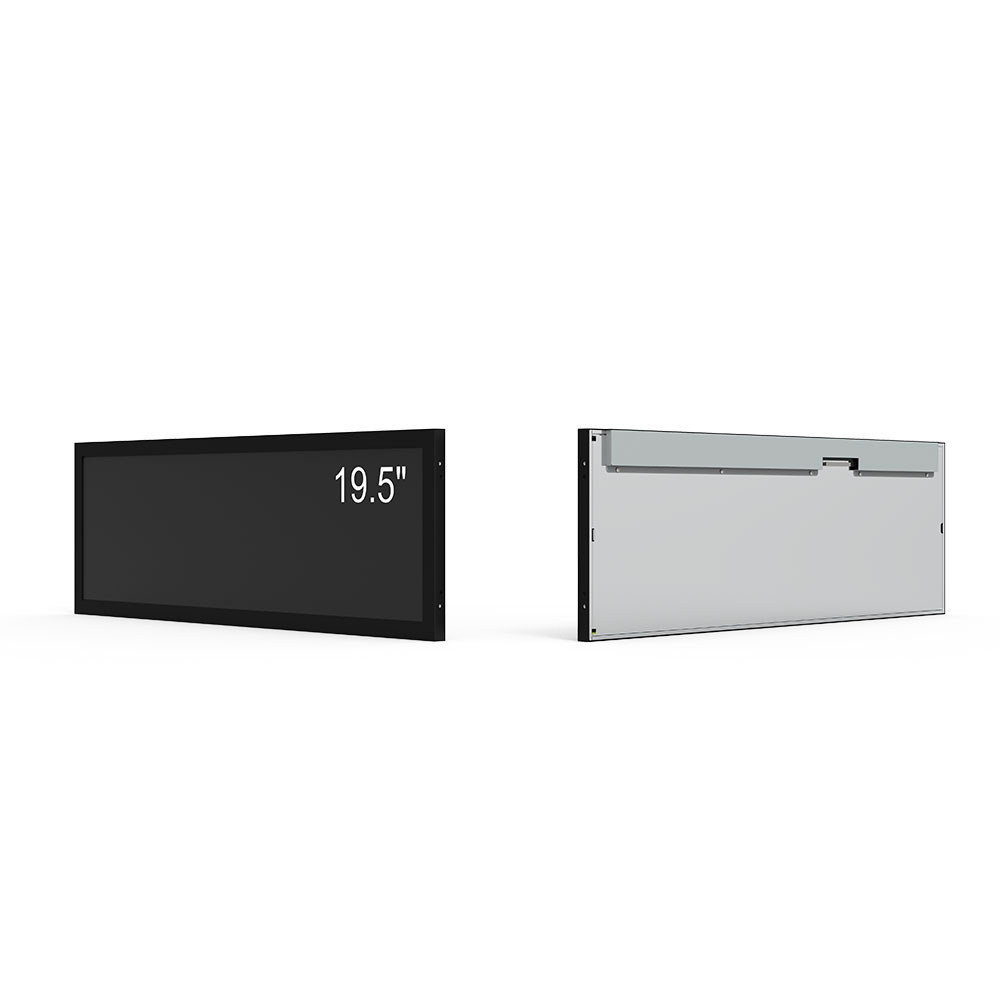
A key differentiator in modern high-brightness LCDs is the integration of dual-layer polarizers and wide-viewing-angle technologies like IPS (In-Plane Switching), which maintain image quality across a 178° viewing angle. This ensures that operators can read critical data regardless of their position relative to the screen—a vital feature in mobile workstations or emergency vehicles. Furthermore, passive and active cooling mechanisms prevent thermal degradation of performance, allowing stable operation in temperatures ranging from -30°C to +70°C.
Manufacturers such as Sharp, LG Display, and Innolux have developed proprietary enhancements including micro-lens arrays on the front glass and polarization recovery layers that reduce internal reflection losses by up to 60%. According to a 2023 report by MarketsandMarkets, the global market for sunlight-readable displays is projected to grow at a CAGR of 7.2% from 2023 to 2028, driven by demand from smart cities, autonomous vehicles, and IoT-enabled outdoor kiosks.
From an engineering perspective, selecting the right high-brightness LCD requires evaluating not only luminance specs but also response time (ideally< 16ms for video content), touch responsiveness (especially in glove-friendly modes), and long-term reliability metrics like MTBF (Mean Time Between Failures). With rising environmental concerns, energy-efficient designs using low-power LEDs and adaptive brightness sensors are becoming standard rather than optional features.
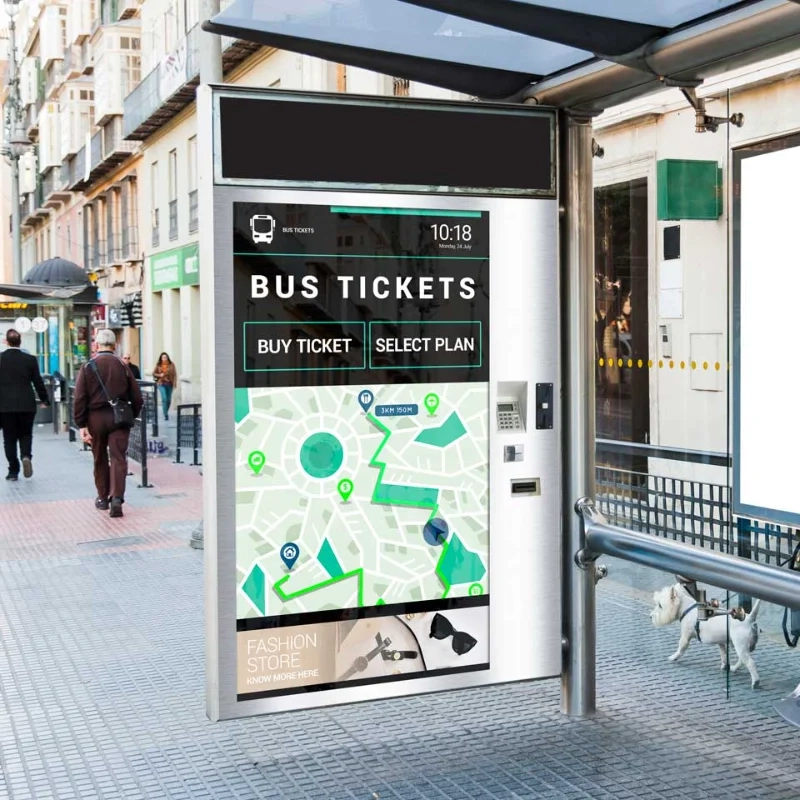
These innovations collectively enable mission-critical applications—from battlefield situational awareness to traffic management in urban centers—to function reliably in any lighting condition. As digital interfaces become increasingly embedded in outdoor operations, high-brightness sunlight-readable LCDs remain indispensable for safety, productivity, and user experience.