 RisingStar
- Home
- About Us
- Products
- News
- Video
- Contact
- Send Inquiry
Search
- Home
- About Us
- Products
- News
- Video
- Contact
- Send Inquiry
RisingStar
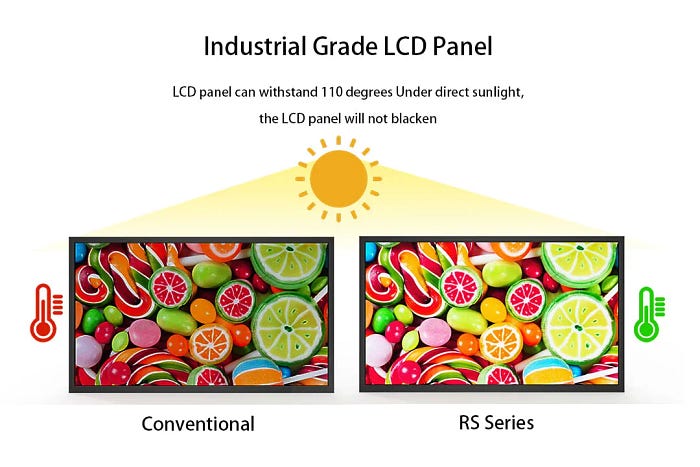
In the rapidly evolving world of display technology, high-brightness sunlight-readable LCD screens have emerged as critical components in a wide range of outdoor and industrial applications—from military field displays to public transportation information systems, agricultural monitoring devices, and automotive infotainment. Unlike standard indoor LCDs that typically operate at 200–300 nits (candela per square meter), sunlight-readable LCDs are engineered to maintain visibility under direct sunlight conditions—often exceeding 5,000 nits, with some premium models reaching up to 10,000 nits or more. This performance is essential for environments where ambient light levels can exceed 100,000 lux, such as midday desert sun or bright coastal areas.
The core challenge in designing a sunlight-readable LCD lies in overcoming the fundamental limitations of conventional liquid crystal displays. In traditional LCDs, ambient light causes glare and reflection, which significantly reduces contrast and readability. When sunlight hits the screen surface, it bounces off the polarizer, glass cover, and liquid crystal layer, creating unwanted reflections that obscure content. Moreover, the backlight in standard LCDs lacks sufficient intensity to compete with daylight illumination, resulting in washed-out images. To address these issues, engineers employ a combination of optical engineering, material science, and intelligent hardware-software integration.
One of the most effective methods used in high-brightness LCDs is the implementation of a transflective mode design. Unlike transmissive LCDs that rely solely on a backlight, transflective panels combine both reflective and transmissive properties. During low-light conditions, they use an internal reflector to bounce ambient light back through the liquid crystal layer, enhancing brightness without consuming extra power. Under strong sunlight, the backlight intensifies, while the reflective layer continues to assist in maintaining image clarity. This dual-mode operation makes transflective LCDs ideal for portable devices like handheld GPS units, rugged tablets, and solar-powered sensors deployed in remote locations.
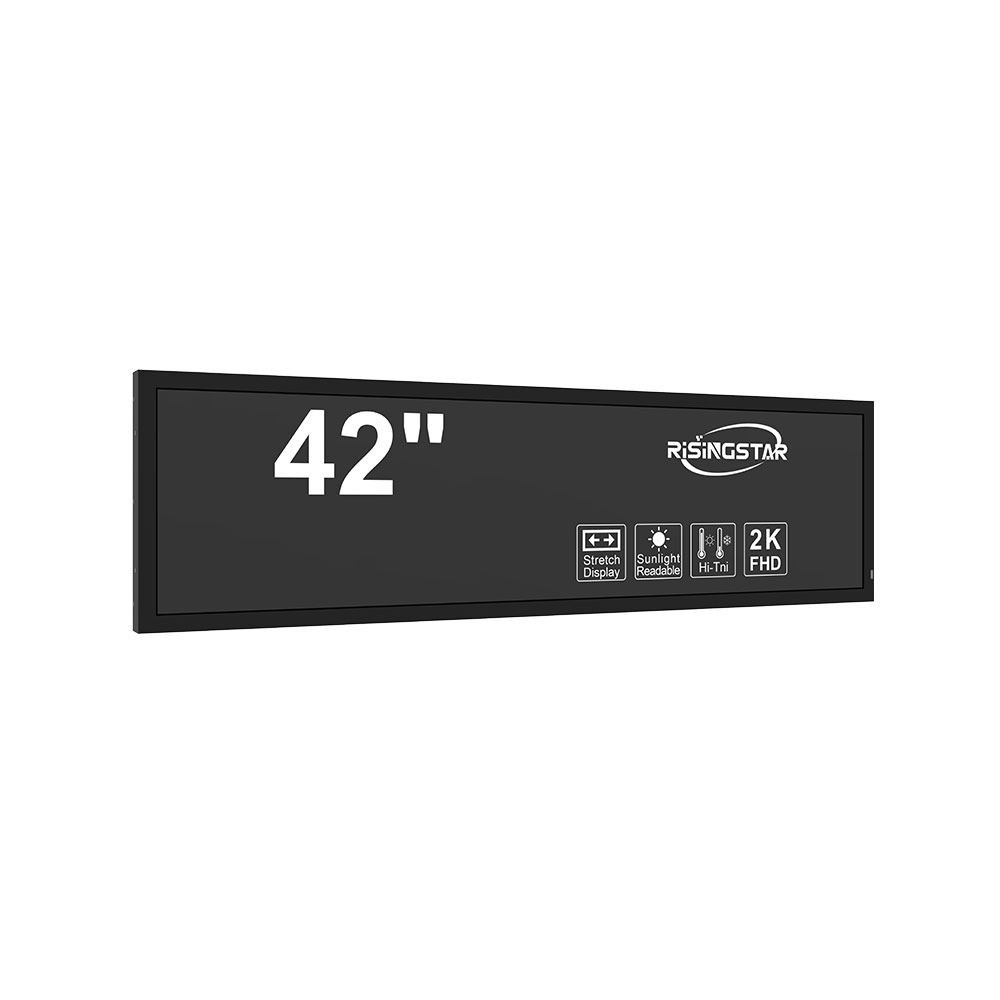
Another critical innovation is the use of anti-reflection (AR) coatings on the front glass surface. These multi-layer thin-film coatings reduce surface reflection from approximately 4% to less than 1%, drastically improving contrast ratio even under extreme lighting. AR coatings are often made from materials like magnesium fluoride or silicon dioxide, applied via vacuum deposition techniques. Some advanced models also integrate nanostructured surfaces inspired by moth-eye structures found in nature—these micro-patterned layers scatter incoming light rather than reflecting it, further minimizing glare while preserving color accuracy.
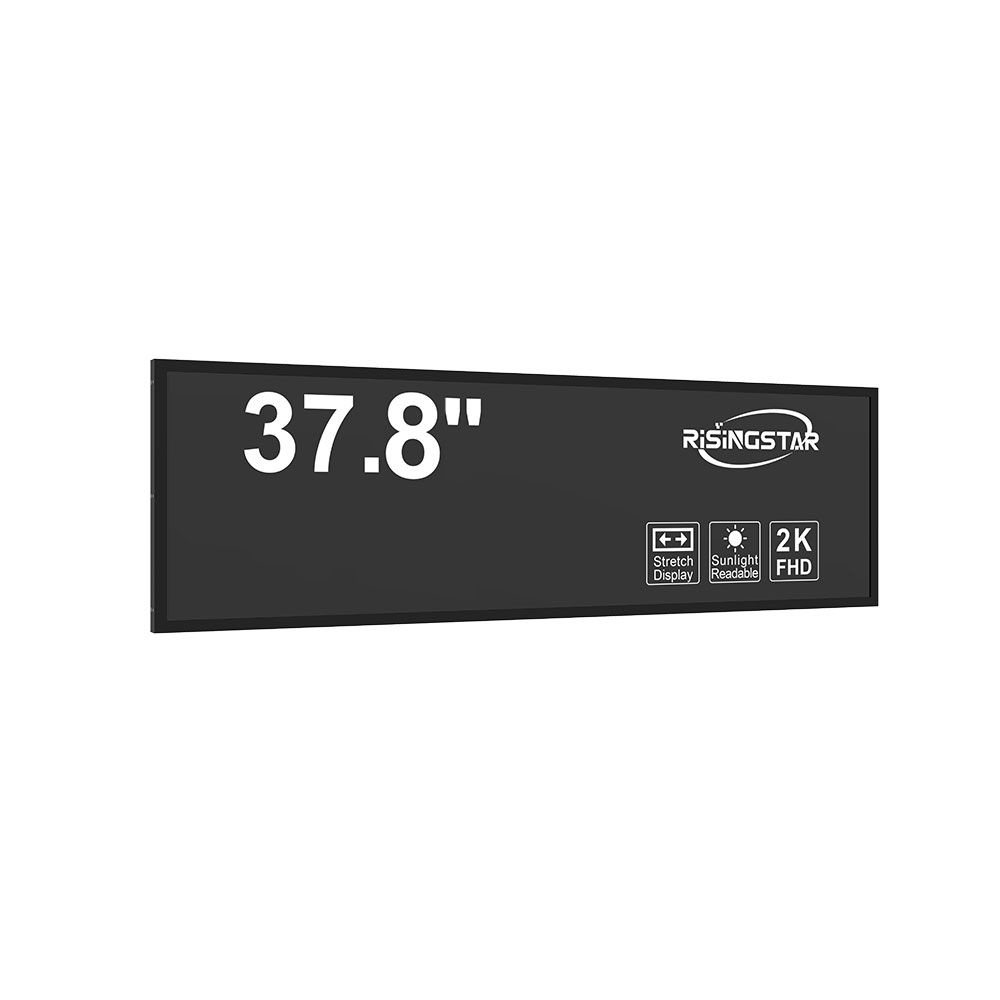
To maximize brightness output, manufacturers utilize high-efficiency LEDs as backlights instead of older CCFL (cold cathode fluorescent lamp) technology. High-brightness LEDs can deliver up to 8,000–10,000 nits with excellent thermal stability and longevity. Additionally, LED drivers incorporate adaptive brightness control algorithms that dynamically adjust luminance based on ambient light sensors. This not only ensures optimal readability but also extends battery life in mobile applications—a crucial feature for drones, field equipment, and emergency response gear.
Contrast enhancement is equally important. A typical indoor LCD might achieve a contrast ratio of 1000:1, whereas sunlight-readable displays must exceed 5000:1. This is achieved through precise pixel-level control of black levels using local dimming zones, dynamic gamma correction, and enhanced color gamut management. For example, Sharp’s proprietary “Super View” technology uses edge-lit LED arrays with individually controllable dimming zones to improve black depth and prevent blooming around bright objects—enhancing visual fidelity even when the sun shines directly on the screen.
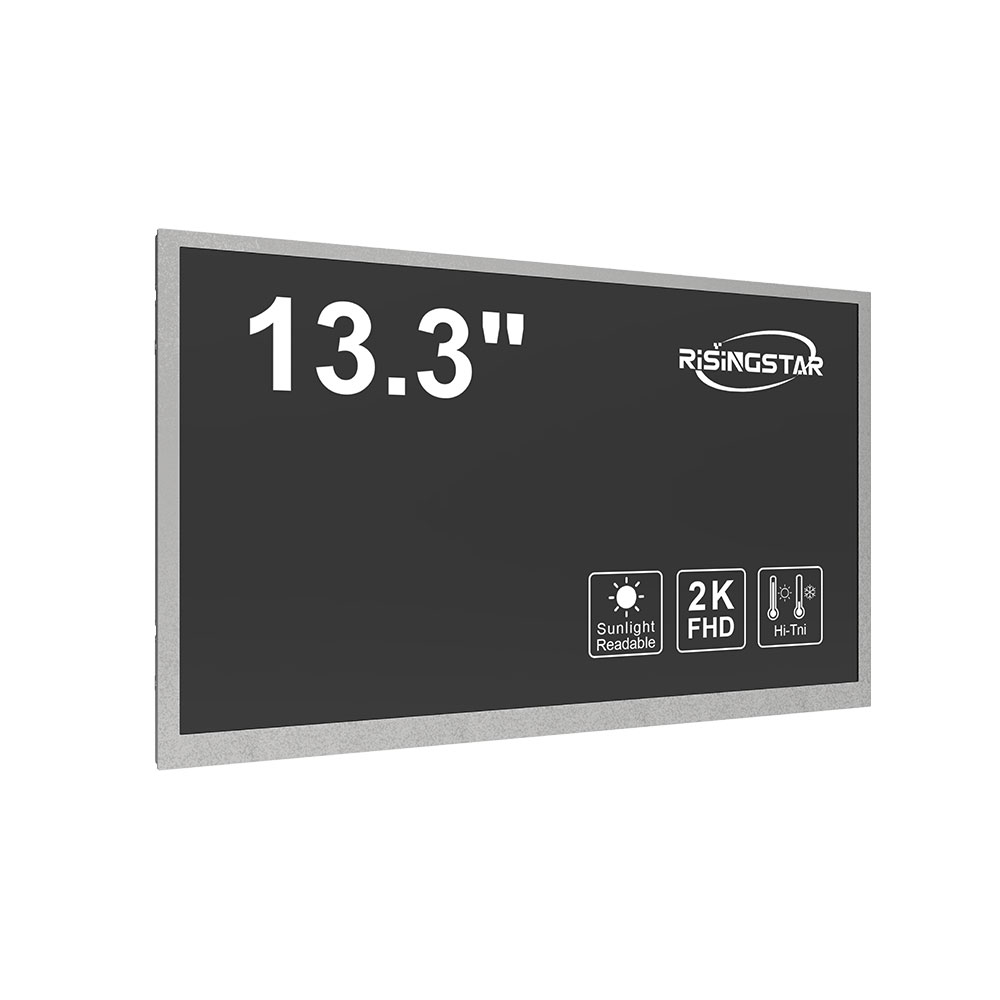
Moreover, environmental durability plays a vital role in outdoor display applications. Industrial-grade LCDs undergo rigorous testing according to standards such as MIL-STD-810G for shock, vibration, and temperature extremes (from -30°C to +70°C). They are often IP65-rated for dust and water resistance, making them suitable for harsh weather conditions including rain, snow, and sandstorms. Thermal management is another key area—heat buildup from intense sunlight or prolonged operation can degrade liquid crystal performance over time. Therefore, many high-brightness displays incorporate passive cooling solutions like aluminum heat sinks or active thermal regulation systems that monitor and dissipate excess heat automatically.
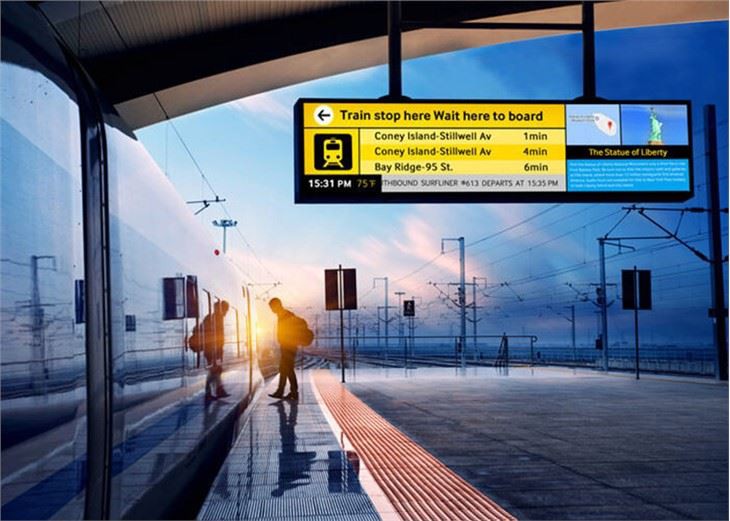
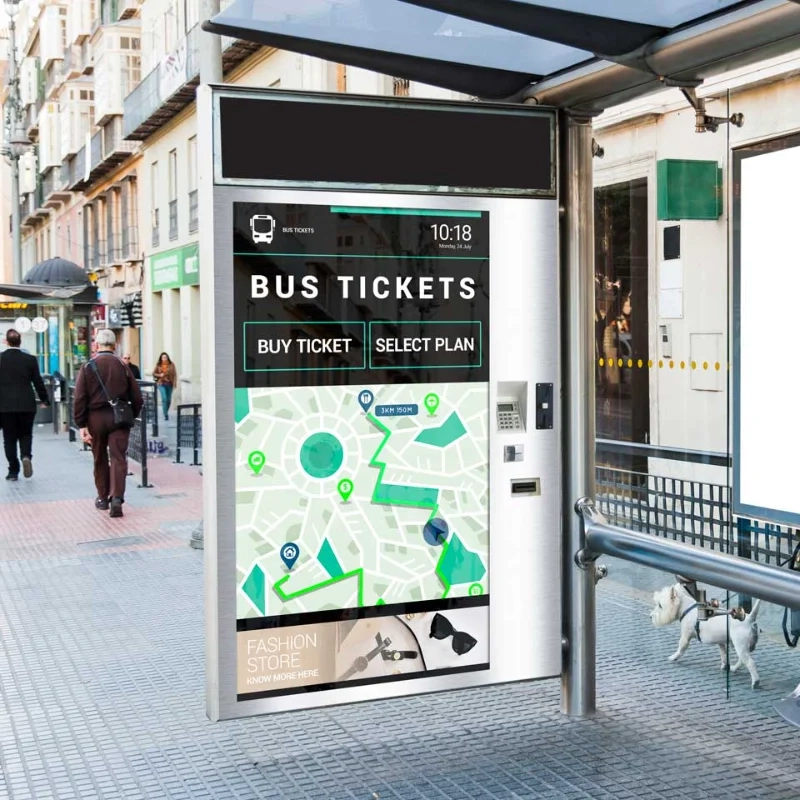
Case studies illustrate the real-world impact of these technologies. For instance, in the U.S. Department of Defense’s Tactical Operations Center (TOC) systems, sunlight-readable LCDs enable soldiers to view maps, mission data, and communication feeds even during daylight combat operations. Similarly, Japan’s JR East railway system employs high-brightness LCD displays in train station kiosks that remain legible despite full-spectrum sunlight exposure throughout the day. Another notable application is in agriculture—companies like John Deere use ruggedized touchscreen displays on tractors equipped with 5,000-nit sunlight-readable screens for precision farming operations in open fields.
From a manufacturing perspective, the rise of OLED-on-Silicon and MicroLED technologies promises future breakthroughs in outdoor display performance. While still more expensive than traditional LCDs, these emerging solutions offer superior contrast ratios, faster response times, and higher peak brightness levels. However, LCD remains the dominant choice due to its cost-effectiveness, scalability, and maturity in production processes. As of 2024, global shipments of high-brightness sunlight-readable LCD modules exceeded 15 million units annually, driven primarily by demand from defense, transportation, and IoT sectors.
Looking ahead, AI-driven display optimization will play a growing role in next-generation systems. Machine learning algorithms can analyze real-time ambient lighting conditions and adjust contrast, brightness, and color balance autonomously—ensuring consistent user experience across varying environments. Furthermore, energy-efficient designs incorporating low-power modes and solar charging capabilities are becoming increasingly common in portable outdoor devices.
In conclusion, high-brightness sunlight-readable LCD screens represent a convergence of multiple technological disciplines—including optics, thermodynamics, semiconductor fabrication, and human factors engineering. Their successful deployment in demanding environments underscores the importance of integrating robust hardware with intelligent software solutions. Whether powering military command systems or enabling sustainable agriculture, these displays continue to redefine how humans interact with digital information in the open air—an essential capability in our increasingly connected and mobile world.