RisingStar
- Home
- About Us
- Products
- News
- Video
- Contact
- Send Inquiry
Search
- Home
- About Us
- Products
- News
- Video
- Contact
- Send Inquiry
RisingStar
In the rapidly evolving world of display technology, high-brightness sunlight-readable LCD screens have become a critical enabler for outdoor and industrial applications. These displays are engineered to remain legible under intense ambient lighting conditions—such as direct sunlight—which traditional LCDs fail to achieve due to poor contrast ratios and insufficient luminance. The global market for such specialized screens is projected to exceed $4.2 billion by 2027, driven by increasing demand from defense, transportation, agriculture, and smart infrastructure sectors (MarketsandMarkets, 2023).
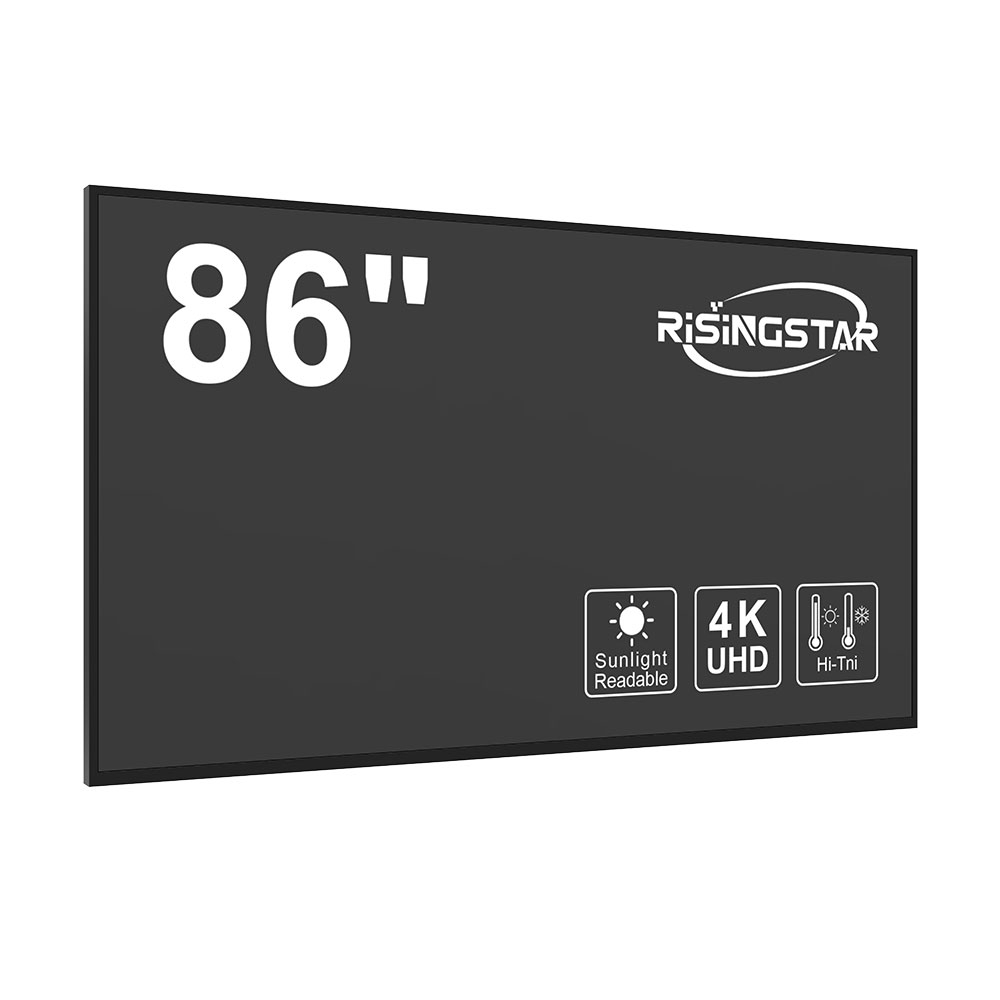
The core innovation behind sunlight-readable LCDs lies in their ability to deliver at least 5,000 nits of brightness—often exceeding 10,000 nits in military-grade models—while maintaining color accuracy and fast response times. This is achieved through several advanced techniques: anti-reflection coatings, high-efficiency LED backlighting, and optimized polarizer layers that reduce glare without sacrificing visibility. For example, companies like LG Display and Sharp Corporation have developed proprietary IPS (In-Plane Switching) panels with integrated optical bonding that enhances both brightness and durability.
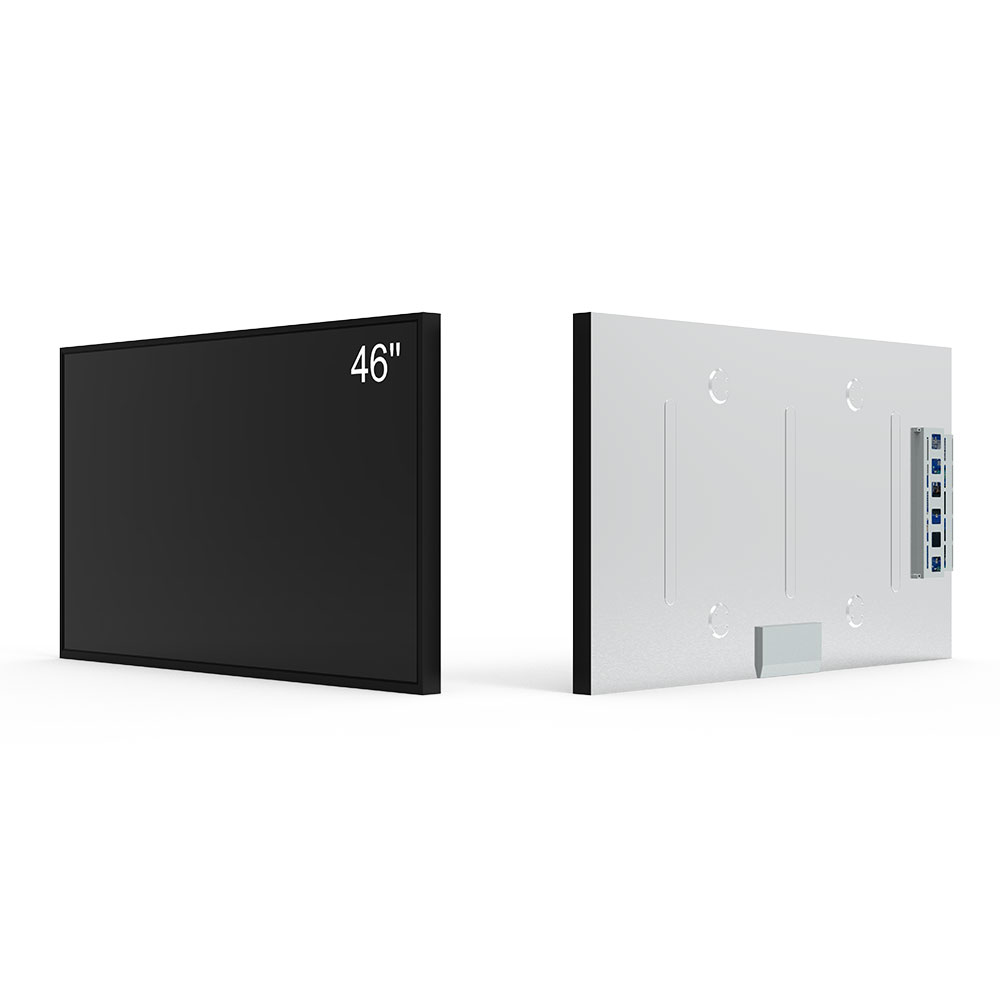
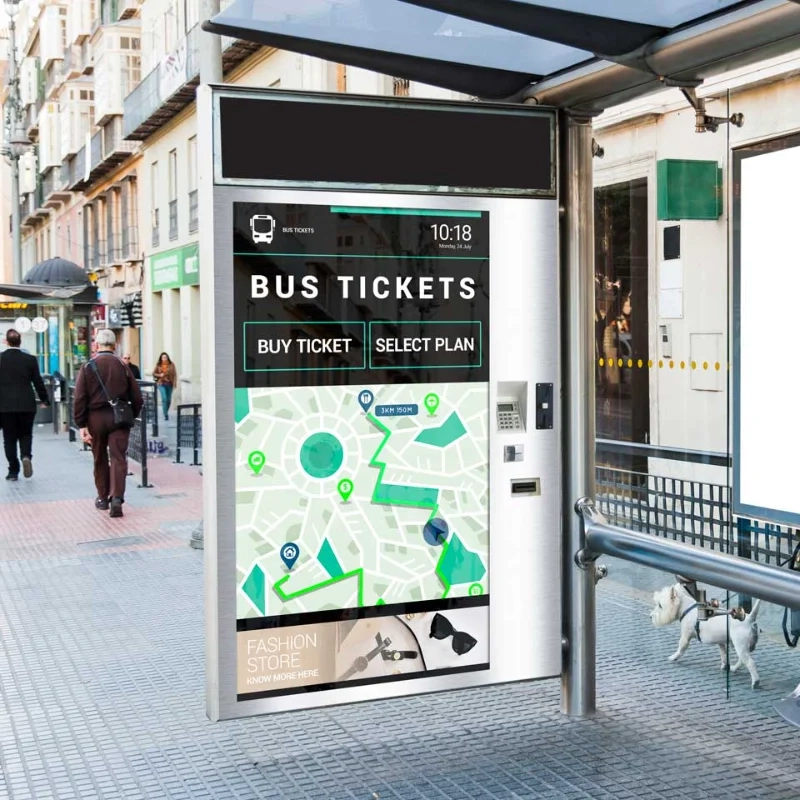
One of the most compelling use cases is in automotive dashboards and infotainment systems. Modern vehicles must operate reliably in all lighting conditions—from dim parking lots to full sun on highways. According to a 2022 SAE International report, over 87% of new vehicle models now incorporate high-brightness displays as standard features to ensure driver safety and reduce cognitive load during nighttime or sunny driving. Similarly, in the agricultural sector, solar-powered monitoring systems rely on these screens for real-time data visualization in open fields where ambient light can exceed 100,000 lux.
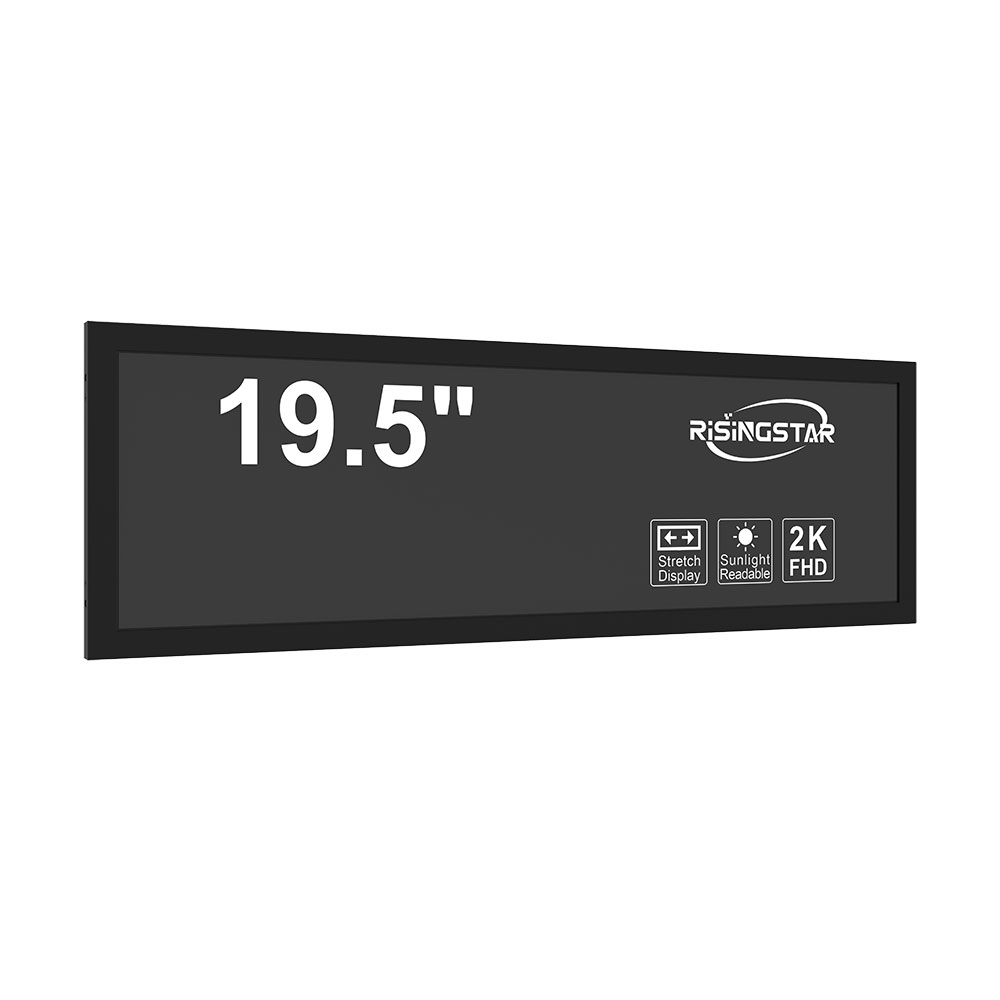
Another key differentiator is thermal management. High-brightness operation generates significant heat, which can degrade panel performance or shorten lifespan. Advanced thermal design—including passive heat sinks, efficient power regulation circuits, and thermally conductive materials—is essential. Industrial-grade units often comply with MIL-STD-810G standards for shock, vibration, and temperature extremes (-20°C to +70°C), ensuring reliability in harsh environments.
Manufacturers also integrate adaptive brightness control algorithms that dynamically adjust screen luminance based on ambient light sensors. This not only improves readability but also reduces power consumption—an important factor in battery-powered devices such as drones, handheld field tools, and remote weather stations.
Moreover, sunlight-readable displays are increasingly being paired with touch-sensitive interfaces using infrared or surface acoustic wave (SAW) technologies. These solutions allow reliable operation even when users wear gloves—a necessity in cold climates or hazardous environments like oil rigs and chemical plants.
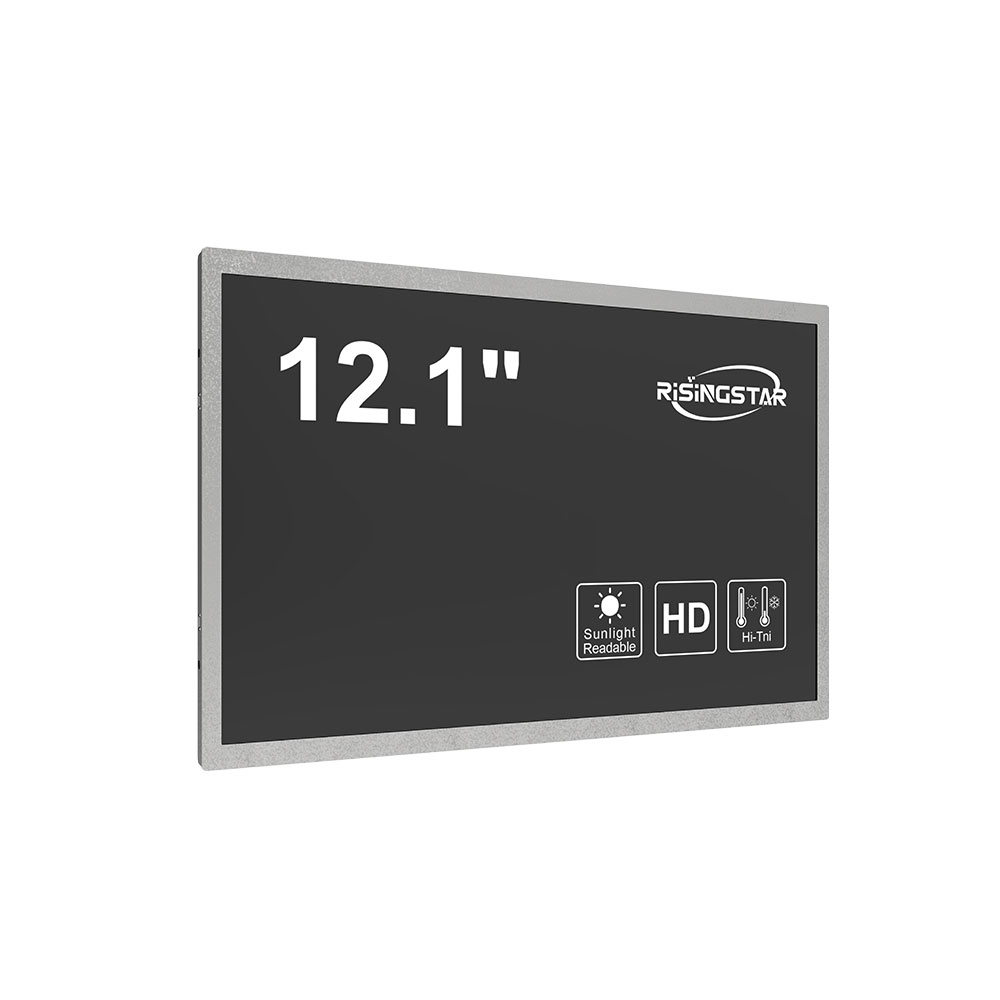
As global standards evolve—for instance, the ISO 16750-3 specification for automotive electronics—the demand for certified, interoperable, and energy-efficient high-brightness displays will continue to grow. With ongoing R&D in micro-LED and quantum dot enhancements, the next generation of sunlight-readable screens promises even higher efficiency, longer lifespans, and reduced environmental impact.
For system designers, selecting the right high-brightness LCD involves evaluating not just peak brightness but also contrast ratio, viewing angle, power consumption, and mechanical ruggedness. Consulting industry benchmarks from sources like Display Supply Chain Consultants (DSCC) or consulting case studies from OEMs like Bosch, Honeywell, and Siemens ensures informed decision-making.
Ultimately, high-brightness sunlight-readable LCDs represent a convergence of optics, materials science, and embedded systems engineering—a testament to how focused technological innovation enables human-machine interaction in the most demanding environments.