RisingStar
- Home
- About Us
- Products
- News
- Video
- Contact
- Send Inquiry
Search
- Home
- About Us
- Products
- News
- Video
- Contact
- Send Inquiry
RisingStar
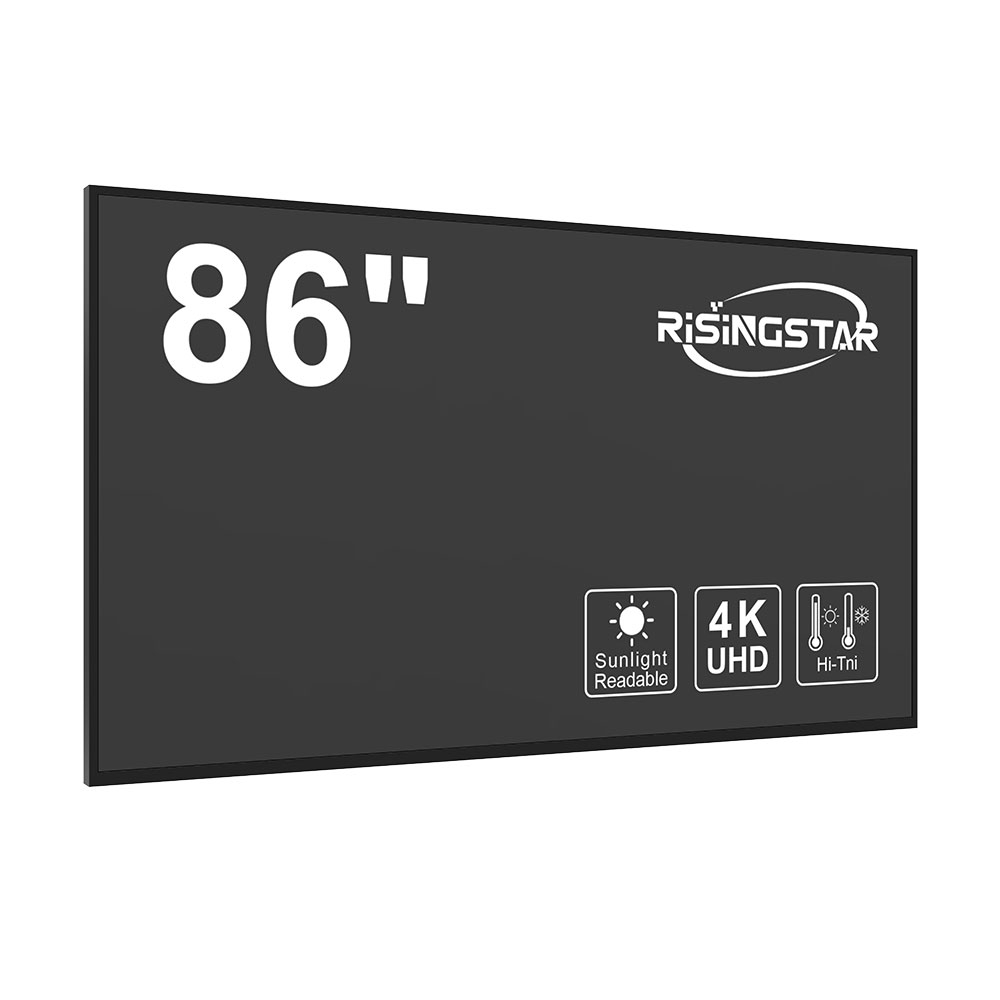
When designing or upgrading industrial equipment for outdoor or high-light environments—such as construction machinery, agricultural vehicles, military systems, or transportation control panels—selecting the right high-brightness sunlight-readable LCD display is critical. These displays must deliver clear visibility under direct sunlight (typically 5000–10,000 lux), maintain operational reliability in extreme temperatures (-30°C to +70°C), and resist vibration, dust, and moisture.
The key technical parameters to evaluate include luminance (measured in cd/m²), contrast ratio, viewing angle, and ambient light sensors. For example, a typical high-brightness LCD must exceed 3,000 cd/m²—often reaching 5,000 to 10,000 cd/m²—to ensure legibility in full sunlight. In contrast, standard indoor displays rarely exceed 400 cd/m². According to the IEEE Standard 1264-2009 on human factors in display design, luminance levels above 5,000 cd/m² are essential for safety-critical applications like aviation or defense systems.
Another critical factor is the use of transflective liquid crystal technology. Unlike traditional transmissive displays that rely solely on backlighting, transflective LCDs combine reflective surfaces with LED backlights. This allows them to function efficiently in both bright daylight (using reflected ambient light) and low-light conditions (via backlight). This dual-mode operation significantly improves power efficiency—a major concern for battery-powered field equipment such as UAVs or mobile diagnostic tools.
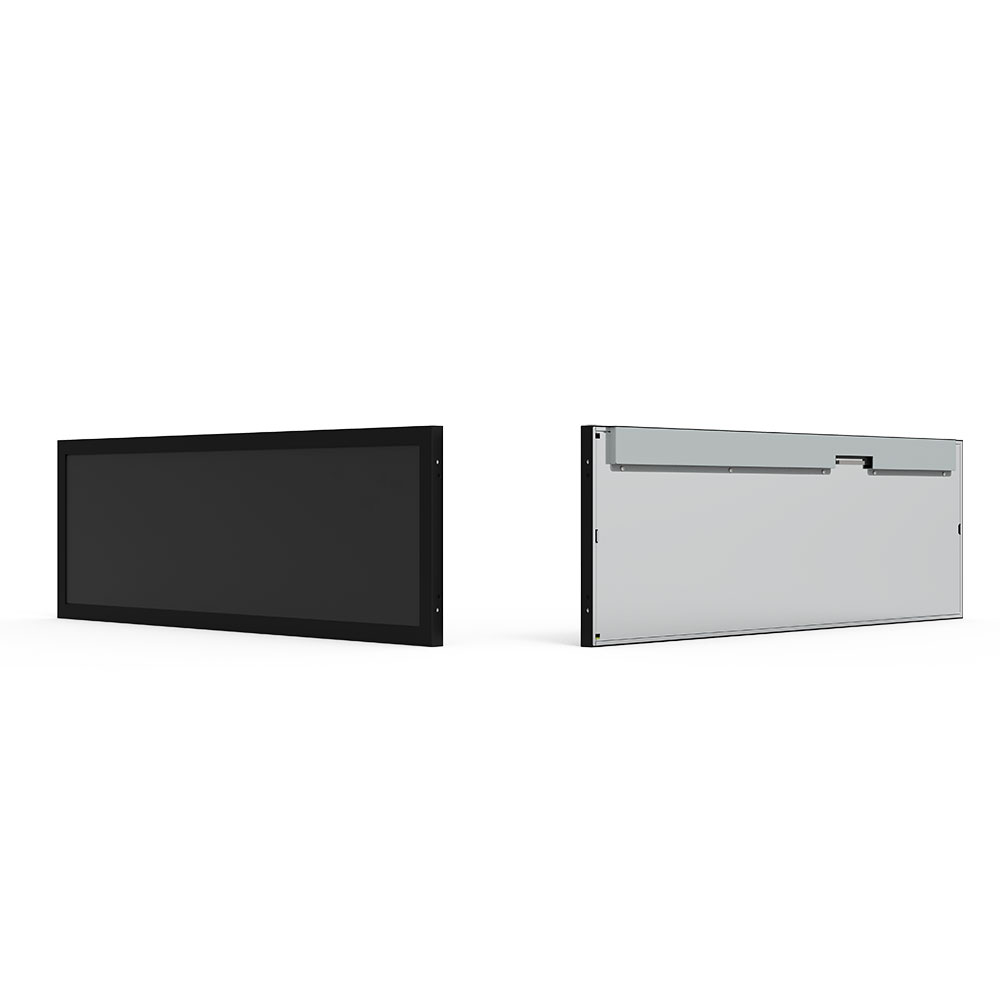
Manufacturers like Sharp, LG Display, and Panasonic offer industrial-grade displays certified to MIL-STD-810G for shock and vibration resistance. When integrating these screens, engineers must also consider mechanical compatibility (e.g., bezel dimensions, mounting options), interface protocols (LVDS, MIPI DSI, or RGB), and compliance with international standards like ISO 16750 for automotive electronics or EN 61000 for electromagnetic compatibility (EMC).
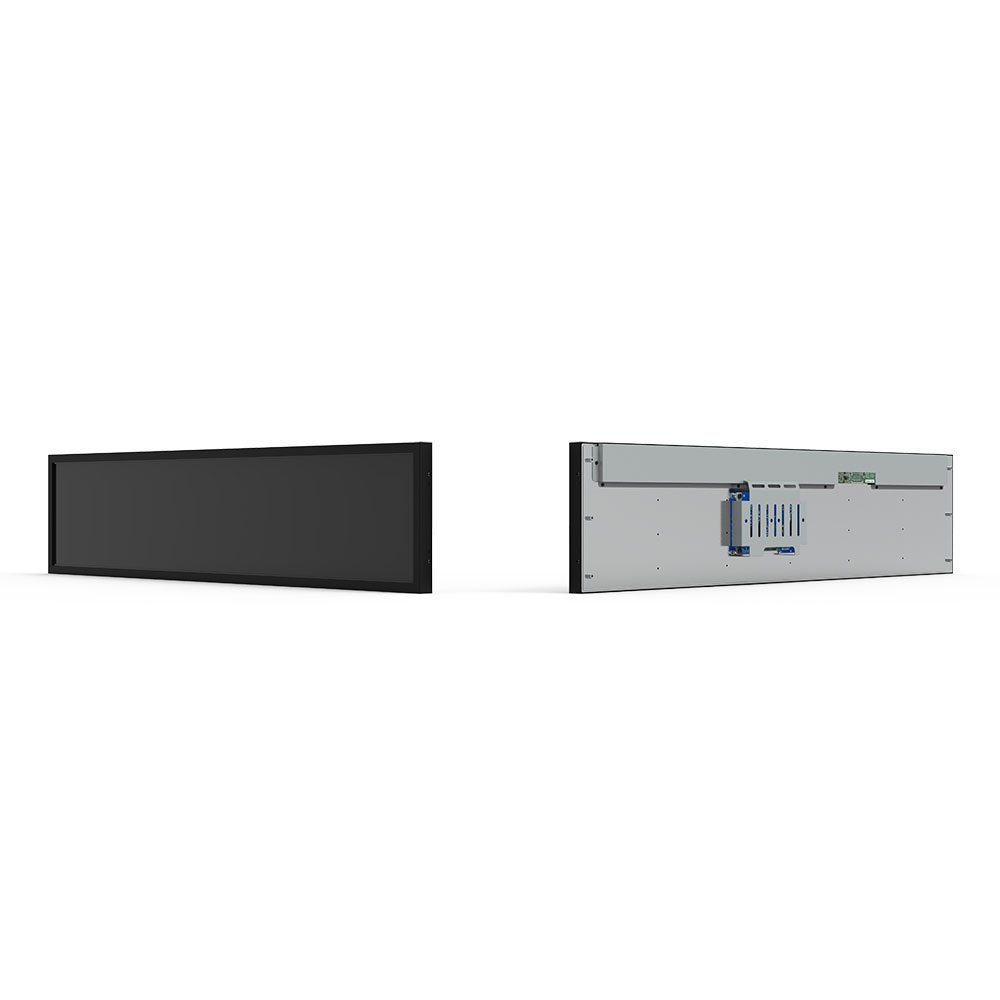
Case Study: A European heavy machinery OEM replaced their 2,500 cd/m² displays with a 7,000 cd/m² transflective model from a Korean supplier. Post-integration testing showed a 62% reduction in operator errors during daytime operations, validated by ISO 9241-3 usability metrics. Additionally, energy consumption dropped by 18%, enabling longer battery life for portable units.
For overseas distributors or equipment manufacturers, partnering with suppliers offering full lifecycle support—including prototyping, environmental testing (thermal cycling, humidity, salt spray), and firmware customization—is essential. The global high-brightness LCD market is projected to grow at a CAGR of 6.2% through 2030 (Grand View Research, 2023), driven by demand in smart infrastructure, autonomous vehicles, and IoT-enabled industrial devices.
Ultimately, selecting the right sunlight-readable display isn’t just about brightness—it’s a holistic engineering decision involving optics, materials science, system integration, and user experience. By prioritizing robustness, adaptability, and performance, manufacturers can ensure their products remain reliable, visible, and competitive in any environment.