RisingStar
- Home
- About Us
- Products
- News
- Video
- Contact
- Send Inquiry
Search
- Home
- About Us
- Products
- News
- Video
- Contact
- Send Inquiry
RisingStar
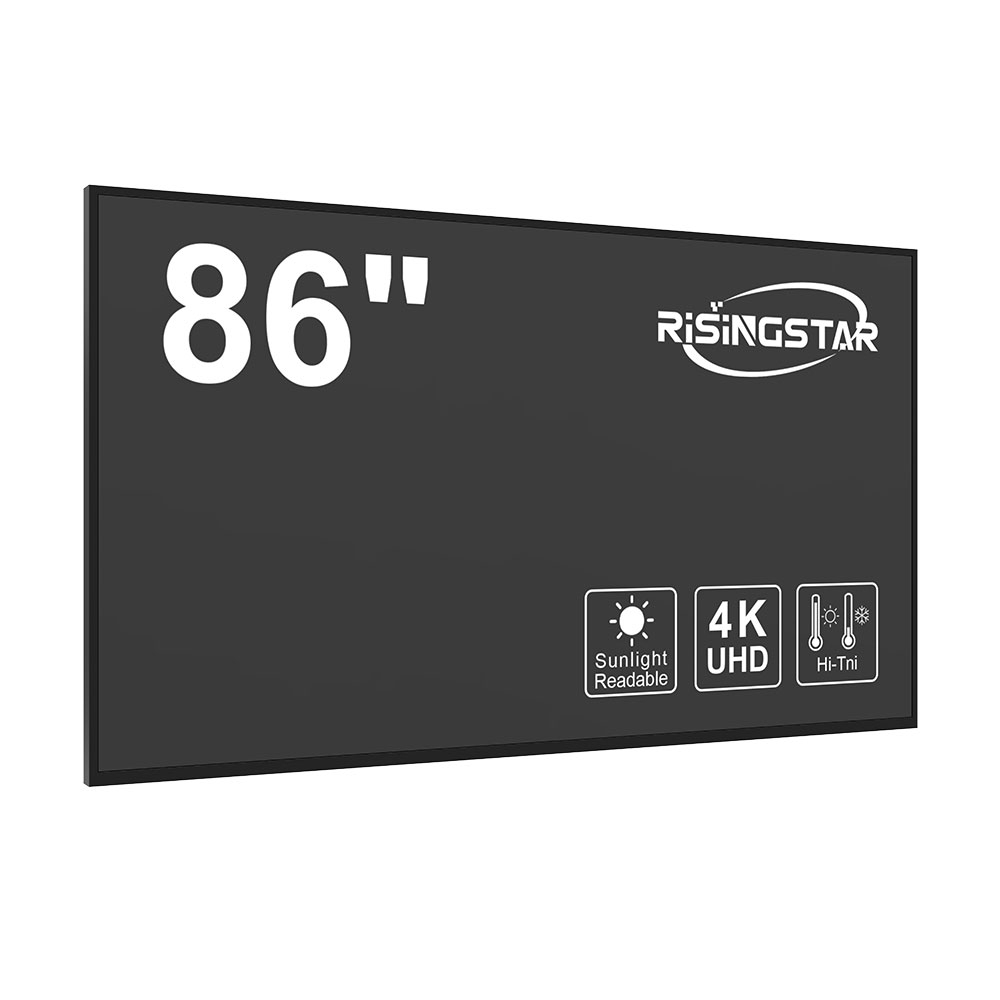
When designing or sourcing display solutions for industrial equipment—especially those deployed outdoors or in high-intensity lighting environments such as construction sites, military vehicles, agricultural machinery, or public transportation—selecting a high-brightness sunlight-readable LCD is not just an option; it's a critical engineering requirement. Unlike standard consumer-grade displays that dim under direct sunlight, these specialized screens must maintain visibility, durability, and reliability in extreme conditions.
A high-brightness sunlight-readable LCD typically offers brightness levels of 5,000 to 10,000 nits or more, far exceeding the 200–500 nits common in smartphones or office monitors. This is achieved through advanced backlight technologies such as LED arrays with optimized optics, high-efficiency phosphors, and sometimes dual-layer diffusers that reduce glare while maximizing light output. According to industry benchmarks from the Society for Information Display (SID), displays rated above 3,000 nits are considered “sunlight-readable,” but for demanding applications like military or aerospace systems, 5,000+ nits are standard.
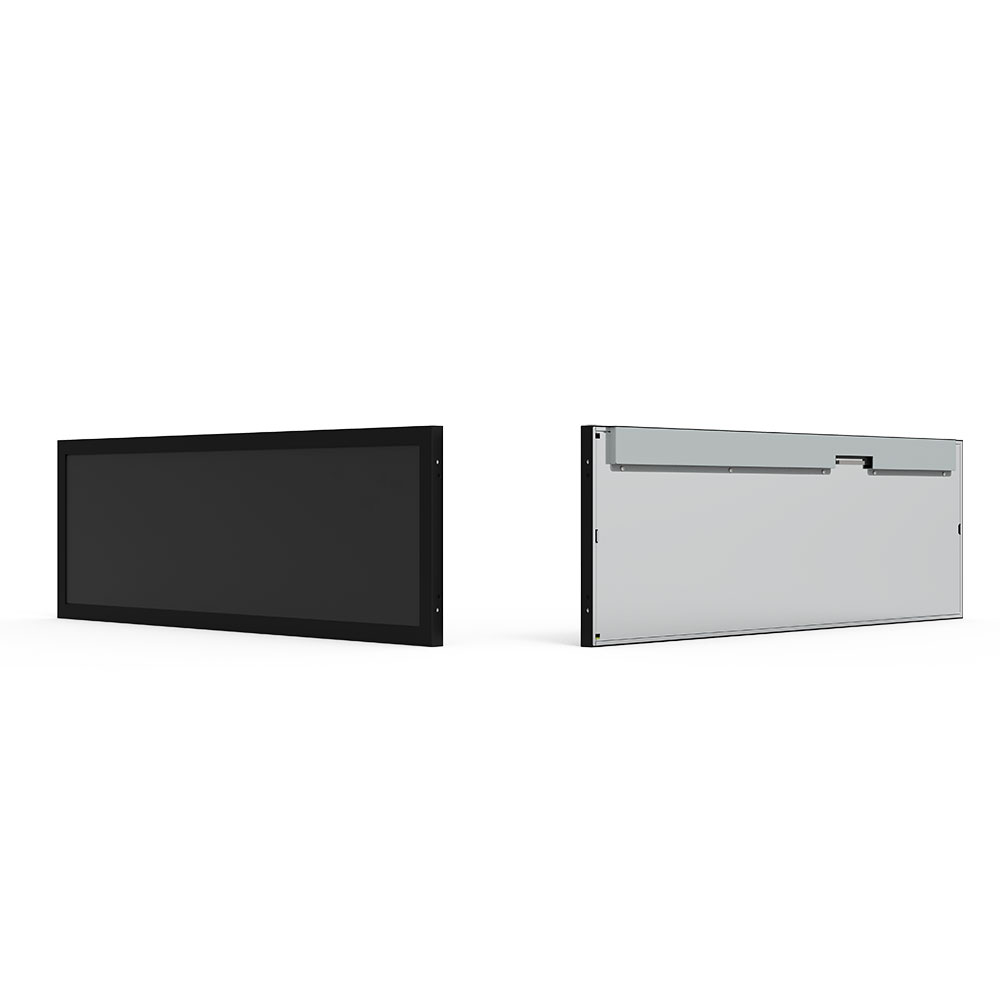
Beyond brightness, key factors include contrast ratio (often >1000:1), viewing angle stability (wide angles up to 178°), and environmental resilience. MIL-STD-810G and IP65/IP67 ratings ensure protection against dust, moisture, vibration, and temperature extremes—from -40°C to +70°C. Case studies from companies like ELO Touch Solutions and LG Display show that integrating ruggedized LCDs into automated guided vehicles (AGVs) improved operational efficiency by reducing screen failures in warehouse settings exposed to intense overhead lighting.
Another crucial aspect is the use of anti-reflection (AR) coatings, polarized filters, and sometimes transflective technology—where the screen uses both ambient light and internal backlighting—to optimize power consumption without sacrificing readability. For example, a recent project involving off-grid solar-powered weather stations used a 7-inch transflective LCD with 6,000-nit brightness, which maintained readability even during midday sun while consuming only 1.5W in reflective mode.
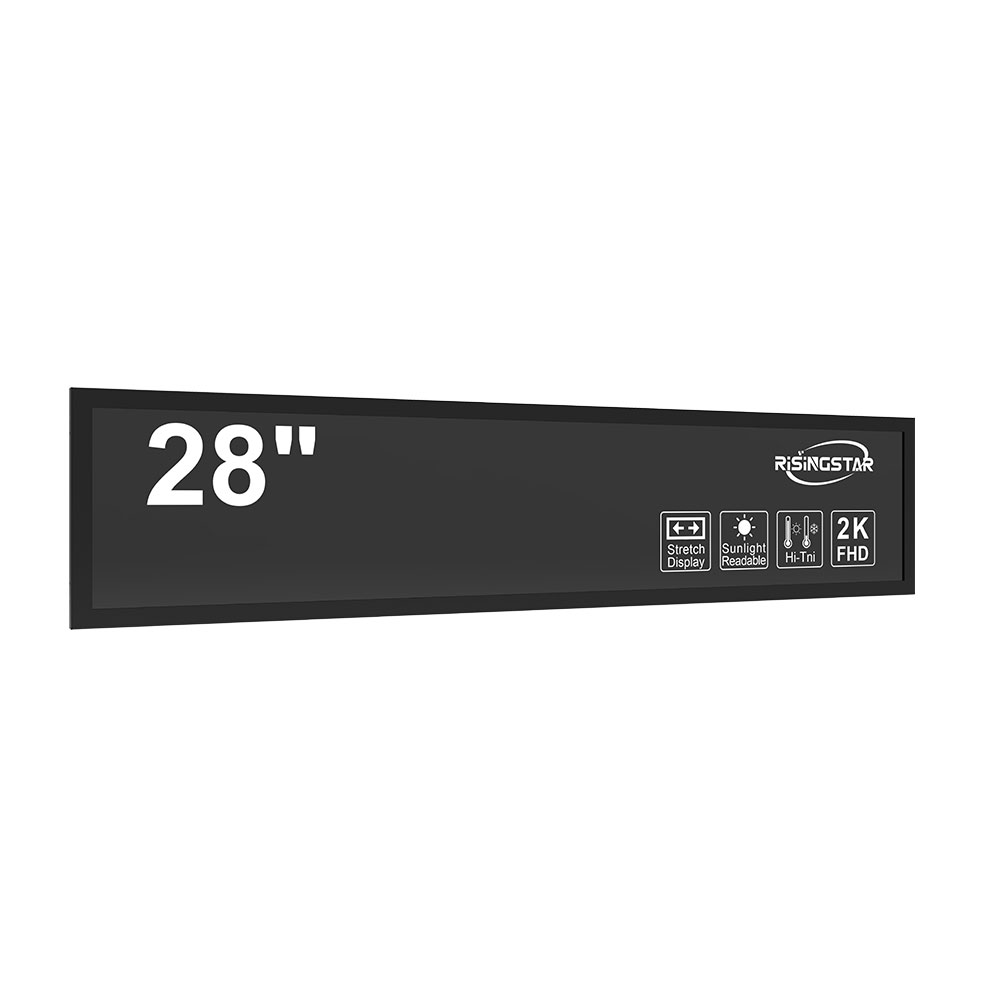
For overseas equipment manufacturers and distributors, partnering with suppliers who comply with international standards like ISO 9001, IEC 60068 (environmental testing), and RoHS (hazardous substance compliance) is essential. Additionally, working with OEMs who offer custom firmware integration, touch capabilities (capacitive or resistive), and long-term component availability ensures scalability and reduces supply chain risks.
In summary, choosing the right high-brightness sunlight-readable LCD involves balancing performance metrics, environmental robustness, power efficiency, and compliance with global certifications. When done correctly, it directly impacts product uptime, user safety, and overall system reliability—key selling points for industrial customers worldwide.