 RisingStar
- Home
- About Us
- Products
- News
- Video
- Contact
- Send Inquiry
Search
- Home
- About Us
- Products
- News
- Video
- Contact
- Send Inquiry
RisingStar
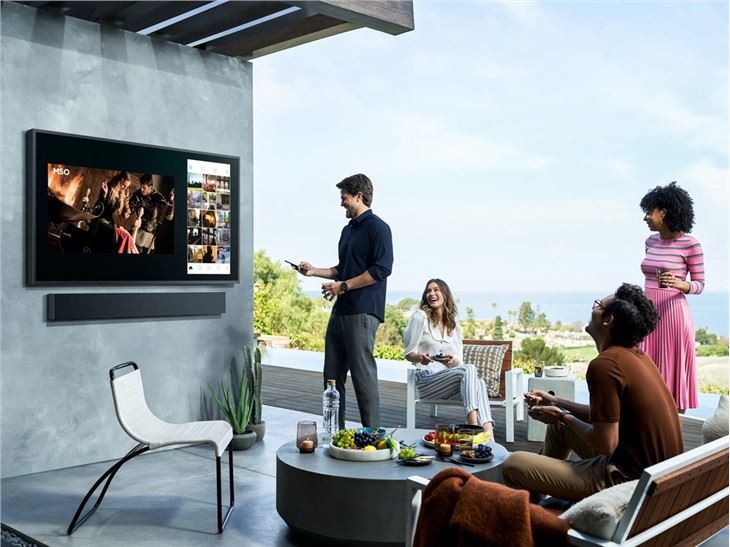
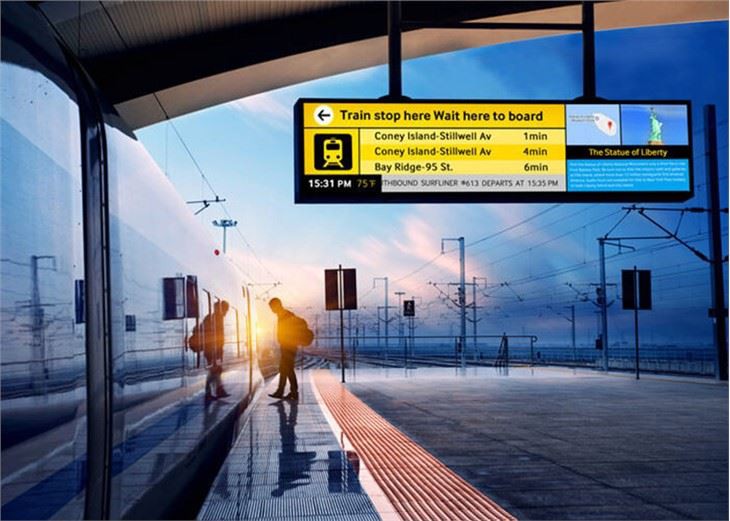
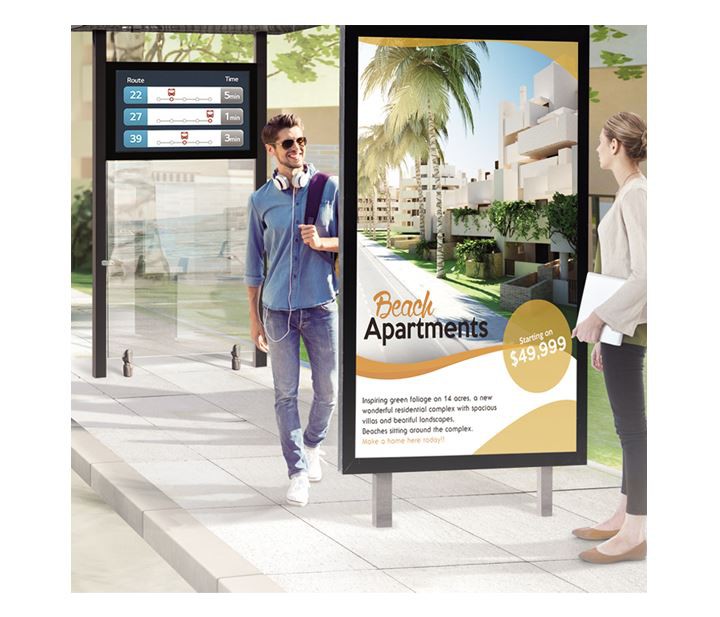
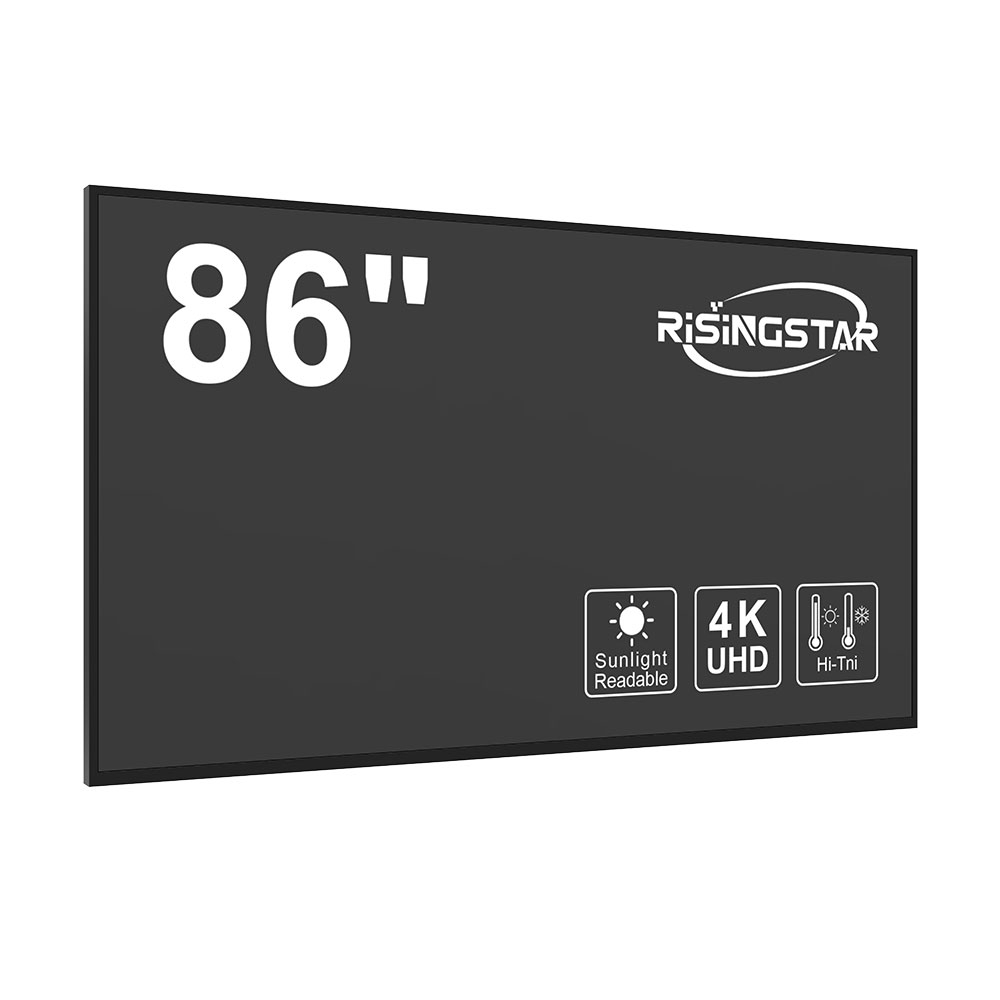
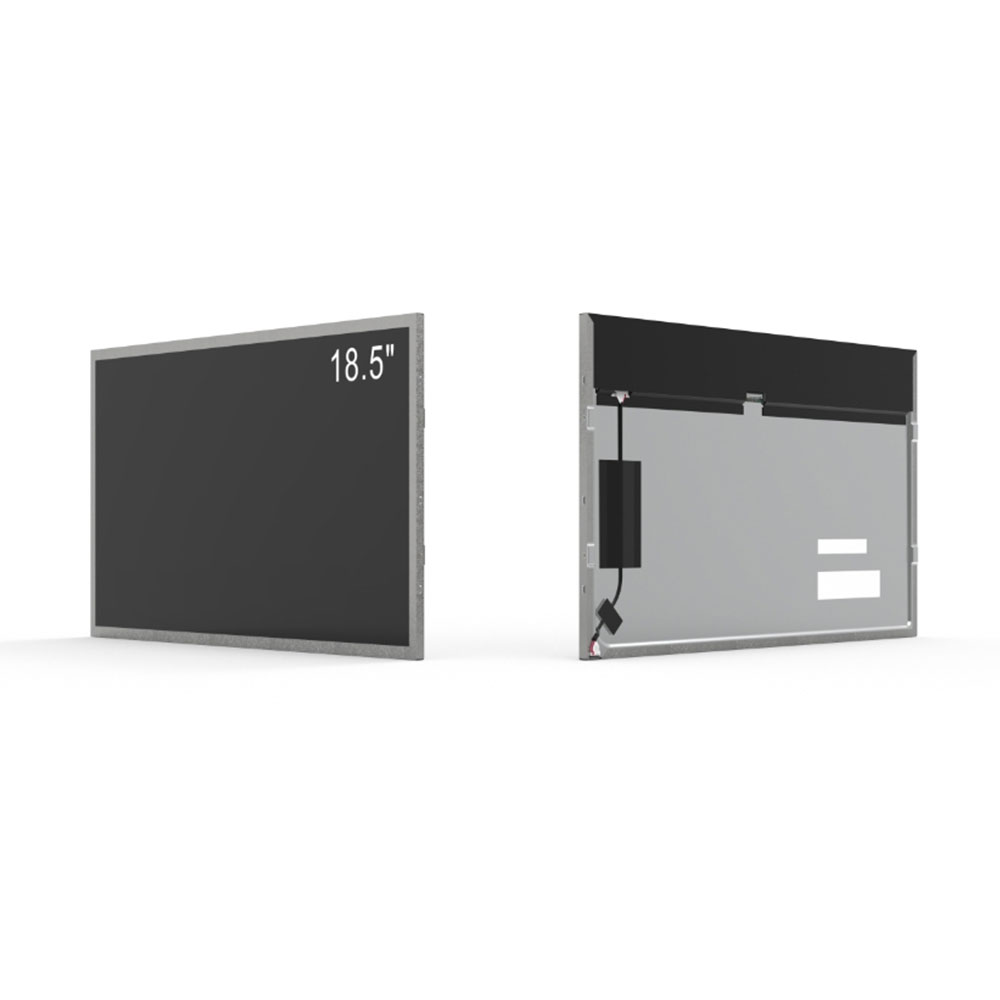
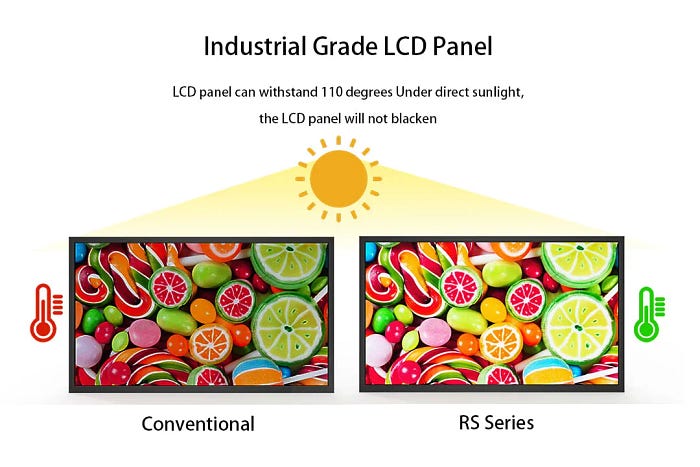
High-brightness sunlight-readable LCD screens have become indispensable in modern outdoor and industrial environments where visibility under direct sunlight is critical. These displays are engineered to maintain clarity, contrast, and color accuracy even in intense lighting conditions—such as those found on construction sites, military vehicles, agricultural machinery, and public transportation systems. Unlike standard LCDs that suffer from glare and washed-out images under bright sunlight, sunlight-readable displays employ advanced optical technologies like high-luminance backlighting (often exceeding 5,000 nits), anti-reflective coatings, and enhanced contrast ratios (typically above 1000:1).
A key practical application is in automotive dashboards, particularly for electric vehicles and off-road trucks, where drivers must read critical information while operating in direct sunlight. For example, Tesla’s latest models use sunlight-readable panels with adaptive brightness control to reduce eye strain and improve safety. Similarly, in defense applications—such as those used by the U.S. Army in field operations—sunlight-readable displays ensure mission-critical data remains visible during combat scenarios. According to a 2023 report by MarketsandMarkets, the global market for ruggedized display solutions, including sunlight-readable LCDs, is projected to grow at a CAGR of 7.6% through 2028, driven by demand from military, aerospace, and industrial automation sectors.
One major advantage of these screens is their energy efficiency when paired with LED backlights and intelligent power management systems. Some manufacturers now integrate ambient light sensors that dynamically adjust brightness based on environmental conditions, reducing power consumption by up to 40% compared to fixed-output systems. Additionally, they often feature wide viewing angles (up to 178°) and support for touch interfaces—even with gloves or in wet conditions—making them ideal for harsh environments.
Despite their benefits, common problems persist, including heat buildup in enclosed systems and limited color gamut due to high brightness requirements. Manufacturers address this through thermal management solutions such as passive heatsinks and low-power OLED alternatives. Another challenge is cost; high-brightness LCDs can be 2–3 times more expensive than standard displays. However, total cost of ownership improves due to reduced maintenance, longer lifespan, and better user productivity.
The latest trend is the integration of micro-LED technology into sunlight-readable displays. Companies like Apple and Samsung are testing micro-LED modules that offer superior brightness (>10,000 nits), lower power draw, and higher durability than traditional LCDs. This shift aligns with industry demands for next-generation displays in autonomous vehicles and AR/VR headsets used in outdoor settings.
In summary, high-brightness sunlight-readable LCD screens represent a convergence of optical engineering, materials science, and smart electronics. Their ability to deliver reliable performance in extreme conditions makes them essential across industries—from agriculture to defense—and continuous innovation ensures they will remain a core component of future outdoor and industrial human-machine interfaces.