RisingStar
- Home
- About Us
- Products
- News
- Video
- Contact
- Send Inquiry
Search
- Home
- About Us
- Products
- News
- Video
- Contact
- Send Inquiry
RisingStar
High-brightness sunlight-readable LCD screens have become a critical component in modern outdoor electronic systems, particularly in industries such as defense, transportation, medical devices, and industrial automation. These displays are engineered to maintain visibility under extreme lighting conditions—ranging from direct sunlight (up to 10,000 lux) to low-light environments—without compromising clarity or user experience. Unlike standard LCDs, which suffer from poor contrast and washed-out images in bright daylight, sunlight-readable displays incorporate advanced optical and material innovations to ensure consistent performance across diverse environments.
The core technology behind these screens lies in their high luminance output—typically 3,000 to 5,000 cd/m² (candela per square meter)—which far exceeds the 250–500 cd/m² range of typical indoor displays. This is achieved through optimized backlighting systems, often using LED arrays with precise current control and thermal management. Additionally, anti-reflective coatings and polarized filters reduce glare and improve contrast ratios by up to 10x compared to conventional displays. Some models also integrate ambient light sensors that dynamically adjust brightness based on real-time environmental conditions, enhancing both readability and energy efficiency.
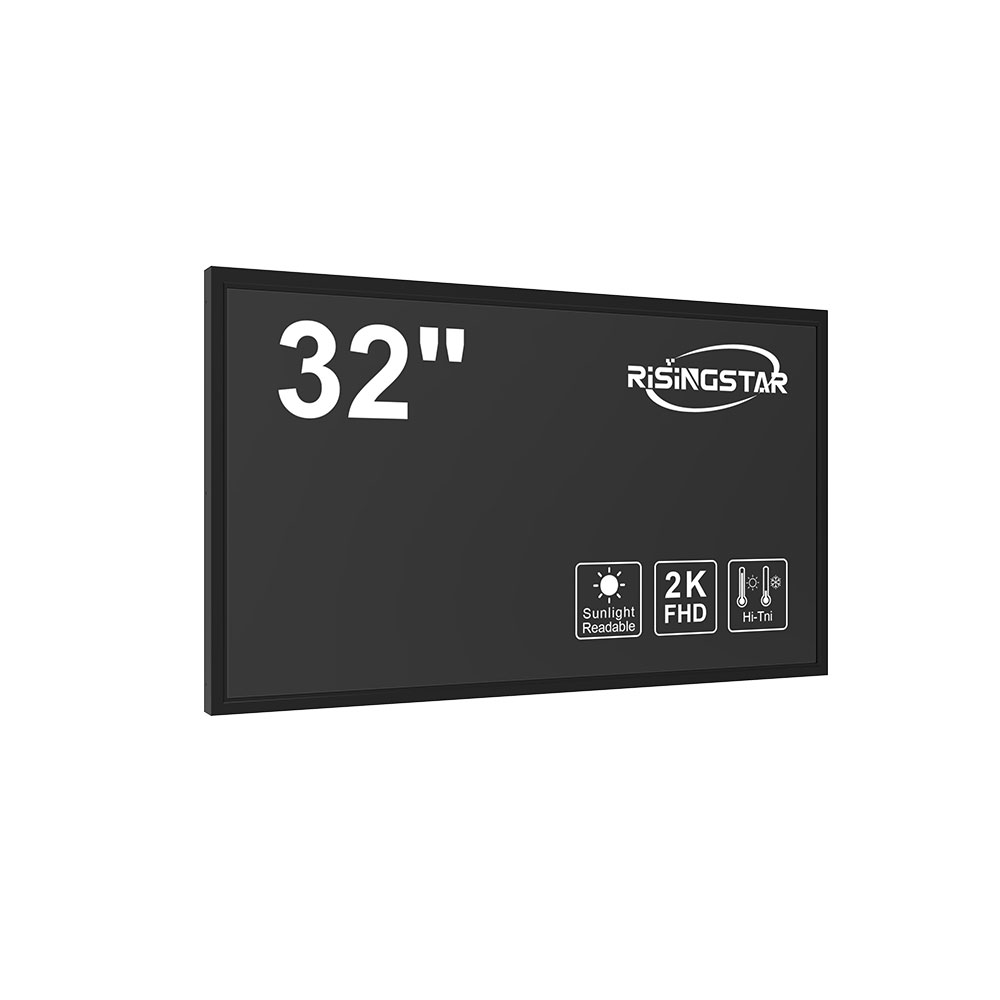
In military applications, such as vehicle-mounted command consoles or handheld tactical devices, these screens must comply with stringent standards like MIL-STD-810G for shock, vibration, and temperature resistance. For instance, the U.S. Army’s Joint Tactical Radio System (JTRS) relies heavily on sunlight-readable LCDs for mission-critical communications in desert and jungle terrains. Similarly, in public transport systems like buses and trains, manufacturers like Siemens and Alstom use these displays in passenger information systems to ensure clear visibility during daylight hours, improving safety and user satisfaction.
Case studies from the automotive industry further demonstrate the value of this technology. Tesla’s Model S dashboard display, upgraded to a 4,000 cd/m² sunlight-readable panel, allows drivers to view navigation and vehicle diagnostics clearly even under direct sun exposure—a common challenge in hot climates like Dubai or Arizona. In healthcare, portable diagnostic devices used in field clinics benefit from high-brightness displays that remain readable in open-air settings, enabling timely patient assessments without reliance on controlled lighting.
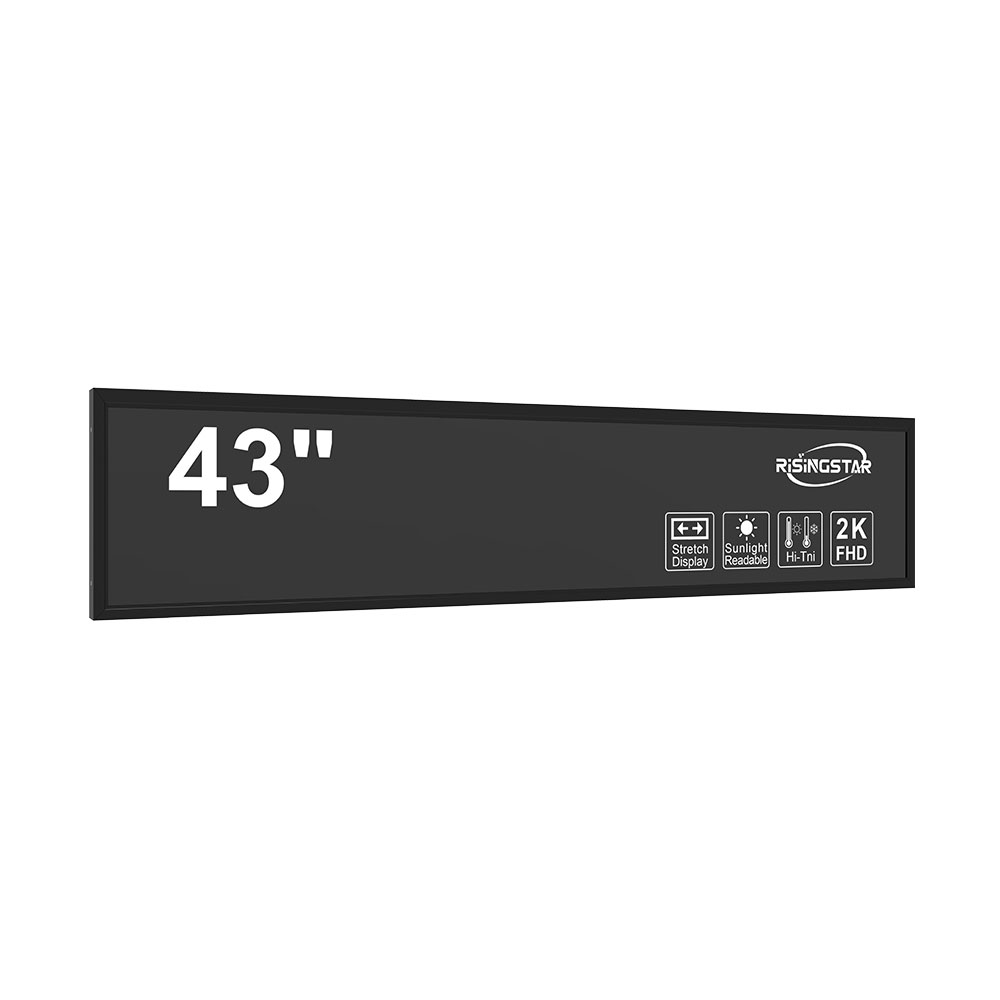
Manufacturers such as E Ink, LG Display, and Sharp have invested significantly in research and development to push the boundaries of this technology. Recent innovations include the integration of micro-LED backlights and quantum dot-enhanced color gamut for better image quality in extreme temperatures (-30°C to +70°C). These advancements not only improve usability but also extend device lifespan in harsh conditions.
From an engineering standpoint, achieving true sunlight readability involves balancing power consumption, thermal design, and optical performance. For example, a well-designed display may consume up to 30% less power through intelligent dimming algorithms while maintaining peak brightness when needed. This makes them ideal for battery-powered systems such as drones, remote sensors, and wearable tech.
As global demand grows for robust, reliable, and visually intuitive outdoor interfaces—from smart city infrastructure to agricultural monitoring systems—the evolution of high-brightness sunlight-readable LCDs will continue to play a pivotal role in bridging the gap between digital functionality and real-world usability.