RisingStar는
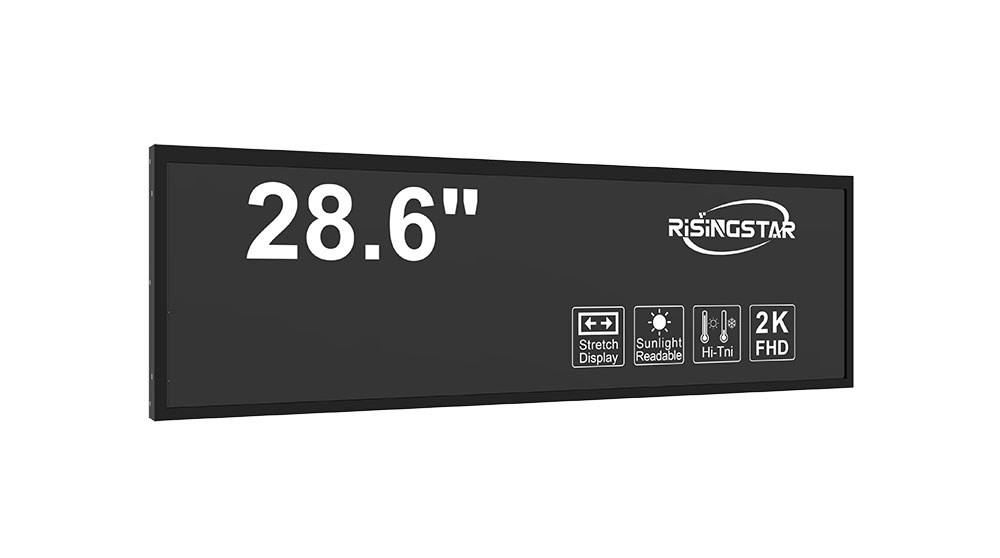
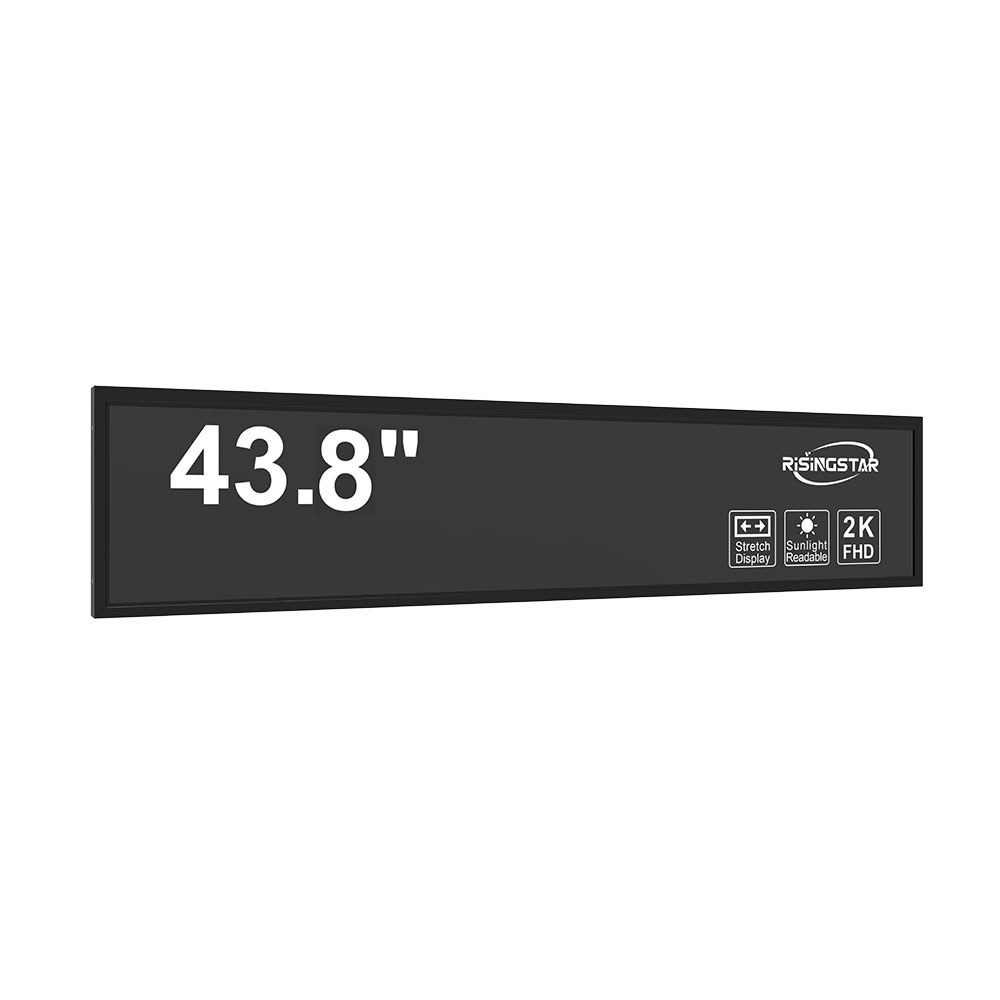
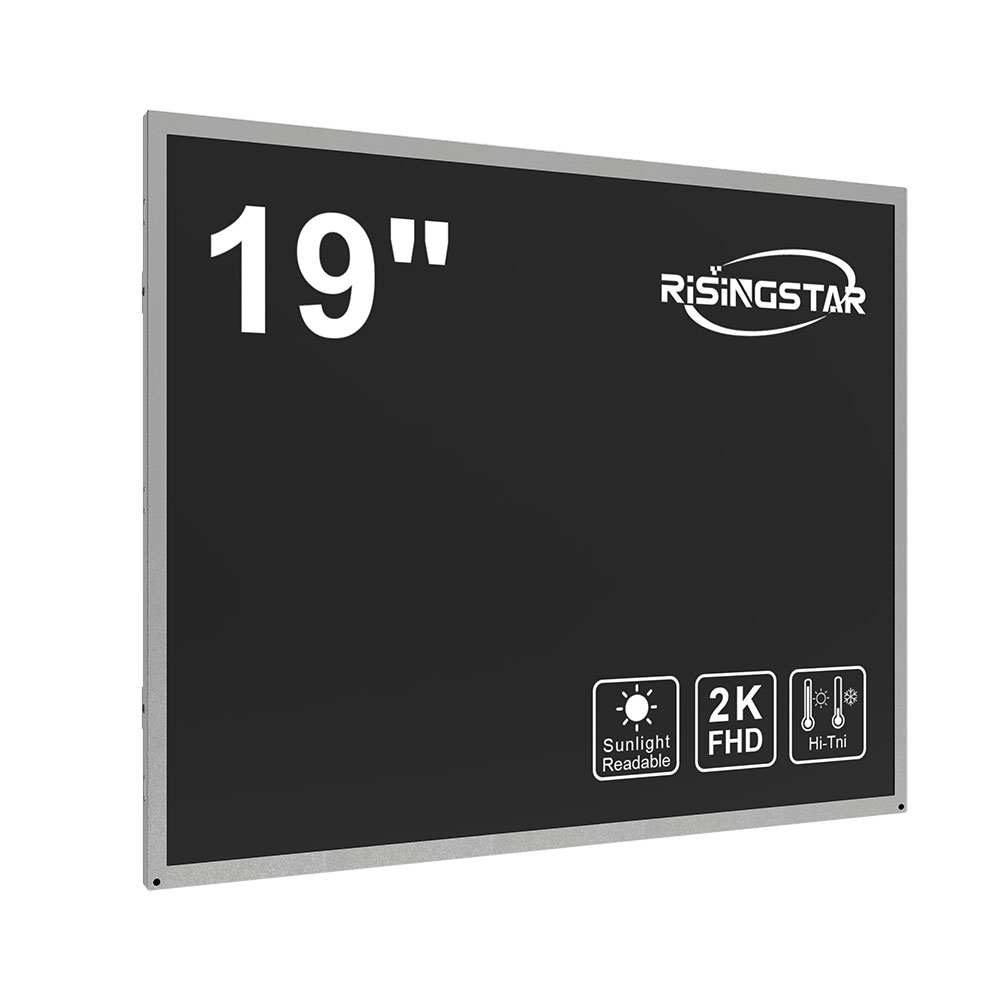
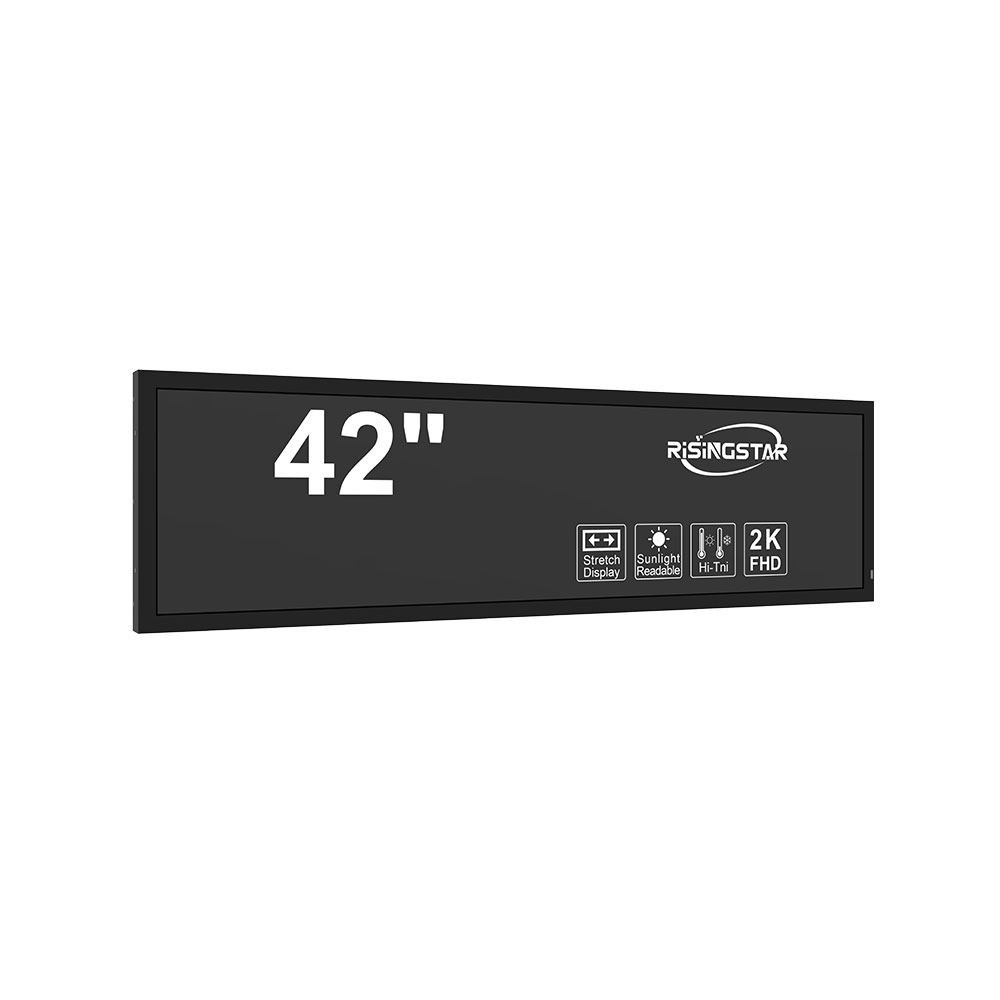
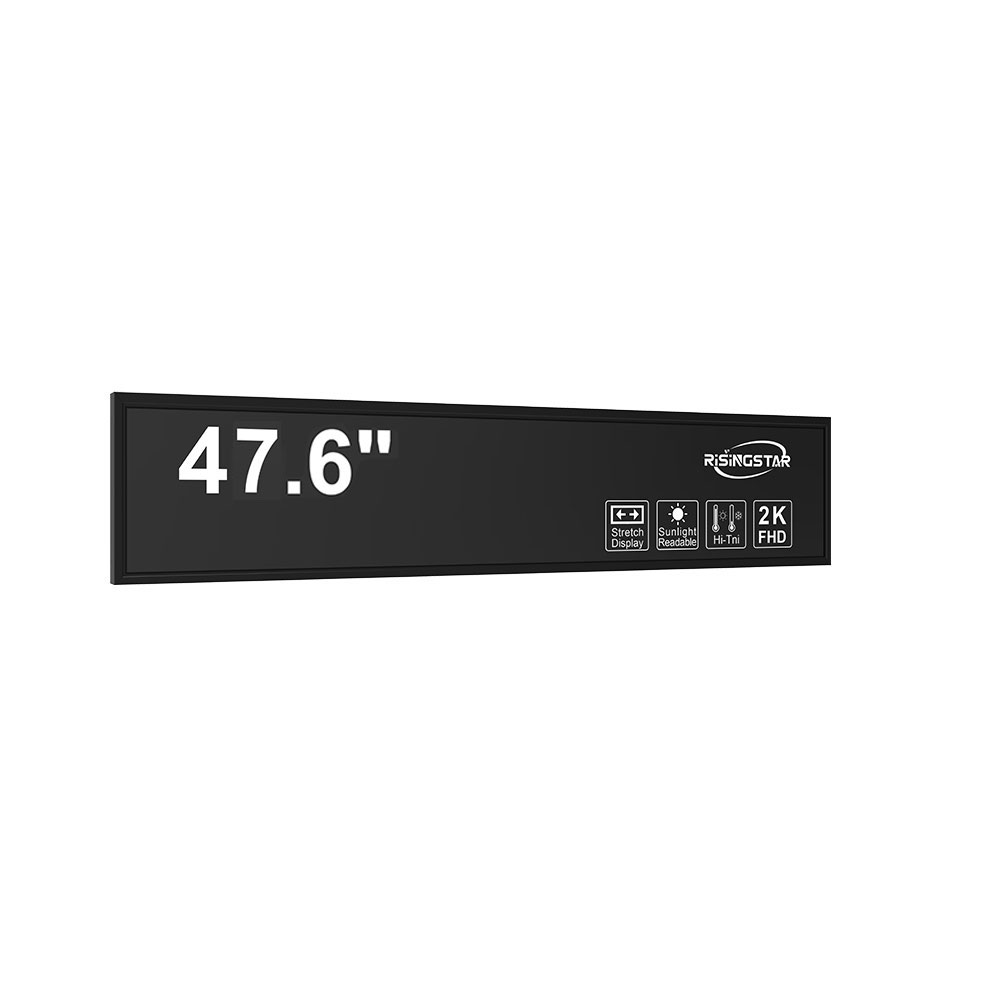
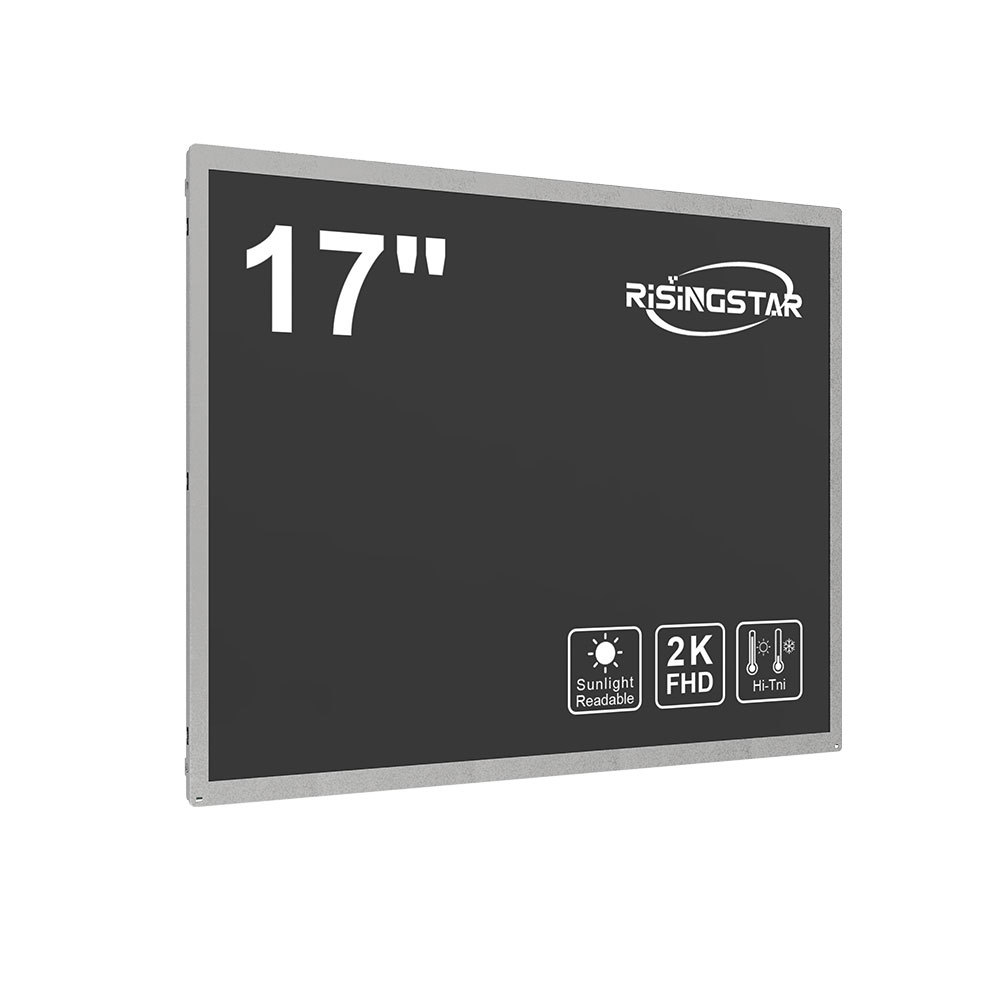
High-brightness, sunlight-readable LCD displays are essential in modern outdoor and transit environments where visibility under direct sunlight is non-negotiable. These advanced displays combine high peak luminance (typically 5,000 to 10,000 cd/m²), anti-glare coatings, and adaptive brightness control to ensure clear, readable content regardless of ambient lighting conditions. Unlike standard indoor LCDs that often become unusable in bright daylight, these specialized screens use technologies such as high-efficiency LED backlighting, polarized glass, and reflective or transmissive liquid crystal layers to optimize contrast and color accuracy even under intense solar radiation.
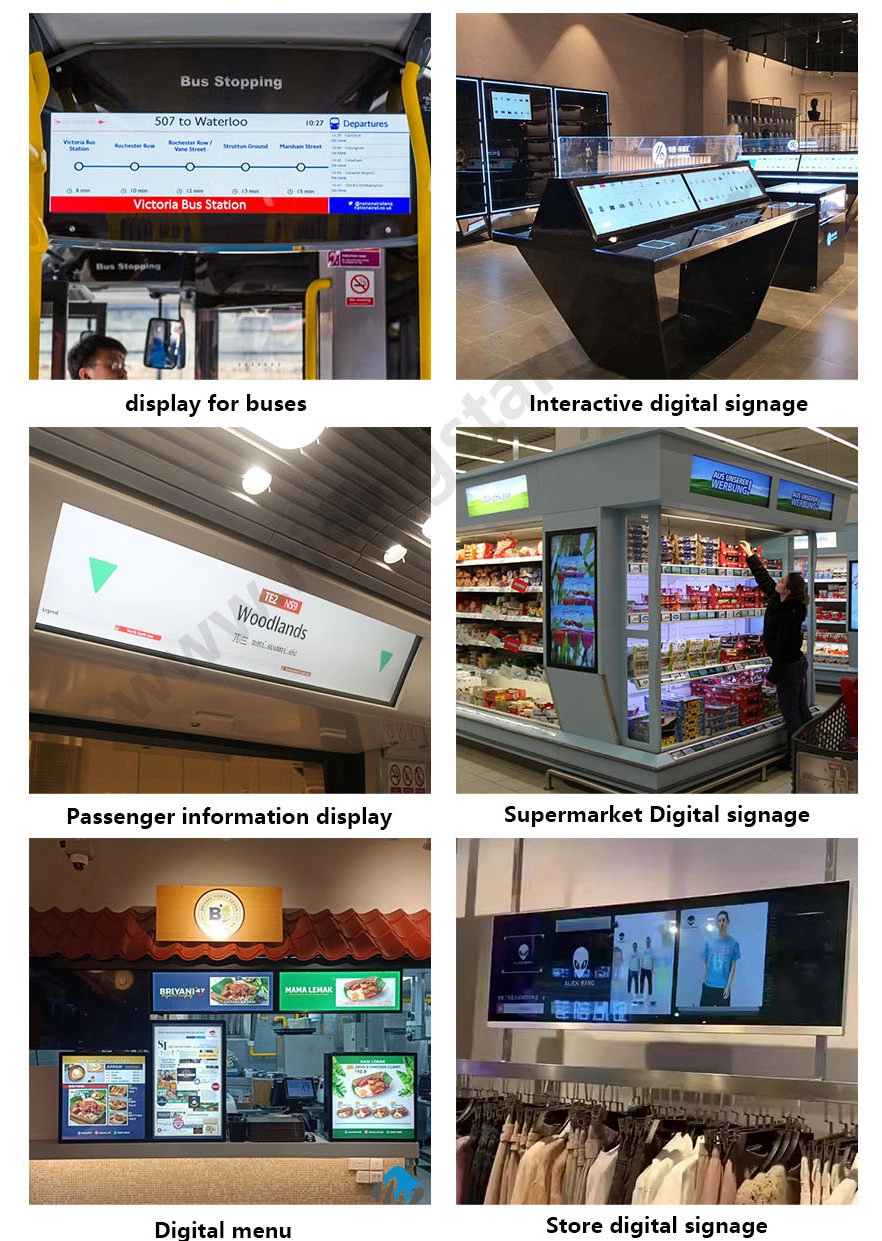
In railway and public transportation systems—including buses, trains, subways, and intercity rail—the reliability and clarity of passenger information displays (PIDs) directly impact safety, operational efficiency, and user experience. For example, Japan’s Shinkansen bullet trains and London Underground’s digital signage utilize sunlight-readable panels that maintain readability at 7,000+ nits, reducing miscommunication during peak hours or emergency evacuations. Similarly, EV charging kiosks and gas pumps require robust display solutions that function reliably in harsh weather—sunlight, rain, or extreme temperatures—ensuring seamless user interaction without screen degradation.
Outdoor digital signage in retail, real estate, and urban environments benefits significantly from these displays. In shopping malls like Dubai Mall or Times Square, digital billboards with high-brightness capabilities attract attention without flicker or color distortion, even at noon. Real estate agencies now deploy these screens for virtual property tours in open-air showrooms, enhancing engagement by showcasing 4K videos and dynamic floor plans. Retailers such as Walmart and Target use them for price updates and promotions in parking lots or near store entrances, achieving up to 90% higher engagement compared to traditional paper signage.
The engineering behind these displays includes not only hardware innovations but also software integration. Adaptive brightness algorithms adjust output based on real-time ambient light sensors, conserving energy while maintaining optimal visibility. Additionally, ruggedized housings with IP65 or higher ratings protect against dust, water ingress, and mechanical shock—critical for installations in high-traffic areas. Industry standards such as MIL-STD-810G and IEC 60068 define environmental durability, ensuring long-term performance in outdoor applications.
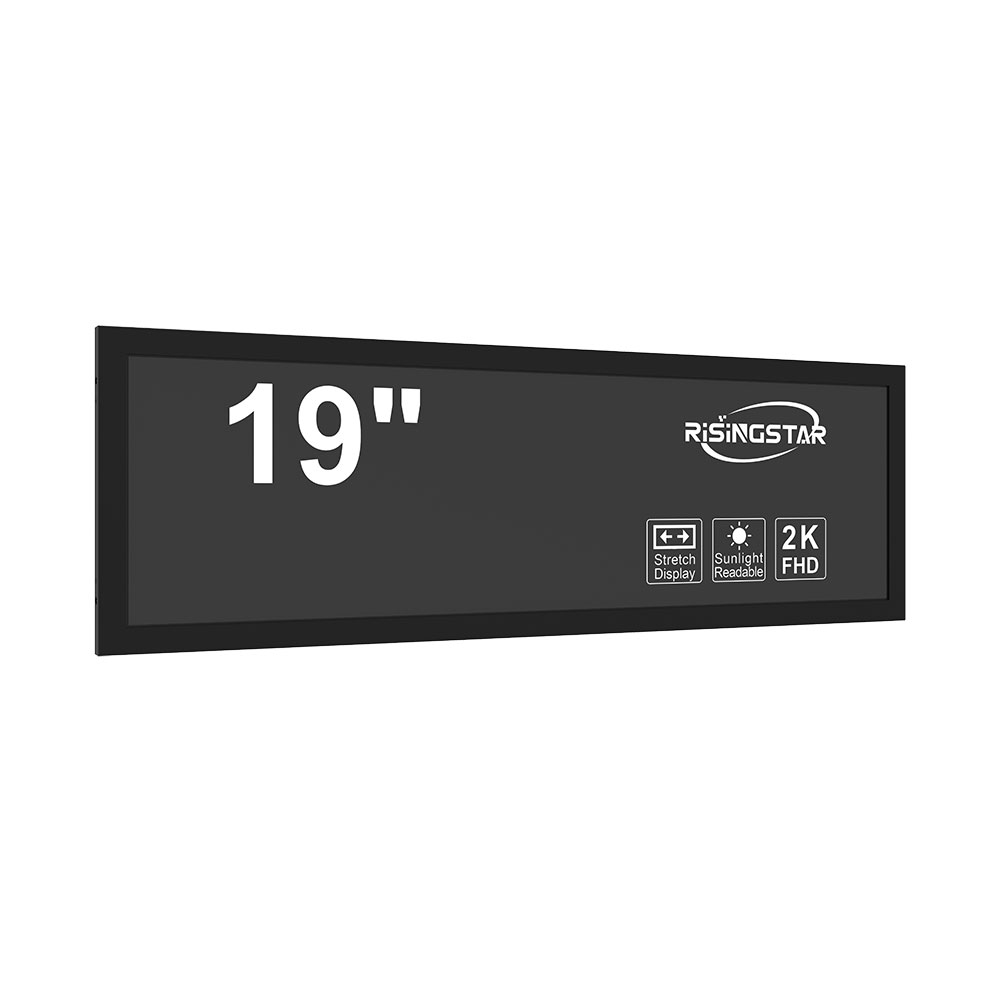
As demand grows for smarter cities and more connected infrastructure, the adoption of sunlight-readable LCDs will continue to rise across sectors—from transit hubs to electric vehicle ecosystems. The future lies in intelligent, energy-efficient, and visually reliable displays that serve both functional and aesthetic purposes, making them indispensable in today’s outdoor and mobile-first world.

2026-04-08

2025-07-31
2026-04-08
2025-07-31