RisingStar는
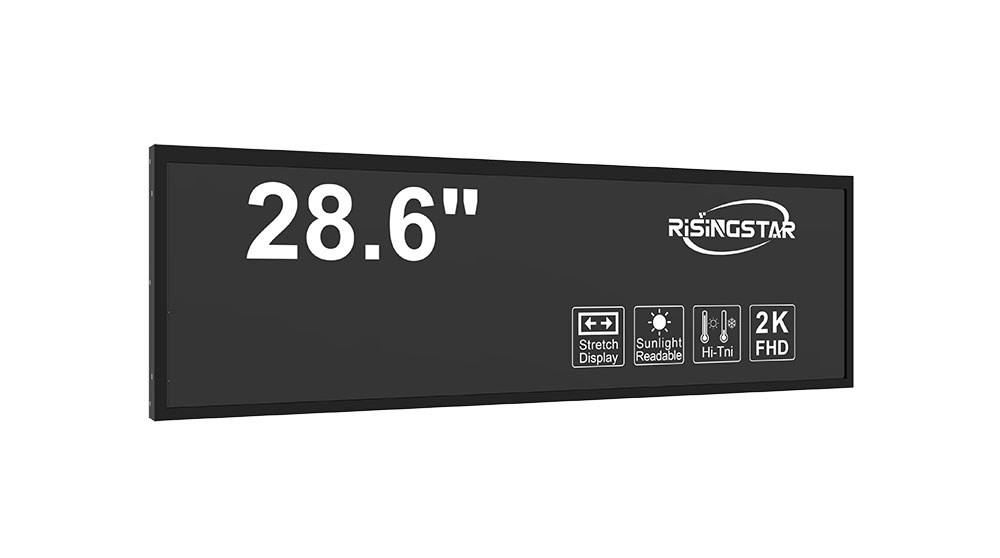
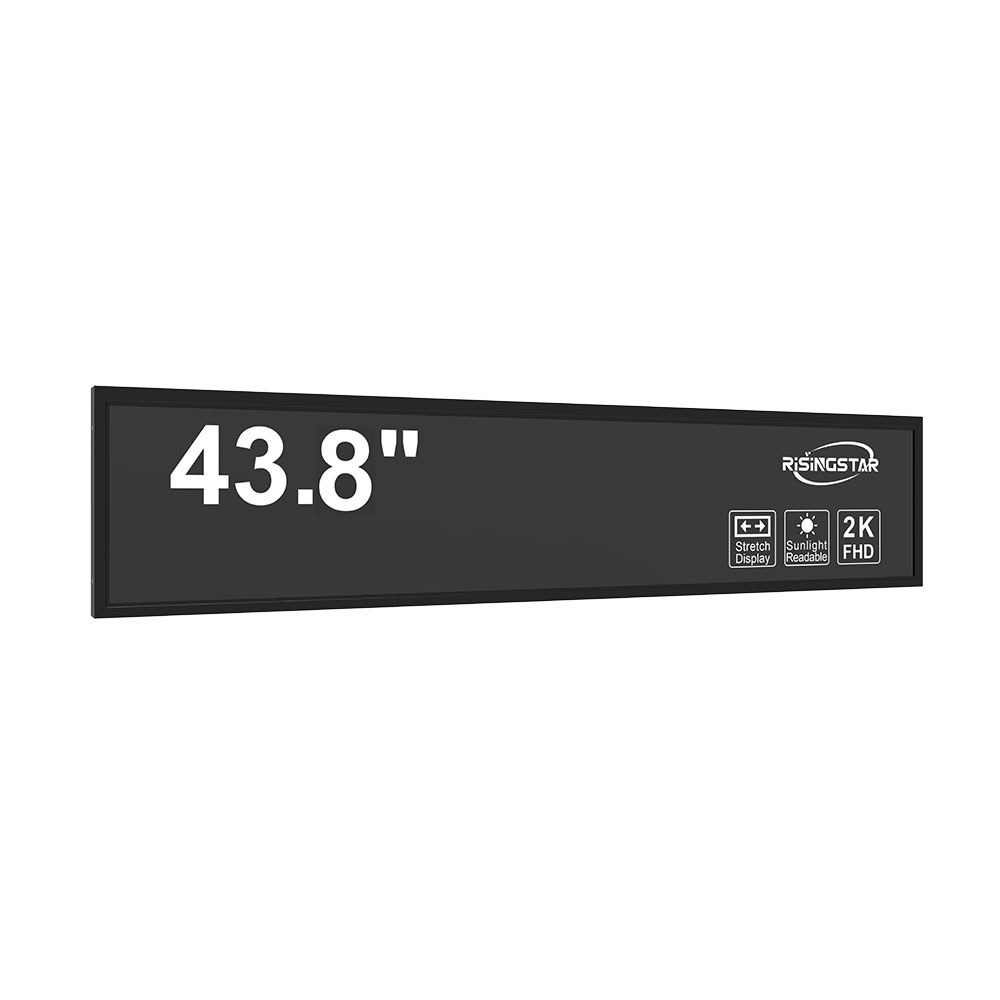
High-brightness sunlight-readable LCD screens are essential in environments where visibility under direct sunlight is critical—such as military command centers, outdoor construction sites, transportation systems (e.g., buses, trains, and aircraft), and industrial control panels. These displays must deliver excellent contrast, high peak brightness (typically 5,000 to 10,000 nits or more), and robust anti-glare properties to ensure legibility even in harsh lighting conditions. With the growing demand for higher resolution and sharper image clarity in professional settings, manufacturers now offer 2K (2560x1440) and 4K (3840x2160) resolution options in sunlight-readable LCDs—balancing visual precision with environmental resilience.
The integration of 2K and 4K resolutions into high-brightness displays significantly enhances usability in complex data visualization tasks such as GIS mapping, medical imaging, and real-time diagnostics in field operations. For instance, a 4K sunlight-readable screen can display full HD video streams from drones or surveillance cameras on-site without pixelation or loss of detail—a crucial advantage in defense and emergency response scenarios. According to industry reports from Display Supply Chain Consultants (DSCC), global demand for high-brightness LCDs has grown by over 12% annually since 2020, driven by the need for ruggedized, high-resolution displays in mobile and outdoor platforms.
These advanced screens use specialized technologies like transflective liquid crystal cells, dual-layer polarizers, and advanced LED backlighting systems to maintain performance in extreme temperatures (-20°C to +70°C). Some models incorporate ambient light sensors that dynamically adjust brightness based on environmental lighting, optimizing power consumption while preserving readability. The inclusion of 2K and 4K resolutions not only improves user experience but also supports compliance with international standards such as MIL-STD-810G (military durability), IP65/IP67 (dust and water resistance), and EN 60950 (electrical safety).
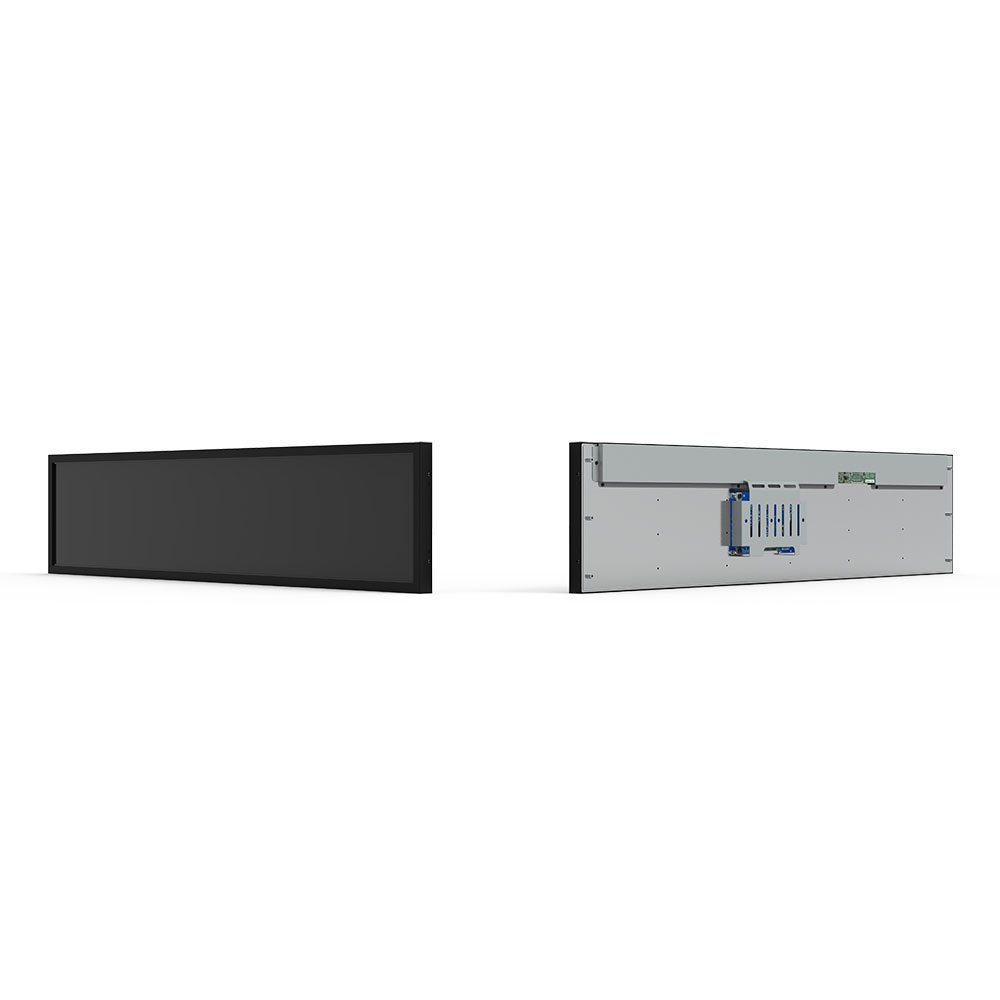
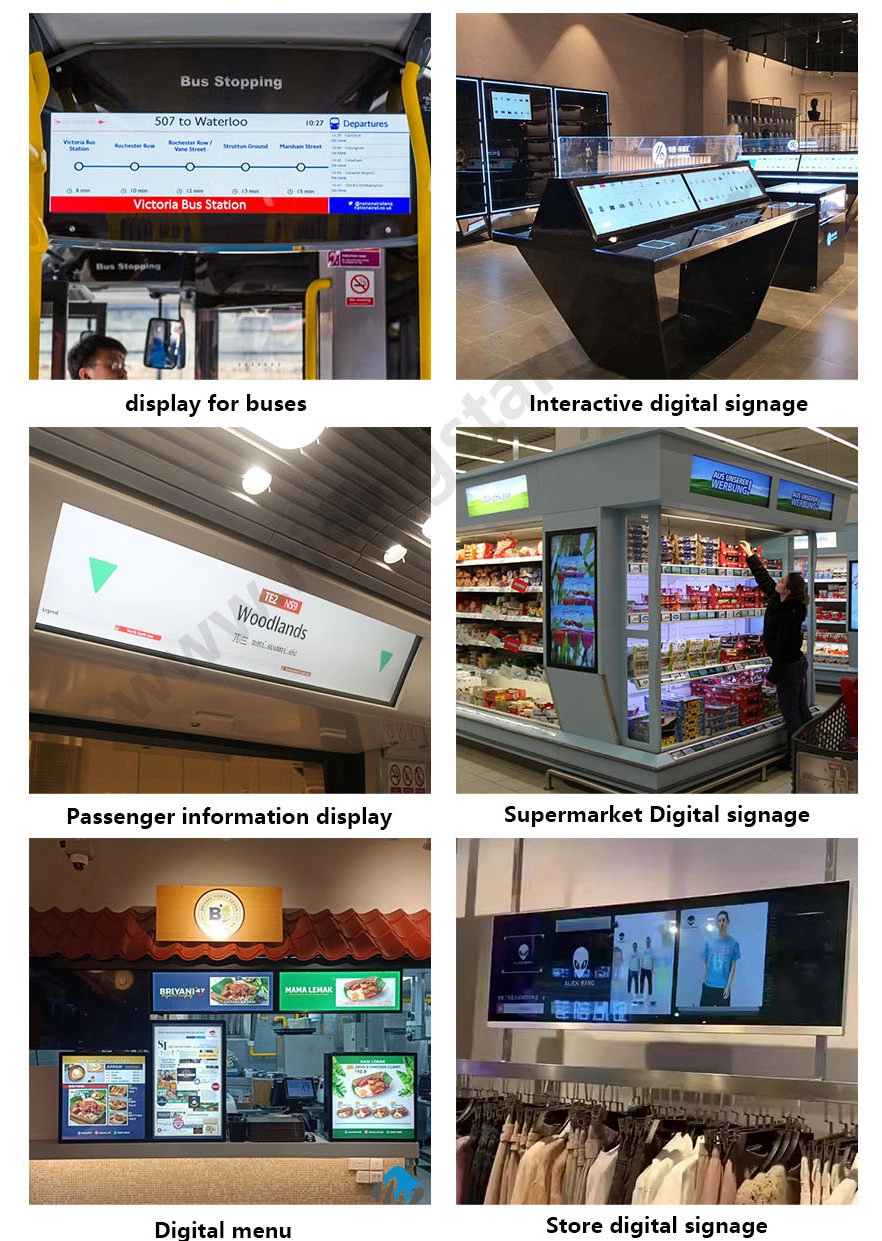
In commercial applications, such as automotive dashboards, retail kiosks, and public transit information displays, 4K resolution ensures crisp text rendering and smooth animations—even under bright midday sun. Case studies from companies like Crystalfontz and LG Electronics demonstrate that 4K sunlight-readable displays reduce operator fatigue and increase task accuracy in field maintenance operations, particularly when reading complex schematics or digital checklists. Additionally, the transition from standard 1080p to 2K or 4K resolution enables better scaling for multi-display setups in control rooms, where multiple feeds must be monitored simultaneously.
Manufacturers increasingly leverage OLED and mini-LED backlight technologies alongside traditional LCDs to improve contrast ratios and energy efficiency. Mini-LED backlights, for example, allow local dimming zones that enhance black levels and dynamic range—making 4K content appear more vivid under sunlight. As per a 2023 report by MarketsandMarkets, the global market for high-brightness LCDs is projected to exceed $15 billion by 2028, with resolution upgrades playing a key role in driving innovation and adoption.
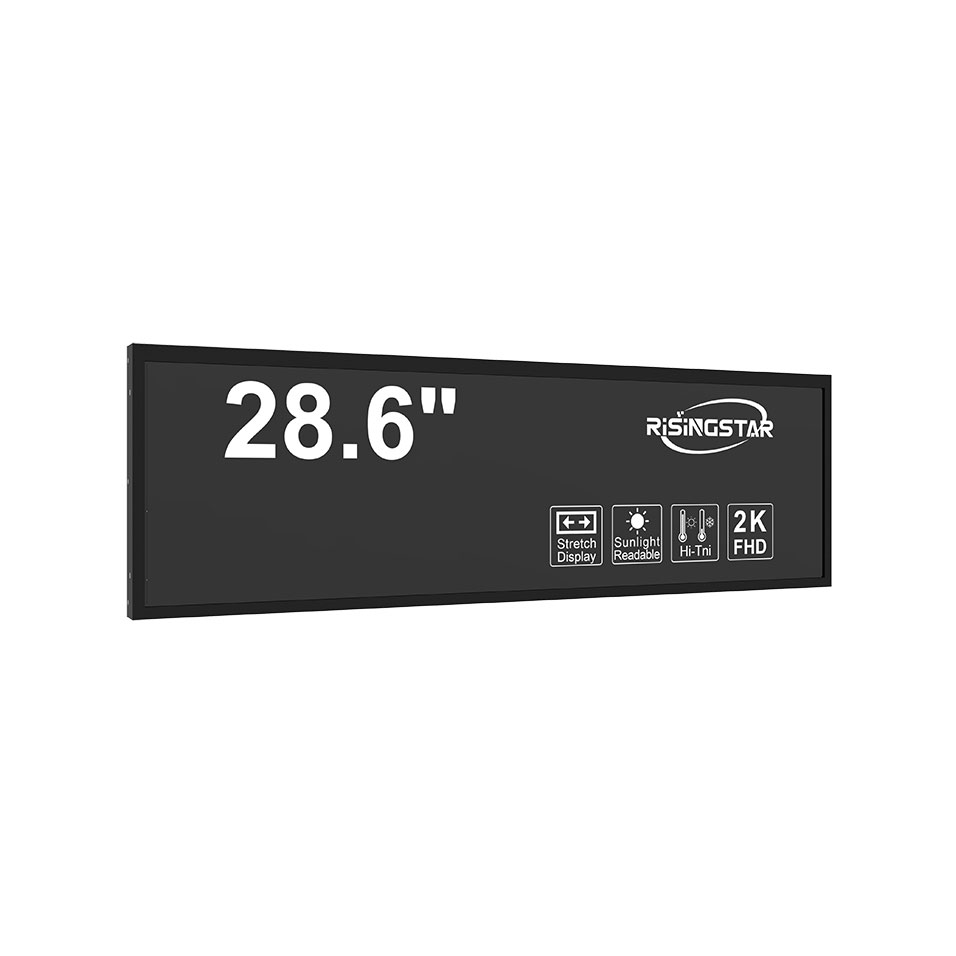
Ultimately, choosing between 2K and 4K options depends on the specific application’s needs: 2K offers an ideal balance of performance and cost for most industrial and mobile uses, while 4K is preferred in mission-critical sectors requiring ultra-high detail and scalability. Whether deployed in aerospace, healthcare, or infrastructure management, modern sunlight-readable LCDs with 2K/4K capabilities represent a fusion of engineering excellence, human-centered design, and operational reliability.

2026-04-08

2025-07-31
2026-04-08
2025-07-31