RisingStar는
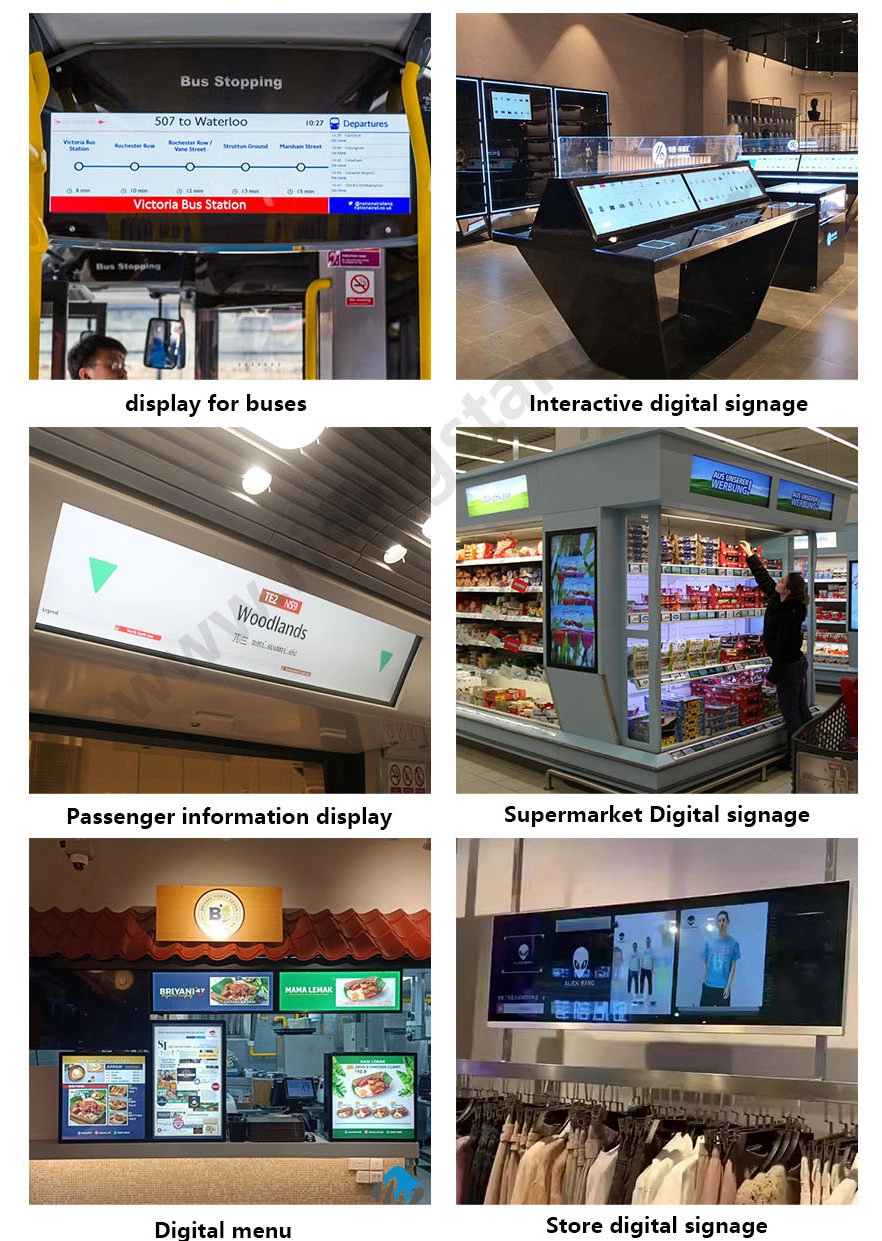
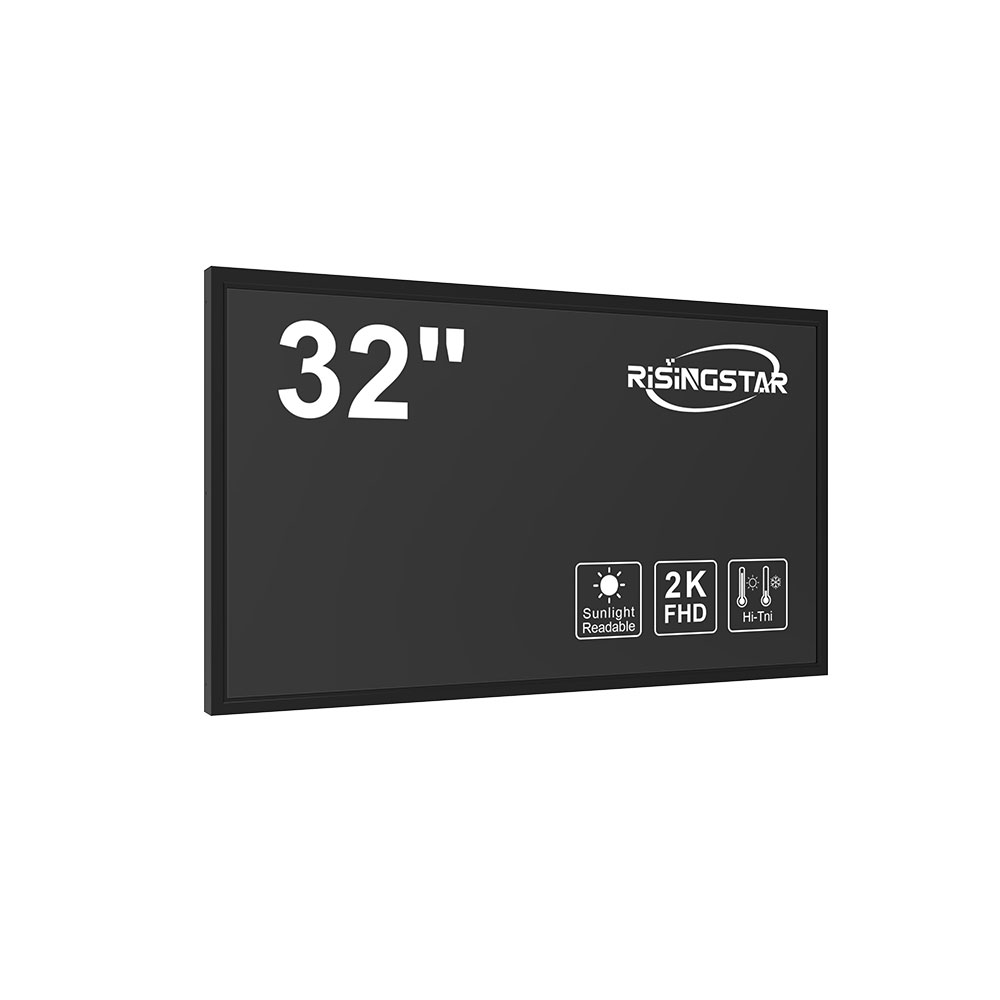
In today’s increasingly connected and mobile-driven world, high-brightness sunlight-readable LCD screens have become indispensable across industries such as transportation, military, medical, and industrial automation. These displays are engineered to maintain clarity, contrast, and usability even under direct sunlight—conditions that conventional LCDs fail to handle effectively. This article explores the core technologies, performance standards, real-world applications, and design considerations behind modern high-brightness sunlight-readable LCDs, ensuring professionals in engineering, product design, and procurement can make informed decisions.
What Makes a Display Sunlight-Readable?
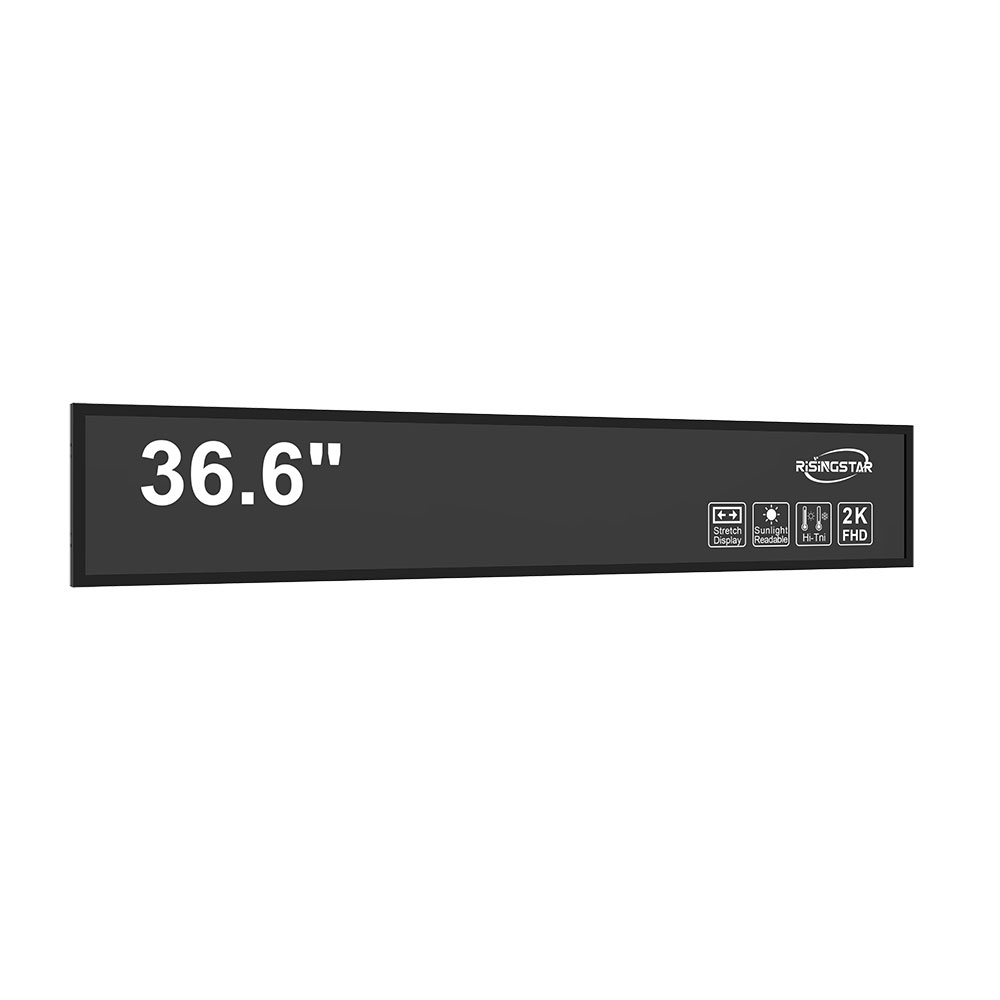
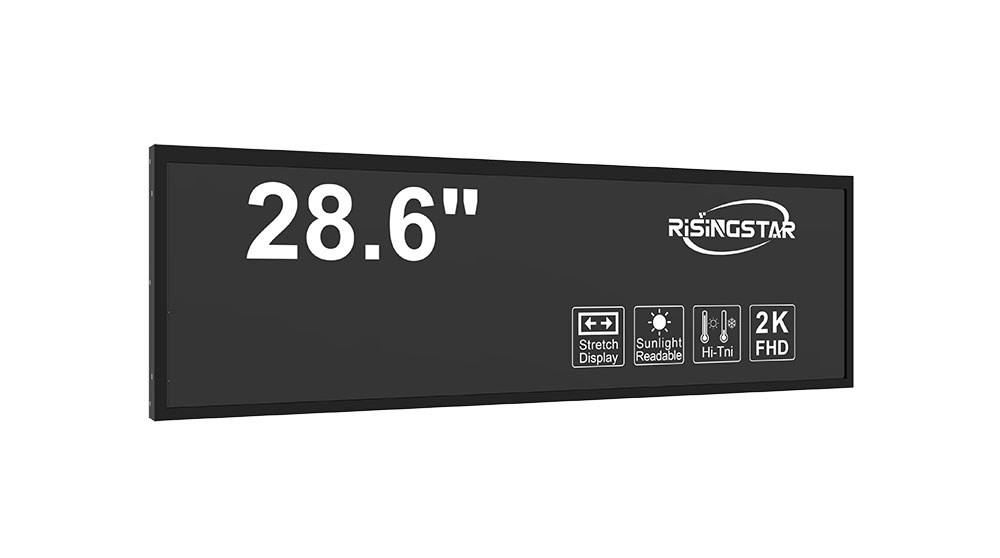
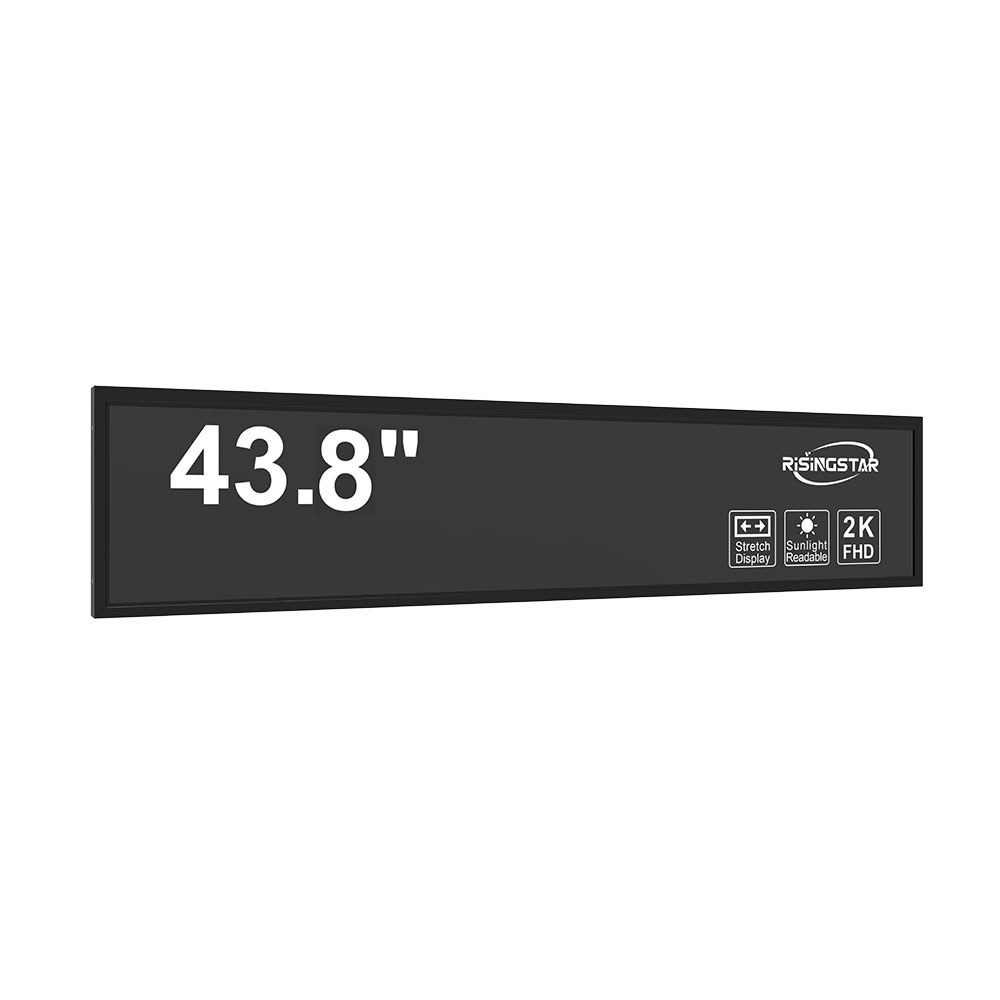
Sunlight readability is achieved not just by increasing brightness but through an integrated combination of optical, electrical, and mechanical enhancements. Standard indoor LCDs typically offer 250–400 nits of brightness, which drops dramatically in outdoor sunlight where ambient light can exceed 10,000 nits. To counter this, sunlight-readable displays use specialized techniques like:
- High Luminance Backlighting: Using LED arrays with output exceeding 5,000 nits (some models reach up to 10,000 nits), these backlights ensure the screen remains visible under extreme conditions.
- Anti-Reflective Coatings: Multi-layer coatings reduce glare and increase contrast ratio, often achieving >1000:1 contrast even in full sun.
- Polarized Filters and Transflective Modes: Transflective LCDs combine transmissive (for indoor use) and reflective (for outdoor daylight) properties, optimizing power efficiency while maintaining visibility.
- Enhanced Contrast Optimization: Advanced pixel-level control algorithms improve black levels and color accuracy under variable lighting.
According to IEEE standards (IEEE 1789-2013), outdoor display systems must be tested under ISO 9241-302 guidelines to verify readability in real-world scenarios, including dynamic lighting changes and viewing angles up to 70°.
Industry Applications and Case Studies
The demand for high-brightness sunlight-readable LCDs has surged in several sectors:
- Transportation: In aviation, military vehicles, and public transit, such displays enable clear visibility during mission-critical operations. For example, Honeywell’s avionics displays operate at 10,000 nits in aircraft cockpits, meeting DO-160G environmental certification requirements.
- Medical Devices: Portable ultrasound machines and emergency field units require robust displays. Philips’ portable cardiac monitors use transflective technology to deliver reliable diagnostics in both hospital and field settings.
- Industrial Automation: Factory floor controls and robotics rely on durable, readable screens. Siemens’ HMI panels, rated IP65 and compliant with EN 60068-2-14 (vibration resistance), remain functional in dusty, bright environments.
These case studies show that success lies in selecting displays that meet both performance and environmental durability standards—not just raw brightness.
Key Design Considerations for Engineers
When integrating sunlight-readable LCDs into products, engineers must consider:
- Power Efficiency: High-brightness LEDs consume more energy. Solutions include adaptive brightness control based on ambient light sensors (e.g., using photodiodes or ambient light detection ICs).
- Thermal Management: Increased brightness generates heat. Effective heat dissipation via thermal pads, heatsinks, or active cooling (in industrial models) prevents overheating and extends lifespan.
- Durability Standards: Look for IP65/IP67 ratings for dust/water resistance and MIL-STD-810H for shock/vibration resilience.
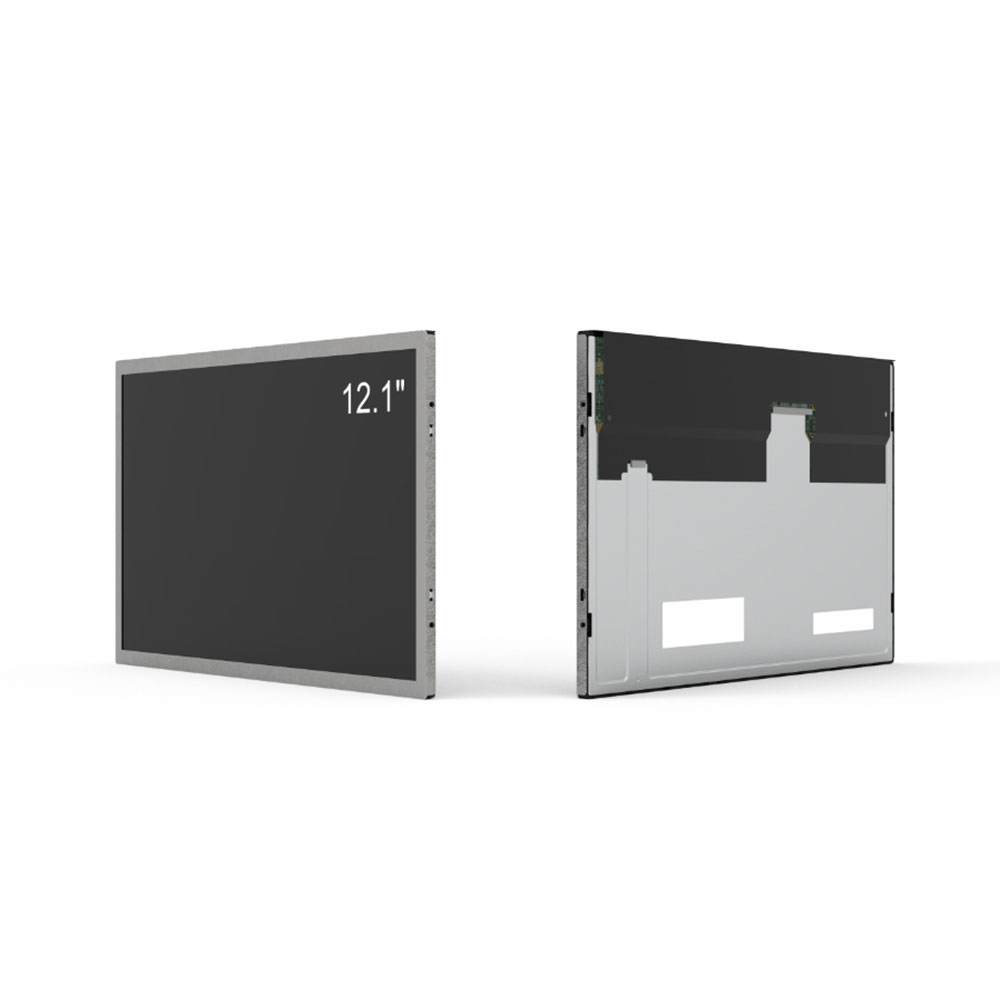
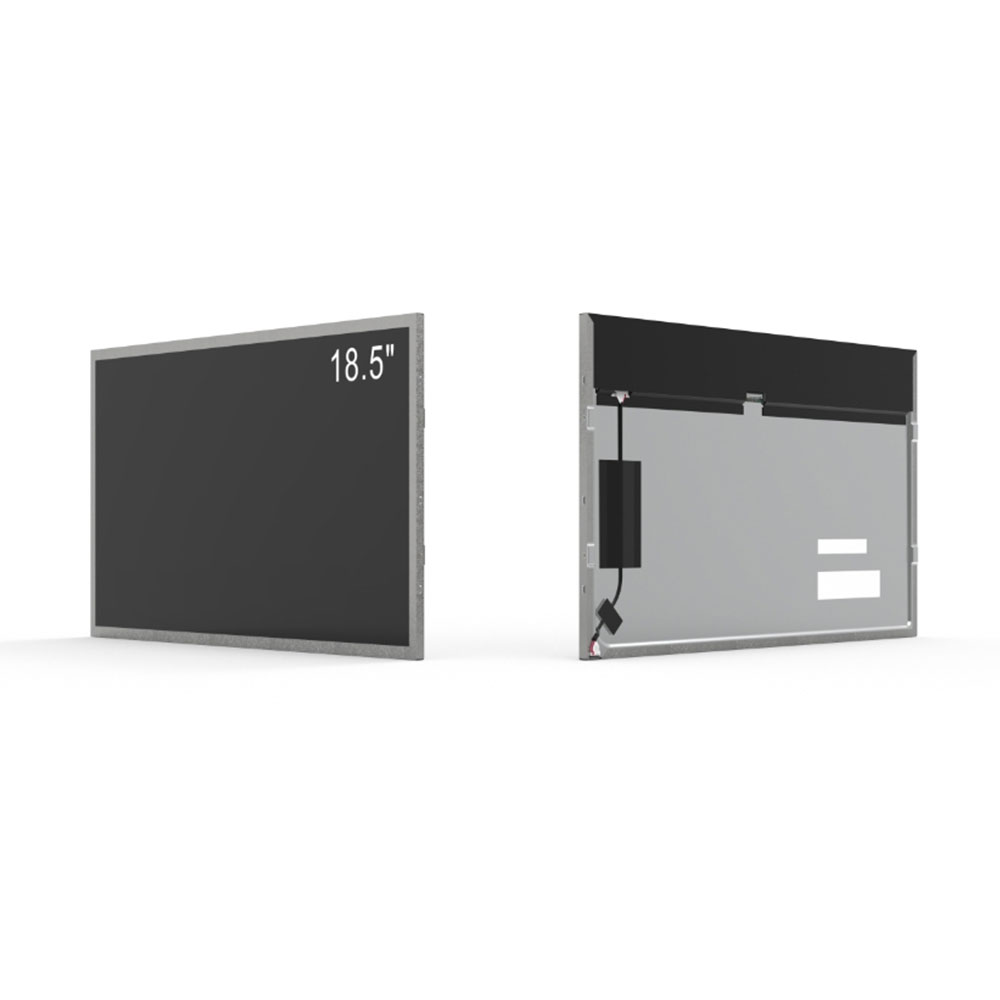
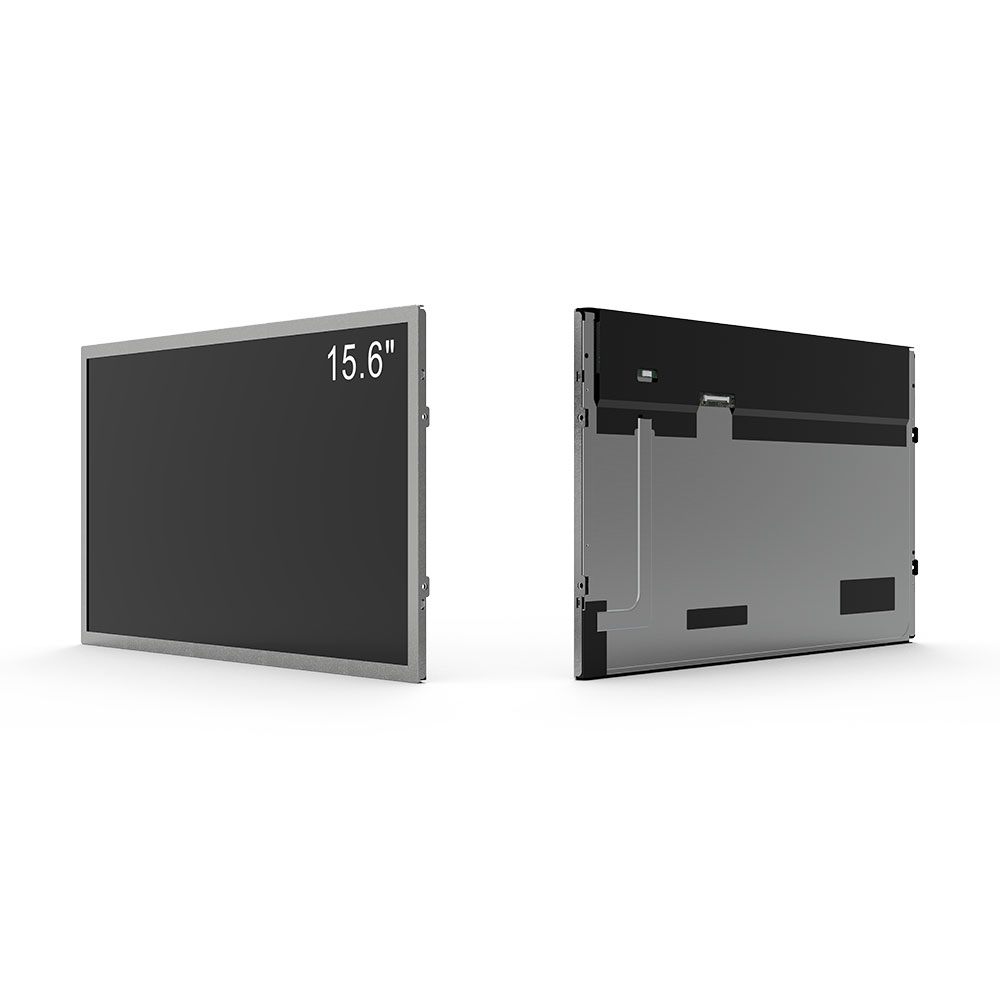
- Display Size and Resolution: Larger displays (e.g., 15–24 inches) need higher total luminance output, making backlight uniformity critical to avoid hotspots.
Future Trends in Sunlight-Readable Displays
Emerging technologies such as micro-LED and quantum dot (QD) LCDs promise even better performance. Micro-LEDs offer superior brightness (up to 15,000 nits) and lower power consumption, while QD-LCDs enhance color gamut and efficiency. According to Display Week 2023 reports, next-generation displays will leverage AI-driven brightness adjustment and edge-to-edge anti-glare treatments.
In conclusion, choosing the right high-brightness sunlight-readable LCD requires a holistic approach—balancing technical specs, application context, and long-term reliability. Whether designing for defense, healthcare, or industrial IoT, understanding the interplay between luminance, contrast, durability, and environmental compliance ensures optimal user experience in any lighting condition.

2026-04-08

2025-07-31
2026-04-08
2025-07-31