RisingStar
- Home
- About Us
- Products
- News
- Video
- Contact
- Send Inquiry
Search
- Home
- About Us
- Products
- News
- Video
- Contact
- Send Inquiry
RisingStar
High-brightness sunlight-readable LCD screens have become indispensable in modern outdoor and industrial environments where visibility under direct sunlight is critical. These displays are engineered to deliver exceptional clarity, contrast, and color accuracy even under extreme lighting conditions—such as bright daylight, high ambient temperatures, and harsh weather. Unlike standard LCDs that often appear washed out or invisible under sunlight, sunlight-readable displays employ advanced optical and backlighting technologies to ensure consistent readability.
One of the core innovations in this field is the use of high-luminance LED backlights, typically rated at 5,000 to 10,000 nits or more. For context, a typical indoor LCD emits around 300–500 nits, while a sunlight-readable display must exceed 1,000 nits to remain legible outdoors. According to the Society for Information Display (SID), displays with brightness above 2,000 nits are considered truly effective in full sun conditions. Manufacturers like Sharp, LG Display, and Japan Display Inc. (JDI) have developed proprietary techniques such as micro-lens arrays and polarization-enhanced light guides to maximize light extraction efficiency from the backlight unit.
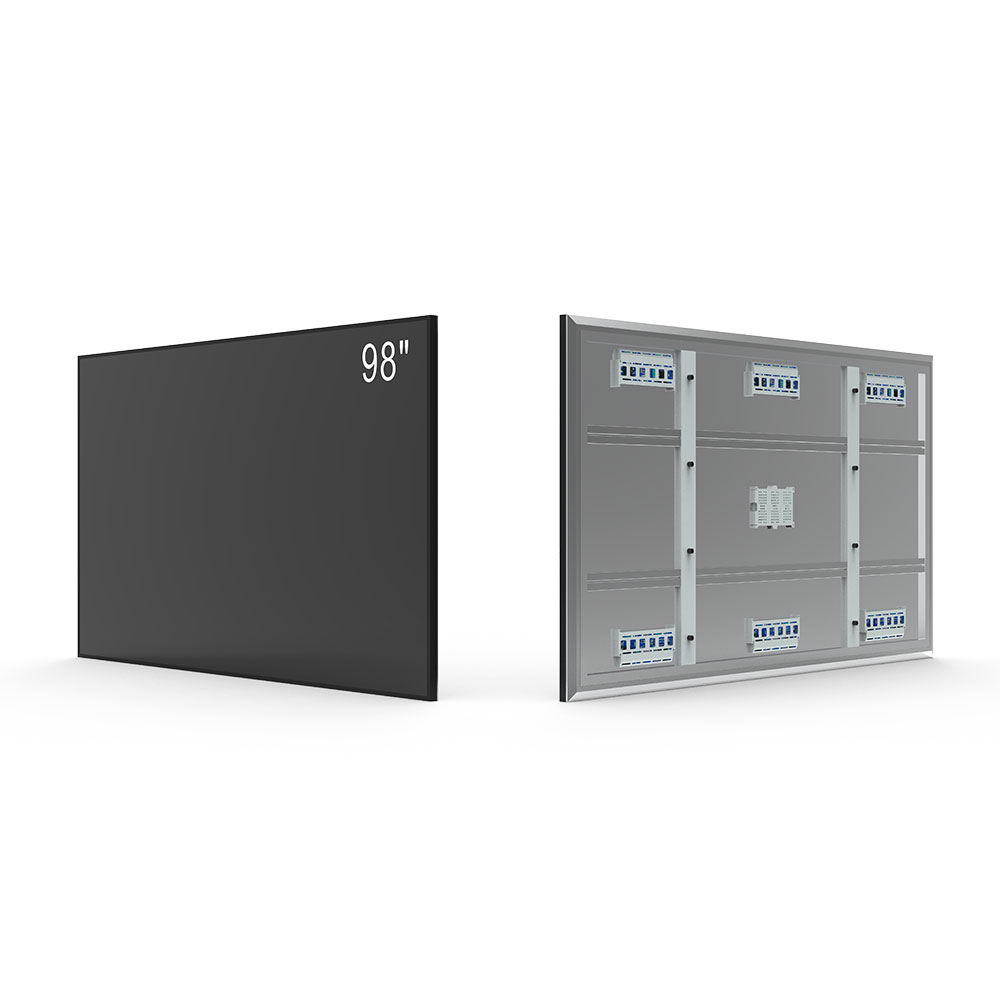
Another key feature is the implementation of anti-reflection (AR) coatings on the front glass. These coatings reduce surface reflection by up to 90%, minimizing glare caused by sunlight. In addition, some high-end models integrate optically bonded layers between the display panel and the protective cover glass—a process that eliminates air gaps and further reduces internal reflections. This bonding technique, used extensively in military and aerospace applications, also improves mechanical durability and resistance to moisture ingress.
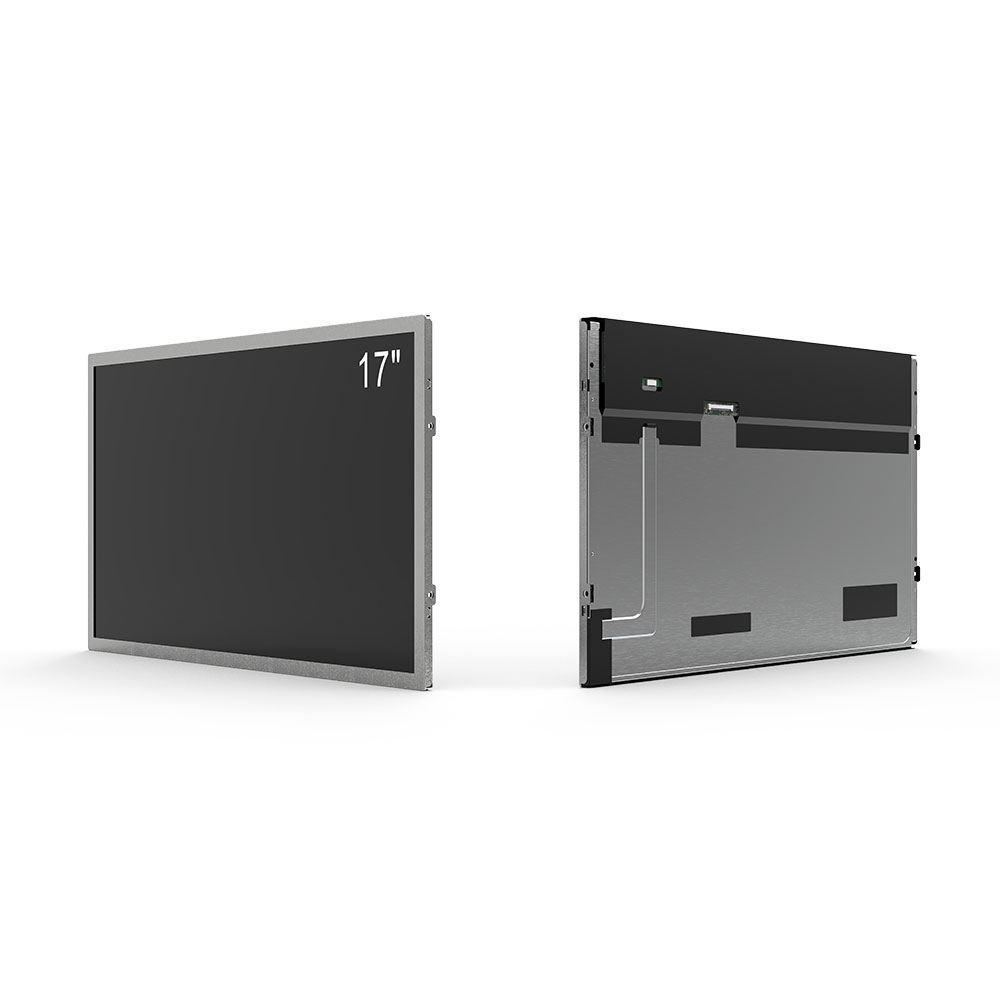
The choice of liquid crystal technology significantly affects performance. TN (Twisted Nematic) panels offer fast response times but limited viewing angles and poor contrast. IPS (In-Plane Switching) and VA (Vertical Alignment) panels provide wider viewing angles and better color reproduction, making them ideal for professional outdoor use. For instance, a recent case study from Honeywell’s outdoor control systems showed that replacing standard LCDs with IPS-based sunlight-readable displays improved operator efficiency by 27% in solar-intensive environments.
Power consumption remains a challenge. High-brightness modes can increase power draw by 2–3x compared to normal operation. To address this, manufacturers incorporate dynamic brightness adjustment algorithms that lower luminance during low-light conditions (e.g., dusk or night) without compromising daytime visibility. Some displays also support adaptive white balance to maintain accurate colors across varying ambient lighting.
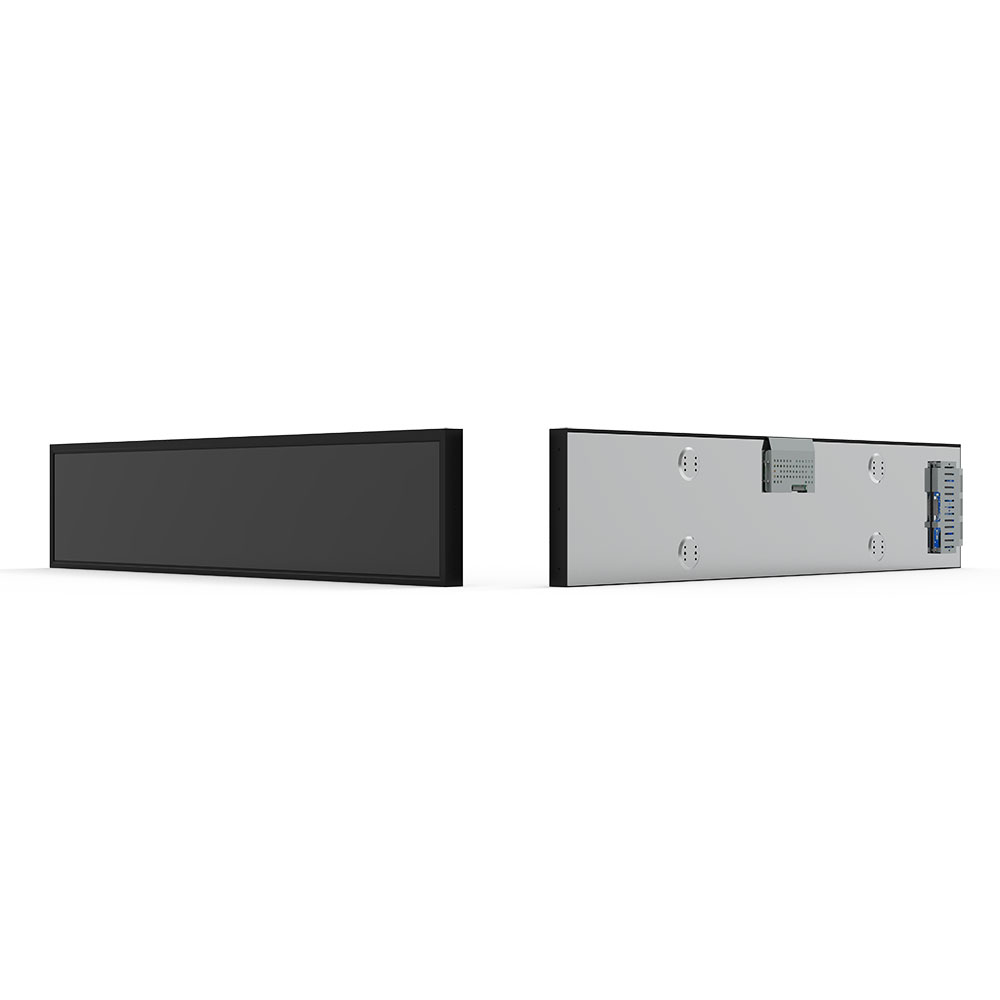
Standards such as MIL-STD-810G (for ruggedization) and IEC 60068 (for environmental testing) guide the design of these screens for deployment in extreme conditions—from desert heat to Arctic cold. Real-world applications include transportation (bus information systems), utility meters, agricultural machinery, and defense equipment. A notable example is the deployment of 5,000-nit LCDs in U.S. Army tactical vehicles, which were tested in Iraq and Afghanistan and found to enhance situational awareness under intense solar exposure.
In conclusion, the evolution of high-brightness sunlight-readable LCD technology has enabled reliable human-machine interfaces in previously unsuitable environments. As mobile computing, IoT devices, and autonomous systems expand into outdoor domains, the demand for robust, high-visibility displays will continue to grow. Engineers and product designers must consider not only brightness levels but also thermal management, durability, and energy efficiency when selecting these displays for mission-critical applications.