RisingStar
- Home
- About Us
- Products
- News
- Video
- Contact
- Send Inquiry
Search
- Home
- About Us
- Products
- News
- Video
- Contact
- Send Inquiry
RisingStar
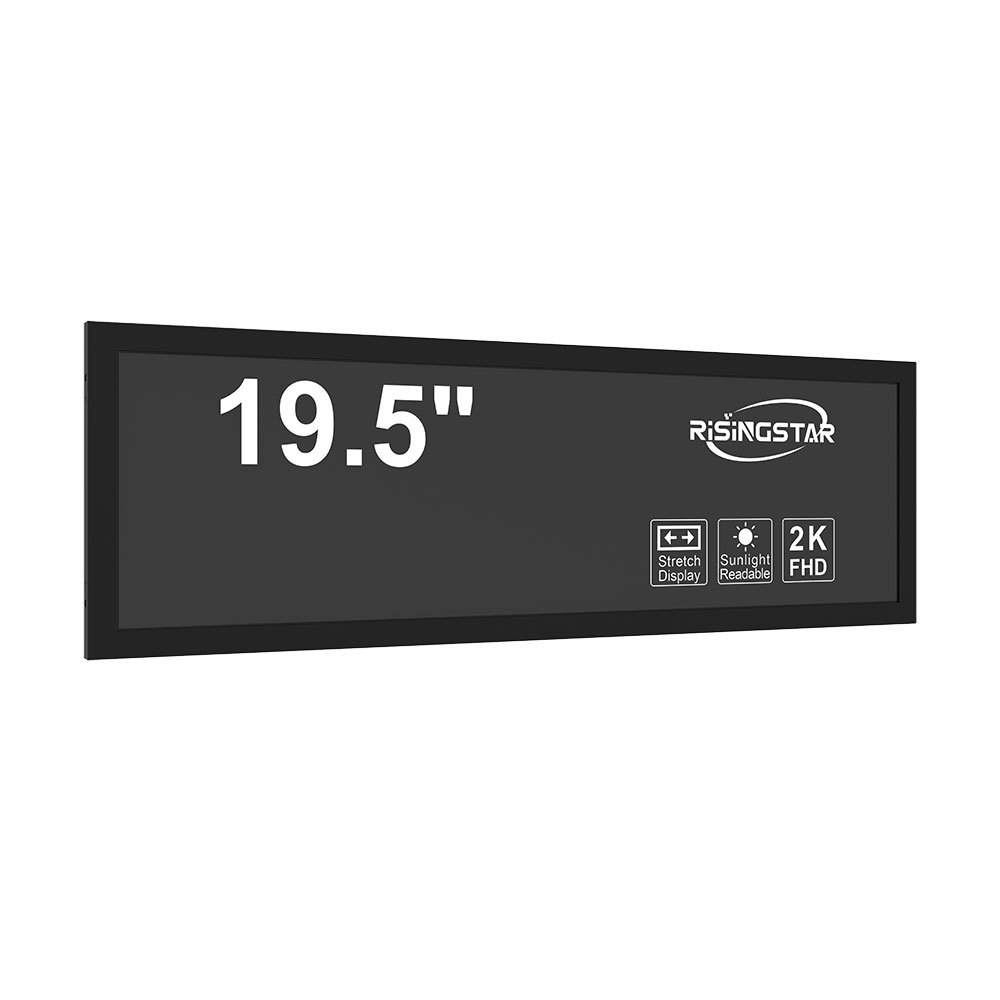
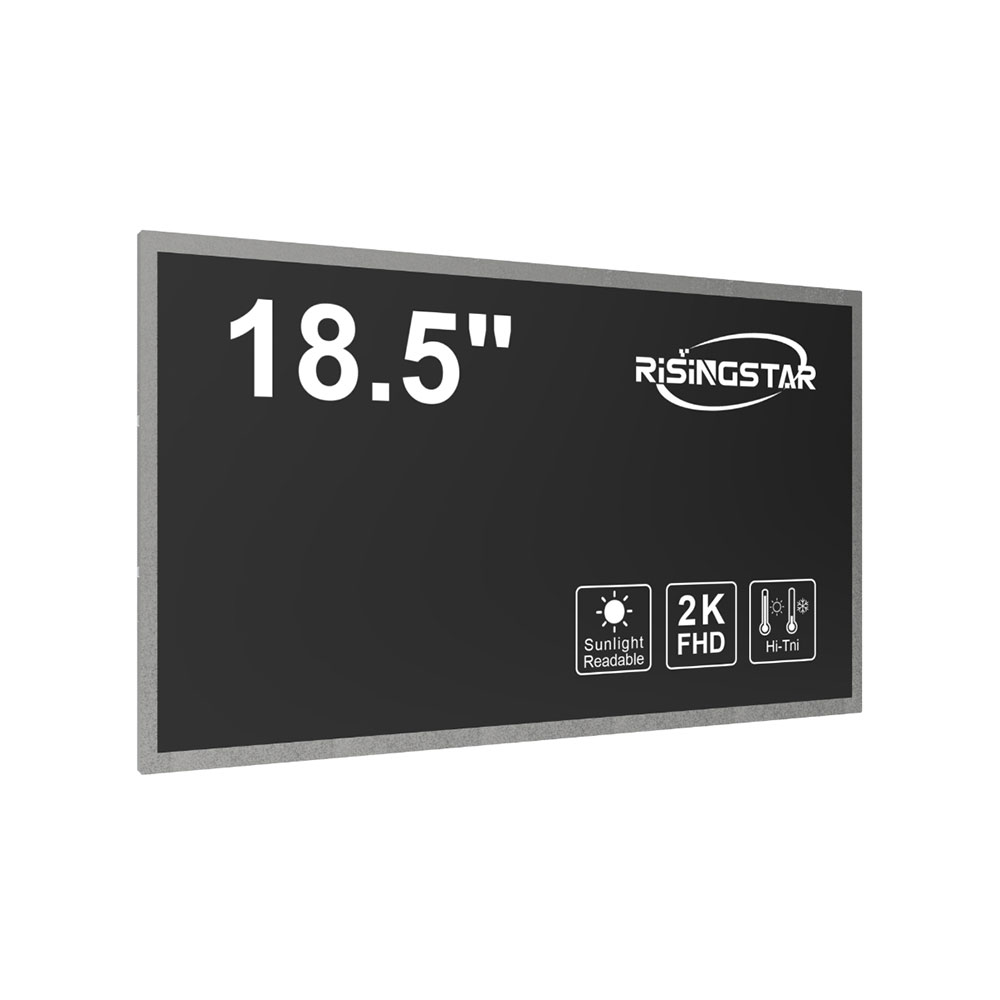
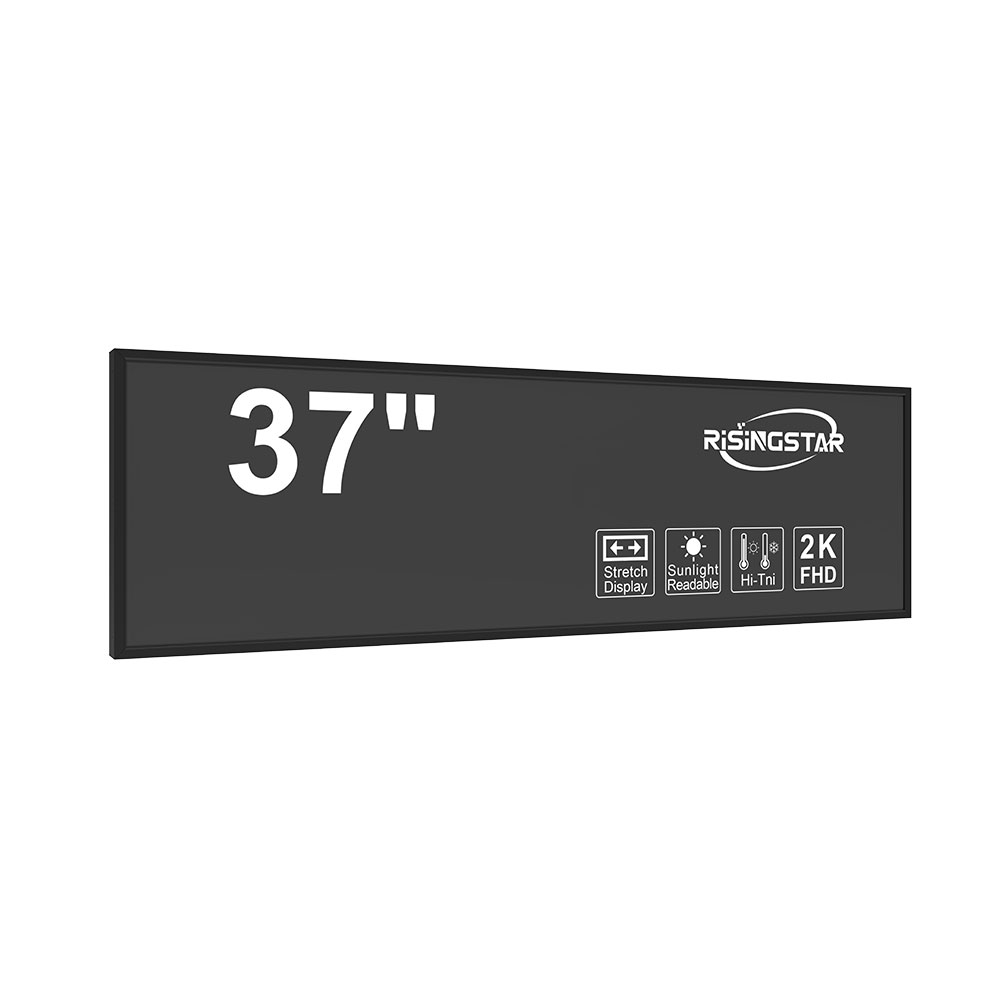
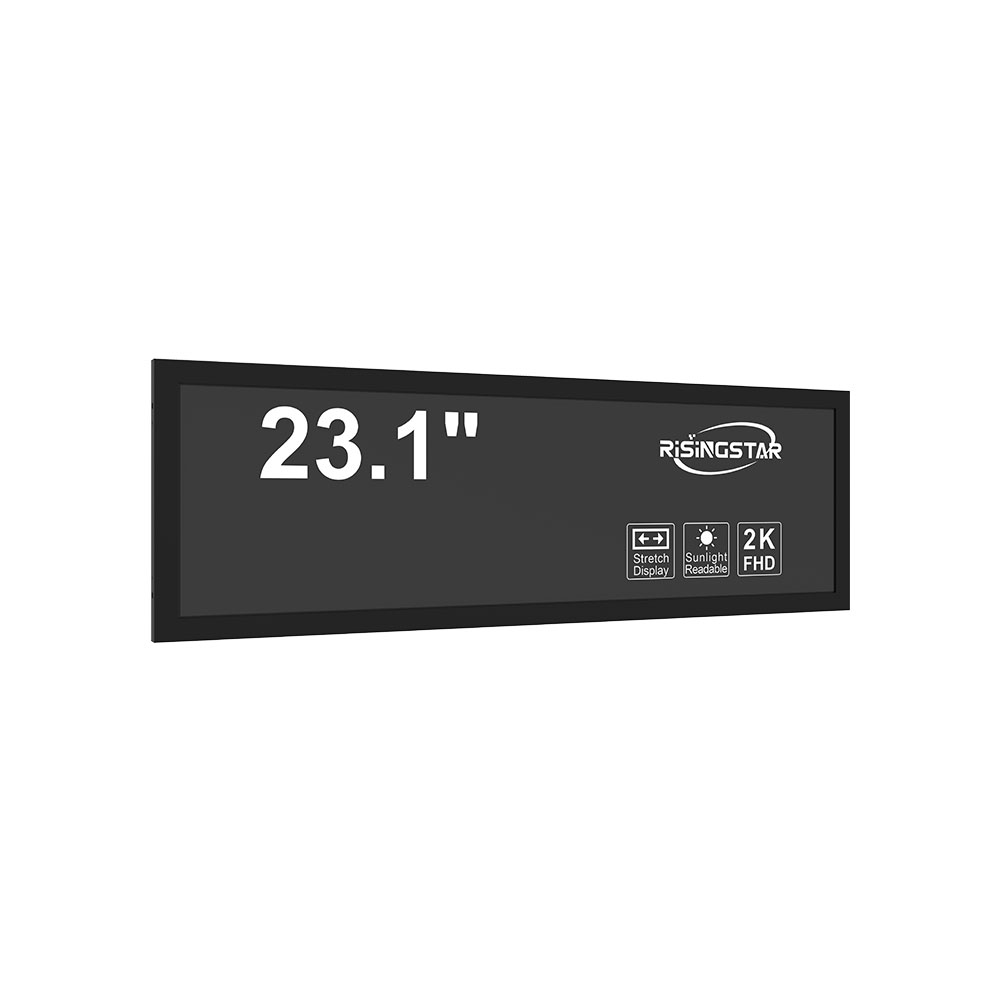
High-brightness sunlight-readable LCD screens have become essential in modern outdoor display technology, particularly in applications where visibility under direct sunlight is critical. These displays are engineered to maintain clarity and readability even in intense ambient lighting conditions—commonly found in military operations, transportation systems, industrial environments, and consumer devices such as outdoor kiosks or digital signage. The core advantage lies in their ability to deliver high peak brightness levels, typically exceeding 5,000 nits (with some models reaching up to 10,000 nits), far surpassing standard indoor LCDs that rarely exceed 300–500 nits. This performance is achieved through advanced backlighting technologies like LED arrays with optimized diffusers, anti-glare coatings, and reflective polarizers.
One of the most notable practical applications is in military and defense sectors, where these screens are used in command centers, vehicles, and handheld devices. For instance, the U.S. Department of Defense has adopted MIL-STD-810-certified sunlight-readable displays for battlefield communication tools due to their ruggedness and extreme brightness. In transportation, high-brightness LCDs power navigation systems in aircraft cockpits, train control panels, and automotive dashboards exposed to varying light conditions. In the industrial sector, they support real-time monitoring in factories and outdoor construction sites where traditional displays fail under sunlight.
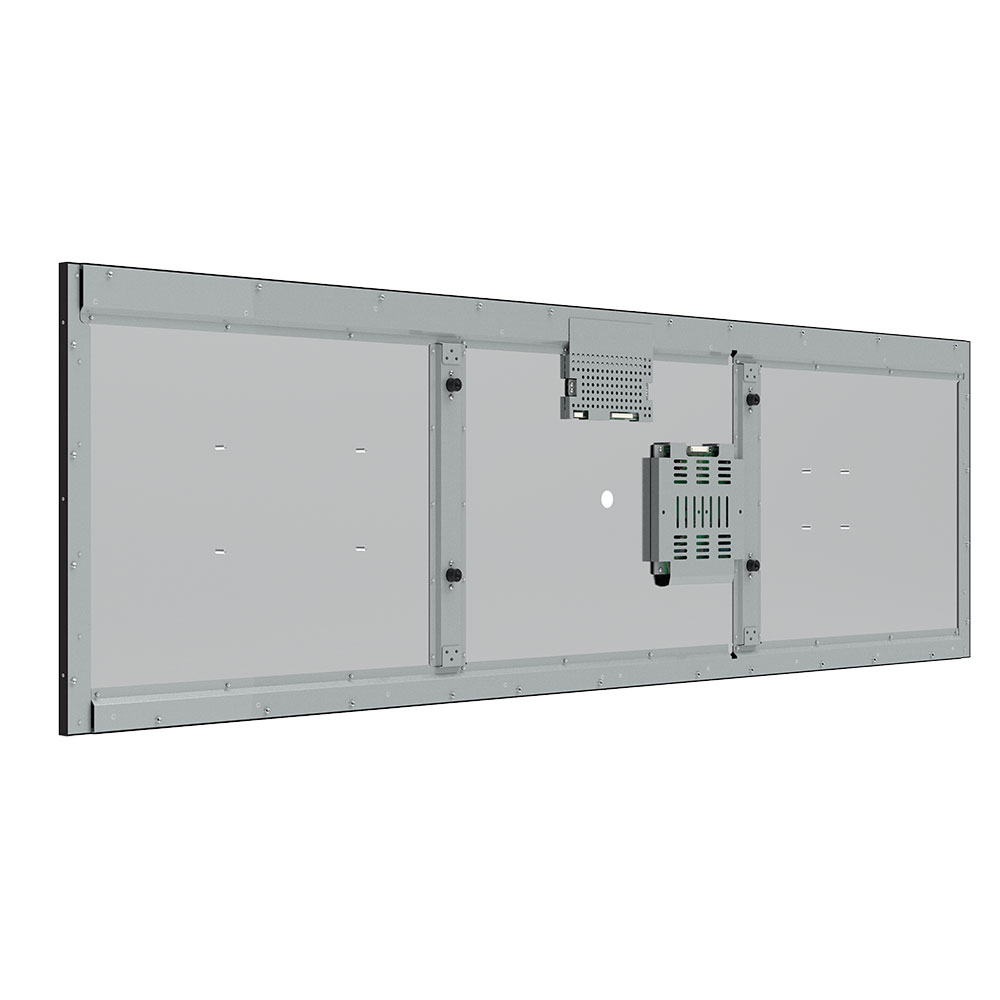
However, common challenges persist. Power consumption remains a concern—higher brightness requires more energy, which can shorten battery life in portable devices. To address this, manufacturers now integrate adaptive brightness control using ambient light sensors that dynamically adjust output based on environmental lighting, optimizing both visibility and efficiency. Another issue is thermal management; excessive heat from powerful LEDs can degrade image quality or damage components over time. Solutions include passive cooling via heat sinks and active cooling methods like fans or liquid cooling in high-end systems.
Recent trends show a shift toward OLED-based sunlight-readable displays, which offer better contrast ratios and faster response times than traditional LCDs. However, OLEDs still face challenges in achieving consistent peak brightness in direct sunlight without significant power draw. Meanwhile, advancements in micro-LED technology promise next-generation displays that combine high brightness, low power consumption, and improved durability—all while maintaining full sunlight readability. Industry leaders like LG Display, Sharp, and BOE Technology are investing heavily in R&D to commercialize these innovations by 2025.
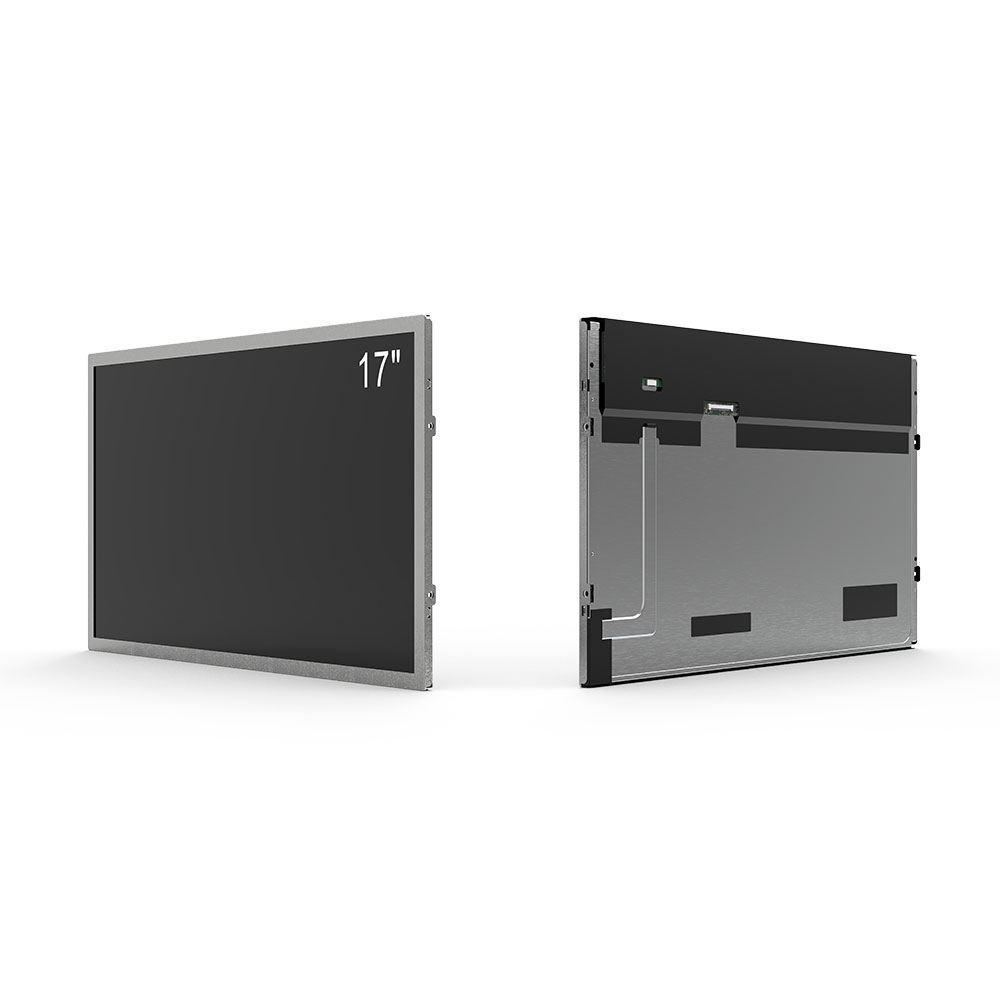
In conclusion, high-brightness sunlight-readable LCD screens remain indispensable across industries requiring reliable visual communication outdoors. Their evolution—from basic backlit panels to smart, adaptive, and energy-efficient solutions—demonstrates rapid technological progress driven by real-world demands. As global markets expand in areas like smart cities, autonomous vehicles, and IoT-enabled outdoor infrastructure, demand for robust, readable displays will only grow, pushing manufacturers to innovate continuously.