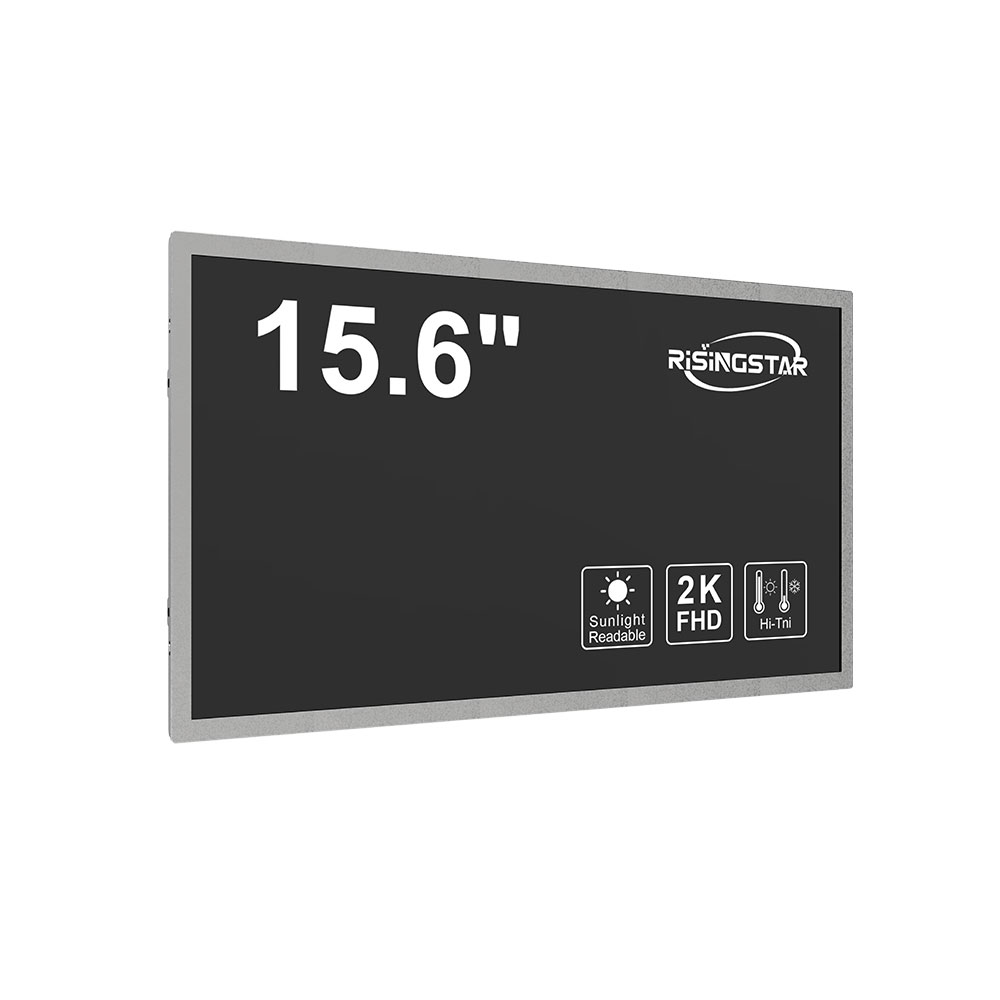
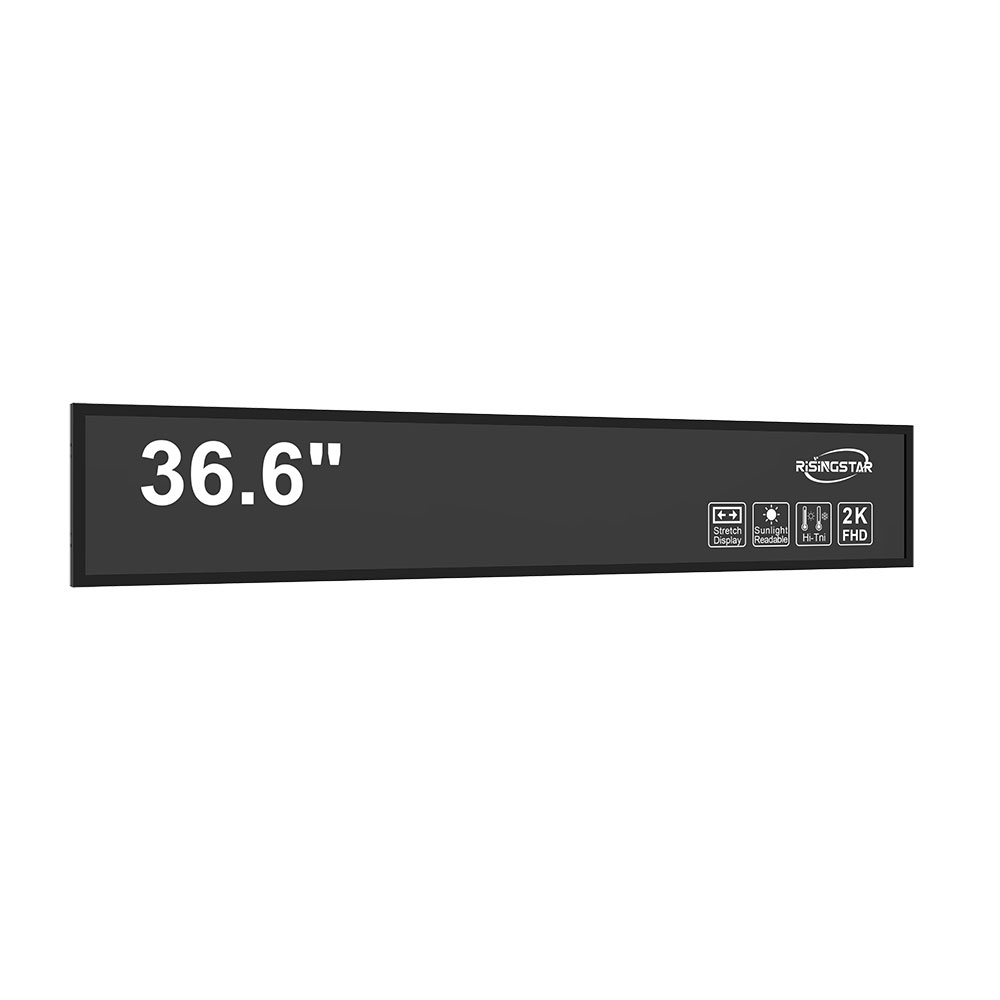
In the rapidly evolving world of display technology, high-brightness sunlight-readable LCD screens have become indispensable in outdoor and harsh environmental applications. These specialized displays are engineered to maintain clarity, contrast, and readability even under direct sunlight—typically exceeding 10,000 nits of peak brightness—a stark contrast to standard indoor LCDs that usually top out at around 300–500 nits. This capability is critical for industries such as defense, transportation, agriculture, medical field devices, and industrial automation, where visibility under extreme lighting conditions directly impacts operational safety and efficiency.
The core challenge in designing a sunlight-readable LCD lies in overcoming ambient light interference. Unlike indoor displays, which operate in controlled lighting, outdoor displays must contend with variable solar irradiance, glare, and rapid changes in light intensity. To address this, manufacturers employ advanced technologies such as transflective liquid crystal panels, which combine transmission and reflection modes for optimal performance across both bright and dim environments. Transflective designs use a reflective layer behind the pixels to bounce ambient light back through the liquid crystal layer, significantly improving contrast in daylight while preserving power efficiency in low-light settings.
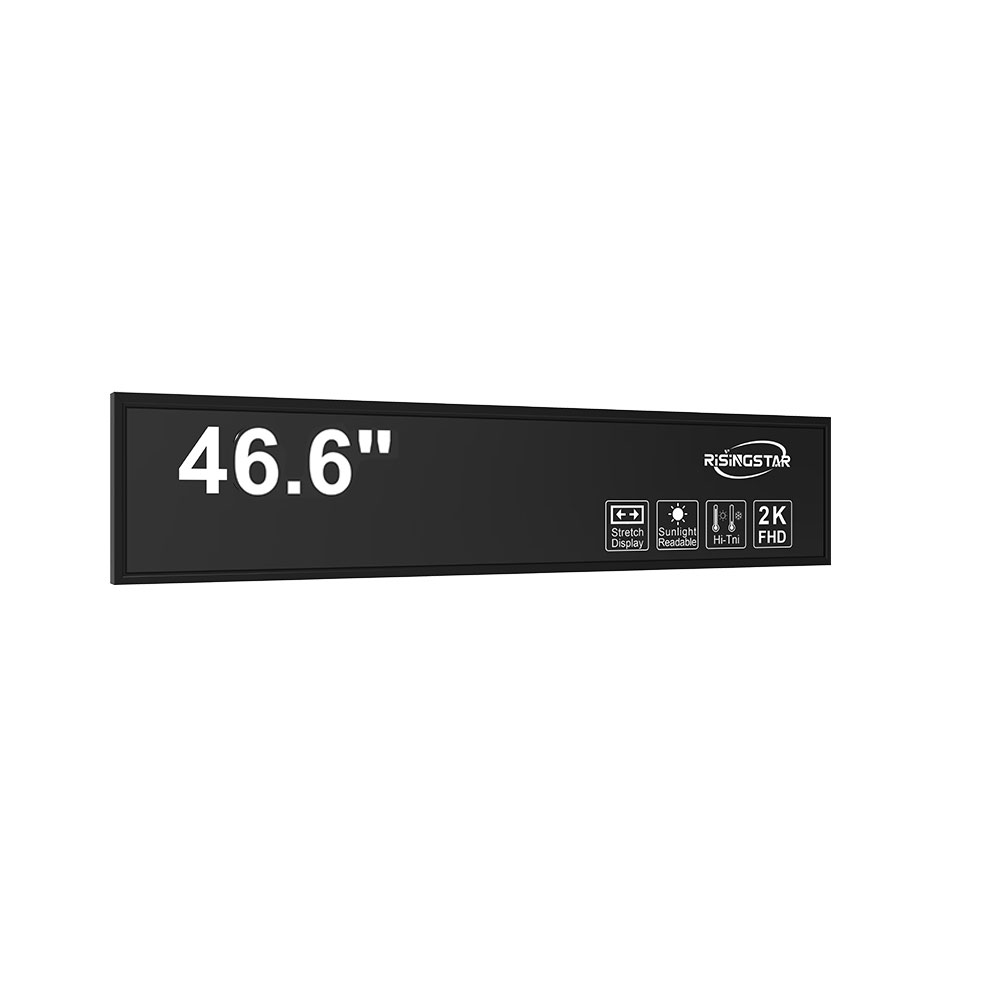
Another key innovation is the integration of anti-glare (AG) coatings and polarizers optimized for outdoor use. These layers reduce surface reflections by up to 90%, minimizing visual distortion caused by sunlight bouncing off the screen. Additionally, modern high-brightness LCDs often feature adaptive brightness control via ambient light sensors, allowing dynamic adjustment of luminance based on real-time environmental conditions. This not only enhances user experience but also extends battery life in portable systems—an essential consideration for mobile military or field medical equipment.
Industry standards such as MIL-STD-810G and IEC 60068-2-1 provide benchmarks for environmental resilience, including temperature extremes (-30°C to +70°C), humidity, shock, and vibration resistance. Leading manufacturers like Sharp, LG Display, and Candescent Technologies adhere to these specifications when producing ruggedized LCDs for defense-grade applications. For example, the U.S. Army’s Enhanced Night Vision Goggles (ENVG) system uses a high-brightness OLED-LCD hybrid that delivers over 15,000 nits and operates reliably in battlefield conditions, demonstrating how technological synergy between brightness, durability, and optics drives performance.
Case studies further validate the importance of these features. In a 2022 deployment by Siemens in offshore wind turbine monitoring systems, high-brightness LCDs were used in control panels exposed to continuous sun exposure in northern Europe. Despite fluctuating weather and long daylight hours, the displays maintained readability without flickering or color degradation over two years of operation. Similarly, agricultural drones equipped with sunlight-readable screens allow farmers to view real-time crop health data in full sun, enabling precision farming decisions that increase yield by up to 15%.
Manufacturers now integrate AI-driven calibration algorithms to optimize white balance, gamma correction, and contrast ratios automatically. This ensures consistent image quality regardless of lighting variations. Moreover, LED-backlit solutions with local dimming zones provide better energy efficiency than older CCFL-backlit models, reducing heat generation and extending lifespan—particularly important in enclosed or high-temperature environments like vehicle dashboards or HVAC control units.
As demand grows for IoT-enabled outdoor devices—from smart city kiosks to autonomous vehicles—sunlight-readable LCDs will remain at the forefront of human-machine interface design. Their continued evolution, driven by advances in materials science, miniaturization, and energy-efficient electronics, promises even higher brightness levels (potentially reaching 20,000 nits), improved color accuracy, and seamless integration into edge computing platforms.
 RisingStar