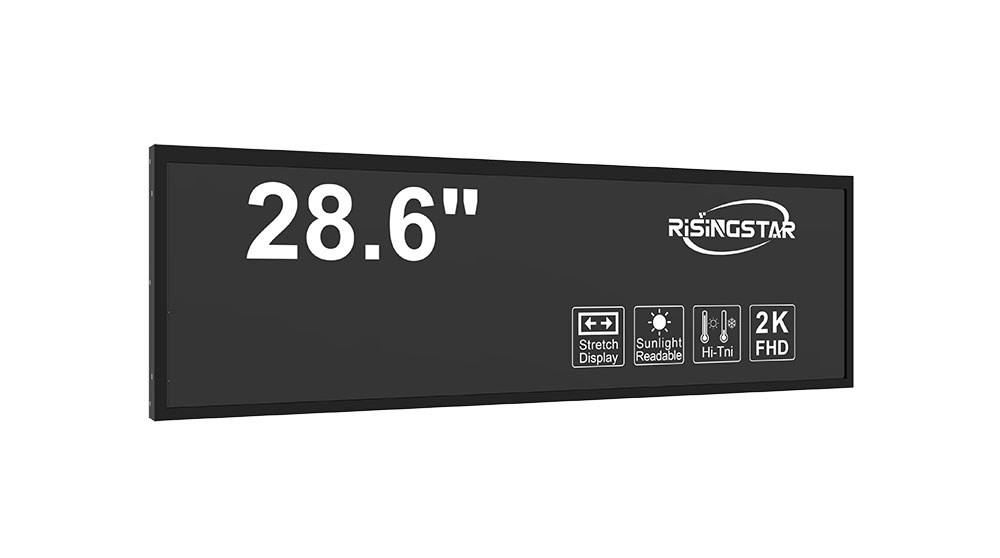
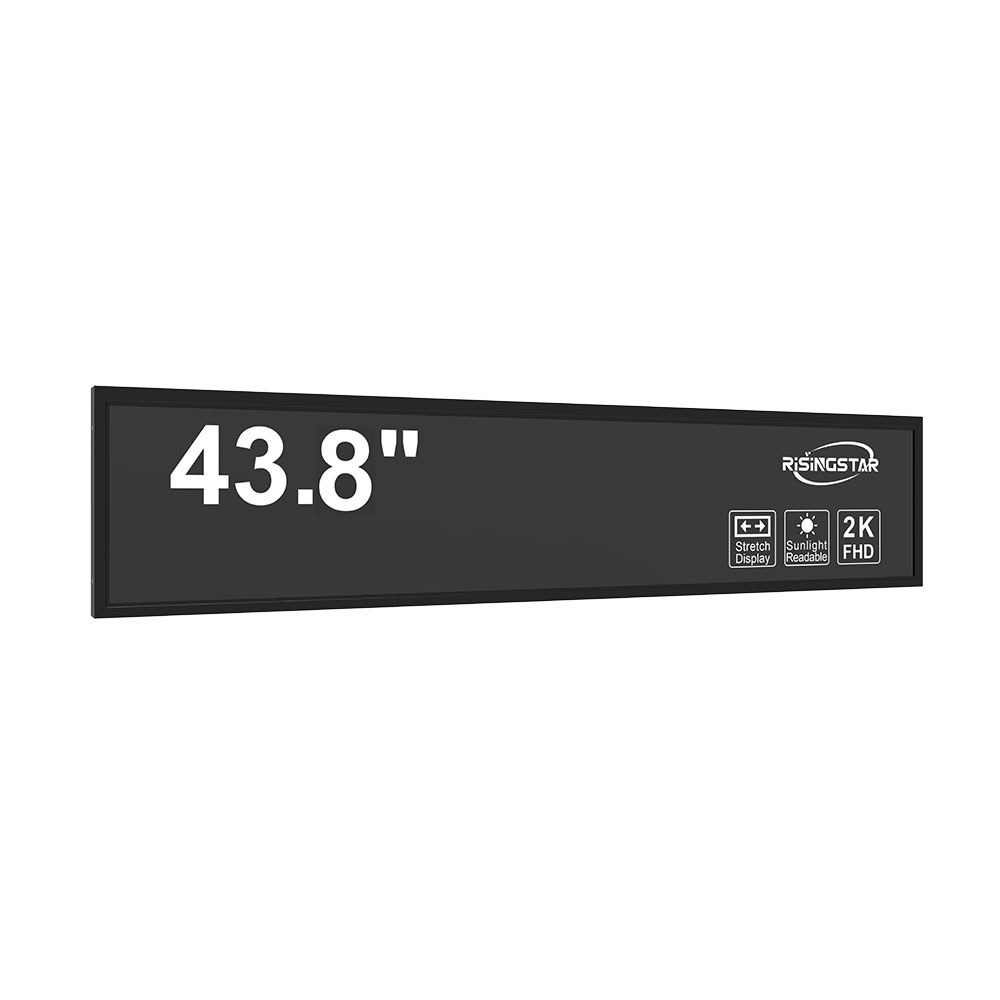
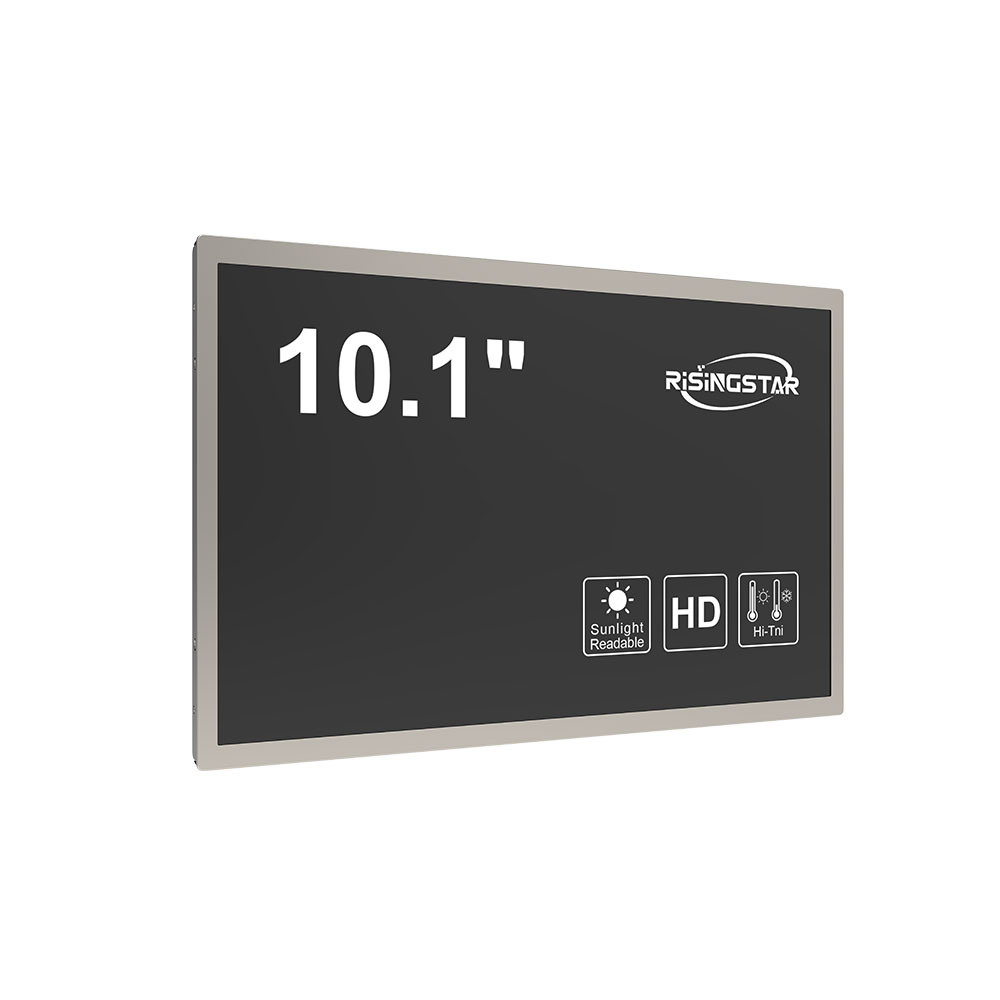
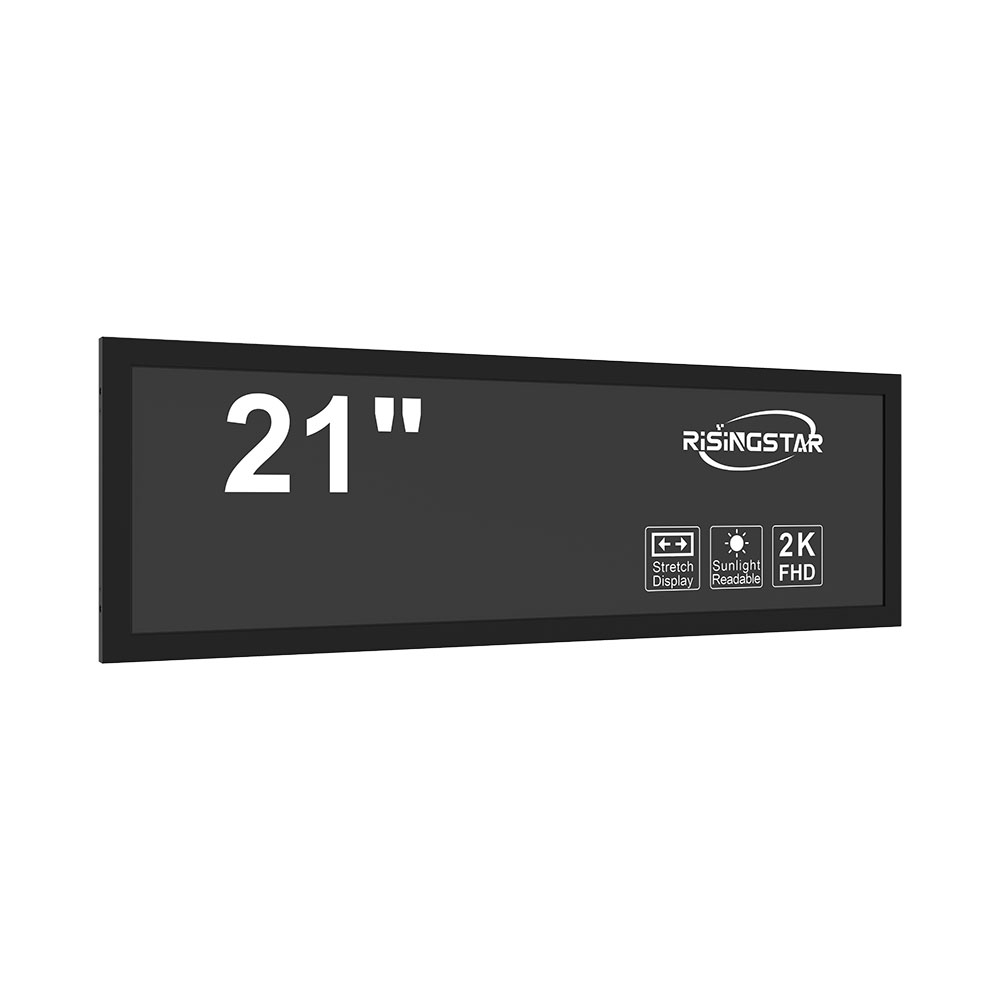
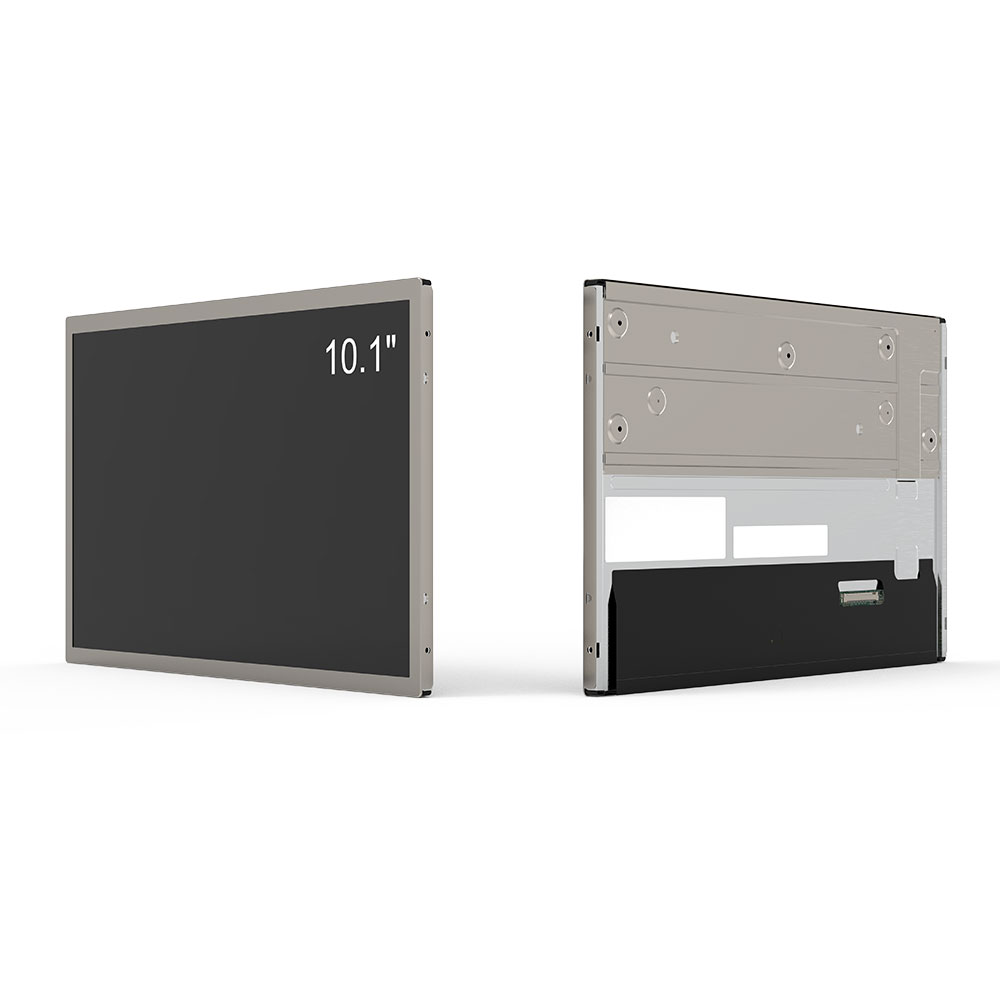
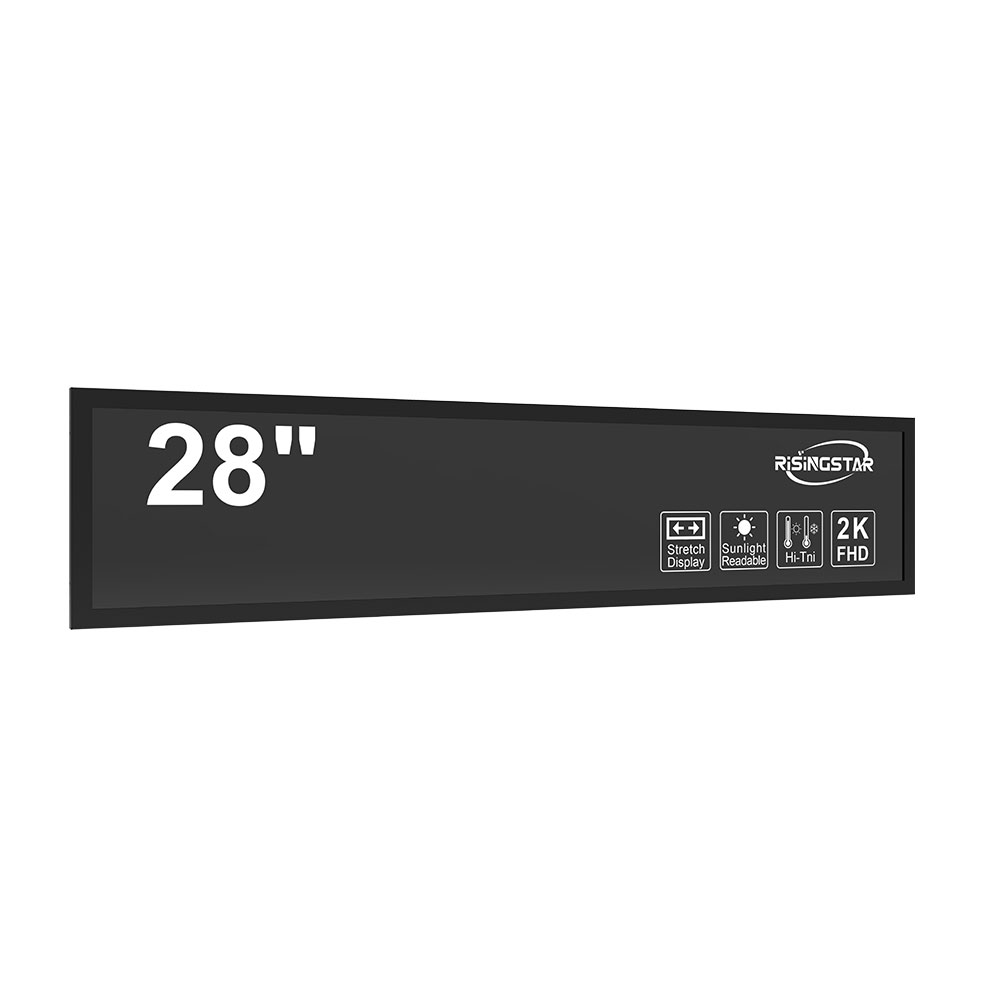
High-brightness sunlight-readable LCD displays have become a critical component in modern outdoor industrial applications, where visibility under direct sunlight is non-negotiable. These specialized displays are engineered to maintain clarity and functionality even in extreme lighting conditions—such as those found in construction sites, military operations, transportation systems, and agricultural equipment. Unlike standard LCDs that suffer from glare and washed-out images in bright environments, sunlight-readable LCDs employ advanced optical techniques and materials to ensure readable contrast and color accuracy under ambient light levels exceeding 100,000 lux.
One of the most effective technologies behind these displays is the use of transflective liquid crystal cells. Transflective LCDs combine both transmissive (for indoor/low-light conditions) and reflective (for daylight readability) properties, enabling seamless operation across diverse lighting scenarios. According to a 2023 study published by the Society for Information Display (SID), transflective designs can reduce power consumption by up to 40% compared to fully transmissive counterparts while maintaining superior brightness—making them ideal for battery-powered field devices like handheld inspection tools or portable command units.
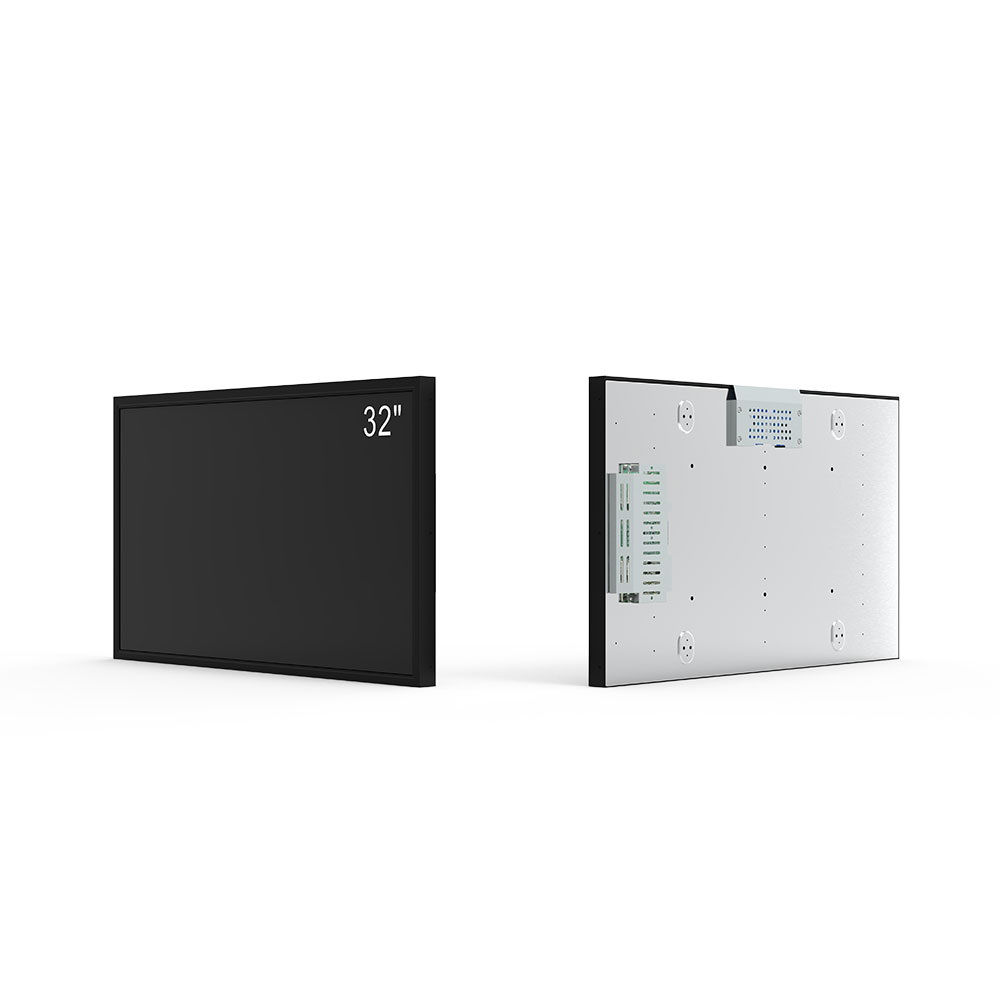
Another key innovation is the implementation of high-luminance LED backlights rated at 5,000 to 10,000 nits, far beyond the typical 300–500 nits of consumer-grade screens. For example, companies such as EIZO and LG Display have developed industrial-grade panels that achieve 8,000 nits peak brightness using multiple layers of diffusers and optical films. This ensures that text and graphics remain legible even when exposed to direct midday sun—a requirement verified by MIL-STD-188-133C standards for military-grade electronics.
In addition to brightness, contrast ratio and viewing angle are vital metrics. High-end sunlight-readable displays often feature a contrast ratio of 1000:1 or higher, with wide viewing angles (up to 170° horizontally and vertically). This is particularly important in applications such as vehicle dashboards or outdoor kiosks where users may view the screen from various angles. A case study from Siemens’ deployment of custom-designed LCDs in railway signaling systems showed a 67% reduction in operator errors during daytime operations due to improved display visibility in harsh sunlight.
Manufacturers also incorporate anti-glare coatings and polarization filters to minimize reflections. Some models integrate automatic brightness control (ABC) sensors that adjust luminance based on ambient light, optimizing both energy efficiency and user comfort. These features align with ISO 9241-31 guidelines for human-centric display design, which emphasize minimizing visual fatigue and enhancing operational safety.
From an application perspective, industries ranging from oil and gas to agriculture increasingly rely on ruggedized tablets and monitors equipped with these displays. For instance, John Deere’s latest tractor control systems now use 12-inch sunlight-readable touchscreens rated IP67 for dust and water resistance, enabling farmers to access real-time data in open fields without eye strain.
The growing demand for reliable outdoor digital interfaces has driven advancements in materials science, including the use of UV-resistant polymers and tempered glass with oleophobic coatings to resist scratches and smudges. As global markets expand in solar-intensive regions—from the Middle East to South Asia—engineers must prioritize thermal management, durability, and long-term reliability in their designs.
Ultimately, high-brightness sunlight-readable LCDs represent more than just technological upgrades; they are essential enablers of productivity, safety, and operational continuity in outdoor industrial ecosystems. Their successful integration requires not only hardware innovation but also rigorous testing against international standards like IEC 60068-2 and EN 60068-2-1, ensuring robustness across temperature extremes and mechanical shocks.
 RisingStar