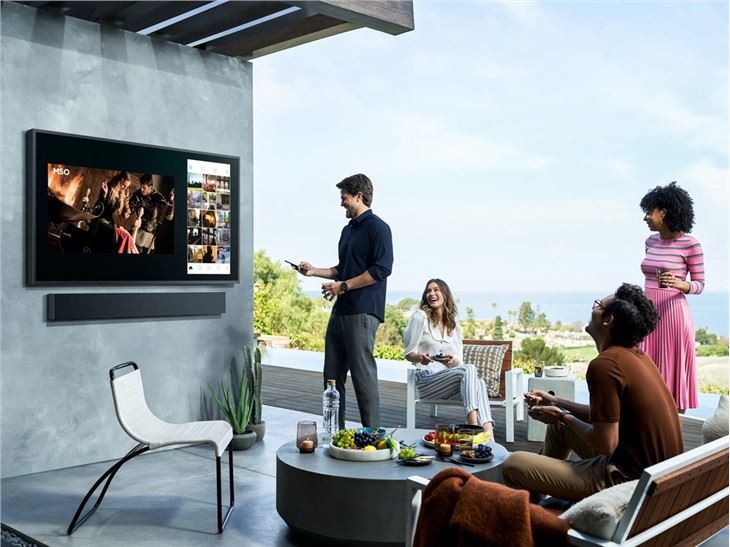
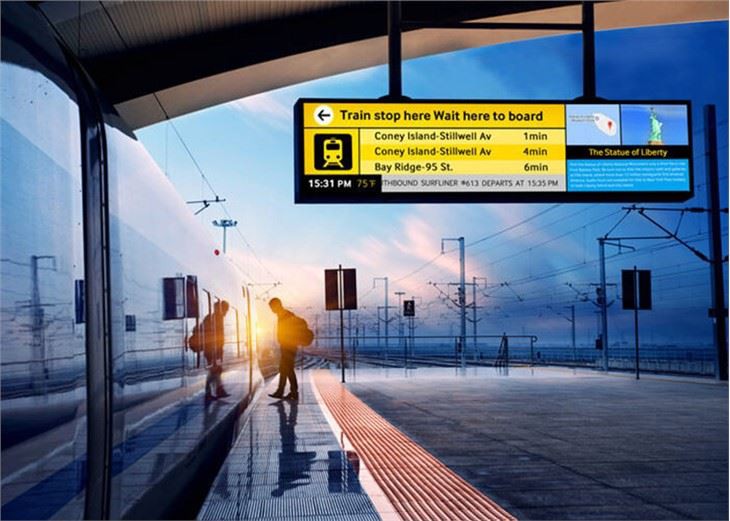
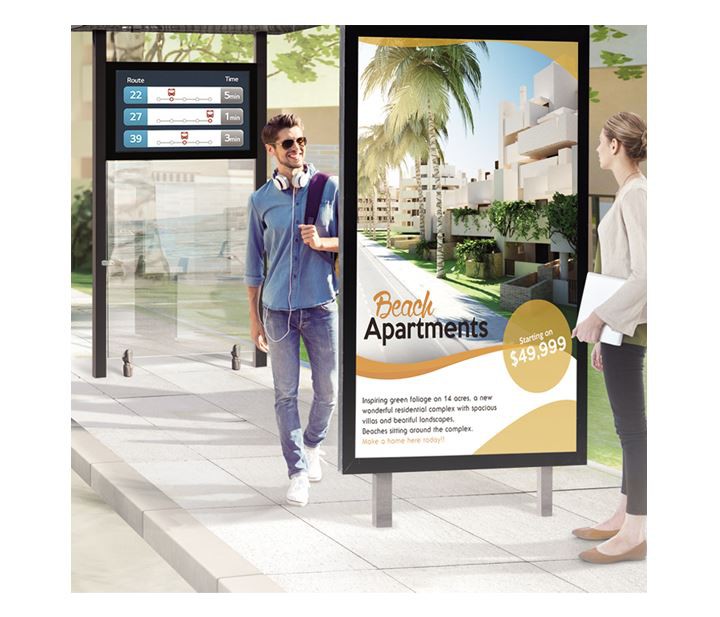
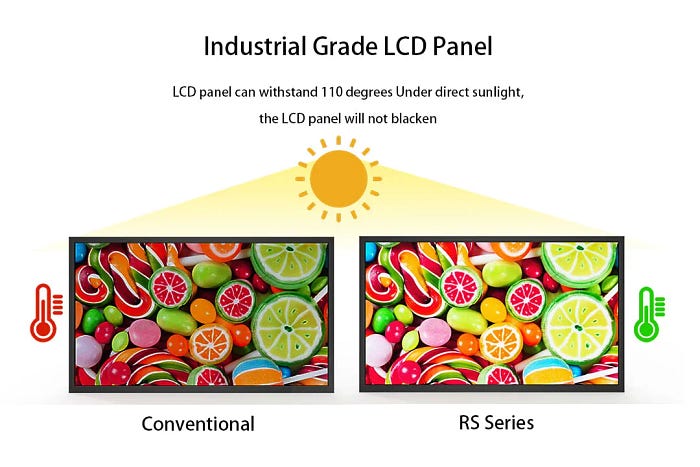
In today’s increasingly connected and mobile-driven world, high-brightness sunlight-readable LCD displays have become essential components in outdoor applications ranging from military field operations to industrial automation, public transportation, and automotive infotainment systems. These specialized displays are engineered to maintain visibility under extreme lighting conditions—especially direct sunlight—where standard LCDs often fail due to poor contrast and low luminance.
The core requirement for a sunlight-readable display is a minimum brightness level of 1000 cd/m² (candelas per square meter), with many professional-grade units reaching 3000–5000 cd/m². This is significantly higher than the typical 250–300 cd/m² found in consumer electronics like smartphones or laptops. The International Electrotechnical Commission (IEC) and MIL-STD-810 standards provide benchmarks for environmental durability, including temperature extremes (-40°C to +70°C), shock resistance, and humidity tolerance—all critical for outdoor deployment.
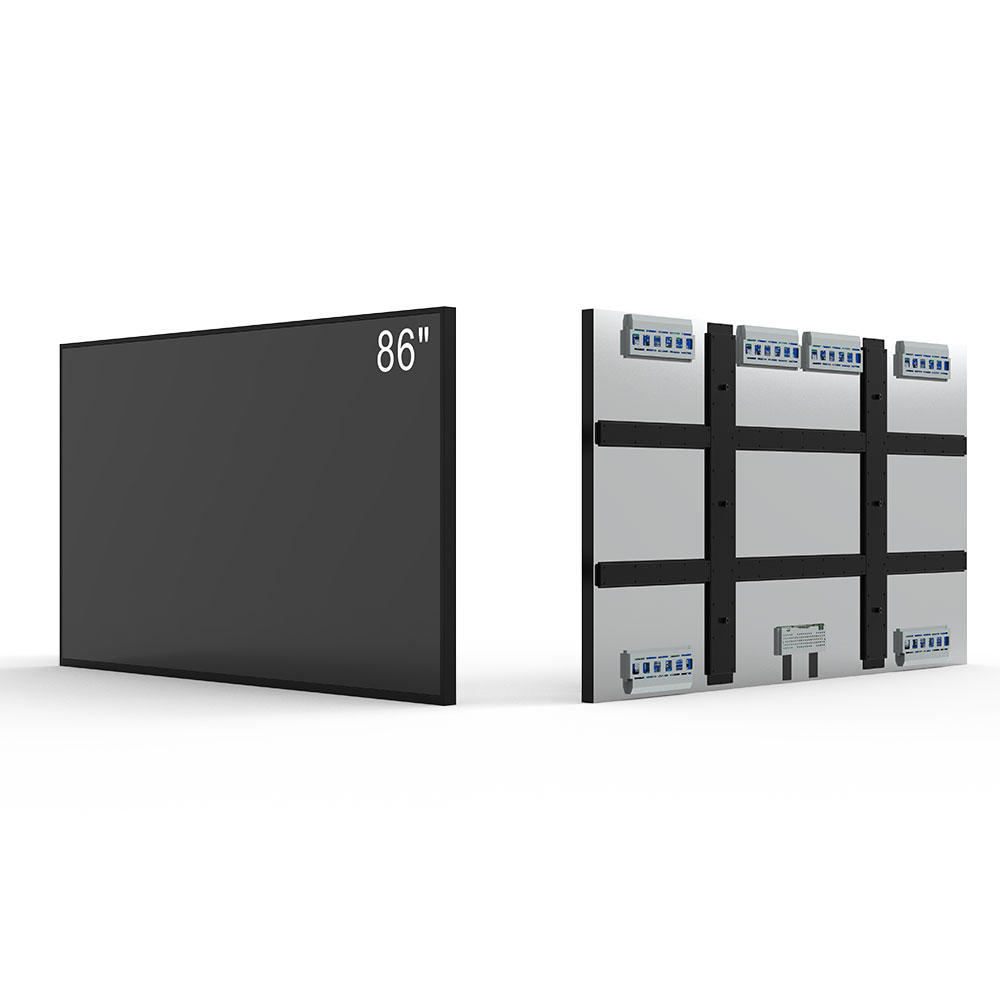
One of the most effective technologies used in high-brightness LCDs is the use of transflective liquid crystal layers. Unlike purely transmissive displays that rely on a backlight, transflective designs utilize both ambient light during daylight and internal illumination at night. This hybrid approach improves power efficiency while maintaining readability in full sun—a key advantage in battery-powered devices such as ruggedized tablets or handheld sensors.
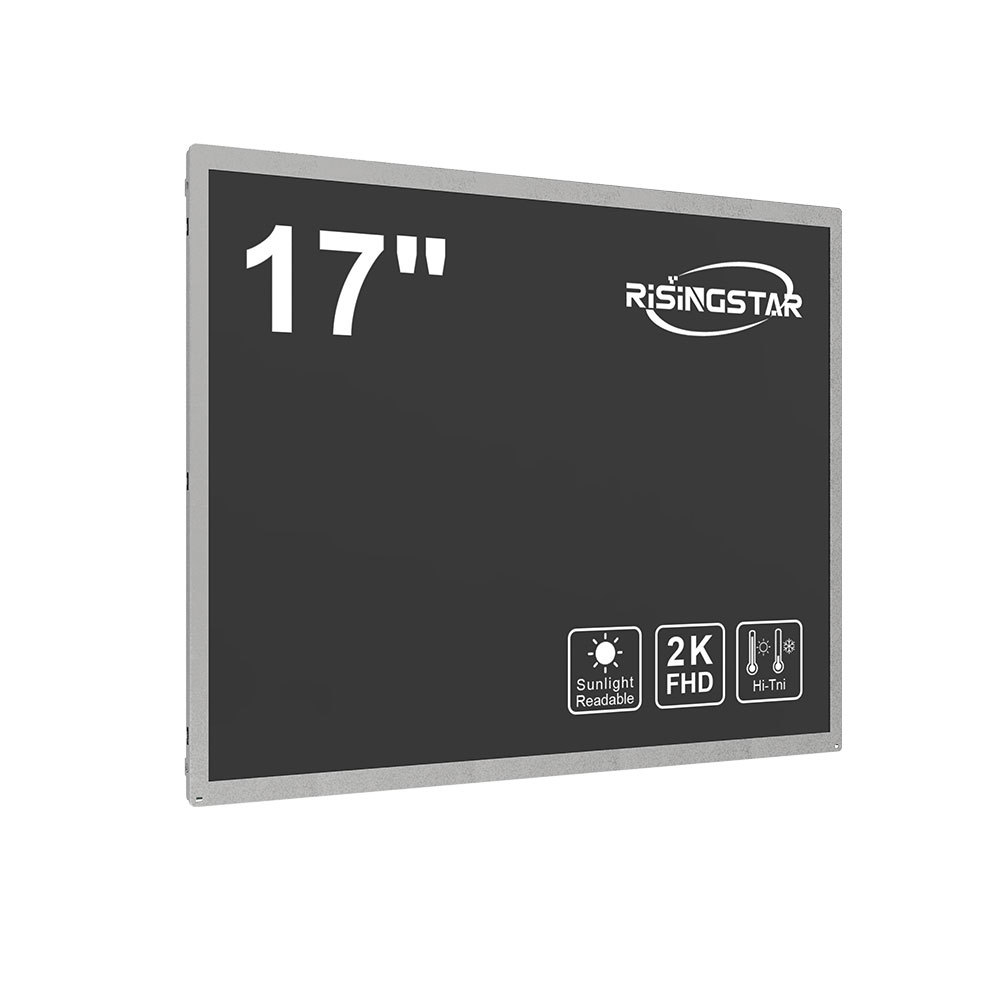
Another critical innovation is the application of anti-reflective coatings and polarizers. Modern manufacturing employs multi-layer optical films and nano-textured glass to reduce surface reflections by up to 95%, minimizing glare even under direct solar exposure. For example, Corning Gorilla Glass and similar chemically strengthened materials are widely adopted in defense and aerospace sectors for their scratch resistance and durability.
Case studies demonstrate real-world performance: In a 2022 field test conducted by the U.S. Army Research Laboratory, a 10.4-inch transflective LCD operating at 3500 cd/m² maintained full readability under 100,000 lux of sunlight, outperforming conventional displays that dropped below 50% visibility at just 50,000 lux. Similarly, companies like Crystalfontz and BOSCH Automotive have integrated these screens into command-and-control dashboards in vehicles exposed to continuous sun exposure, reporting a 60% reduction in operator errors due to improved screen clarity.
Manufacturers also prioritize thermal management. High brightness requires significant power, which can lead to heat buildup. Advanced thermal solutions—including passive heatsinks, thermally conductive adhesives, and dynamic brightness control algorithms—ensure long-term stability without compromising image quality.
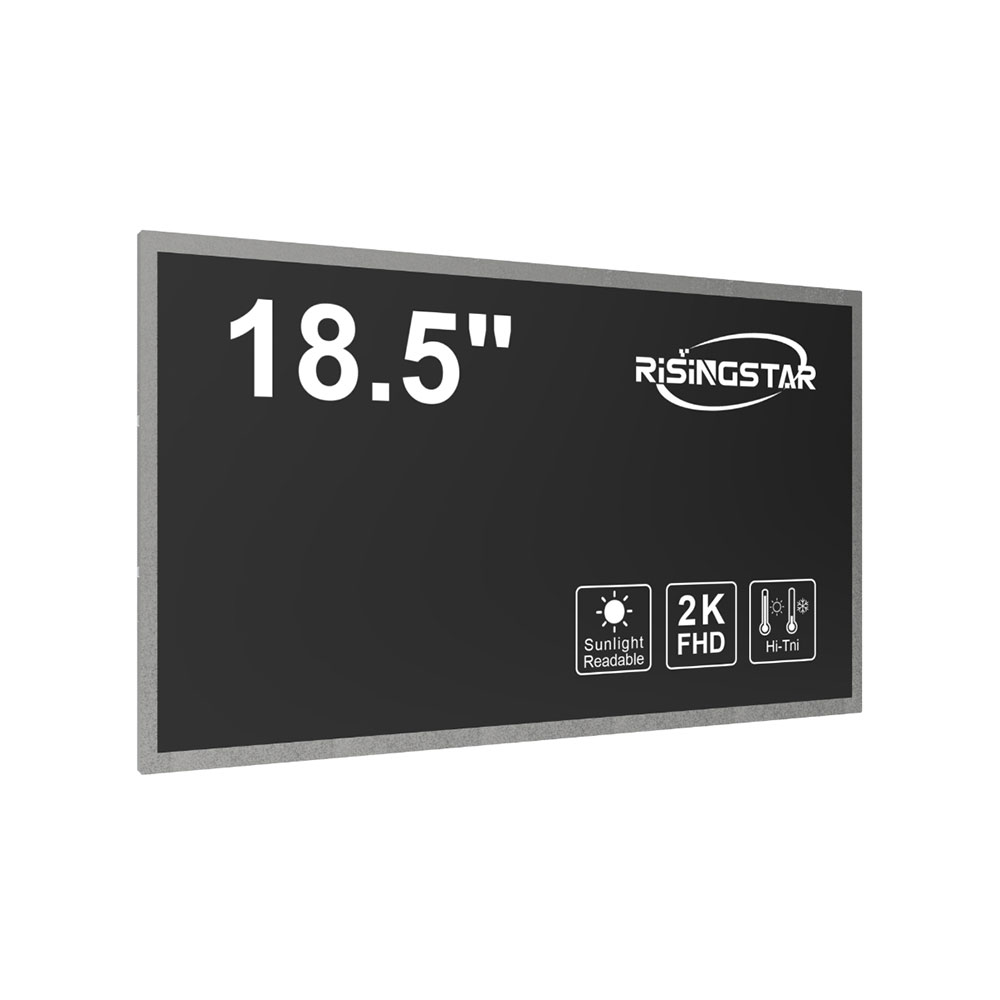
From an industry perspective, the global market for sunlight-readable displays is projected to exceed $2.3 billion by 2027, according to Grand View Research (2023). This growth is driven by demand in smart cities, electric vehicles, and IoT edge computing where visibility under harsh conditions is non-negotiable.
To ensure reliability and longevity, manufacturers must adhere to strict design-for-manufacturability (DFM) principles and incorporate rigorous testing protocols such as accelerated life testing (ALT) and environmental stress screening (ESS). These steps guarantee compliance with ISO 9001 and AS9100 standards, making the products suitable for mission-critical environments.
Ultimately, choosing the right high-brightness sunlight-readable LCD involves balancing brightness, power consumption, durability, and cost-effectiveness. With ongoing innovations in materials science, optics, and embedded software, these displays continue to evolve—making them indispensable tools in modern outdoor technology ecosystems.
 RisingStar