 RisingStar
- Home
- About Us
- Products
- News
- Video
- Contact
- Send Inquiry
Search
- Home
- About Us
- Products
- News
- Video
- Contact
- Send Inquiry
RisingStar
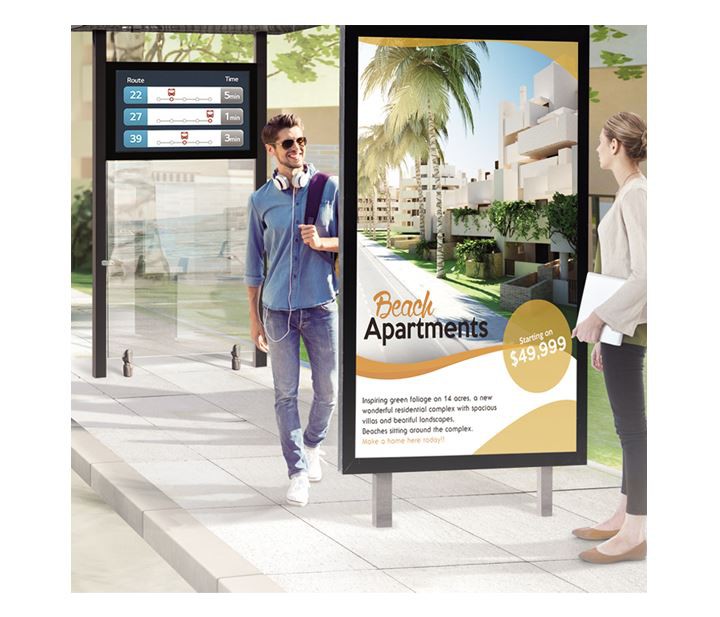
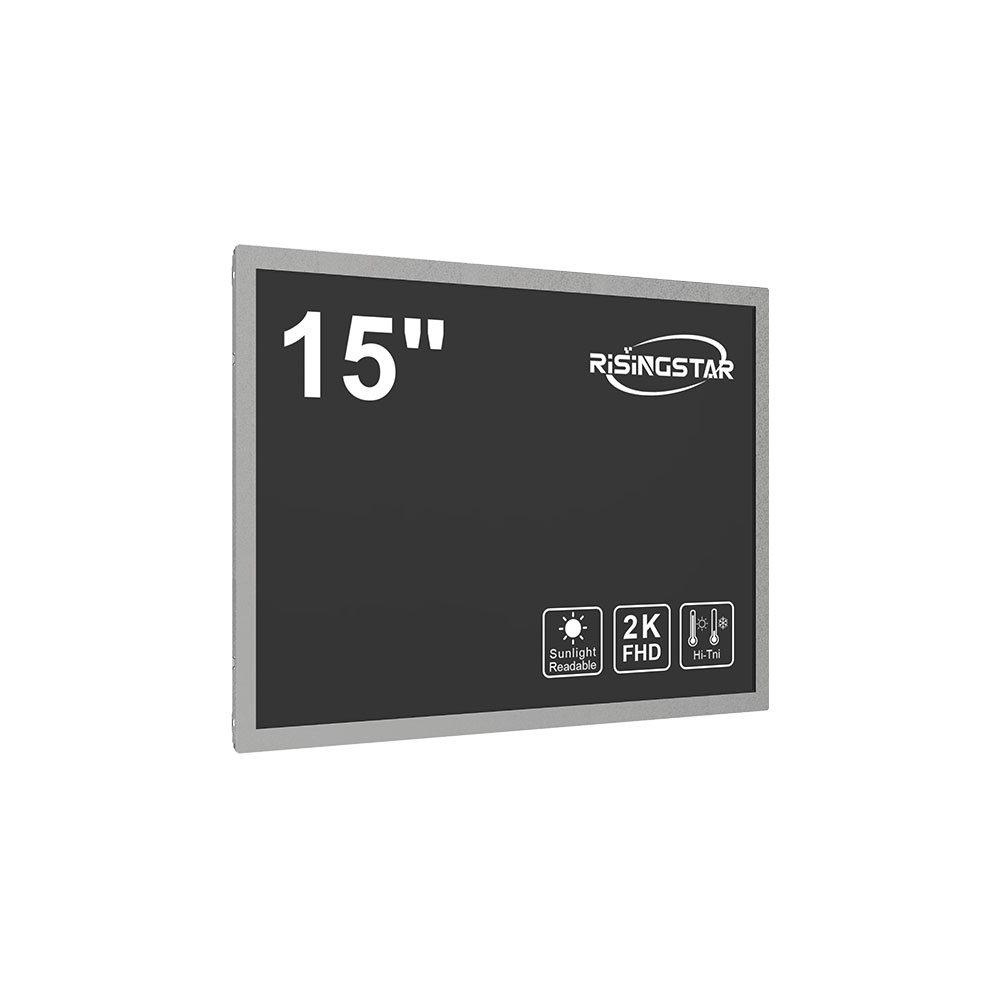
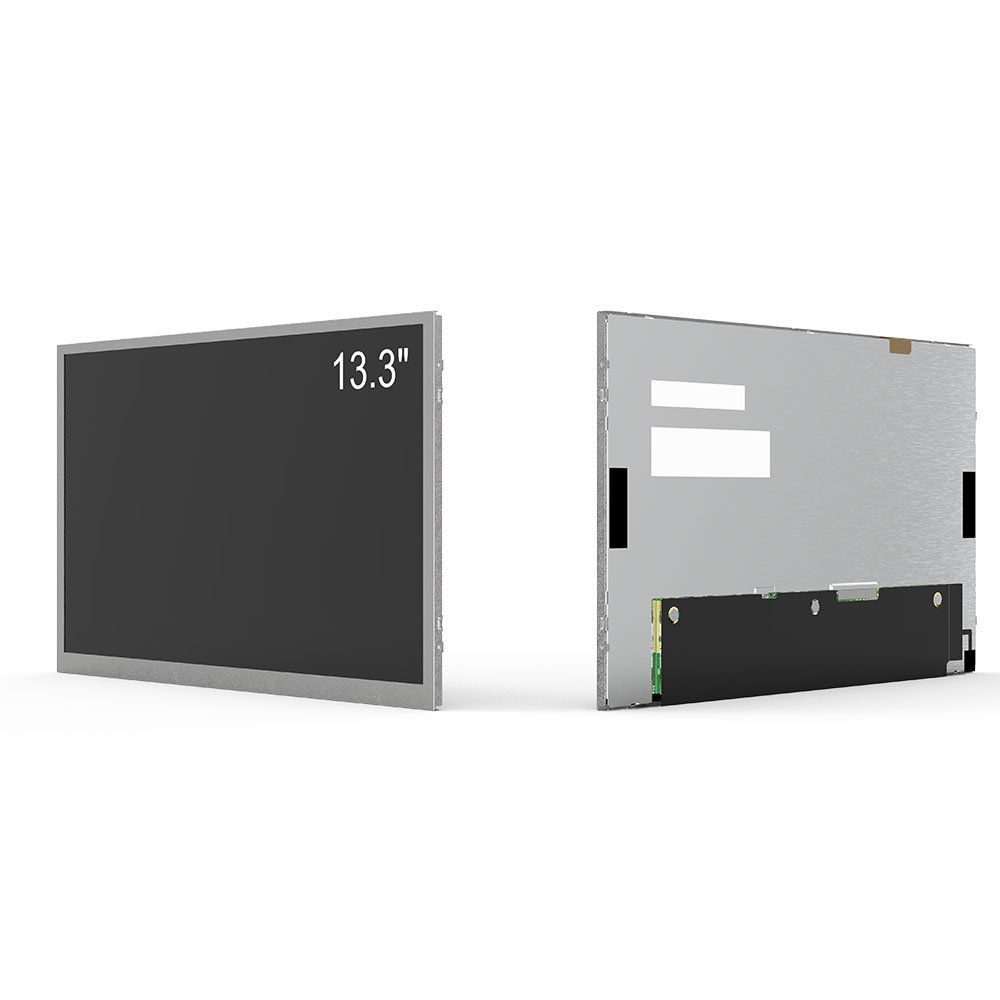
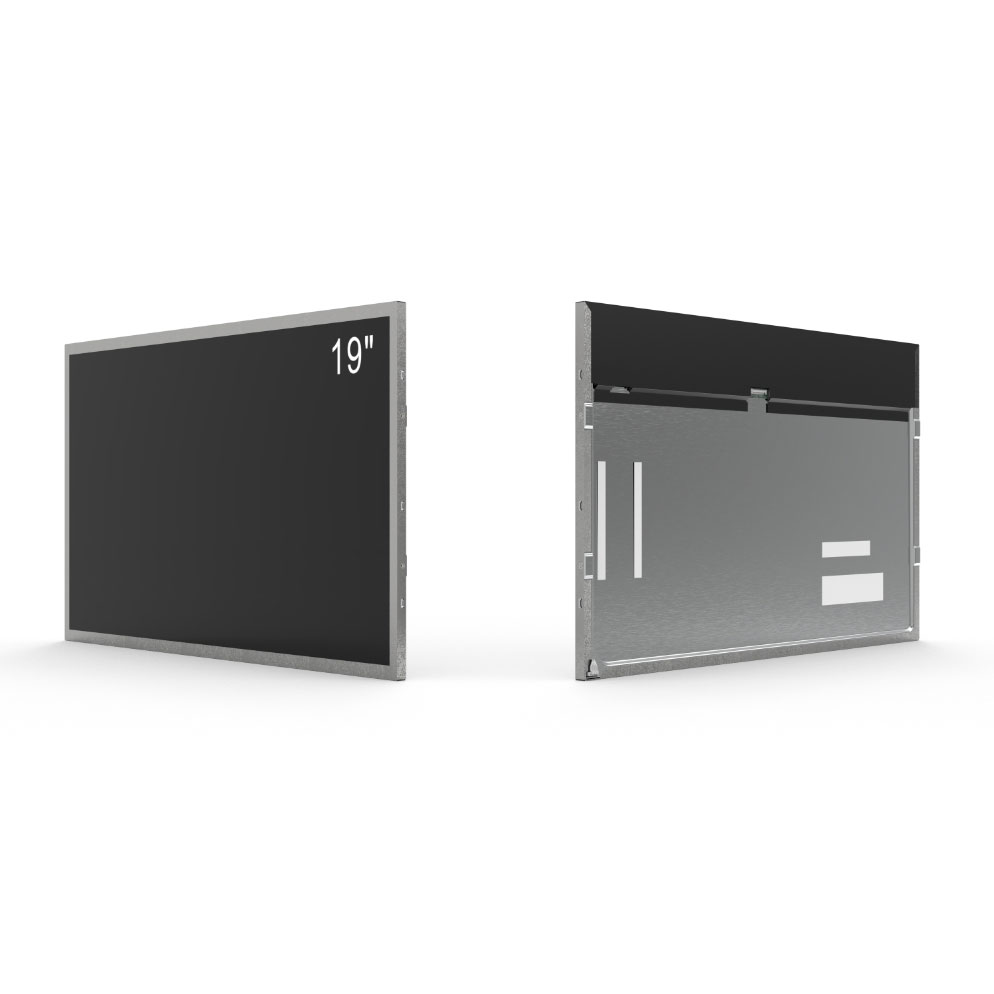
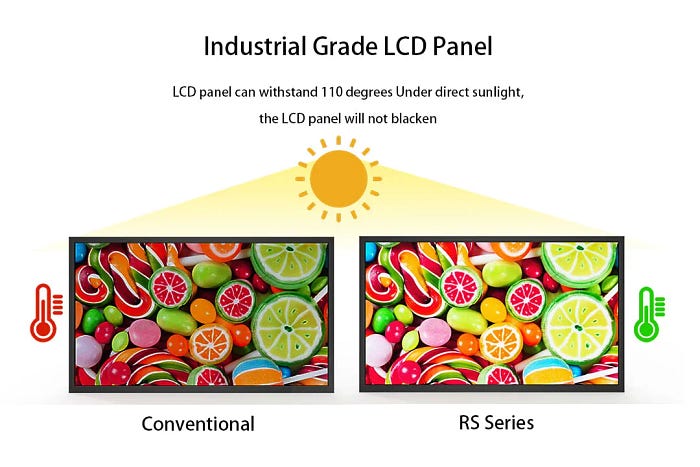
High-brightness sunlight-readable LCD screens have become essential in modern outdoor display technology, particularly in military, industrial, transportation, and consumer electronics sectors. These displays are engineered to maintain visibility under direct sunlight, often exceeding 5,000 nits of brightness—far above the typical 200–300 nits found in indoor LCDs. The core technology relies on high-luminance LED backlighting, anti-glare coatings, polarization filters, and advanced contrast enhancement algorithms. According to a 2023 report by MarketsandMarkets, the global sunlight-readable display market is projected to reach $6.7 billion by 2028, growing at a CAGR of 9.4%, driven by demand in defense systems, smart city infrastructure, and automotive dashboards.
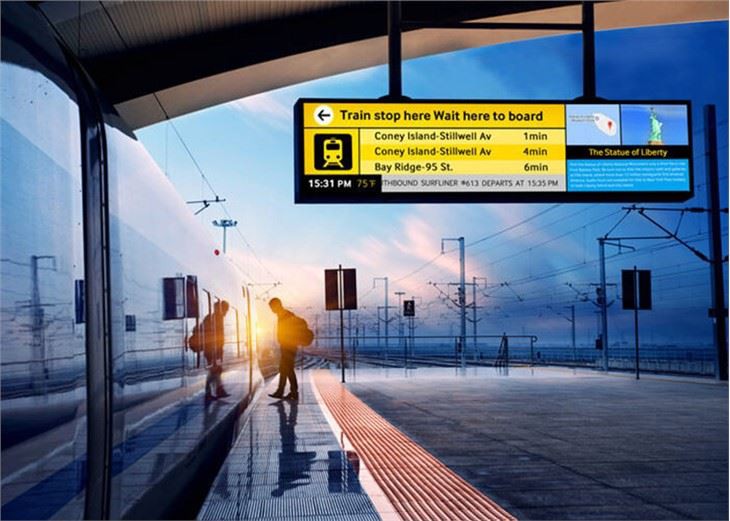
Practical applications include avionics displays in military aircraft (such as the F-35’s helmet-mounted system), digital signage in public transit hubs like London Underground, and ruggedized tablets used in construction and agriculture. In the automotive sector, manufacturers like Tesla and BMW now integrate sunlight-readable screens into their infotainment systems to ensure usability during daytime driving. Additionally, these displays are critical in emergency response devices, where visibility under harsh conditions can mean life-or-death decisions.
The advantages of high-brightness sunlight-readable LCDs are numerous. They reduce eye strain in bright environments, enhance safety in mission-critical operations, and extend device battery life through adaptive brightness control. Unlike OLED or e-ink displays, LCD-based solutions offer better color consistency and faster refresh rates, making them ideal for dynamic content such as video playback or real-time data visualization.
However, common problems persist. Heat dissipation remains a challenge—high brightness increases power consumption and thermal load, which can degrade screen longevity if not properly managed. For example, a 2021 study published in the IEEE Transactions on Components, Packaging and Manufacturing Technology noted that improper thermal design led to premature pixel degradation in over 30% of field-tested units. Another issue is cost; high-brightness modules can be 3–5 times more expensive than standard LCDs due to specialized materials and manufacturing processes.
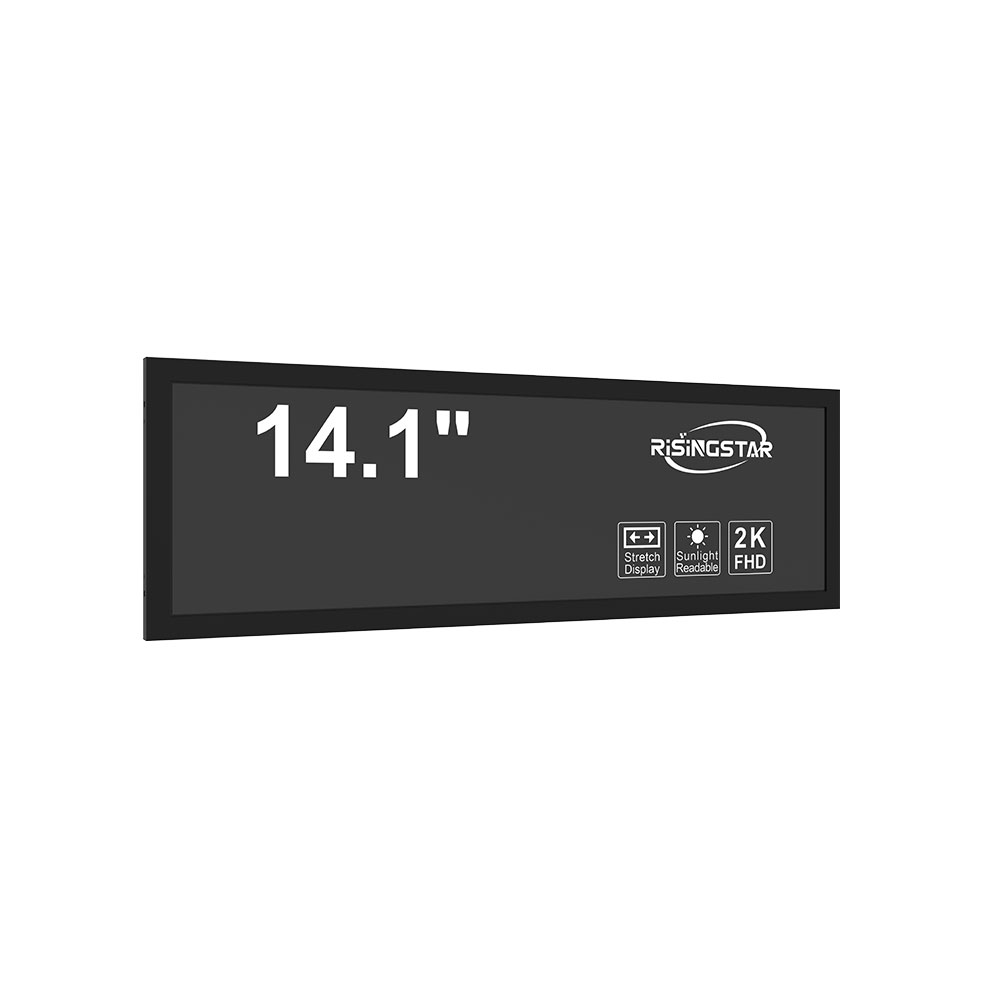
The latest trends point toward mini-LED and micro-LED backlights, offering localized dimming and higher peak brightness (up to 10,000 nits) without sacrificing efficiency. Companies like LG Display and BOE have introduced new panel architectures that combine HDR compatibility with IP67-rated dust and water resistance, targeting both industrial and consumer markets. Moreover, AI-driven automatic brightness adjustment using ambient light sensors and machine learning models is becoming standard in premium outdoor displays—a trend accelerated by Apple’s recent patent filings for adaptive screen technology.
For engineers and procurement managers, selecting a sunlight-readable LCD requires evaluating luminance (nits), viewing angle, contrast ratio, operating temperature range (-20°C to +70°C), and compliance with MIL-STD-810G for environmental durability. When paired with proper mechanical shielding and UV-resistant front glass, these displays deliver reliable performance even in extreme conditions like deserts or arctic climates.