RisingStar
- Home
- About Us
- Products
- News
- Video
- Contact
- Send Inquiry
Search
- Home
- About Us
- Products
- News
- Video
- Contact
- Send Inquiry
RisingStar
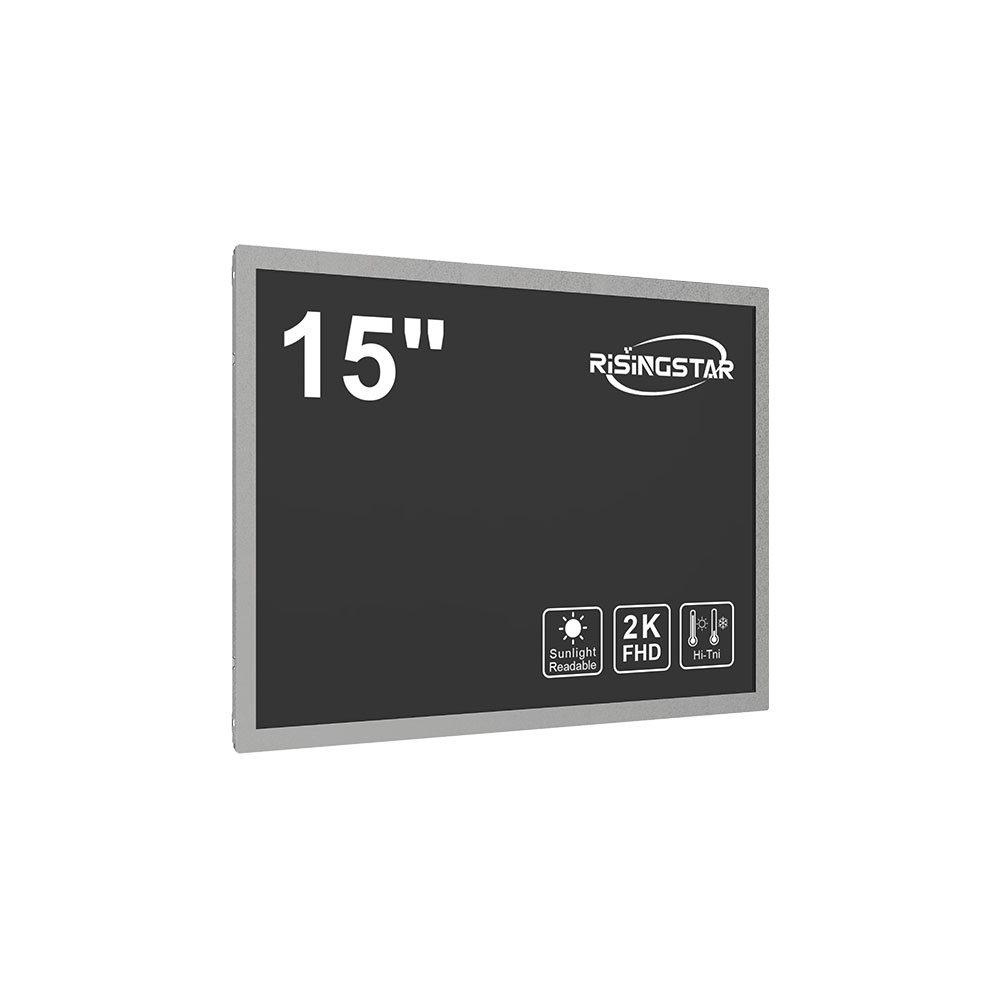
In today’s increasingly connected and mobile-driven world, high-brightness sunlight-readable LCD screens have become indispensable in outdoor environments where visibility under direct sunlight is critical. These displays are engineered to maintain clarity, contrast, and responsiveness even when exposed to intense solar radiation—making them essential in industries such as transportation, defense, agriculture, industrial automation, and public information systems.
A key factor in the performance of these screens lies in their peak brightness levels. While standard indoor LCDs typically operate at 250–300 nits, sunlight-readable LCDs must exceed 5,000 nits to remain legible under direct sunlight. This requirement is based on research from the Society for Information Display (SID), which states that human visual perception in daylight conditions necessitates a display brightness that significantly exceeds ambient lighting levels to prevent eye strain and ensure readability.
To achieve this, manufacturers employ advanced backlighting technologies such as LED arrays with high-efficiency drivers, optical enhancement films (OEFs), and polarizer coatings. For example, some military-grade LCDs use cold cathode fluorescent lamps (CCFLs) or high-power LEDs in combination with diffusers and reflectors to uniformly distribute light across the screen while minimizing power consumption. Additionally, anti-glare and anti-reflection coatings reduce surface reflections, improving contrast ratios by up to 60% compared to uncoated panels—a crucial factor for real-time data monitoring in harsh environments.
Another innovation is the integration of automatic brightness control (ABC) systems. These sensors detect ambient light levels and dynamically adjust the screen's luminance, thereby conserving battery life in portable devices like handheld terminals used in logistics or field service operations. According to a 2023 case study by LG Display, ABC-enabled high-brightness LCDs in ruggedized tablets extended operational time by an average of 35% in field deployments.
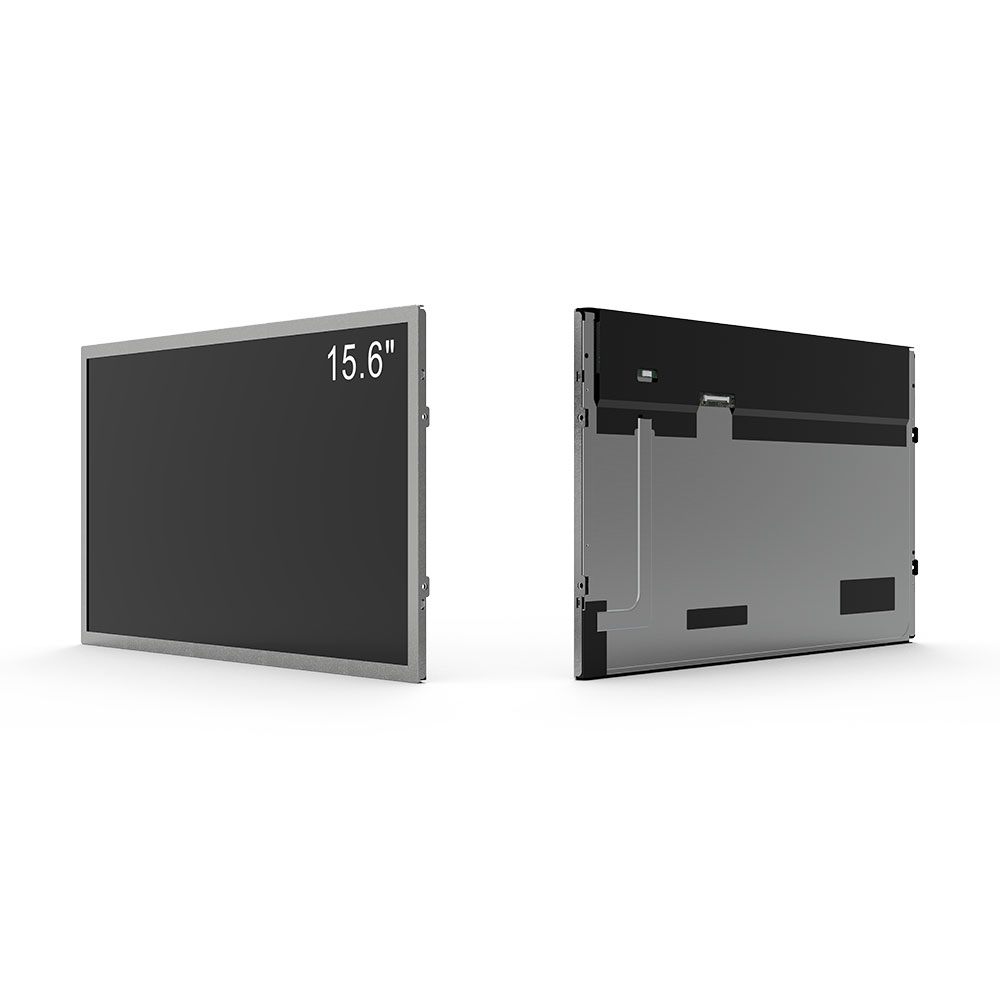
Moreover, the choice of liquid crystal materials also impacts performance. Twisted Nematic (TN) and In-Plane Switching (IPS) technologies are commonly used, but IPS offers superior viewing angles and color accuracy, making it ideal for professional applications such as medical diagnostics or agricultural equipment interfaces. For instance, a 2022 project by John Deere incorporated 1000-nit IPS-based LCDs into their GPS-guided tractors, enabling farmers to view maps and yield data clearly during midday operations without squinting or adjusting positioning.
Environmental resilience is equally important. Sunlight-readable LCDs must withstand extreme temperatures (-30°C to +70°C), humidity, vibration, and dust ingress. The IP65 and IP67 ratings are industry standards for protection against water and dust, ensuring long-term reliability in outdoor settings like construction sites or marine navigation systems.
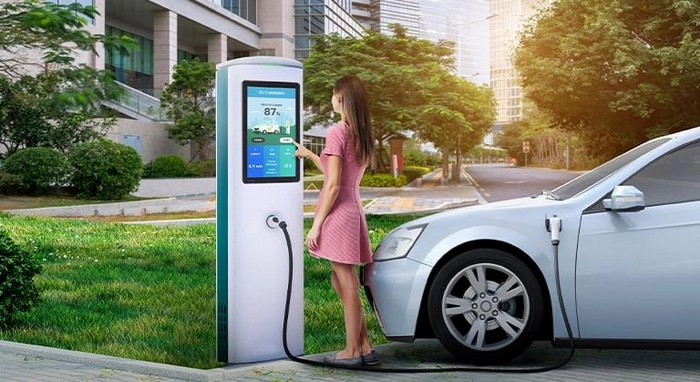
Recent advancements include the adoption of micro-LED backlighting and quantum dot-enhanced displays, which not only boost brightness but also improve energy efficiency and lifespan. As per a 2024 report by IDTechEx, the global market for high-brightness LCDs is projected to grow at a CAGR of 9.2% through 2030, driven by demand from smart cities, electric vehicles, and autonomous machinery.
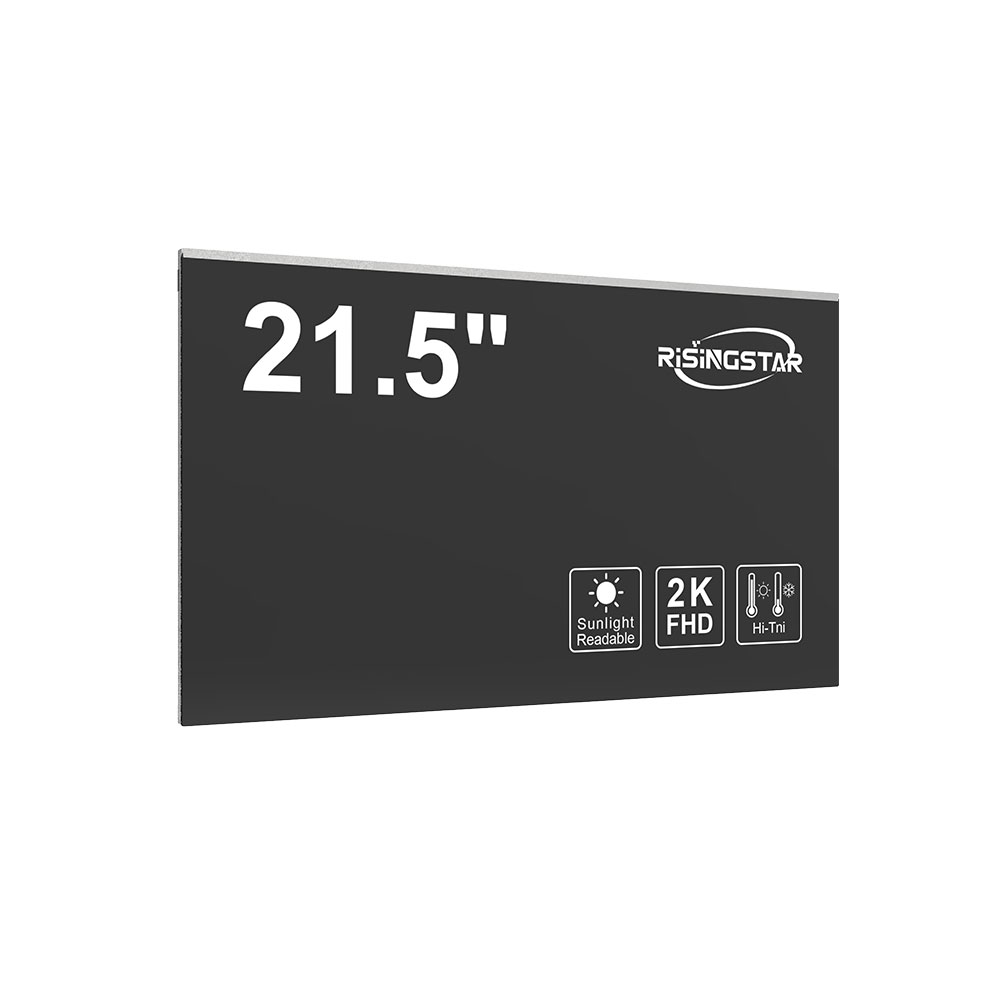
Ultimately, selecting the right high-brightness sunlight-readable LCD involves understanding application-specific needs—whether it's emergency vehicle dashboards, outdoor kiosks, or aviation instrumentation—and working with suppliers who adhere to MIL-STD-810G and ISO 16750 standards for durability and performance verification.