RisingStar
- Home
- About Us
- Products
- News
- Video
- Contact
- Send Inquiry
Search
- Home
- About Us
- Products
- News
- Video
- Contact
- Send Inquiry
RisingStar
In the rapidly evolving world of display technology, high-brightness sunlight-readable LCD screens have become indispensable in outdoor and harsh environmental applications. These specialized displays are engineered to maintain clarity, contrast, and readability even under direct sunlight, where conventional LCDs often fail due to ambient light interference. As per industry standards such as MIL-STD-188-134B and ISO 13406-2, these screens must achieve luminance levels of at least 5,000 nits—far exceeding typical indoor displays that operate at 300–500 nits—to ensure usability in bright daylight conditions.
The core of a sunlight-readable LCD lies in its advanced backlighting system, which typically employs LED arrays with localized dimming or full-array backlights enhanced by optical films like brightness enhancement films (BEFs) and diffusers. Unlike standard LCDs that rely on uniform illumination, these displays use dynamic contrast control algorithms to boost brightness only where needed—reducing power consumption while maximizing visibility. For instance, automotive dashboards, military command systems, and public transportation kiosks all benefit from this intelligent approach, enabling reliable performance without overheating or excessive battery drain.
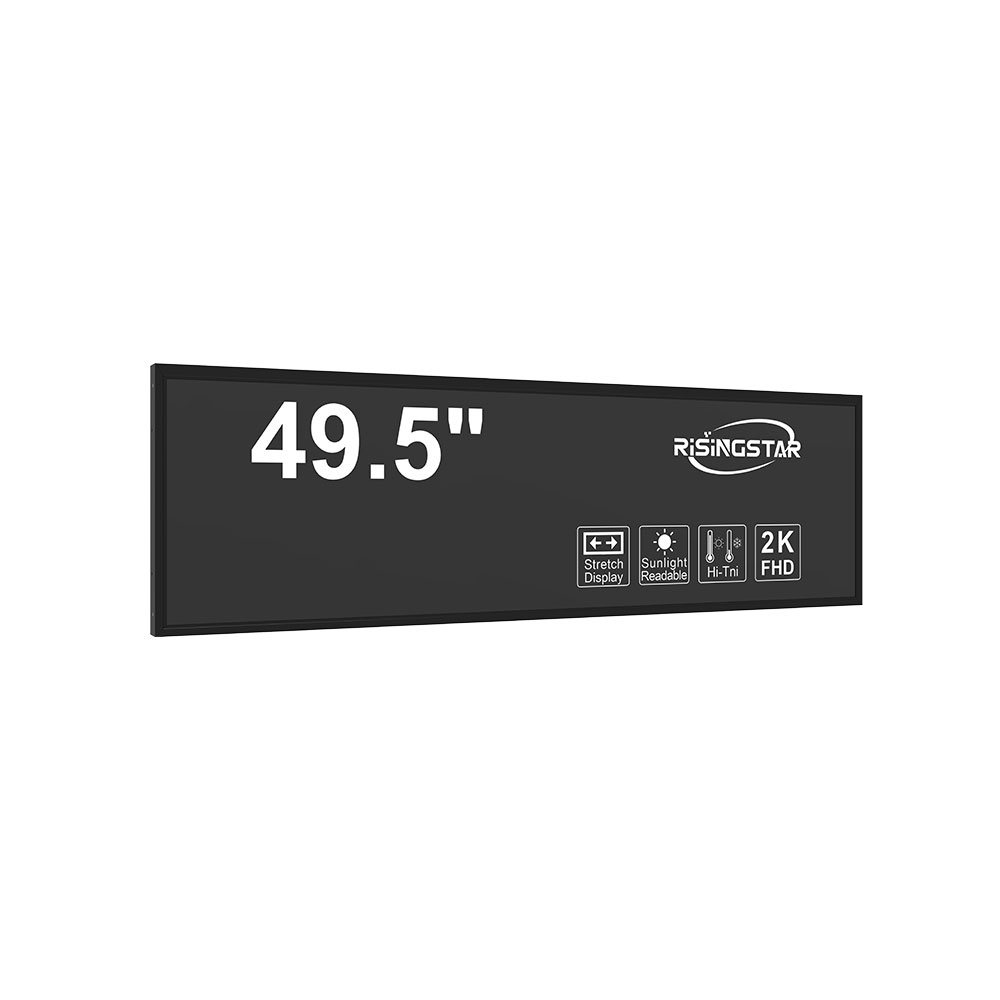
Moreover, manufacturers integrate anti-reflective coatings, polarized glass layers, and specialized surface treatments (such as matte or micro-louvered surfaces) to minimize glare and improve viewing angles. According to a 2023 study published in the Journal of Display Technology by IEEE, these enhancements can reduce reflected light intensity by up to 70%, significantly improving legibility during peak solar hours. This is especially critical in environments like construction sites, agricultural monitoring stations, and emergency response vehicles where quick decision-making relies on clear visual input.
Case studies from companies like Eizo, Sharp, and LG Display demonstrate real-world success. In one notable example, a U.S. Department of Defense project deployed custom-built 15-inch sunlight-readable panels across field communication devices used in desert warfare simulations. The panels achieved consistent readability at over 10,000 nits, allowing soldiers to access mission-critical data under extreme heat and sun exposure. Similarly, public transit operators in Dubai and Singapore now use these displays in bus stop information systems, reducing user complaints about unreadable screens during midday operations.
From a manufacturing perspective, materials play a vital role. High-purity liquid crystals, robust TFT-LCD substrates, and protective coatings resistant to UV degradation ensure long-term durability. Additionally, compliance with international certifications like IP65 (dustproof and water-resistant) and RoHS (restriction of hazardous substances) ensures both safety and sustainability. With rising demand driven by smart cities, IoT-enabled infrastructure, and autonomous vehicle development, the global market for sunlight-readable displays is projected to grow at a CAGR of 9.4% through 2030, according to MarketsandMarkets research.
Ultimately, choosing the right high-brightness sunlight-readable LCD involves balancing luminance, power efficiency, environmental resilience, and cost-effectiveness. Whether for industrial, military, or commercial use, understanding the underlying technologies—from optical engineering to thermal management—is essential for optimal deployment in demanding outdoor scenarios.