RisingStar
- Home
- About Us
- Products
- News
- Video
- Contact
- Send Inquiry
Search
- Home
- About Us
- Products
- News
- Video
- Contact
- Send Inquiry
RisingStar
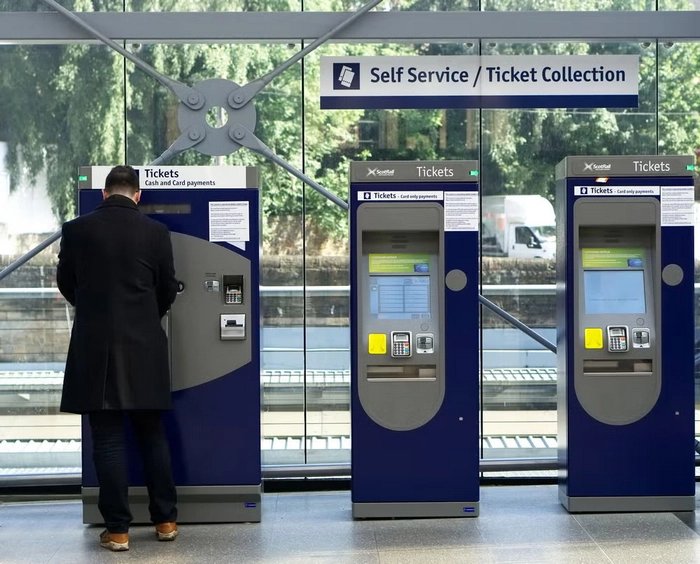
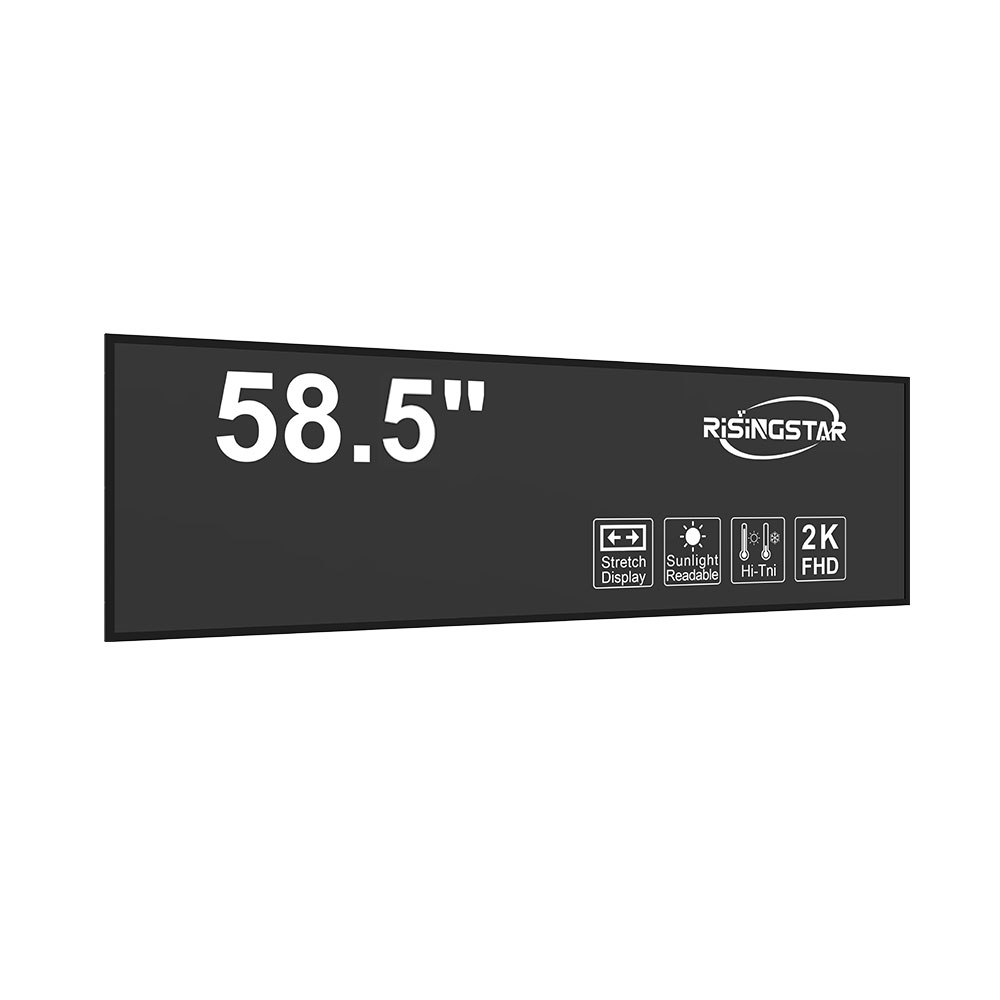
In the rapidly evolving world of display technology, high-brightness sunlight-readable LCD screens have become indispensable in outdoor and harsh environmental applications. These specialized displays are engineered to maintain clarity, contrast, and readability even under direct sunlight, where conventional LCDs often fail due to ambient light interference. As per industry standards such as MIL-STD-188-134B and ISO 13406-2, these screens must achieve luminance levels of at least 5,000 nits—far exceeding typical indoor displays that operate at 300–500 nits—to ensure usability in bright daylight conditions.
The core of a sunlight-readable LCD lies in its advanced backlighting system, which typically employs LED arrays with localized dimming or full-array backlights enhanced by optical films like brightness enhancement films (BEFs) and diffusers. Unlike standard LCDs that rely on uniform illumination, these displays use dynamic contrast control algorithms to boost brightness only where needed—reducing power consumption while maximizing visibility. For instance, automotive dashboards, military command systems, and public transportation kiosks all benefit from this intelligent approach, enabling reliable operation in extreme temperatures ranging from -40°C to +70°C.
Manufacturers such as Sharp, LG Display, and Japan Display Inc. have pioneered innovations in anti-glare coatings and polarizer layers that minimize reflection while maintaining color accuracy. The use of etched glass, micro-louvered filters, and surface texturing further reduces specular reflection—a key challenge in outdoor visibility. Case studies from the U.S. Department of Defense highlight successful deployment of 7,000-nit displays in battlefield communication devices, where real-time data access was critical during daytime operations.
Moreover, modern high-brightness LCDs integrate touch functionality using projected capacitive (PCAP) technology, allowing multi-touch input even when wearing gloves—an essential feature for industrial workers and first responders. Energy efficiency remains a priority, with adaptive brightness sensors adjusting output based on ambient light levels, thus extending battery life in mobile units.
These displays also comply with IP65/IP67 ingress protection ratings, ensuring dust and water resistance for use in construction sites, agricultural machinery, and marine environments. The global market for high-brightness LCDs is projected to grow at a CAGR of 6.3% through 2030, driven by demand in smart cities, autonomous vehicles, and ruggedized IoT devices.
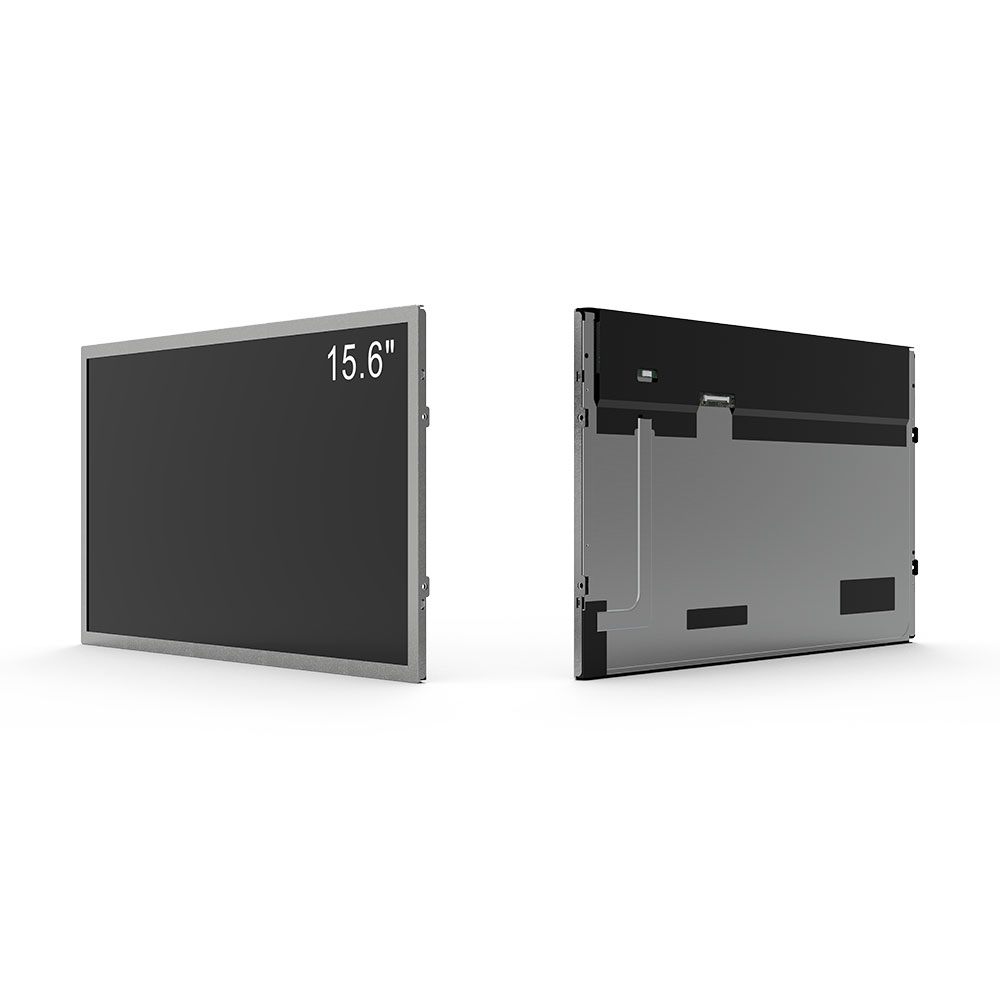
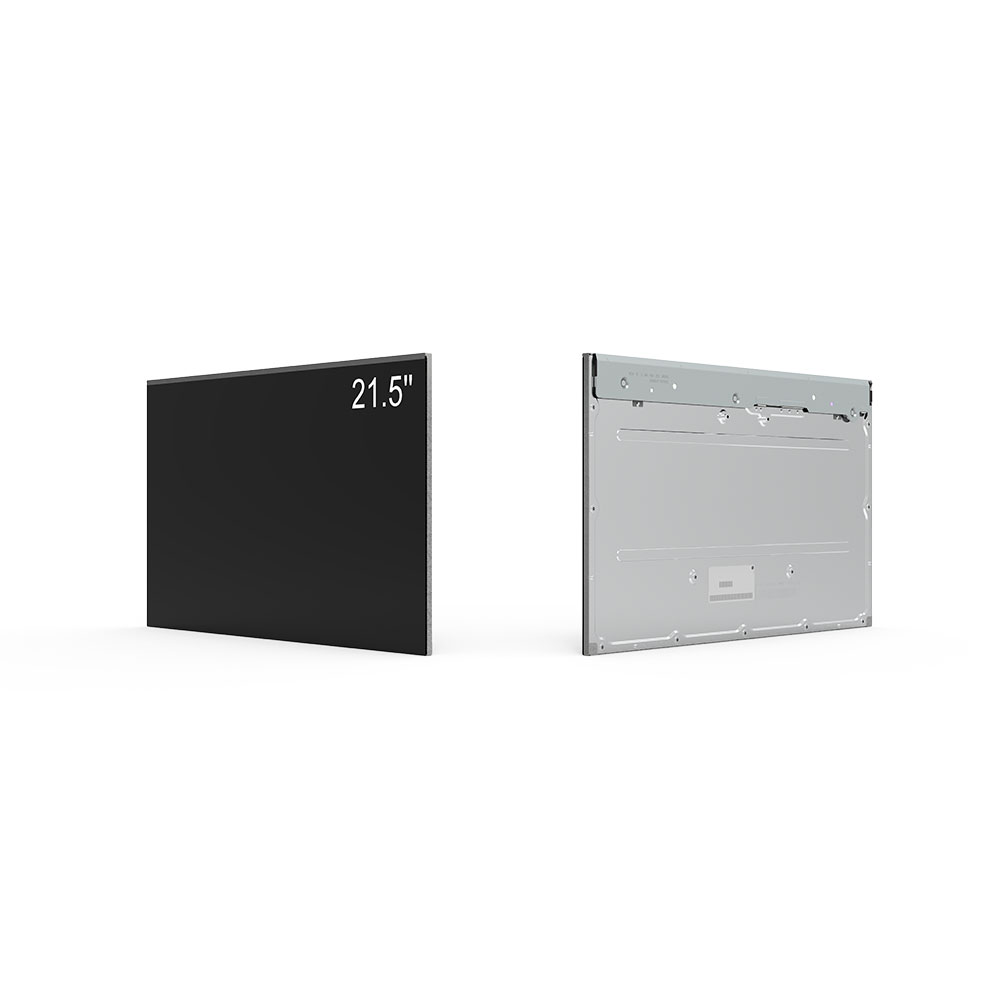
For engineers and product designers, selecting the right screen involves evaluating not just peak brightness but also contrast ratio, viewing angles, response time, and thermal management. Leading manufacturers now offer customized solutions tailored to specific OEM requirements, including custom bezels, ruggedized enclosures, and embedded firmware for remote diagnostics.
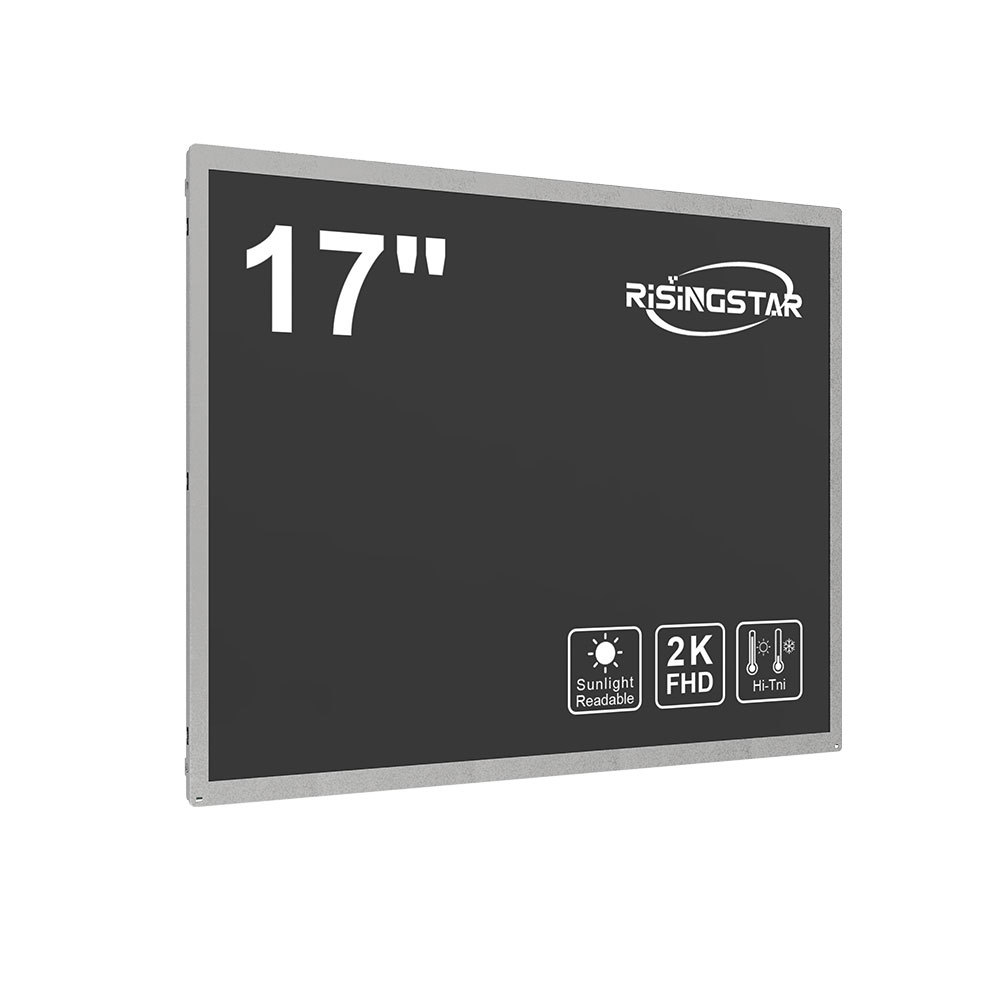
As the need for human-machine interfaces (HMIs) in outdoor settings continues to expand—from solar farms to drone control panels—high-brightness sunlight-readable LCD technology stands out as a mature, reliable, and scalable solution rooted in decades of engineering refinement.