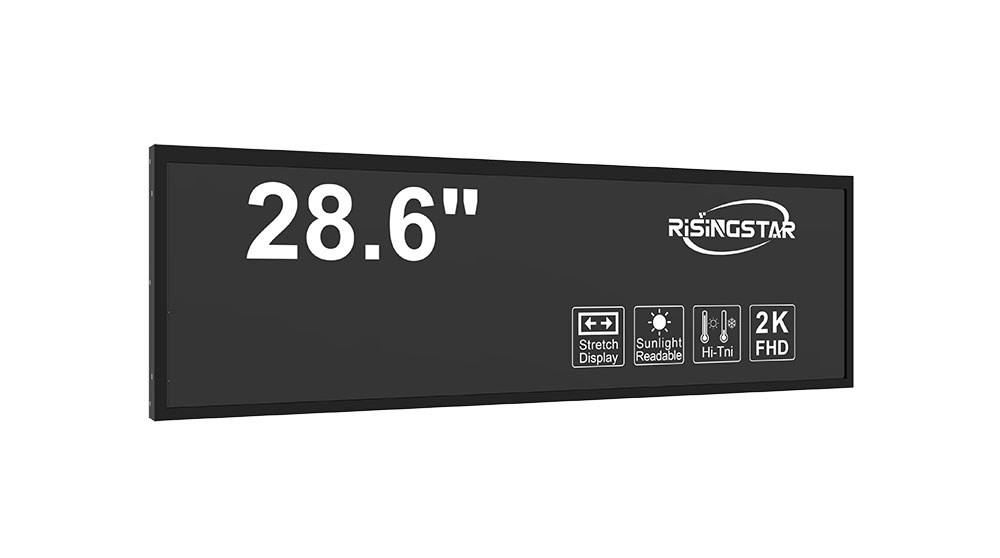
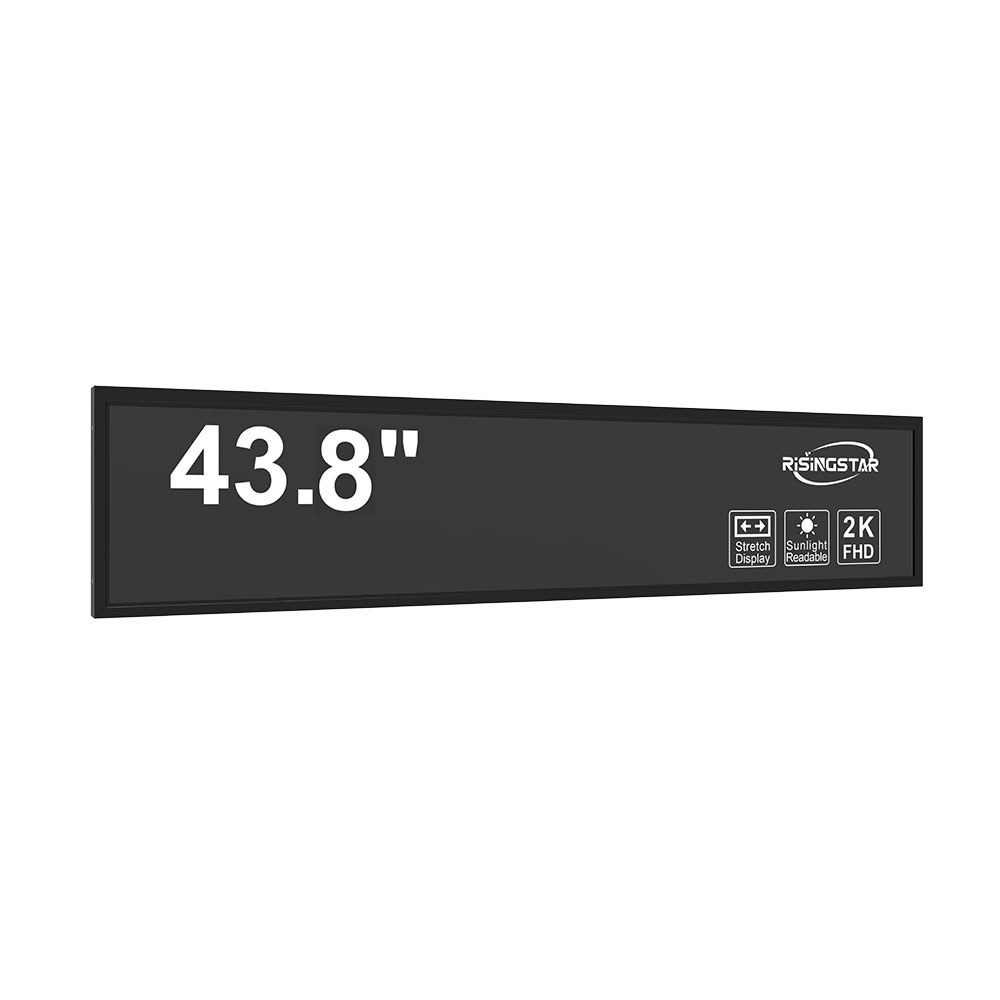
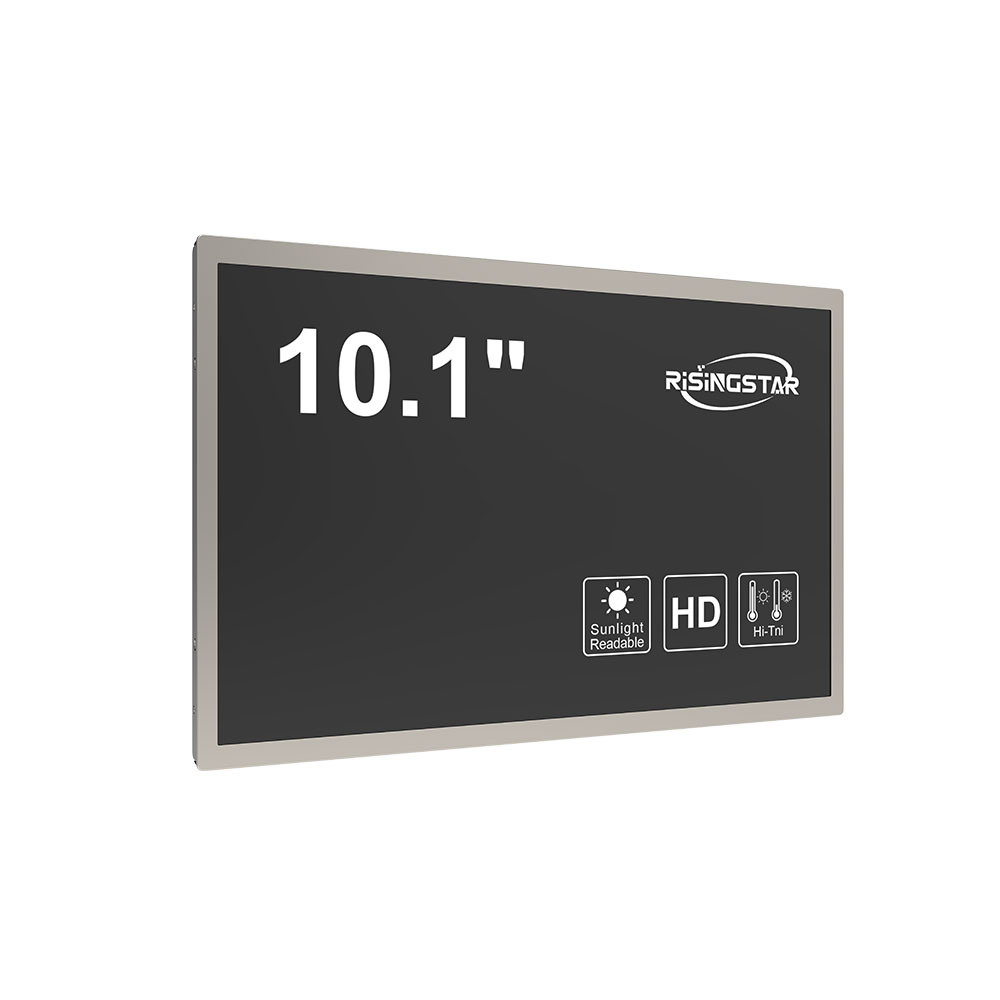
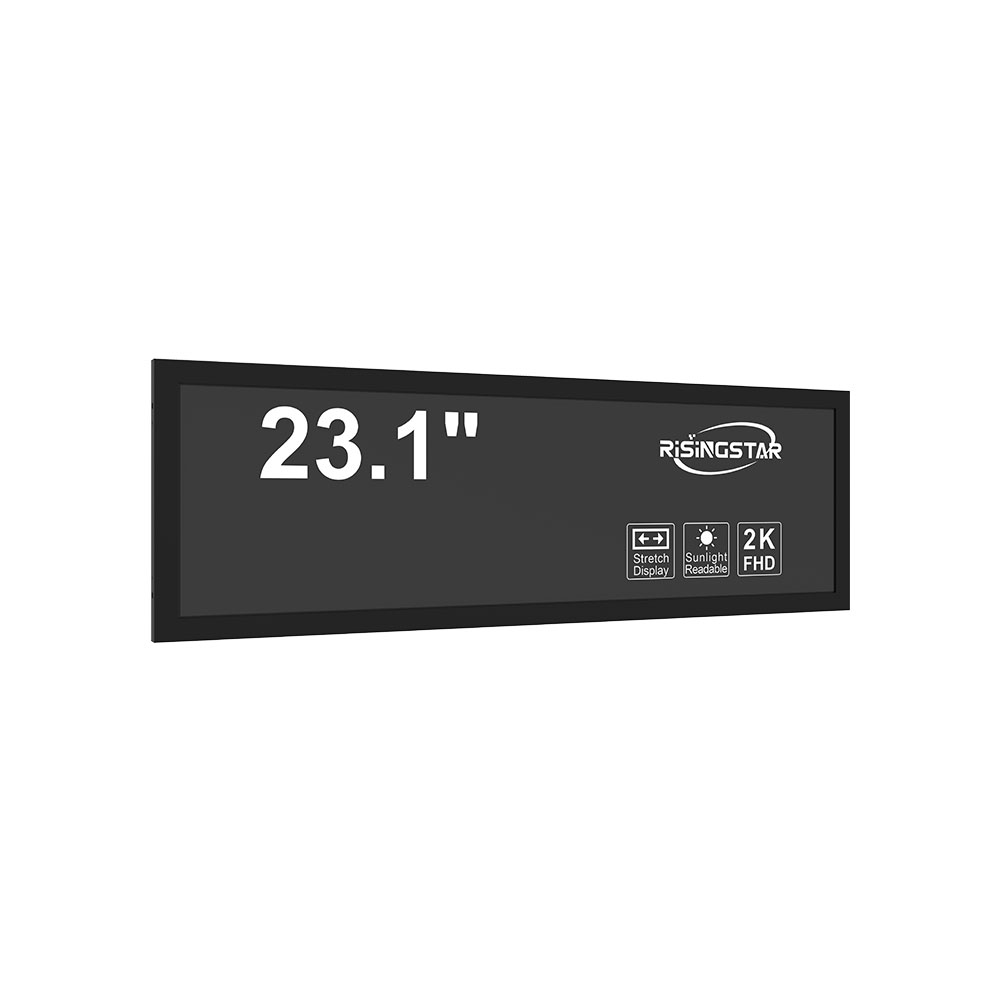
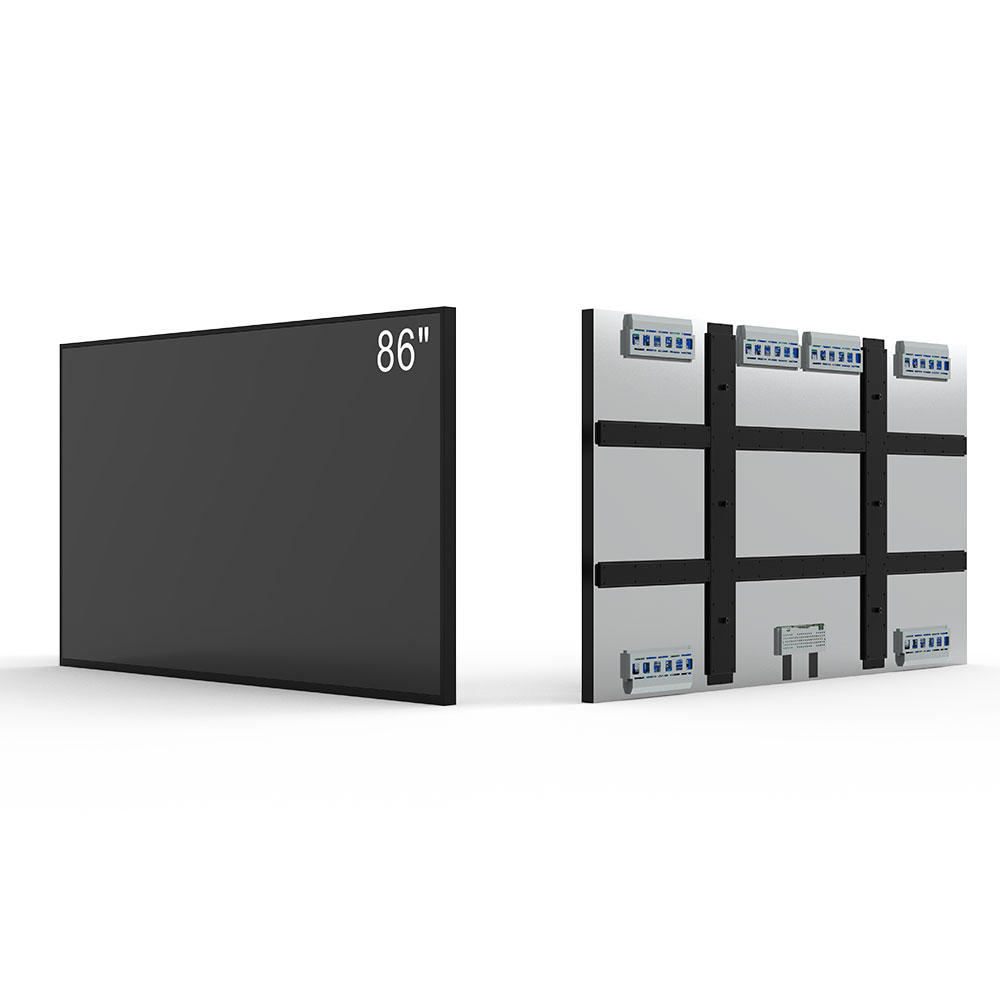
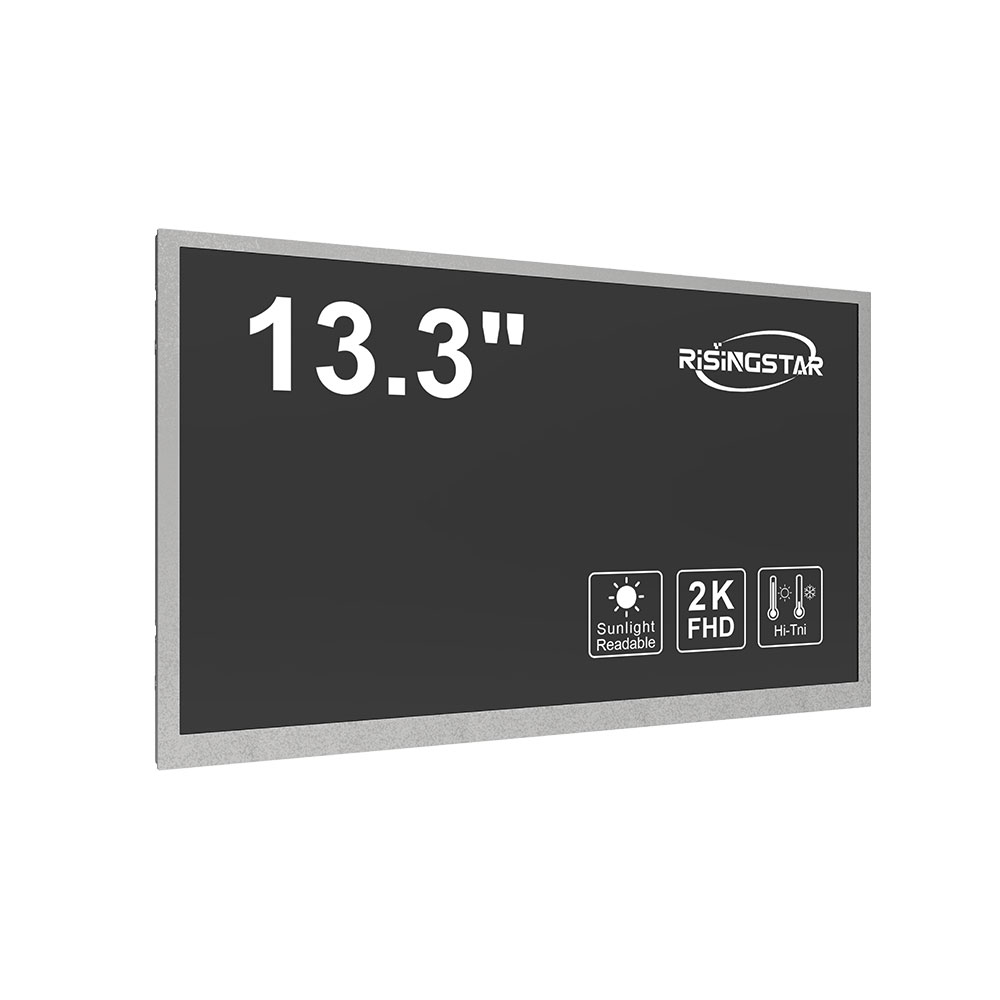
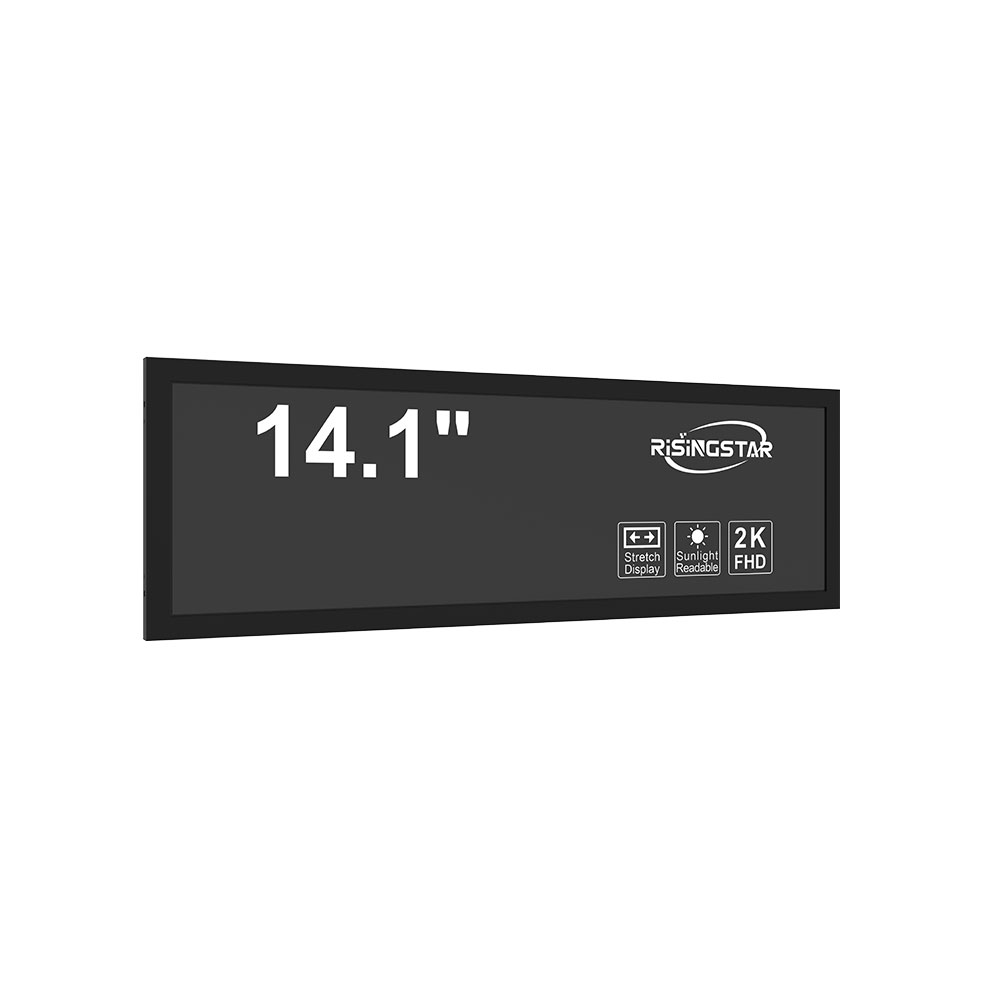
In industrial, military, transportation, and outdoor applications, visibility under direct sunlight is a critical requirement for display systems. The strip screen series — including sizes such as 14.1", 19", 19.5", 21.2", 23.1", 24", 28", 28.6", 29", 29.4", 36.6", 37", 37.6", 42", 43", 48.3", 48.5", 49.3", 49.5", 56.6", 58.4", 58.6", and up to 86" — represents a growing segment of high-brightness, sunlight-readable LCD technology designed specifically for extreme lighting conditions. These screens are engineered using advanced technologies like transflective liquid crystal displays (LCDs), anti-glare coatings, dynamic backlighting, and high-luminance LED arrays to ensure legibility even in full sun exposure exceeding 100,000 lux.
The key innovation lies in balancing brightness, power efficiency, and thermal management. For instance, a 42" strip screen used in a military vehicle must deliver at least 5,000 nits of peak brightness while maintaining low power consumption and resisting vibration. According to the MIL-STD-810H standard, these displays undergo rigorous testing for shock, temperature extremes, humidity, and electromagnetic interference. Leading manufacturers like EIZO, LG Display, and COTC have developed proprietary solutions such as integrated ambient light sensors that automatically adjust brightness based on real-time environmental data, improving both user experience and energy efficiency.
In commercial applications like truck dashboards or public transit kiosks, 28"–49.5" strip screens offer high-resolution clarity with wide viewing angles and fast response times—often 1ms or less—to reduce motion blur during dynamic operations. OLED variants within this series provide superior contrast ratios (up to 1,000,000:1), making them ideal for outdoor digital signage where visual impact matters. However, for ultra-high brightness needs (>10,000 nits), LED-backlit LCDs remain the industry standard due to their durability and cost-effectiveness.
Case studies from aerospace firms like Airbus and defense contractors like Lockheed Martin confirm that integrating 58.4" and 86" strip screens into cockpit displays significantly improves pilot situational awareness in bright daylight scenarios. Similarly, in construction equipment, 21.2" and 24" models enable operators to read GPS maps and machine diagnostics clearly under harsh UV exposure without glare-induced fatigue.
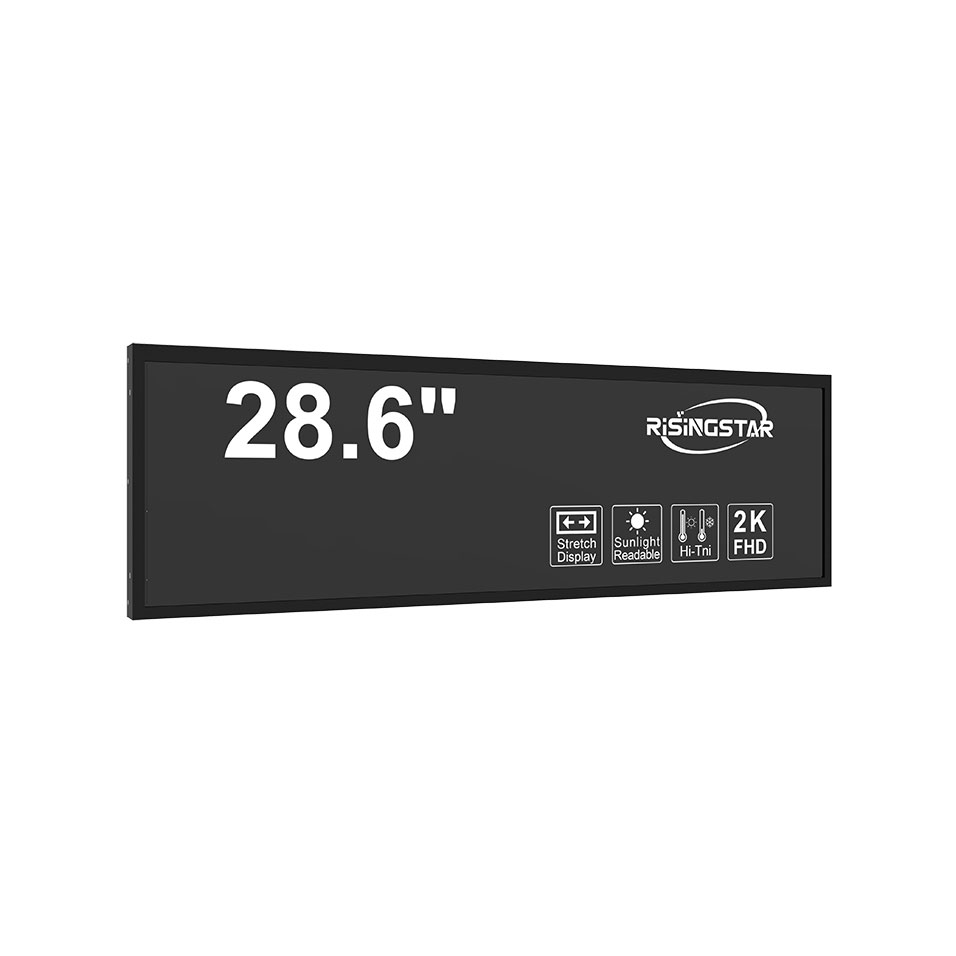
From an engineering perspective, thermal design is paramount. High-brightness strips generate substantial heat; therefore, passive cooling systems (heat sinks) and active ventilation (fan-assisted airflow) are incorporated depending on the application’s enclosure environment. Additionally, conformal coatings and IP67-rated enclosures protect against dust, water ingress, and mechanical stress, ensuring long-term reliability in field deployments.
These strip screens are increasingly adopted in smart cities, solar farms, and autonomous vehicles—where reliable, readable interfaces under all weather conditions are non-negotiable. As global demand for ruggedized displays grows, driven by IoT expansion and Industry 4.0 initiatives, the strip screen market is projected to exceed $3.2 billion by 2027 (Source: MarketsandMarkets, 2024).
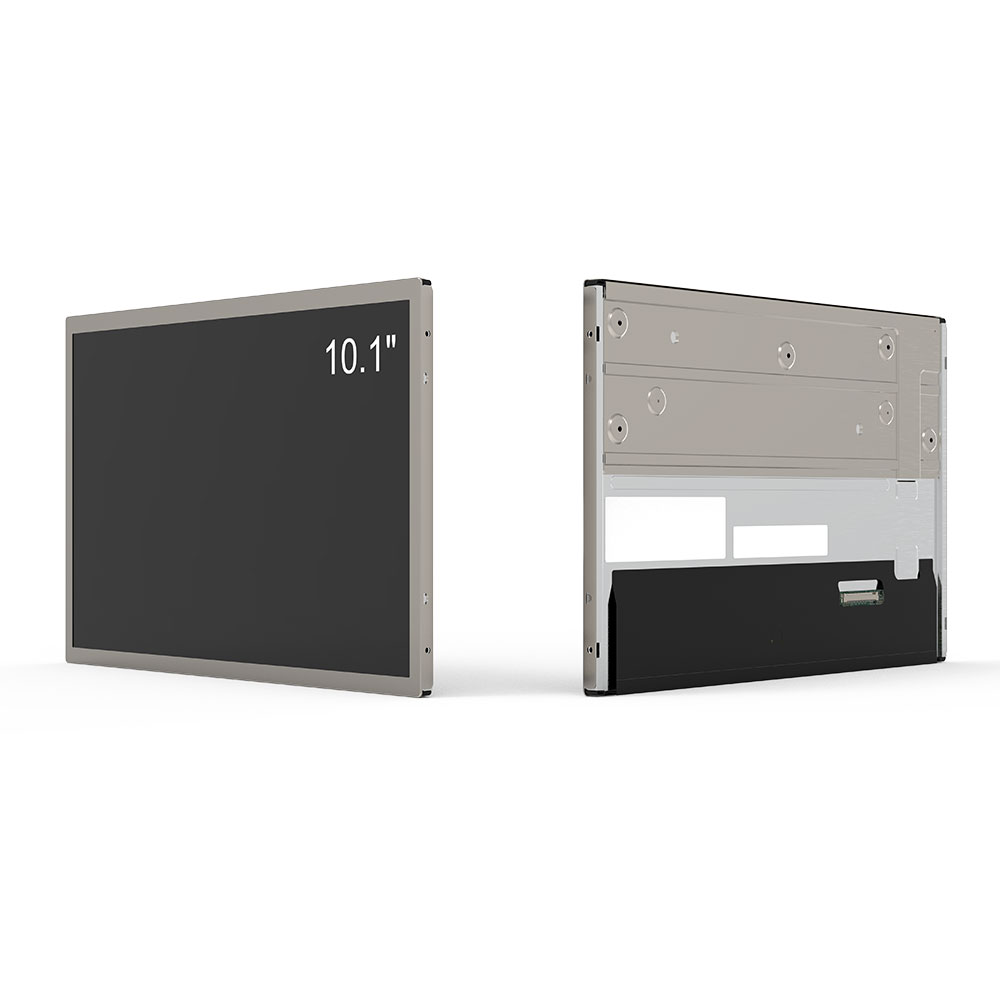
 RisingStar