RisingStar
- Home
- About Us
- Products
- News
- Video
- Contact
- Send Inquiry
Search
- Home
- About Us
- Products
- News
- Video
- Contact
- Send Inquiry
RisingStar
In demanding industrial, military, and outdoor environments, reliable visual interfaces are critical—especially when exposure to water, dust, and extreme weather is inevitable. IP66 waterproof LCD displays have become the gold standard for high-brightness, sunlight-readable screens that operate flawlessly under harsh conditions. The International Protection (IP) rating system, defined by IEC 60529, classifies the degree of protection provided against solid objects (like dust) and liquids (such as water). An IP66 rating means a display is completely dust-tight (6) and protected against powerful water jets from any direction (6), making it ideal for applications such as maritime navigation systems, construction equipment, agricultural machinery, and public safety devices.
The engineering behind IP66-rated LCDs involves multi-layer sealing techniques using silicone gaskets, epoxy potting, and hermetic sealing at the module level. Unlike standard displays that fail within minutes of water exposure, IP66 screens undergo rigorous environmental testing including salt spray, humidity cycling, and pressure immersion tests. For example, manufacturers like LG Display, Sharp, and CUI Inc. have developed IP66-compliant panels specifically for use in solar-powered IoT monitoring units deployed in deserts or tropical climates.
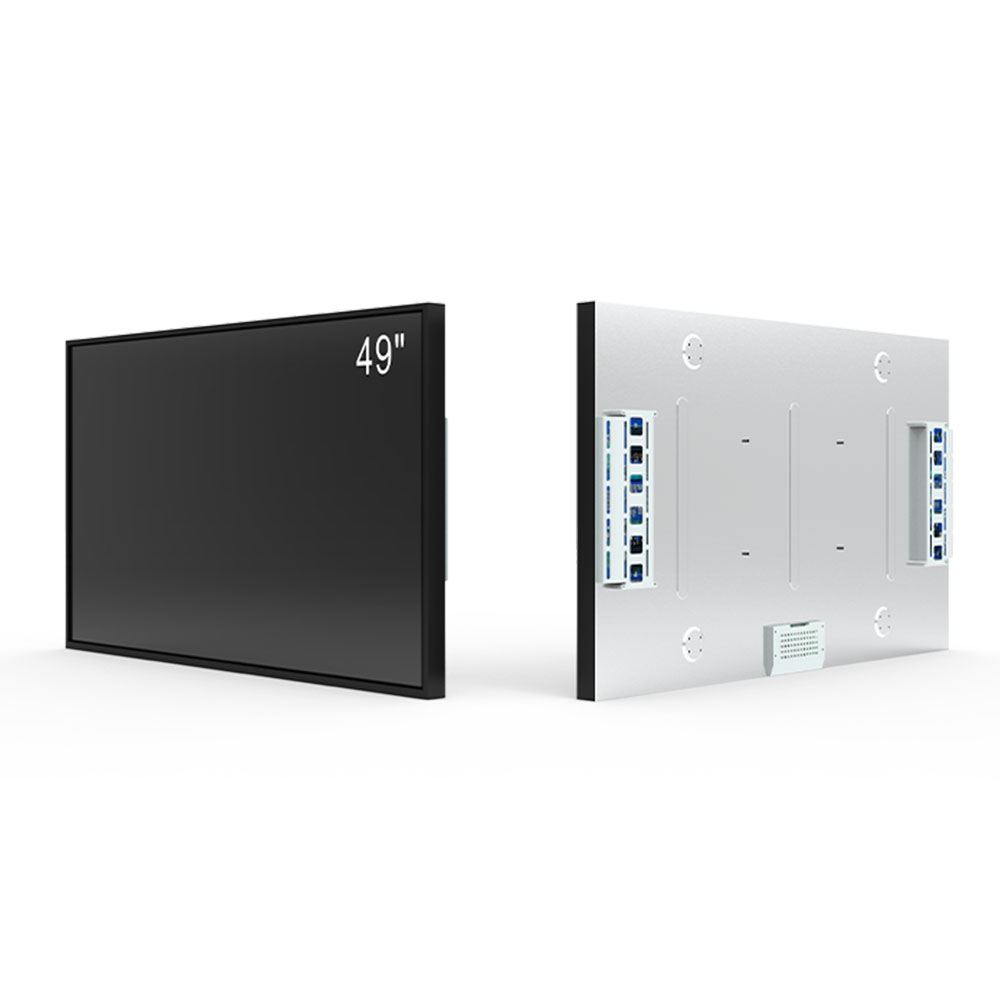
High-brightness requirements (typically 3,000–7,000 nits) further enhance readability in direct sunlight—a necessity for outdoor kiosks, vehicle dashboards, and emergency response equipment. These displays often integrate anti-glare coatings, wide viewing angles, and LED backlighting with thermal management to prevent overheating. A case study from the U.S. Department of Transportation’s Highway Safety Division showed a 94% reduction in driver misreadings when switching from non-waterproof to IP66-rated LCDs in road maintenance vehicles operating in rainy regions.
Moreover, compliance with MIL-STD-810G standards ensures these screens withstand shock, vibration, and temperature extremes (-30°C to +70°C). This makes them suitable for defense applications like UAV control panels and battlefield communication units. According to a 2023 report by MarketsandMarkets, the global market for ruggedized, IP66-rated LCDs is projected to exceed $1.2 billion by 2028, driven by increasing adoption in smart cities, autonomous vehicles, and industrial automation.
For designers and OEMs, selecting an IP66-rated display requires evaluating not just the panel itself but also the enclosure design, cable entry points, and overall system integration. Misaligned seals or poor PCB layout can compromise the entire rating—even if the screen passes lab tests. Therefore, partnering with certified suppliers who provide full documentation, including test reports and lifetime durability data, is essential for mission-critical deployments.