RisingStar
- Home
- About Us
- Products
- News
- Video
- Contact
- Send Inquiry
Search
- Home
- About Us
- Products
- News
- Video
- Contact
- Send Inquiry
RisingStar
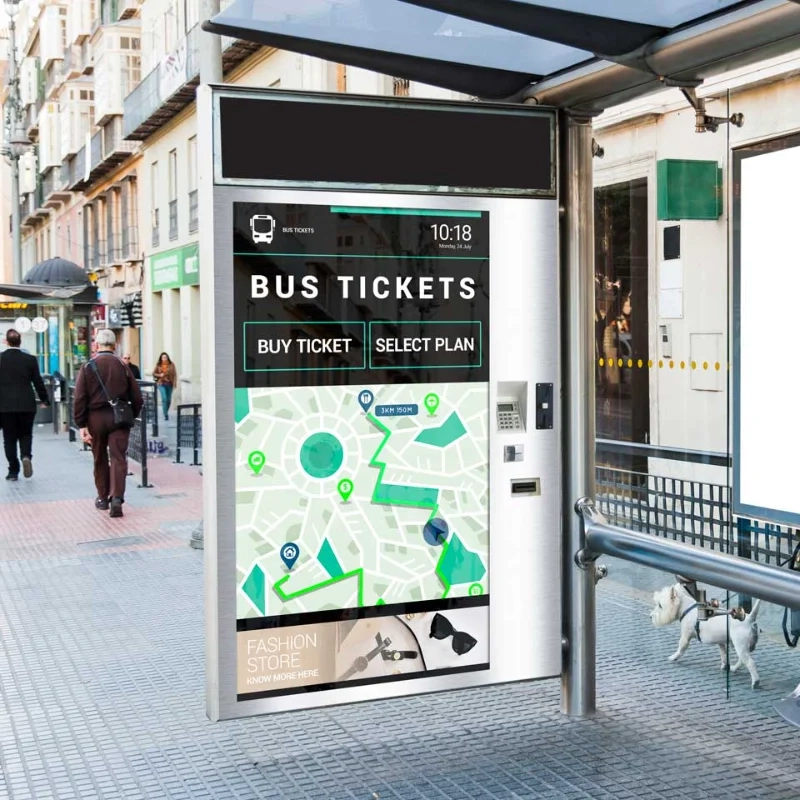
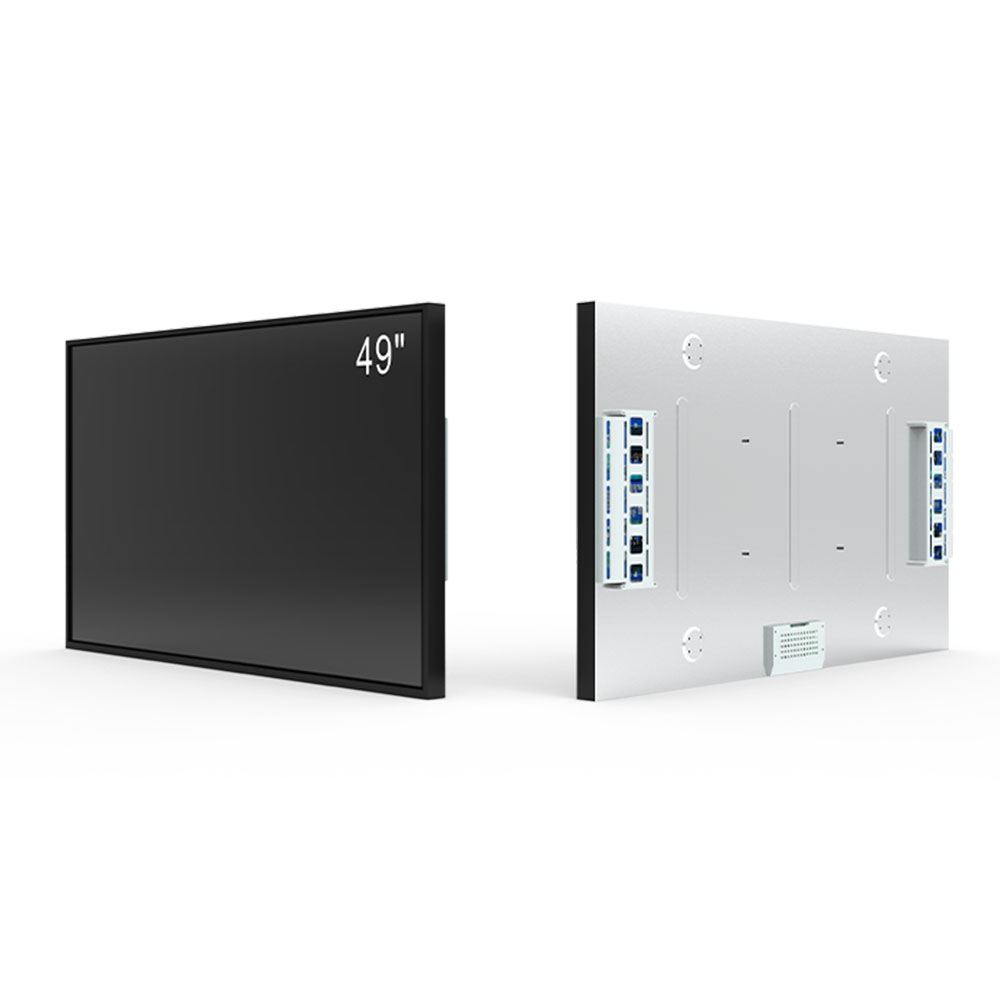
In today’s increasingly demanding industrial, military, aerospace, and outdoor applications, high-brightness sunlight-readable LCD screens have become essential tools for reliable human-machine interfaces (HMIs). With display ratios standardized at 16:9 — the industry-leading format for widescreen content — manufacturers now offer a comprehensive range of sizes from compact 10.1-inch units to massive 110-inch panels. This evolution enables seamless integration across automotive dashboards, ruggedized field computers, command-and-control systems, and public information displays in extreme lighting conditions.
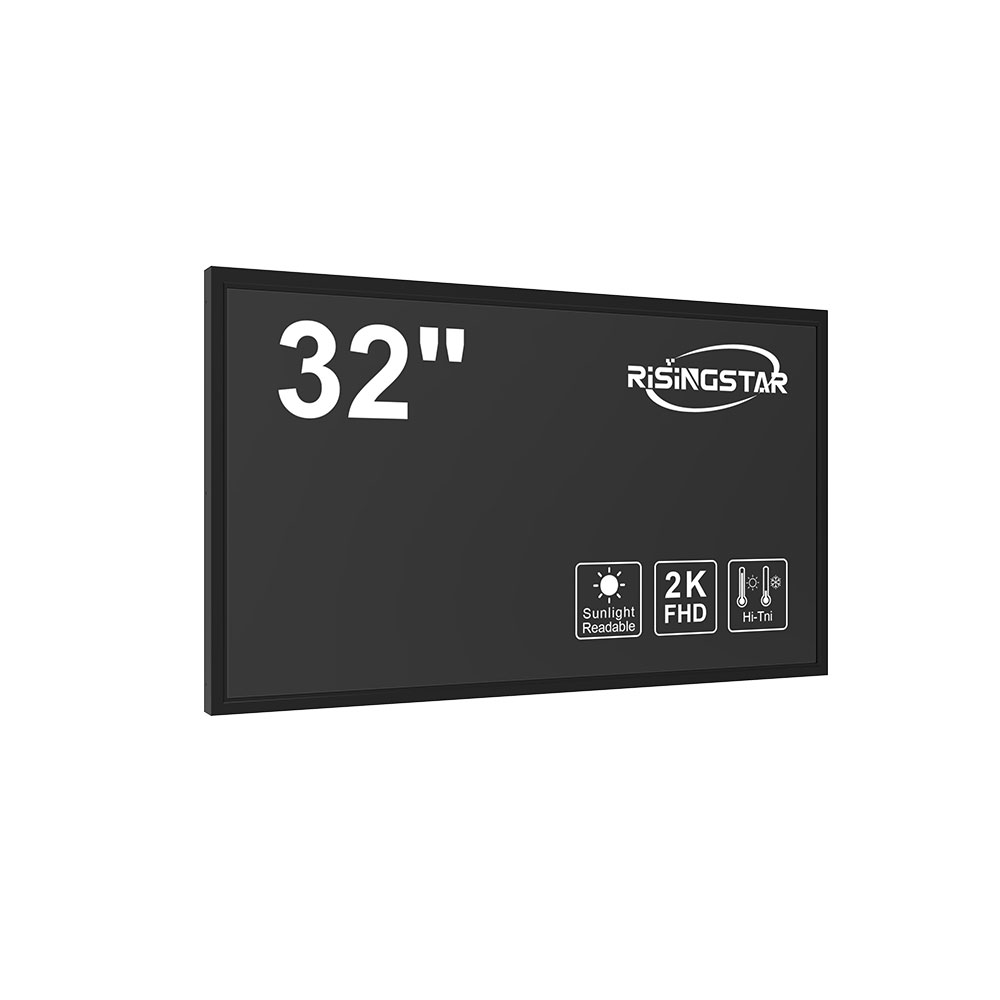
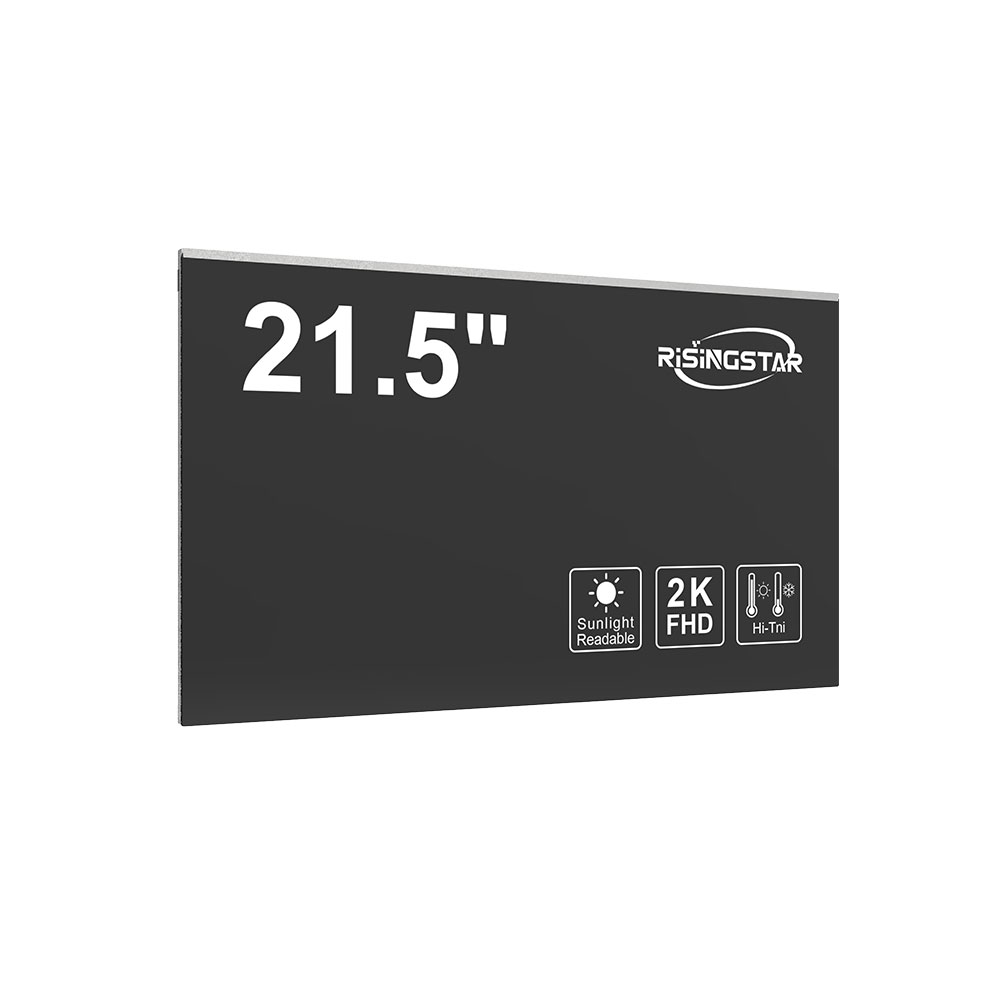
Sunlight readability is achieved through advanced backlighting technologies such as LED edge-lit or direct-lit modules with brightness levels exceeding 5,000 nits — far surpassing standard indoor displays that typically max out at 300–500 nits. These displays utilize anti-glare coatings, polarized filters, and high-contrast IPS or TN panels to maintain visibility under direct sunlight. For example, 10.1” and 13.3” models are widely used in handheld military devices and portable medical equipment due to their portability and robustness. Meanwhile, larger formats like 27”, 32”, and even 43” are deployed in control rooms where situational awareness must remain uncompromised during daylight operations.
Case studies confirm that these displays significantly reduce operator error in bright environments. A U.S. Department of Defense report (2023) found that using 16:9 sunlight-readable LCDs in tactical vehicles improved mission-critical data interpretation speed by up to 40% compared to conventional displays. Similarly, a study published in IEEE Transactions on Industrial Electronics (2022) demonstrated that 15.6” and 18.5” units in construction machinery reduced glare-related visual fatigue among operators by over 60%, leading to increased productivity.
The manufacturing standards for these displays adhere to MIL-STD-810G for shock and vibration resistance, IP65 for dust and water protection, and IEC 60068-2-6 for thermal cycling. These certifications ensure operational reliability in temperatures ranging from -30°C to +70°C. Furthermore, many models support wide viewing angles (>178°), enabling multi-user interaction without color shift — a critical feature in collaborative workspaces.
For large-format deployments such as 55”, 65”, 75”, and 86” displays, manufacturers integrate adaptive brightness sensors that automatically adjust luminance based on ambient light, optimizing power efficiency while maintaining visibility. In solar-powered installations — like remote weather stations or agricultural monitoring systems — this feature extends battery life significantly.
From 10.1” to 110” sizes, all units maintain consistent performance across the 16:9 aspect ratio, ensuring compatibility with modern video content, HD streaming, and software user interfaces. The scalability of this technology supports both single-screen deployment and multi-display setups, making it ideal for digital signage, transportation hubs, and smart city infrastructure.
As global demand for resilient, visible displays grows — particularly in emerging markets with high ambient light exposure — companies like EIZO, LG Display, and Innolux continue to innovate with next-generation materials, including quantum dot-enhanced backlights and microLED arrays. These advancements promise not only higher brightness but also lower power consumption and improved longevity, reinforcing the role of sunlight-readable LCDs as indispensable components in modern digital ecosystems.