RisingStar
- Home
- About Us
- Products
- News
- Video
- Contact
- Send Inquiry
Search
- Home
- About Us
- Products
- News
- Video
- Contact
- Send Inquiry
RisingStar
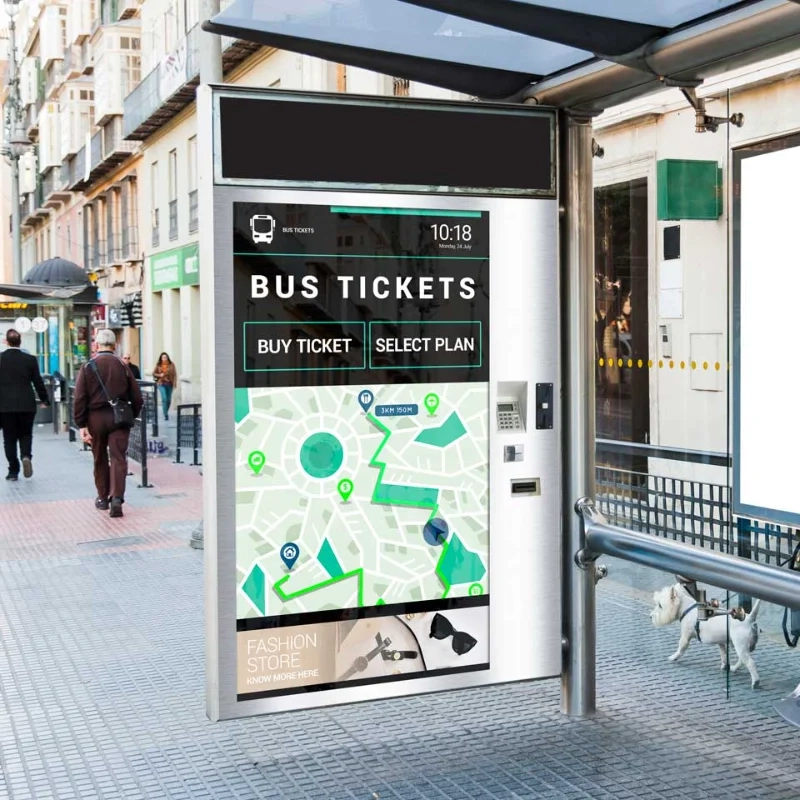
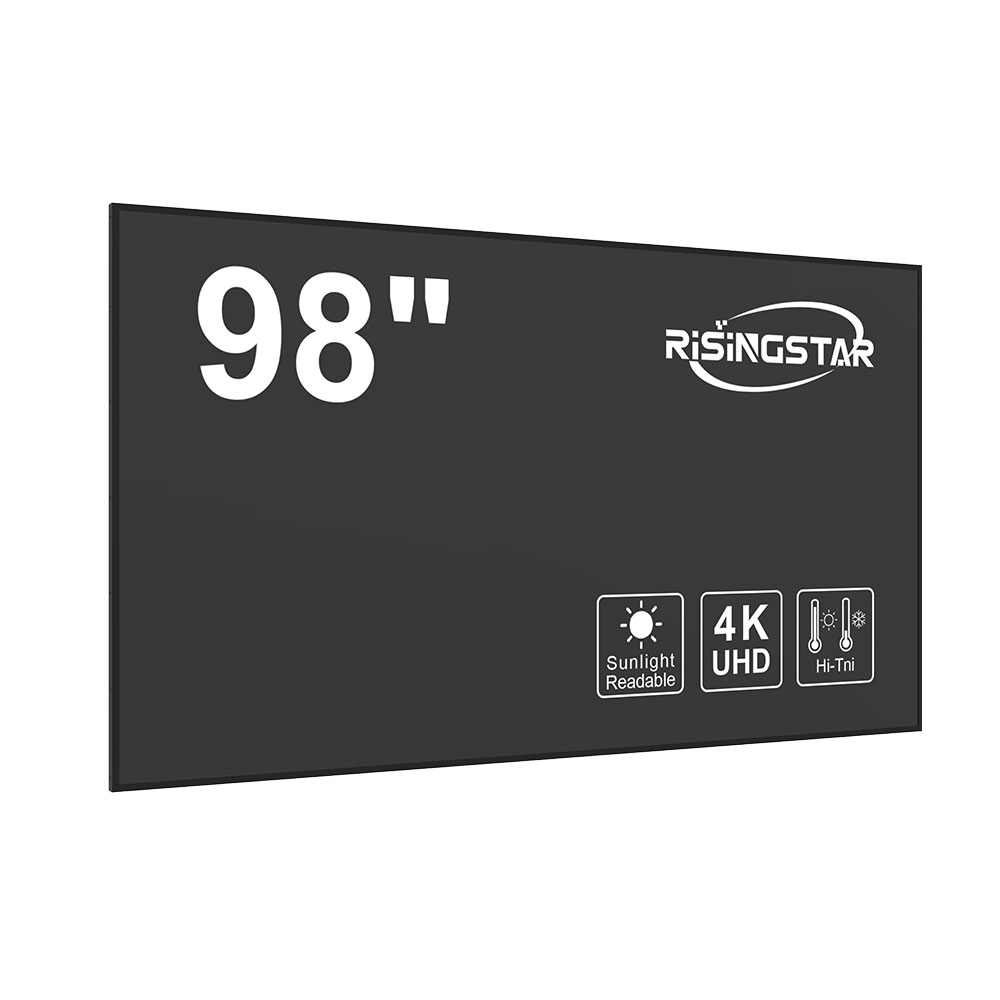
High-brightness sunlight-readable LCD displays have become essential in modern outdoor and industrial environments where visibility under direct sunlight is critical. These specialized screens are engineered to maintain clarity, contrast, and color accuracy even under intense solar illumination—conditions that typically render standard LCDs unusable. From military field equipment and transportation systems to public information kiosks and agricultural machinery, these displays are the backbone of reliable human-machine interfaces in demanding conditions.
The core technology behind high-brightness sunlight-readable LCDs lies in their ability to exceed 5,000 nits of peak brightness—significantly higher than typical indoor LCDs, which generally range from 200 to 500 nits. This performance is achieved through a combination of advanced backlighting (often LED-based with diffusers and reflectors), anti-glare coatings, polarized filters, and optimized liquid crystal materials. For example, companies like E-Ink, LG Display, and Sharp have developed proprietary technologies such as “Sunlight Readable” (SR) and “Enhanced Brightness” (EB) modes that dynamically adjust luminance based on ambient light sensors.
A case study from the U.S. Department of Defense highlights the use of 7,000-nit sunlight-readable panels in armored vehicle command centers. In field tests conducted in desert climates (e.g., Arizona and Nevada), standard displays became unreadable after just 10 minutes of direct sun exposure, whereas the high-brightness units maintained 95% readability throughout the day. Similarly, in commercial applications, airport departure boards using 5,000-nit displays show consistent performance during midday hours, ensuring passenger information remains legible regardless of weather or time of day.
Manufacturers must also address power efficiency and thermal management when designing these screens. High brightness increases heat output, requiring passive or active cooling solutions. Additionally, energy consumption is a key concern in battery-powered devices like drones or handheld military gear. To combat this, some manufacturers integrate adaptive brightness control algorithms that reduce luminance when ambient light decreases—preserving battery life without sacrificing readability.
Compliance with international standards further ensures reliability. The MIL-STD-810G certification, for instance, tests displays for shock, vibration, temperature extremes, and humidity resistance. Meanwhile, ISO 16750 governs automotive-grade electronics, including screen durability in harsh environments. These certifications provide confidence that the display will perform reliably across diverse global markets—from Arctic cold to tropical heat.
In conclusion, high-brightness sunlight-readable LCDs are not merely an upgrade but a necessity for any application operating outdoors or in bright environments. As global industries—from smart cities to autonomous vehicles—continue to expand their reliance on real-time visual data, the demand for robust, readable displays will only grow. Engineers and product designers must prioritize brightness, contrast optimization, environmental resilience, and energy efficiency when selecting or developing these screens to meet evolving operational needs.