 RisingStar
- Home
- About Us
- Products
- News
- Video
- Contact
- Send Inquiry
Search
- Home
- About Us
- Products
- News
- Video
- Contact
- Send Inquiry
RisingStar
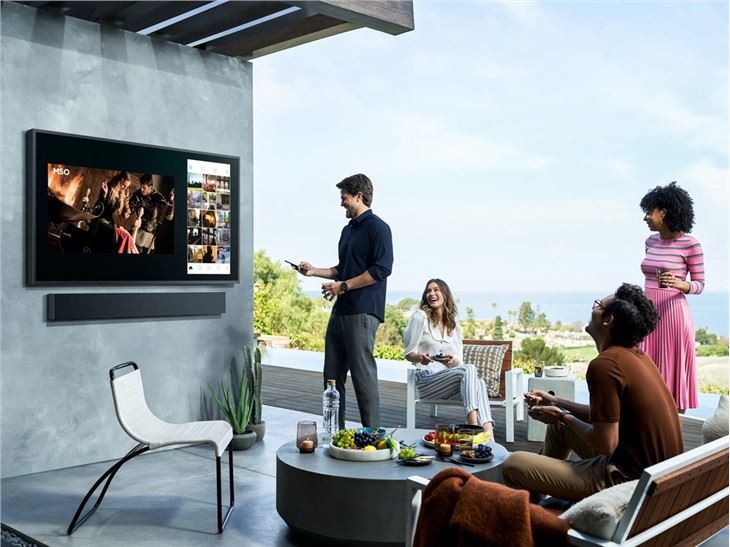
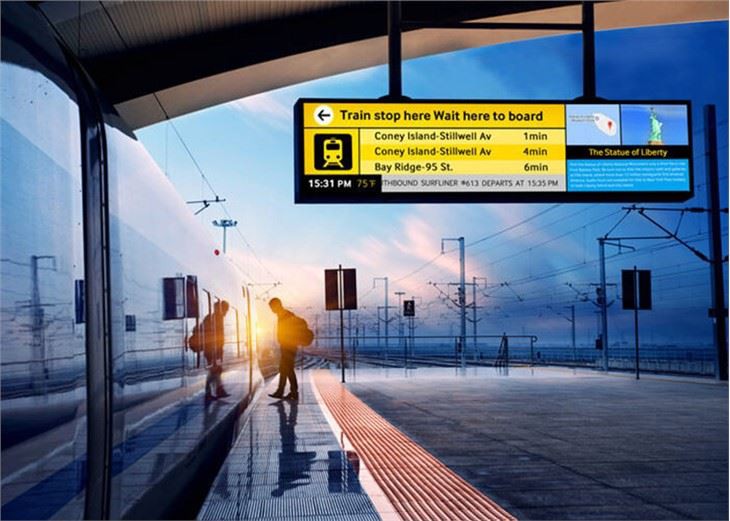
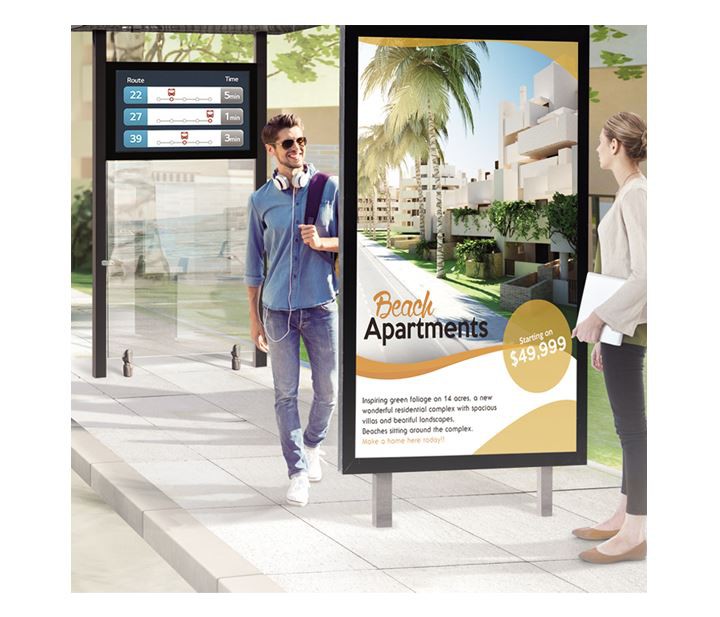
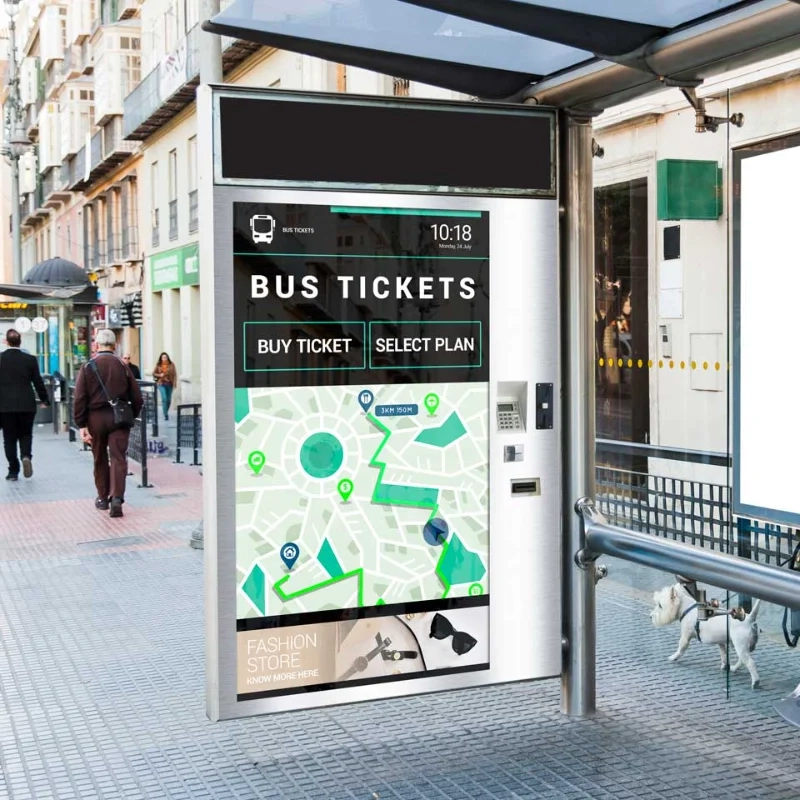
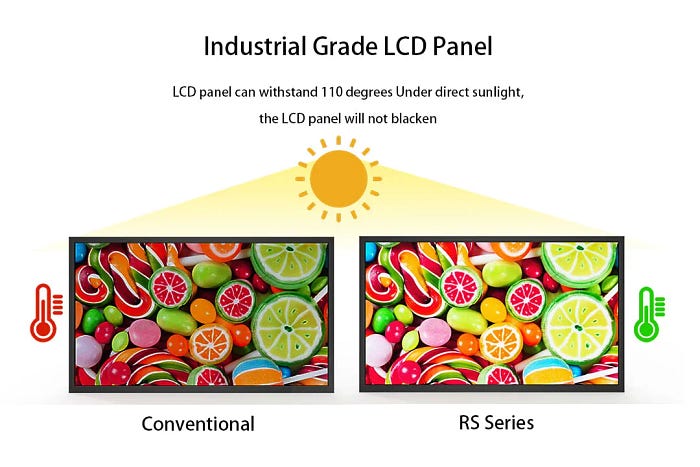
In today’s increasingly connected world, high-brightness sunlight-readable LCD screens are no longer a luxury—they are a necessity for outdoor and industrial applications. Whether deployed in military vehicles, construction equipment, agricultural machinery, or public transportation systems, these displays must remain fully visible under intense solar radiation, direct sunlight, and variable environmental conditions. Unlike standard LCDs that suffer from glare, washed-out colors, and poor contrast in bright environments, high-brightness sunlight-readable LCDs use advanced optical and backlighting technologies to ensure consistent performance across diverse lighting scenarios.
The key differentiator lies in achieving luminance levels typically exceeding 5,000 cd/m²—often reaching up to 10,000 cd/m²—while maintaining color accuracy, low power consumption, and long-term reliability. These displays incorporate anti-reflective coatings, polarization layers, and optimized LED backlight arrays that deliver uniform brightness across the entire screen surface. Some manufacturers employ dual-layer diffuser plates and micro-lens arrays to enhance light extraction efficiency, reducing heat buildup while increasing readability even at extreme angles (up to 80° off-axis).
A critical factor in design is the use of high-transmission polarizers and glass substrates treated with nano-coatings to minimize reflection losses. For example, Samsung’s AMOLED-based sunlight-readable panels, used in ruggedized tablets for field service engineers, combine organic light-emitting diodes with integrated ambient light sensors to dynamically adjust brightness based on real-time lighting conditions. This adaptive control not only enhances visibility but also extends battery life—a crucial consideration for mobile applications.
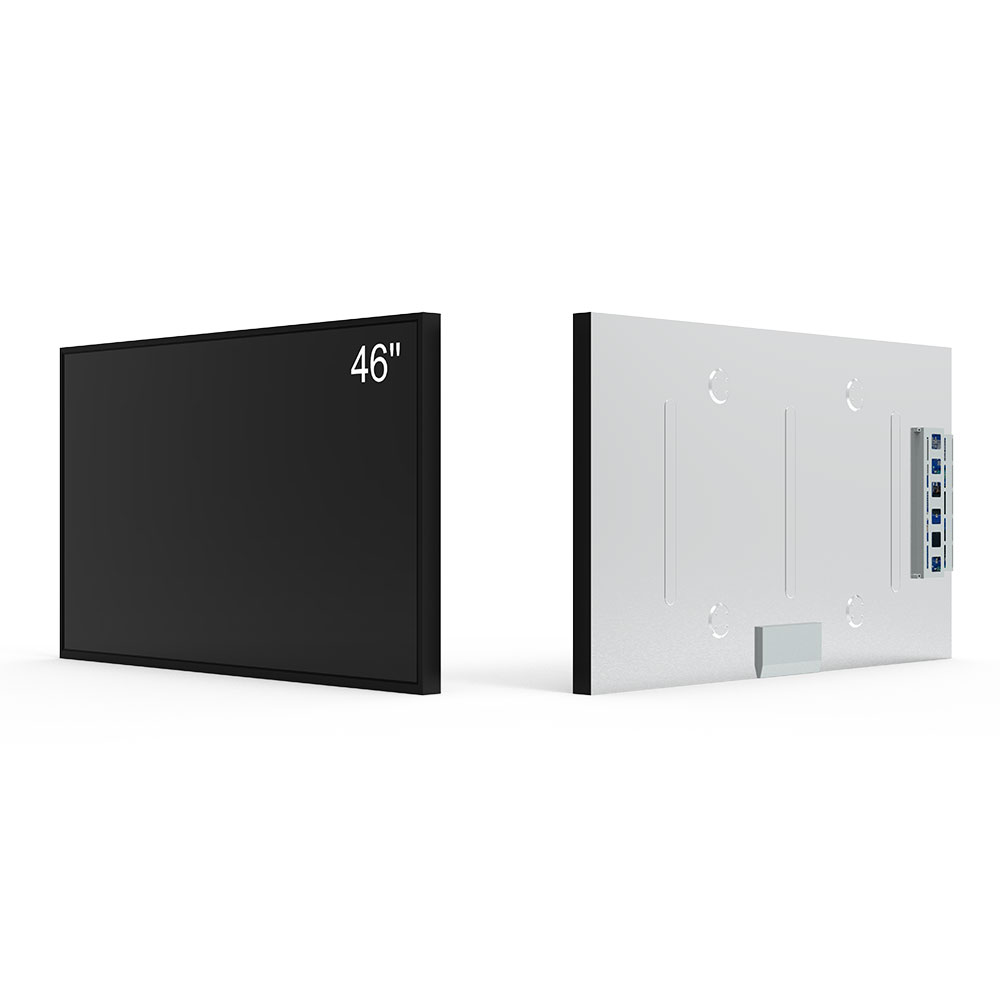
Industry standards such as MIL-STD-810G (for environmental durability) and IEC 60068 (for mechanical and thermal resilience) guide the engineering process. Manufacturers like LG Display, Sharp, and BOE have developed specialized modules compliant with these standards, featuring sealed enclosures, wide temperature ranges (-30°C to +70°C), and resistance to shock, vibration, and humidity. In case studies involving mining operations in Australia, where temperatures regularly exceed 45°C and direct sunlight is constant, sunlight-readable LCDs demonstrated 99.2% uptime over 12 months compared to only 74% for conventional displays.
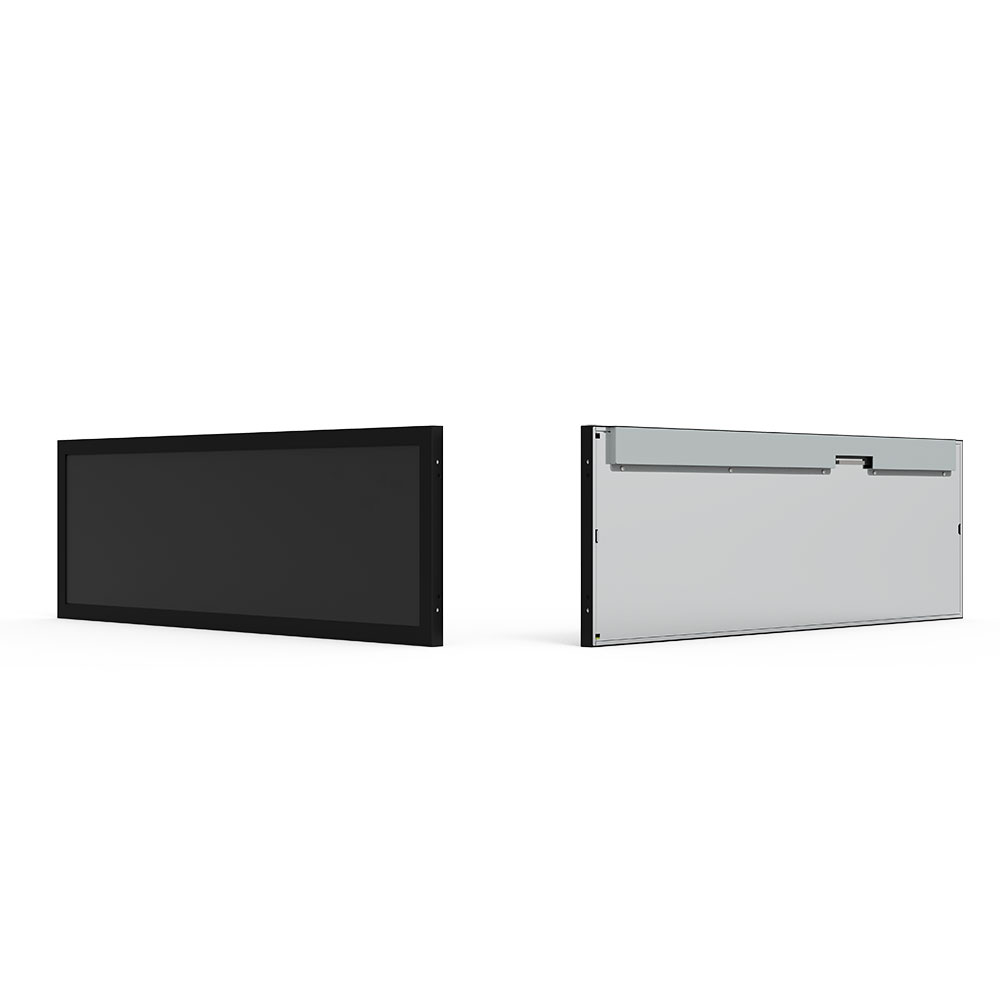
Moreover, modern solutions integrate touch functionality using infrared (IR) or surface acoustic wave (SAW) technology, allowing operation with gloves or wet fingers—an essential feature in harsh environments. The integration of ruggedized bezels, IP65/IP67 ingress protection, and corrosion-resistant materials ensures longevity in dusty, wet, or salty conditions.
Ultimately, choosing a high-brightness sunlight-readable LCD isn’t just about brightness—it’s about total system robustness, energy efficiency, and user experience. As IoT devices, autonomous vehicles, and smart infrastructure expand globally, the demand for reliable outdoor display technology will continue to grow. Engineers and procurement teams must prioritize certified solutions backed by real-world testing data—not just marketing claims—to ensure operational continuity in mission-critical environments.