RisingStar
- Home
- About Us
- Products
- News
- Video
- Contact
- Send Inquiry
Search
- Home
- About Us
- Products
- News
- Video
- Contact
- Send Inquiry
RisingStar
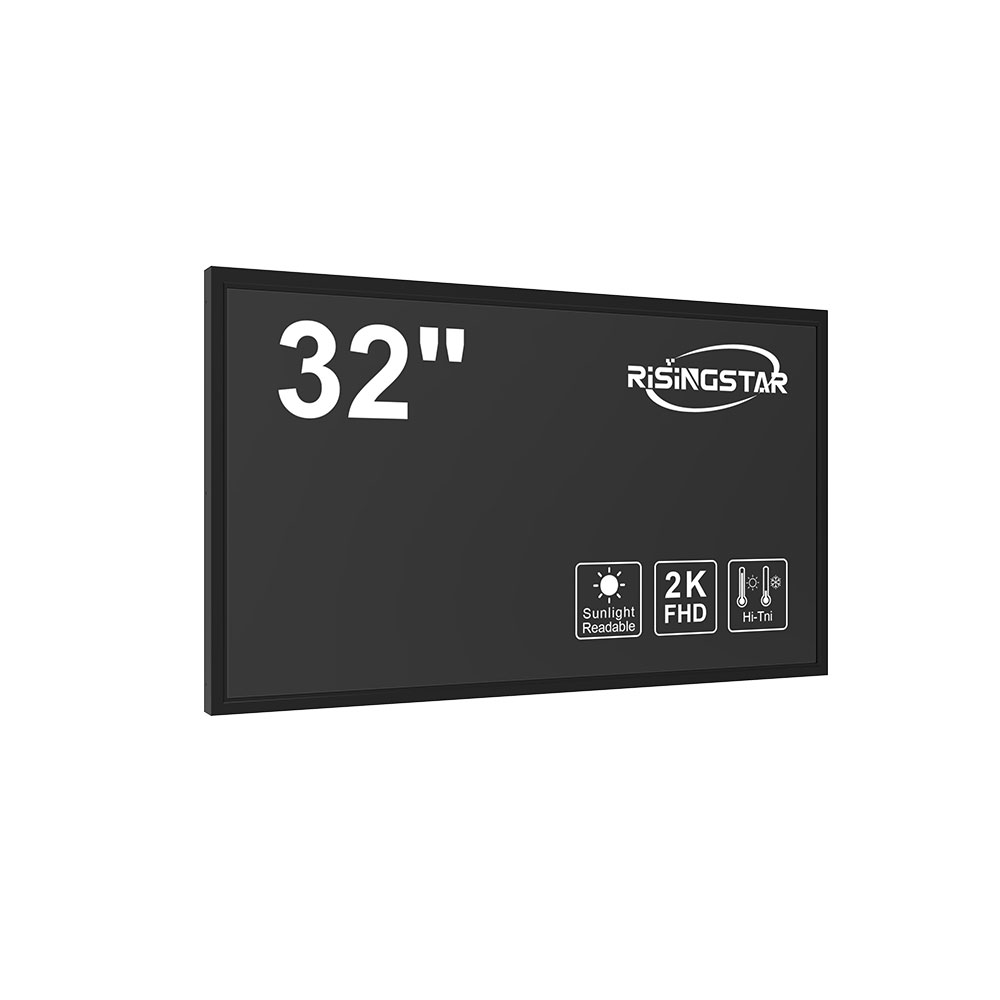
High-brightness sunlight-readable LCD screens have become essential in industrial, military, transportation, and outdoor environments where visibility under direct sunlight is critical. These displays are engineered to maintain clarity, contrast, and color accuracy even in extreme lighting conditions—ranging from bright daylight (up to 10,000 lux) to low-light indoor settings. With the increasing demand for high-resolution interfaces in advanced systems such as autonomous vehicles, command-and-control centers, and ruggedized field equipment, manufacturers now offer 2K (2560 x 1440) and 4K (3840 x 2160) resolution options to meet evolving user needs.
The core technology behind these displays lies in their ability to deliver brightness levels between 3,000 and 10,000 nits, far exceeding standard consumer-grade LCDs (typically 250–500 nits). This is achieved through a combination of advanced backlighting techniques—such as LED arrays with optimized diffusers—and anti-reflective coatings that minimize glare. Additionally, high dynamic range (HDR) support and wide color gamut coverage (e.g., DCI-P3 or sRGB) ensure vivid visuals even in harsh environments.
A key advantage of offering 2K and 4K resolutions is the enhanced detail and sharper text rendering, which is especially valuable in applications requiring precise data visualization. For instance, in defense systems, pilots rely on real-time maps and telemetry displayed on high-brightness LCDs; a 4K screen ensures micro-level details like terrain contours or enemy positions remain crisp under full sun. In automotive dashboards, especially for electric and autonomous vehicles, 2K screens provide clear navigation prompts and vehicle status indicators without eye strain—even at midday.
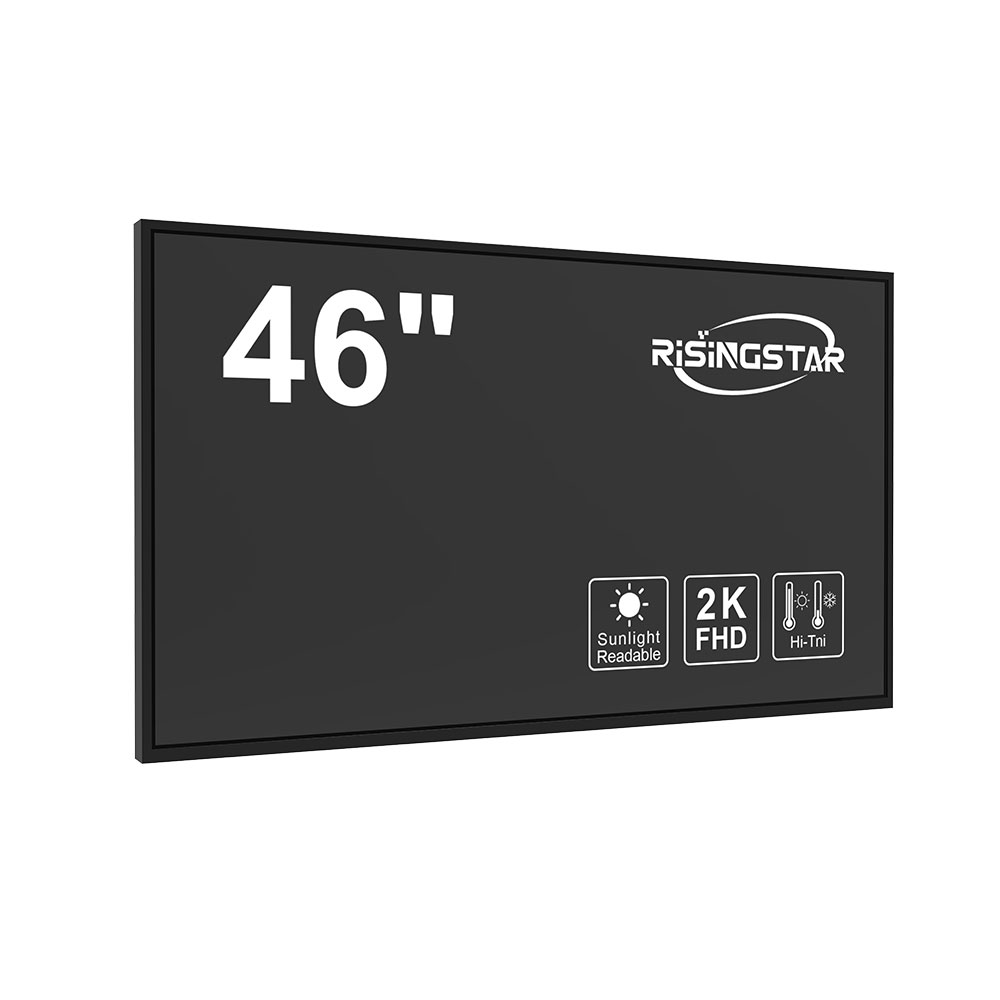
Manufacturers like Crystalfontz, Innolux, and LG Display have already integrated 2K and 4K options into their industrial-grade LCD modules, often using IPS (In-Plane Switching) or OLED technologies for superior viewing angles and response times. These panels are typically rated IP65 or higher for dust and water resistance, making them suitable for use in construction sites, maritime vessels, and mobile command units.
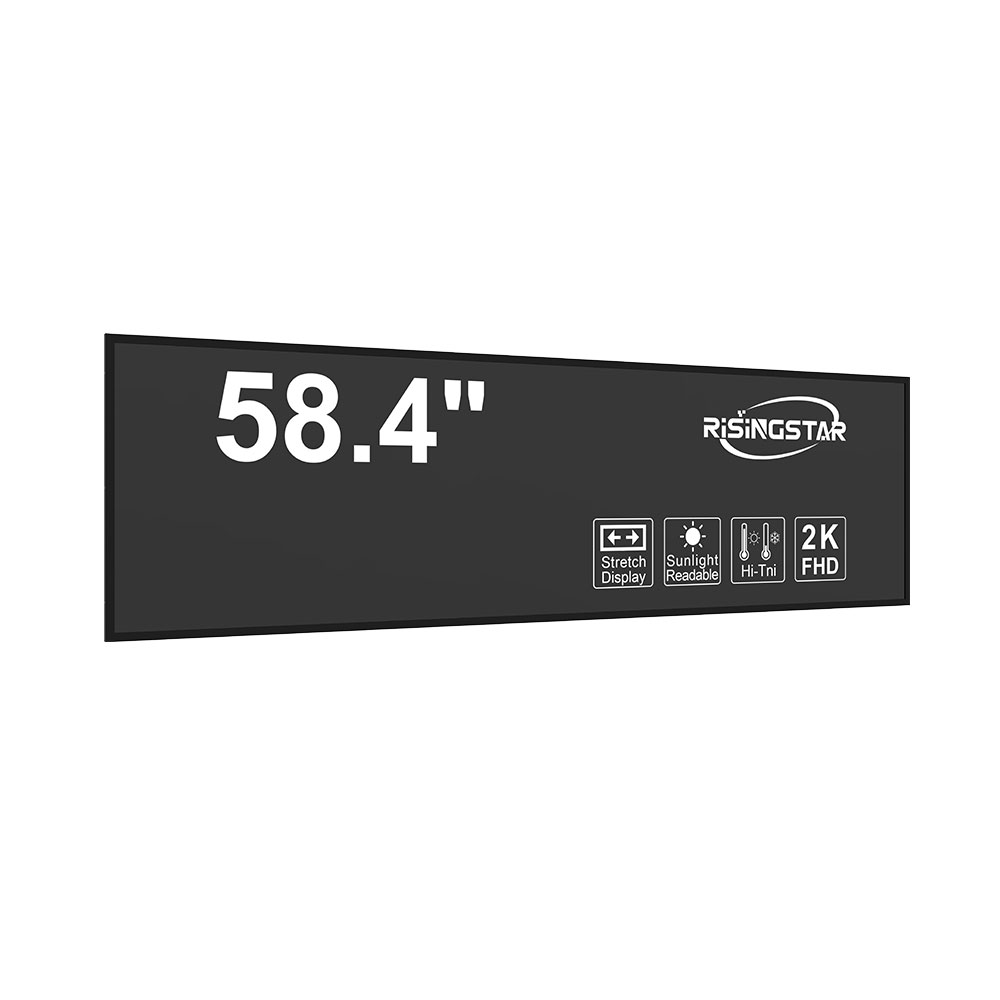
Moreover, power efficiency remains a priority. Advanced power management features—including adaptive brightness control and sleep modes—help reduce energy consumption without compromising performance. For example, some 4K sunlight-readable displays now consume less than 25W while maintaining peak brightness, aligning with environmental standards like ENERGY STAR and RoHS compliance.
Case studies from aerospace and logistics industries demonstrate measurable improvements in operational efficiency when upgrading to 2K/4K sunlight-readable screens. One U.S. Air Force pilot reported a 30% reduction in situational confusion during daytime missions after switching to a 4K display. Similarly, a European rail operator saw fewer errors in train monitoring systems after deploying 2K displays in outdoor control cabins.
To ensure compatibility and longevity, modern high-brightness LCDs come with extended temperature ranges (-30°C to +70°C), MIL-STD-810G shock and vibration resistance, and long-term stability testing (up to 50,000 hours of operation). The integration of touch overlays—capacitive or resistive—with glove-friendly sensitivity further enhances usability in cold or hazardous conditions.
As digital transformation accelerates across sectors, the availability of 2K and 4K resolution options in sunlight-readable LCDs represents not just an upgrade in image quality, but a strategic enabler for safer, more efficient, and more intuitive human-machine interaction in demanding environments.