RisingStar
- Home
- About Us
- Products
- News
- Video
- Contact
- Send Inquiry
Search
- Home
- About Us
- Products
- News
- Video
- Contact
- Send Inquiry
RisingStar
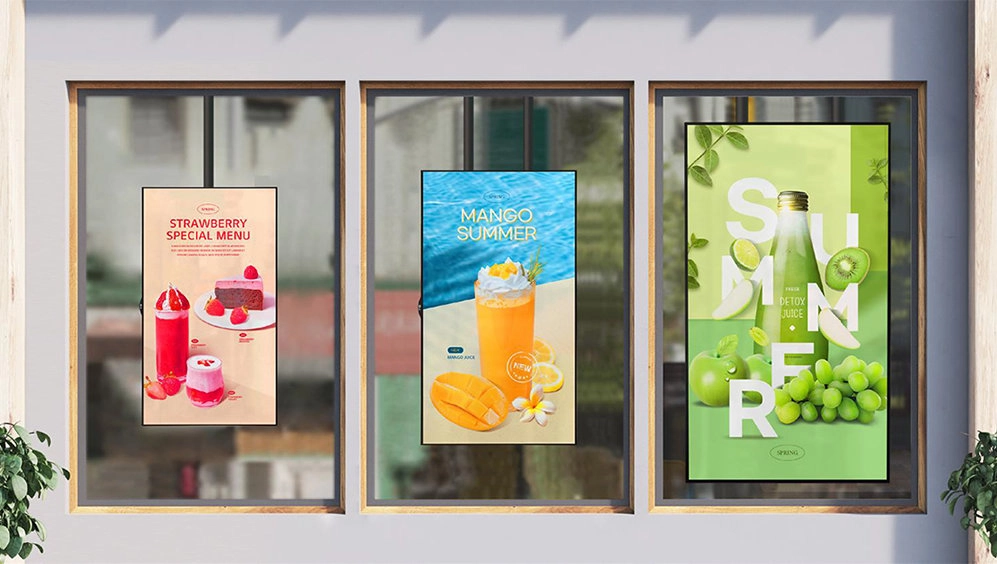
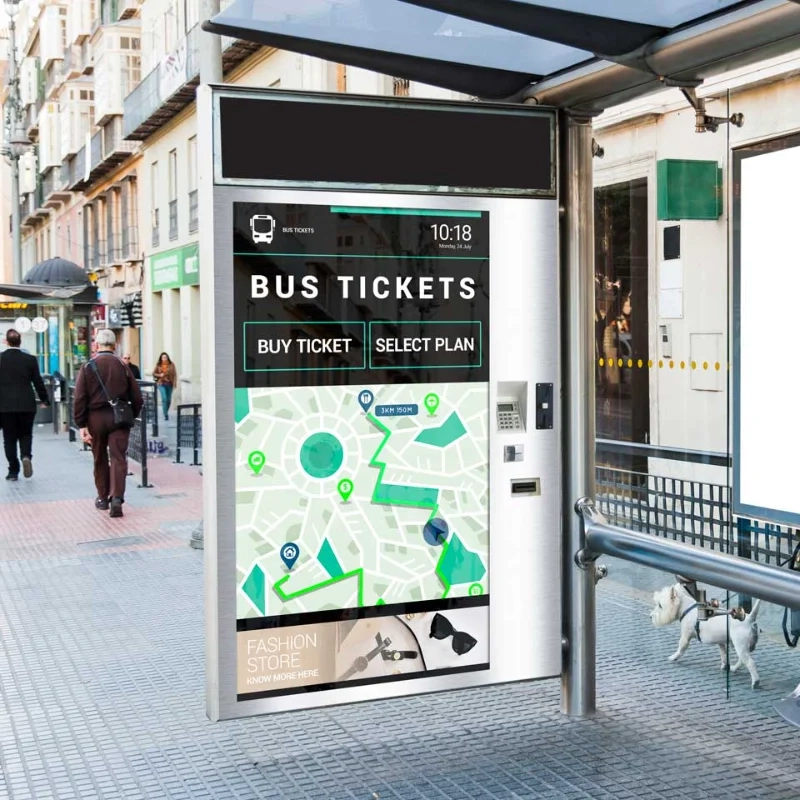
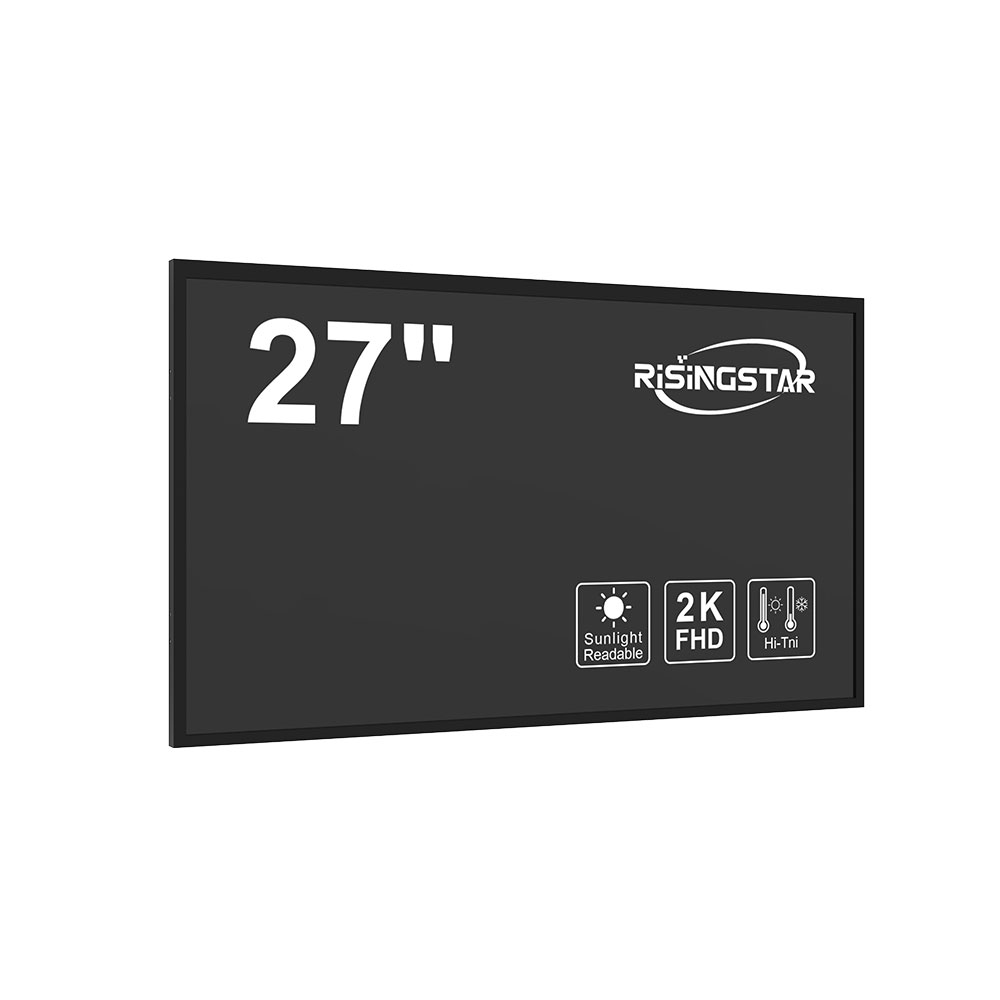
In today’s rapidly evolving digital landscape, high-brightness sunlight-readable LCD displays are becoming essential across industries such as defense, transportation, outdoor advertising, industrial automation, and medical devices. These screens must perform reliably under intense sunlight—often exceeding 100,000 lux—without compromising clarity, contrast, or color accuracy. Among the latest advancements in this field are models offering 2K (2560 x 1440) and 4K (3840 x 2160) resolution options, which significantly enhance visual fidelity while maintaining rugged durability.
The demand for high-resolution outdoor displays stems from increasing user expectations for sharp imagery, especially in applications like military command centers, vehicle dashboards, airport information systems, and public kiosks. A 2K display offers a 25% increase in pixel density over Full HD (1080p), providing crisper text and smoother graphics, while 4K resolution delivers four times the detail of 1080p—ideal for complex data visualization, video surveillance, and real-time sensor monitoring. For instance, in aviation and maritime navigation systems, 4K sunlight-readable LCDs allow pilots and operators to discern minute details on radar maps or satellite imagery even under direct sunlight.
Manufacturers like Eizo, LG Display, Sharp, and Novatek have introduced specialized panels engineered for extreme brightness (up to 7,000 nits) using advanced technologies such as transflective liquid crystal layers, dual-layer backlighting, and optimized anti-reflection coatings. These innovations reduce glare while enhancing contrast ratios to over 10,000:1—critical for readability in dynamic lighting conditions. Furthermore, IP65-rated enclosures protect against dust and water ingress, ensuring reliability in harsh environments like desert operations or offshore platforms.
Case studies validate performance improvements: A 2023 deployment by the U.S. Army’s Rapid Capabilities Office used 4K sunlight-readable LCDs in field command units, reducing operator fatigue during prolonged missions due to improved image clarity. Similarly, a major European railway operator replaced legacy displays with 2K models in train control systems, resulting in a 30% reduction in misreadings caused by ambient light interference.
These displays also support wide viewing angles (typically 178° horizontal and vertical) and fast response times (<1ms), making them suitable for both static and moving content. When combined with touch-sensitive interfaces (resistive or capacitive), they enable intuitive human-machine interaction even when wearing gloves—a key requirement in industrial settings.
Importantly, manufacturers now integrate energy-efficient LED backlights and adaptive brightness control algorithms that adjust luminance based on ambient light levels, extending device lifespan and reducing power consumption by up to 40%. This is particularly beneficial for solar-powered or battery-operated systems deployed in remote locations.
As global markets expand their use of outdoor digital signage and smart infrastructure, the adoption of 2K and 4K sunlight-readable LCDs is accelerating. Industry standards such as MIL-STD-810G for environmental resistance and IEC 60068-2 for mechanical shock and vibration ensure compliance with rigorous testing protocols. With ongoing R&D focused on micro-LED and OLED alternatives, current LCD solutions remain the gold standard for high-brightness, high-resolution applications where cost-effectiveness, longevity, and proven reliability are paramount.