RisingStar
- Home
- About Us
- Products
- News
- Video
- Contact
- Send Inquiry
Search
- Home
- About Us
- Products
- News
- Video
- Contact
- Send Inquiry
RisingStar
High-brightness, sunlight-readable LCD displays are critical components in modern outdoor and transportation environments where visibility under direct sunlight is essential. These displays are engineered to maintain clarity and performance in extreme lighting conditions—from bright midday sun to low-light night operations—making them ideal for applications such as passenger information systems in railways, buses, trains, subways, and intercity rail networks. Unlike standard LCDs that become unreadable in daylight, high-brightness displays typically offer luminance levels of 3000 to 5000 nits or more, ensuring optimal readability even under direct solar irradiance.
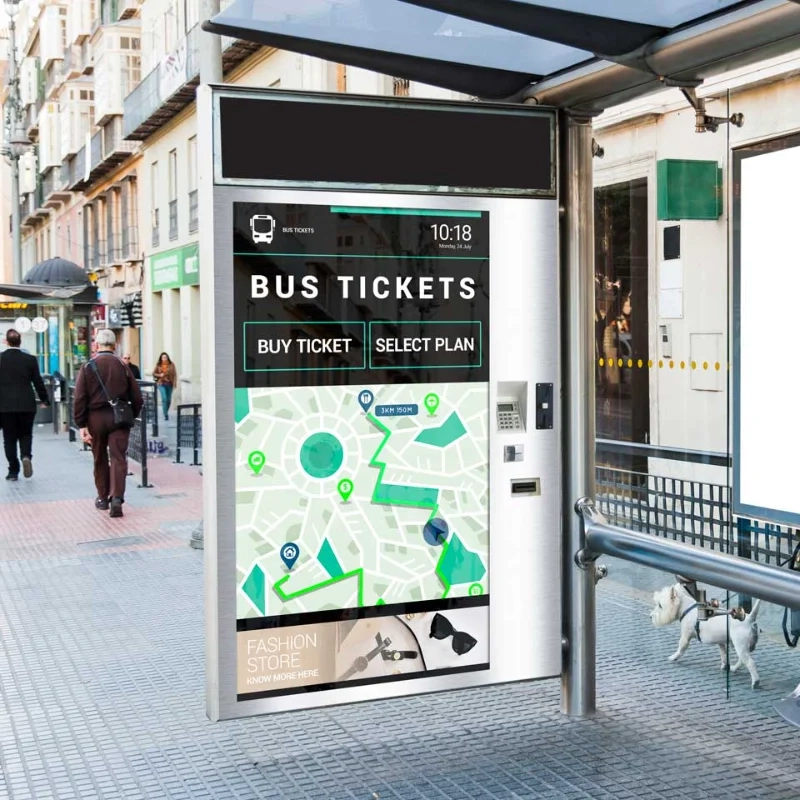
In the public transit sector, these displays serve as real-time digital signage for train schedules, platform information, service alerts, and emergency notifications. For example, Tokyo Metro’s adoption of 4000-nit sunlight-readable displays in underground stations has significantly improved rider experience by maintaining legibility despite variable lighting conditions. Similarly, cities like London and Singapore have integrated high-brightness screens into bus shelters and subway kiosks, reducing passenger confusion and enhancing operational efficiency.
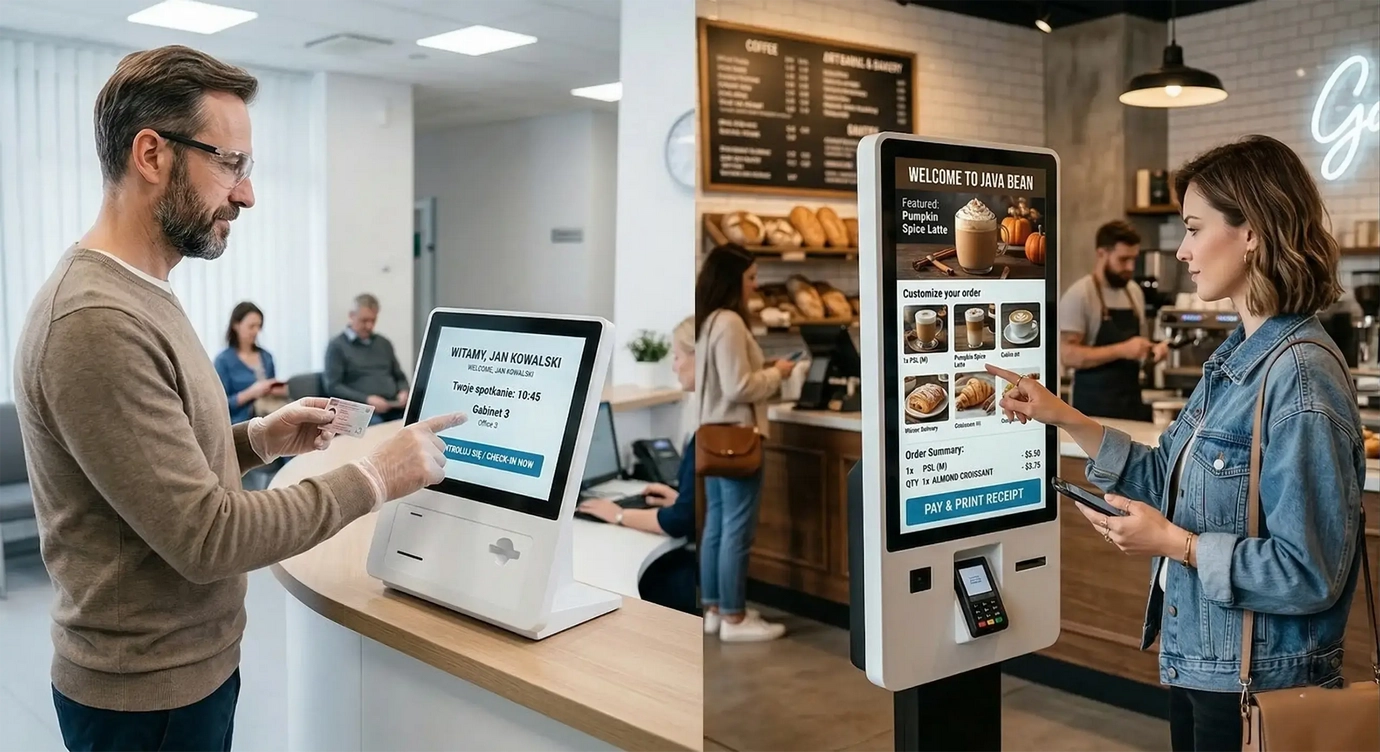
Beyond transportation, high-brightness LCDs are increasingly used in EV charging kiosks, gas pumps, and outdoor digital signage. In EV infrastructure, manufacturers such as ChargePoint and Tesla integrate these displays to show charging status, cost, and estimated completion times—even in full sun. At gas stations, companies like Shell and BP utilize 3000–4000 nit displays to ensure fuel prices and promotional content remain visible during peak hours when sunlight is strongest.
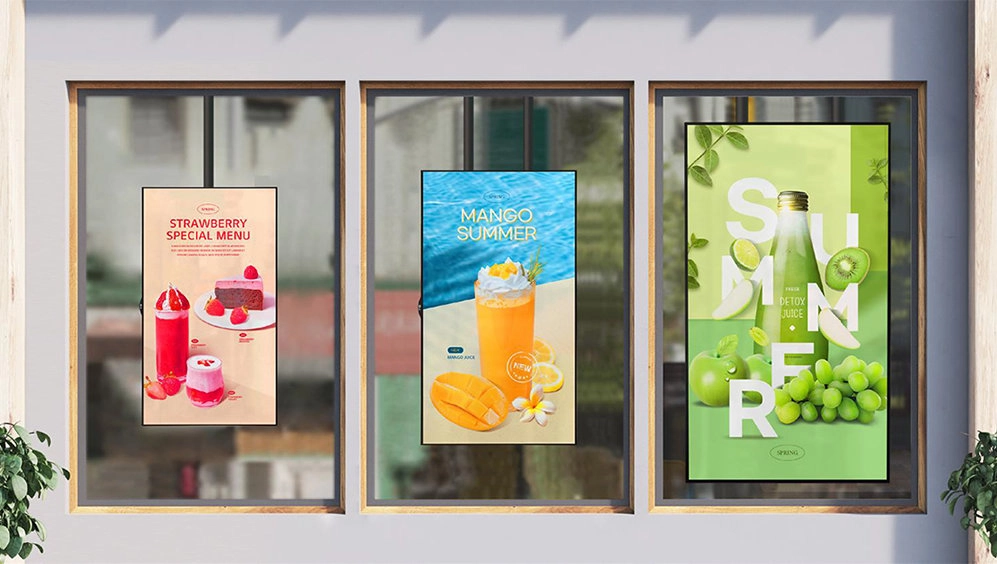
Retail and real estate sectors also benefit from this technology. Outdoor retail digital signage (e.g., at shopping malls or convenience stores) uses high-brightness panels to attract foot traffic and display dynamic promotions. Real estate developers deploy these displays in property showrooms and open houses to showcase floor plans, pricing, and virtual tours in sunny environments without glare issues.
Key technologies enabling this performance include advanced LED backlighting with wide viewing angles, anti-glare coatings, polarized filters, and optimized panel architectures such as IPS (In-Plane Switching) or VA (Vertical Alignment). Some models incorporate automatic brightness control (ABC), which adjusts luminance based on ambient light sensors, improving energy efficiency and extending lifespan. Industry standards such as ISO 16750 for automotive electronics and MIL-STD-810 for ruggedization further ensure reliability in harsh environments.
According to a 2023 report by MarketsandMarkets, the global demand for high-brightness LCDs is projected to grow at a CAGR of 7.3% through 2030, driven by smart city initiatives, electric mobility expansion, and increasing digital signage deployments. Leading manufacturers like LG Display, BOE Technology, and Sharp are investing heavily in R&D to improve contrast ratios, reduce power consumption, and enhance durability for outdoor use.
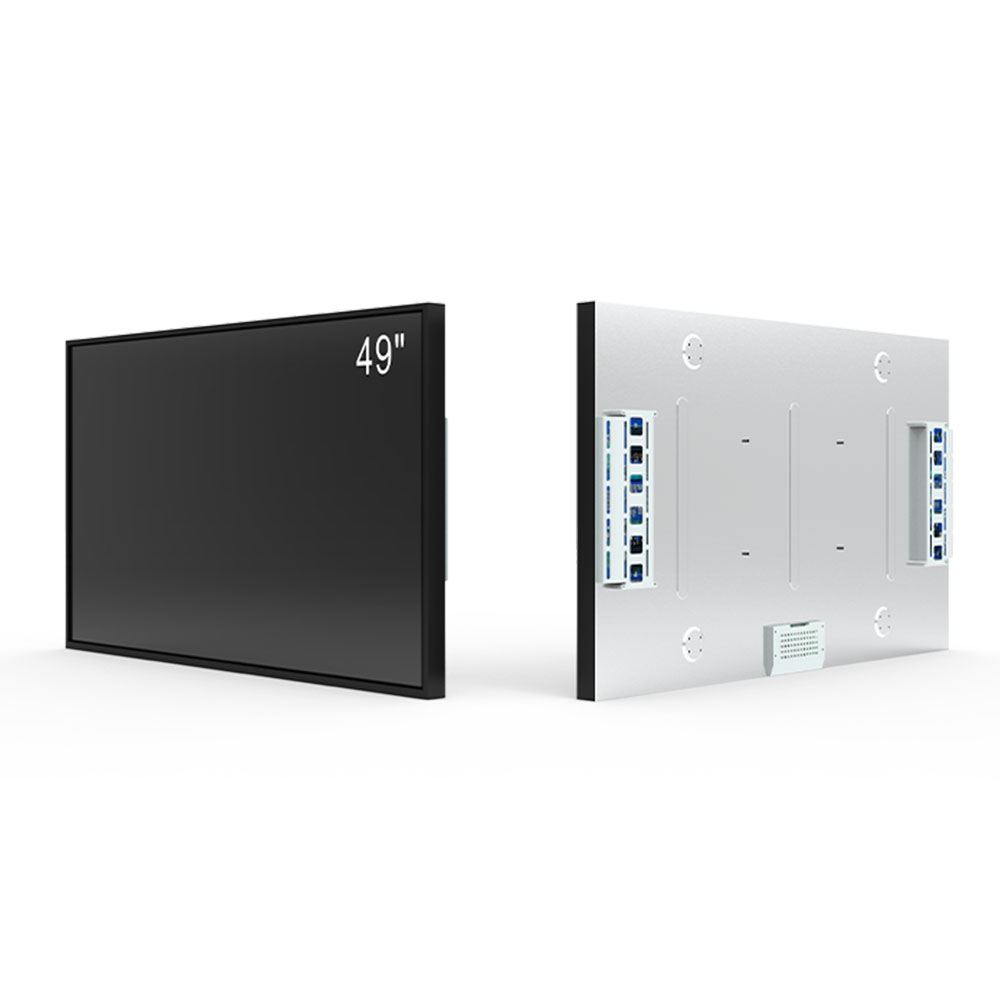
For engineers and procurement professionals, selecting the right high-brightness LCD requires evaluating not only peak brightness but also contrast ratio, color accuracy, temperature tolerance (-20°C to +60°C), IP rating (typically IP65 or higher), and long-term reliability under UV exposure. When deployed correctly, these displays deliver superior user engagement, operational safety, and brand presence in any outdoor setting.