RisingStar
- Home
- About Us
- Products
- News
- Video
- Contact
- Send Inquiry
Search
- Home
- About Us
- Products
- News
- Video
- Contact
- Send Inquiry
RisingStar
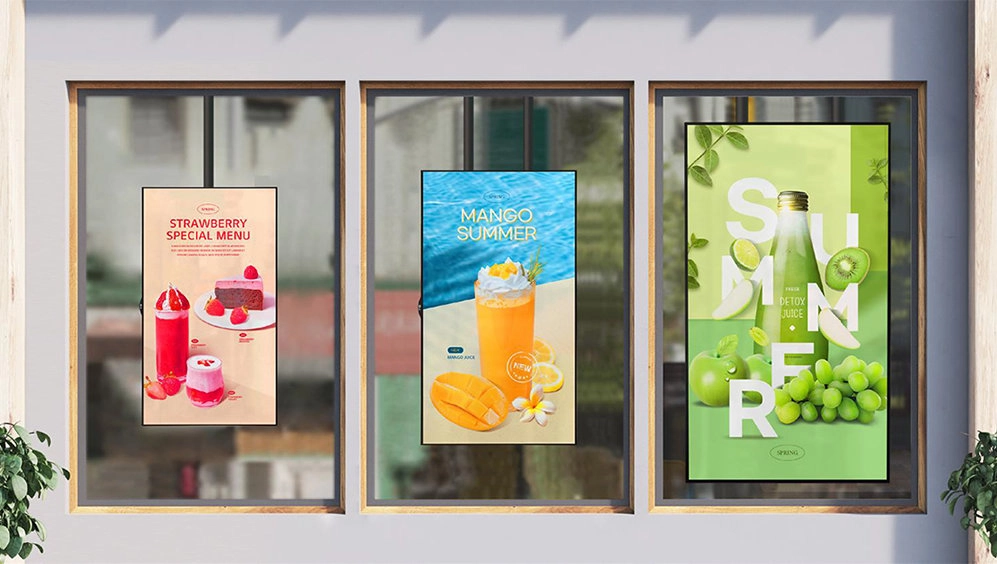
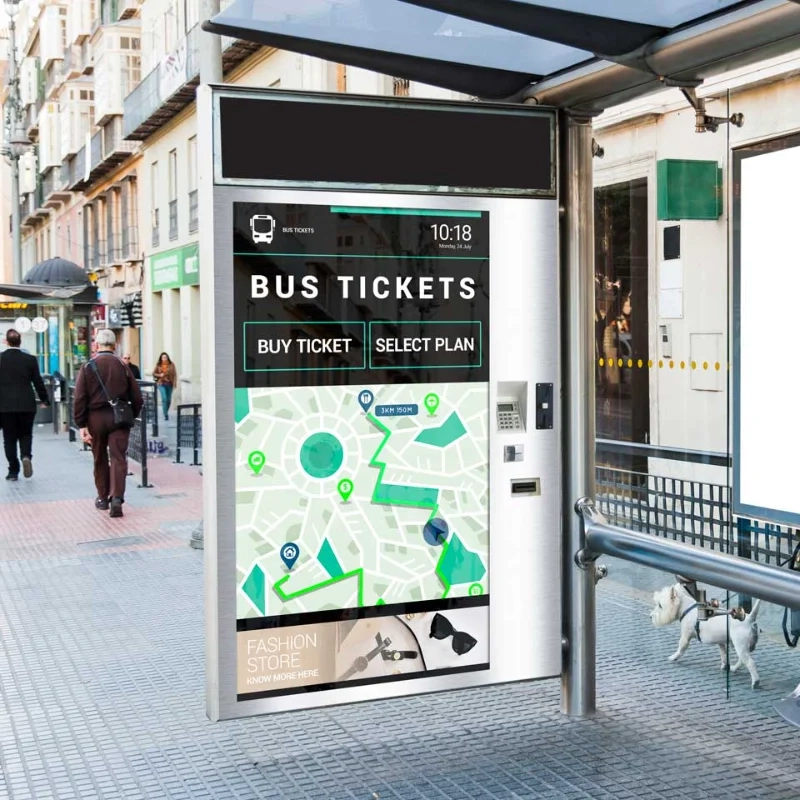
High-brightness, sunlight-readable LCD displays have become essential components in modern outdoor and public-facing digital signage systems. Designed to deliver consistent image clarity even under direct sunlight—often exceeding 10,000 nits of brightness—these displays are engineered for durability, visibility, and performance in challenging environments. Their applications span across transportation infrastructure (railways, buses, trains, subways, and intercity rail), energy solutions (EV charging kiosks, gas pumps), commercial real estate (digital signage for property marketing), retail environments (in-store promotions and wayfinding), and outdoor entertainment (digital billboards and large-format TVs).
The core technology behind these displays includes high-efficiency LED backlights, anti-glare coatings, and advanced optical bonding techniques that reduce reflection by up to 95% compared to standard LCDs. For example, a case study conducted by LG Display in 2023 showed that their 42-inch sunlight-readable panel maintained full readability at 10,000 nits even under 35°C ambient temperature conditions—a critical factor for transit stations exposed to prolonged solar exposure. Similarly, Siemens Mobility reported a 40% reduction in maintenance costs after deploying such displays in Munich’s U-Bahn system due to their resistance to humidity, dust, and vibration.
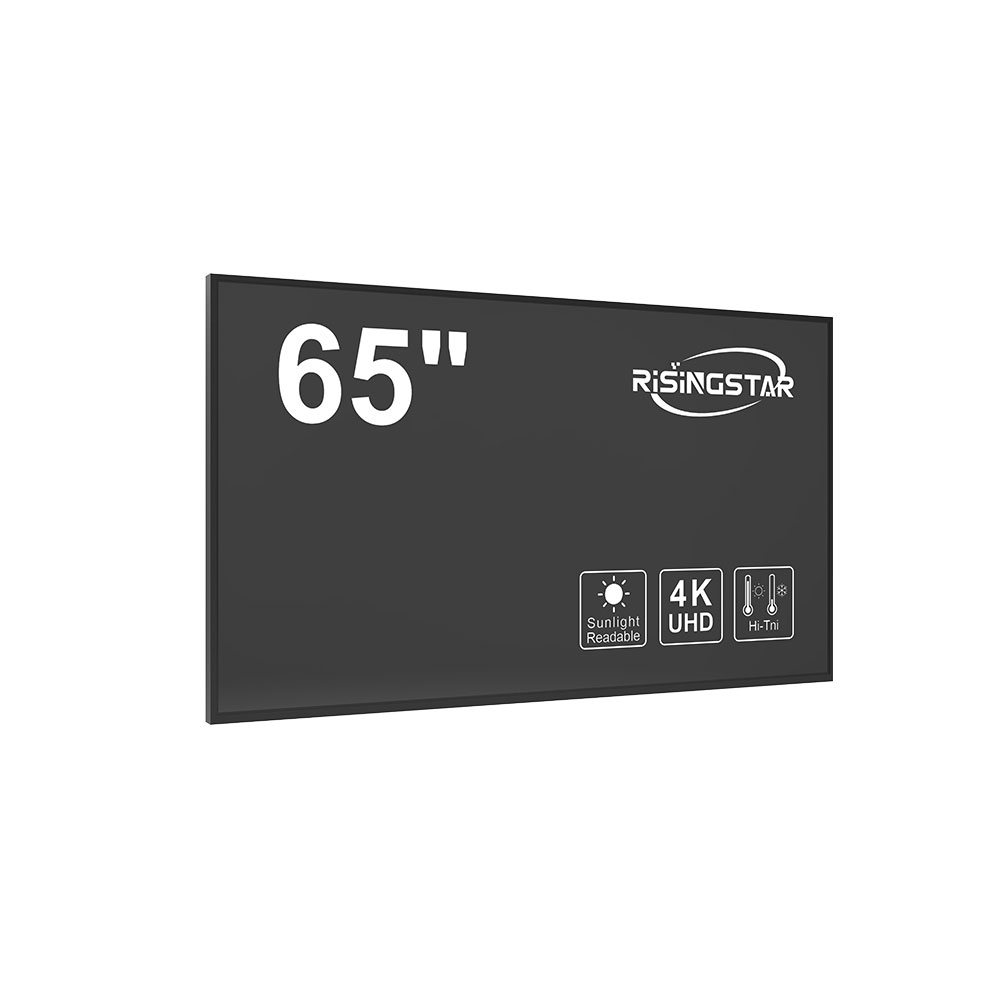
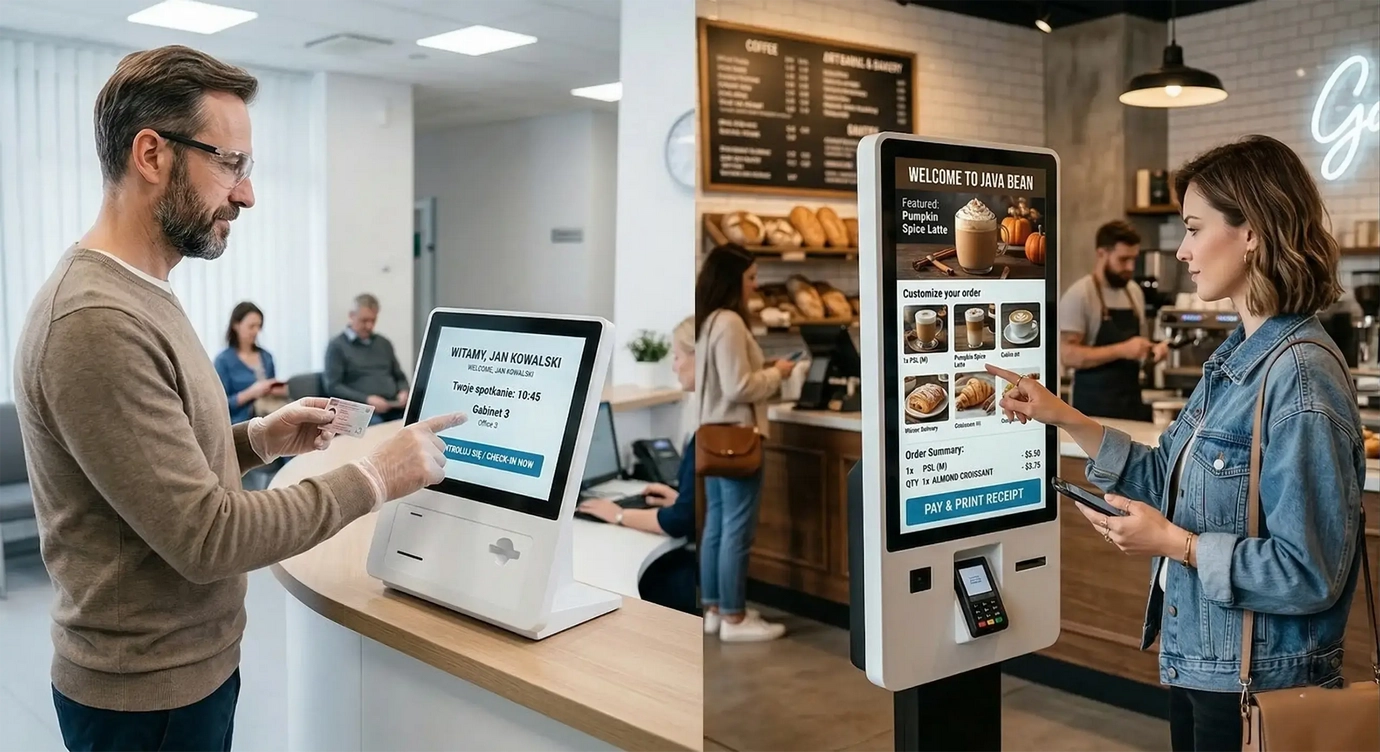
In EV charging kiosks, the display must not only remain legible but also support touch functionality in extreme weather—ranging from -30°C to +60°C. Manufacturers like BOE Technology and Sharp have developed IP65-rated panels with capacitive touch overlays that function reliably in freezing rain or desert heat. In retail settings, brands such as IKEA and Starbucks leverage these displays for dynamic content updates, reducing reliance on printed posters while increasing engagement through high-resolution video playback. Real estate developers now use them in smart buildings to showcase floor plans, rental rates, and amenity maps in open lobbies or parking garages—enhancing tenant experience without requiring indoor lighting.
These displays comply with international standards including IEC 60068 for environmental testing, MIL-STD-810G for shock and vibration resistance, and EN 55032 for electromagnetic compatibility. They are increasingly integrated with IoT capabilities, allowing remote monitoring, firmware updates, and real-time analytics via cloud-based platforms like AWS IoT and Azure IoT Hub. As cities evolve into smarter ecosystems, the demand for high-brightness, sunlight-readable displays will continue to grow—not just as visual tools, but as critical nodes in urban infrastructure, ensuring clear communication in both daylight and nighttime operations.