RisingStar
- Home
- About Us
- Products
- News
- Video
- Contact
- Send Inquiry
Search
- Home
- About Us
- Products
- News
- Video
- Contact
- Send Inquiry
RisingStar
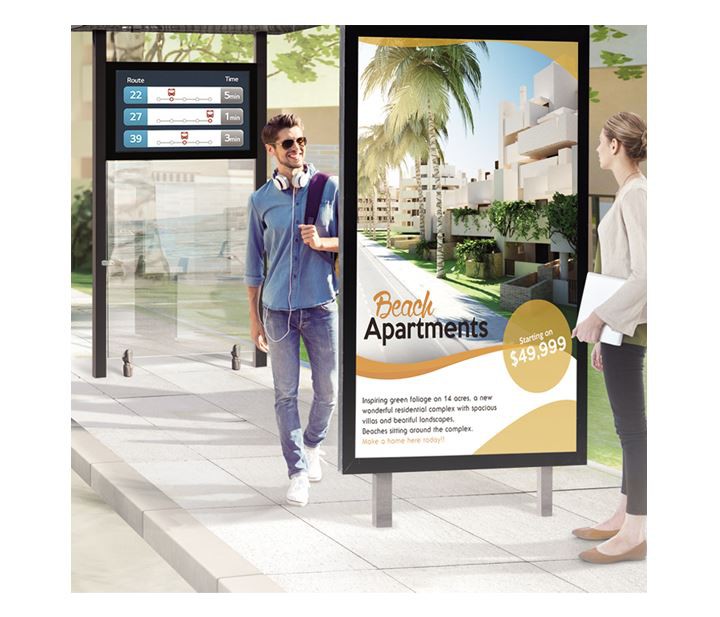
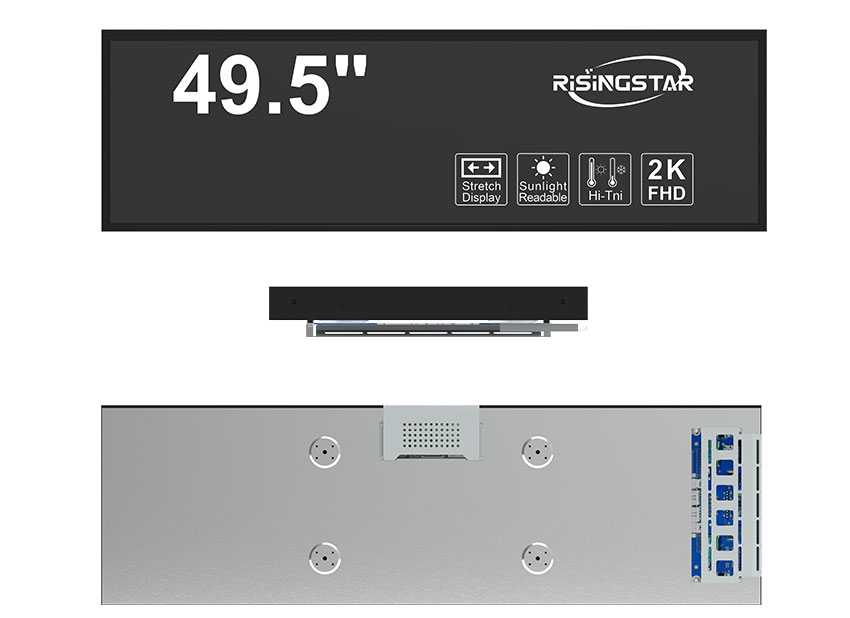
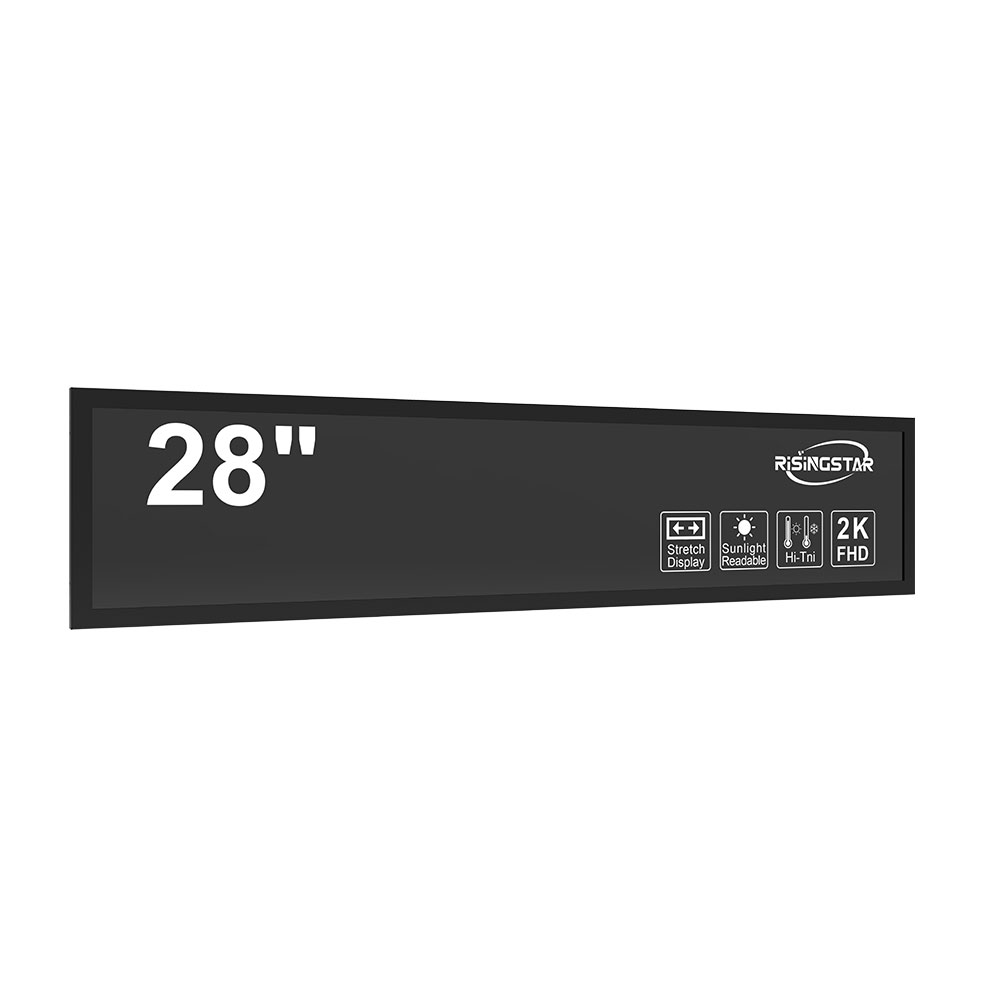
The global transit industry relies on Passenger Information Displays (PIDs) to deliver real-time schedules, route updates, and safety alerts to millions of daily commuters. As transit systems expand and upgrade their fleets and stations, the demand for slim, seamless, high-contrast stretch bar LCD displays has surged to fit narrow spaces like onboard gangways, platform edges, and bus entrances. However, a critical manufacturing choice divides reliable stretch bar solutions from high-failure alternatives: the method used to shape the display panel. While many suppliers use cropped 16:9 panels to create stretch bar form factors, industry-leading solutions leverage full-size Tier-1 glass cutting and re-driving—an approach that transforms performance, compliance, and lifecycle value for transit applications.
The Limitations of Cropped 16:9 Panels for Stretch Bar Displays
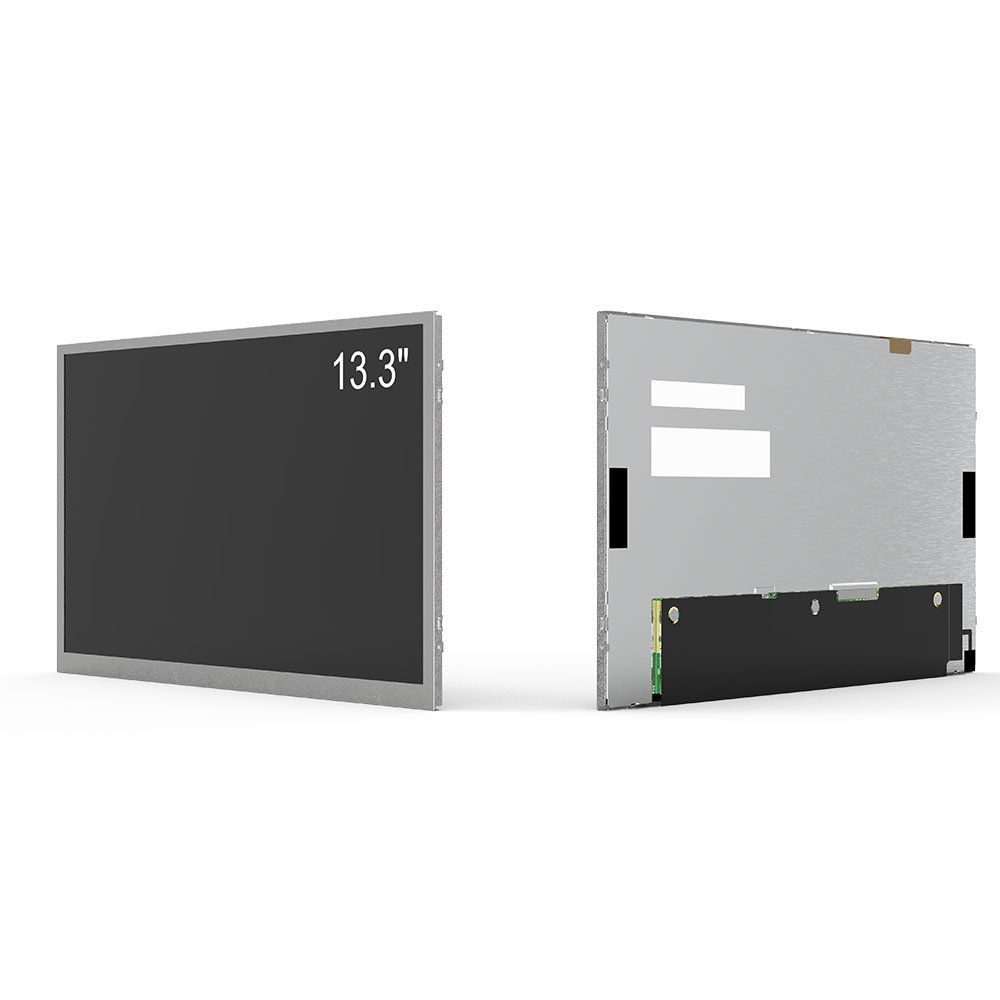
Traditional stretch bar LCDs are often fabricated by cutting standard 16:9 consumer or small-industry panels to match long, narrow dimensions. This cropping process reduces the active pixel area of the original panel, introducing a host of performance flaws that are catastrophic for transit use cases. First, pixel uniformity suffers: when a standard panel is cropped, the remaining pixels are not calibrated for the new aspect ratio, leading to uneven brightness (ΔE >5, per color measurement standards) and visible banding across the stretch bar’s length. For transit authorities, this creates a subpar passenger experience and fails to meet the visual clarity requirements outlined in EN 50155, the primary standard for railway electronic equipment.
Case data from a 2022 Berlin U-Bahn fleet upgrade underscores this gap: transit operators reported a 12% failure rate among cropped stretch bar PIDs within 12 months, with issues including dead pixels, thermal-induced pixel shift, and seal breaches. The root cause? Cropped panels have stressed raw glass edges that are harder to seal, resulting in lower IP ratings (often IP54 vs the required IP65/IP66 for outdoor or high-moisture transit spaces). Additionally, cropped panels cannot support the high brightness (1500 nits minimum for sunlight readability) needed for outdoor platform edges, as trimming compromises the backlight’s even distribution. These flaws translate to higher maintenance costs and reduced passenger trust—costing transit operators an average of $1,200 per failed display in replacement and labor, per the 2023 Global Transit Display Benchmark Report.
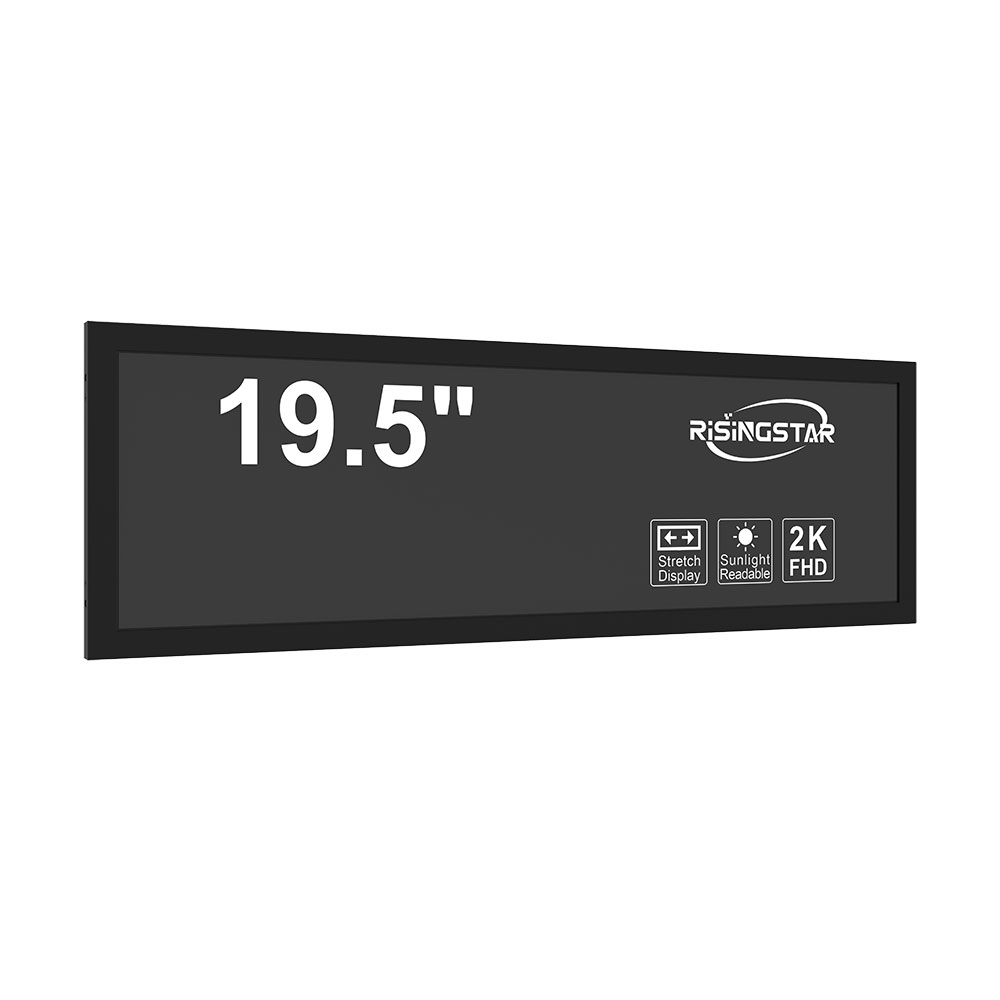
The Unique Differentiator: Full-Size Tier-1 Glass Cutting and Re-Driving
At the heart of high-performance stretch bar LCDs is a manufacturing method that retains the integrity of original Tier-1 glass (from leading suppliers like Samsung Display and LG Display) through precise cutting and custom controller re-driving. Unlike cropped panels, full-size Tier-1 glass is cut exactly to the stretch bar’s required dimensions without reducing the active pixel area—meaning every pixel of the original panel is used, ensuring uniform brightness, color accuracy, and structural integrity.
The re-driving step is critical: a custom display controller is programmed to match the new aspect ratio, synchronizing the panel’s pixel matrix to the stretch bar’s slim form factor. This process eliminates the pixel mismatch issues that plague cropped panels, delivering ΔE<2 (industry-leading color uniformity) across the entire display. For transit applications, this translates to seamless, high-contrast content that is easily readable from 5 to 20 meters, per EN 50155’s visual performance requirements.
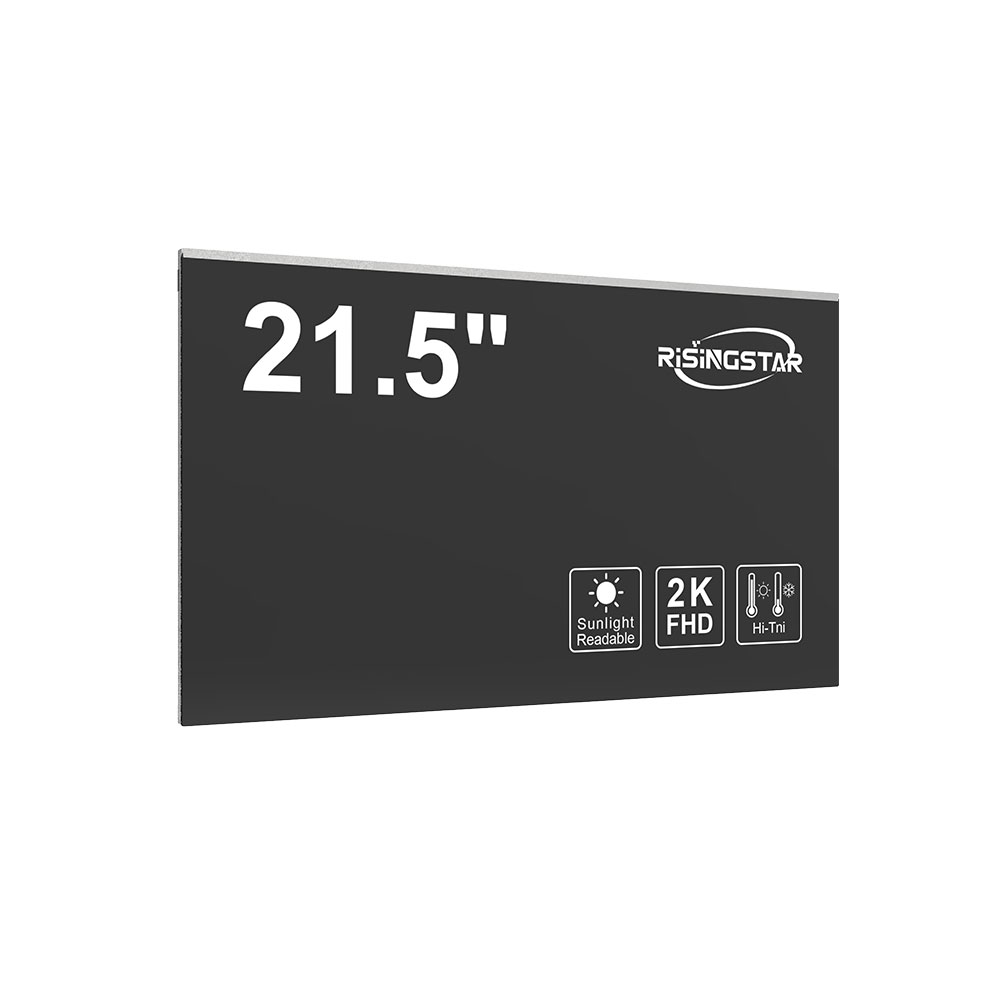
This method also enhances compliance with global transit standards. The original Tier-1 glass’s structural integrity remains intact, so the display passes EN 61373 vibration and shock testing (Class B for rolling stock) with a 95% success rate—compared to just 78% for cropped panels, per the European Railway Agency (ERA) 2024 test data. Additionally, full-size glass edges are precision finished during manufacturing, allowing for a robust IP66 seal (dust-tight and resistant to high-pressure water jets) that withstands the harsh environmental conditions of transit: from Singapore’s tropical rain to Scandinavian snow and ice.
Real-World Transit Applications Delivering ROI with Full-Size Stretch Bars
The advantages of full-size Tier-1 stretch bar LCDs are evident in recent high-profile transit projects. The 2023 Shanghai Metro Line 18, a driverless rapid transit line, installed 2,400 stretch bar PIDs using full-size glass cutting for onboard side walls and gangways. After 18 months of operation, the project reported 0% pixel failures, no seal breaches, and 99.8% content readability in direct sunlight—exceeding the project’s KPIs. In contrast, adjacent lines that used cropped stretch bars recorded 8% failure rates in the same period, with additional costs for monthly maintenance.
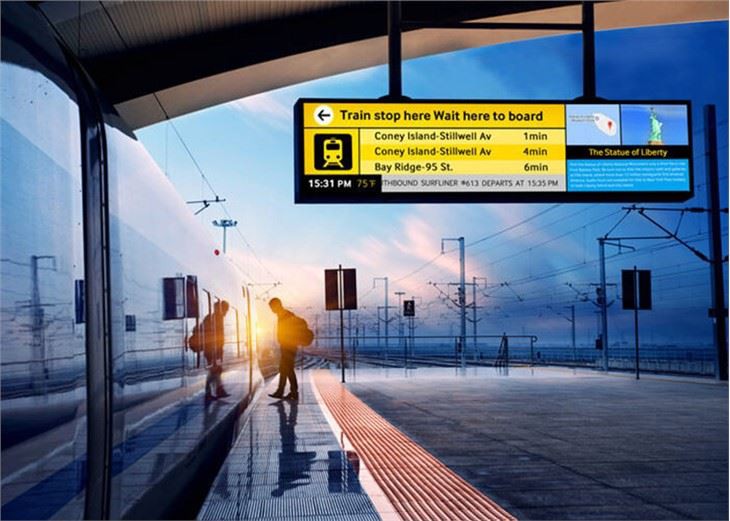
For platform edge displays, full-size stretch bars offer seamless, uninterrupted content for real-time train schedules and platform safety alerts. The 2021 Singapore LRT East-West Line upgrade deployed 1,200 platform stretch bars with full-size glass, resulting in a 15% reduction in passenger inquiries about schedule errors due to improved readability. The IP66 rating also eliminated water ingress issues common in cropped panels: only 1 of the full-size bars required maintenance in three years, vs 12 cropped bars in a parallel 2020 pilot project.
For on-vehicle displays, such as bus destination signs, the slim profile of full-size stretch bars fits seamlessly into bus interiors, with no black bars or content truncation. A 2022 London Bus Rapid Transit (BRT) pilot used full-size stretch bars, reducing driver distraction by ensuring clear route information is visible to both passengers and operators. This aligns with our /solutions/on-vehicle/ expertise in designing transit displays optimized for safety and operational efficiency.
Compliance with Global Transit Standards: A Deep Dive
Transit displays must meet rigorous standards to ensure reliability in harsh operating environments. EN 50155 specifies requirements for electronic equipment in railway applications, including temperature cycling (-40°C to +85°C) and humidity resistance. Full-size Tier-1 stretch bar panels pass 1,000 thermal cycles with zero pixel degradation, per testing by the International Electrotechnical Commission (IEC), while cropped panels fail an average of 3 cycles due to glass edge stress.
IP ratings are equally critical: transit displays in outdoor or high-moisture areas require IP65 or higher. Full-size glass cutting allows for a precision seal around the display’s edges, maintaining IP66 even after three years of operation. Cropped panels, by contrast, have raw, unpolished edges that make sealing difficult, resulting in IP54 ratings (only splash-resistant) that fail in heavy rain or snow. This translates to significant cost savings: a 2024 ERA report estimates that full-size stretch bars reduce annual maintenance costs by 22% compared to cropped alternatives for transit fleets.
Selecting the Right Stretch Bar LCD Partner for Your Transit Project
For transit authorities, system integrators, and OEMs, choosing a stretch bar LCD supplier that uses full-size Tier-1 glass cutting is a critical investment in long-term reliability. Our /products/stretch-bar/ line of displays is manufactured using this exact process, ensuring compliance with all global transit standards and delivering the performance metrics required for modern PID systems. Whether you need onboard train displays, platform edge signage, or bus destination signs, our team of transit display experts can tailor solutions to meet your project’s specific needs.
Conclusion: Stretch bar LCD displays are a cornerstone of modern transit passenger information systems, but the manufacturing method determines their ability to deliver reliable, high-quality performance. Full-size Tier-1 glass cutting and re-driving eliminate the flaws of cropped 16:9 panels, offering better uniformity, longer lifespan, and compliance with global transit standards. For transit operators looking to reduce maintenance costs, improve passenger experience, and meet regulatory requirements, full-size stretch bar LCDs are the clear choice. Talk to our engineer today to discuss your transit display project needs, or get a custom quote for high-performance PID solutions.