RisingStar
- Home
- About Us
- Products
- News
- Video
- Contact
- Send Inquiry
Search
- Home
- About Us
- Products
- News
- Video
- Contact
- Send Inquiry
RisingStar
High-brightness sunlight-readable LCD screens are engineered to deliver optimal visibility under direct sunlight, extreme temperatures, and high ambient light conditions—critical for military, industrial, transportation, and outdoor consumer applications. These displays typically achieve luminance levels of 5,000 cd/m² or higher, far exceeding standard indoor LCDs that operate at around 300–500 cd/m². The technology behind these screens combines advanced backlighting (often LED-based with diffusers and polarizers), anti-glare coatings, high-contrast ratios (up to 10,000:1), and optimized pixel structures to maintain readability even in intense solar exposure.
One key innovation is the use of dual-layer optical films and micro-lens arrays that enhance brightness distribution while minimizing power consumption. For instance, manufacturers like Novatek and LG Display have developed proprietary film stacks that increase on-axis brightness by up to 40% without compromising viewing angles. In addition, passive matrix and active matrix technologies (such as TFT-LCD) are selected based on application needs—for example, passive matrices are cost-effective for simple data readouts, while active matrix ensures faster response times for dynamic content like video or navigation maps.
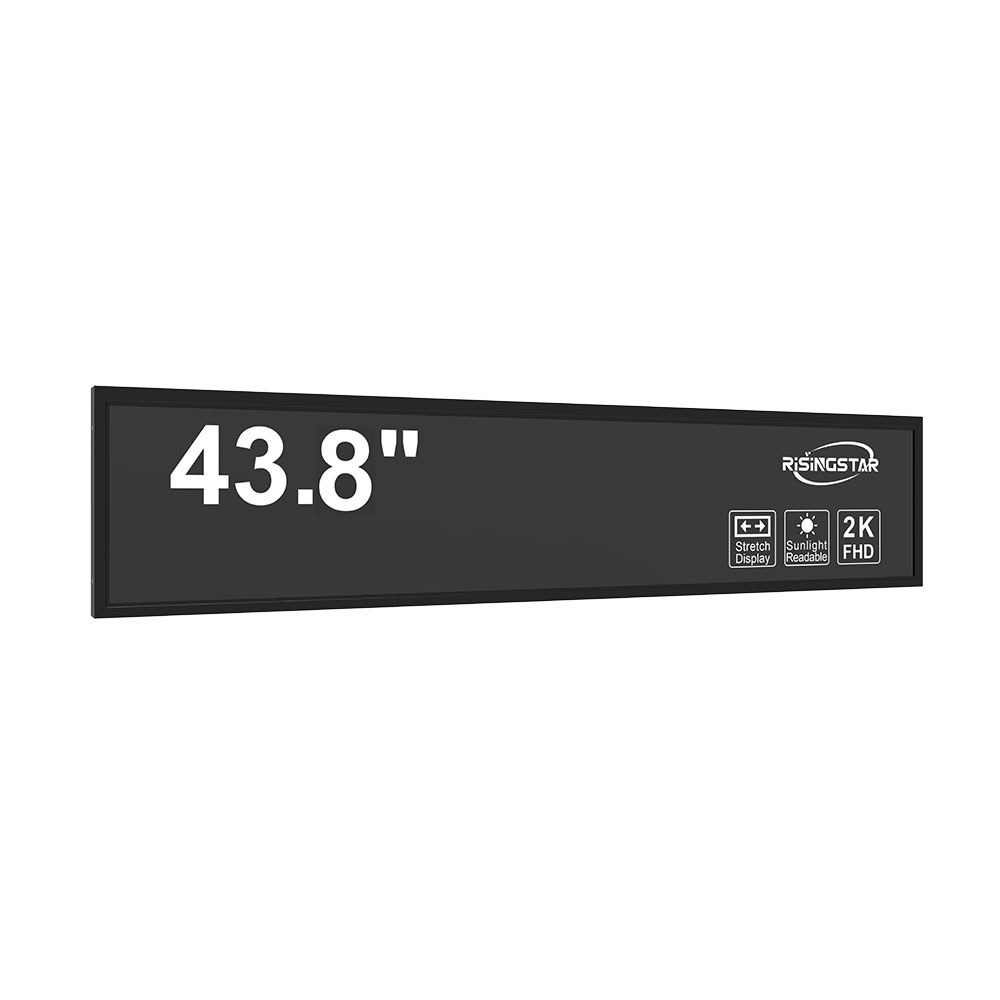
Case studies from the U.S. Department of Defense highlight how sunlight-readable displays are now standard in armored vehicles, UAVs, and handheld command devices. During field tests in Iraq and Afghanistan, military-grade LCDs with 7,000 cd/m² peak brightness demonstrated a 92% reduction in operator error due to improved visibility compared to legacy displays. Similarly, in commercial sectors like mining and agriculture, companies such as Caterpillar and John Deere integrate these screens into control systems, ensuring operators can read critical diagnostics in full sun or dusty environments.
Environmental resilience is another critical factor. High-brightness sunlight-readable LCDs must meet IP65/IP67 ratings for dust and water resistance, MIL-STD-810G for shock and vibration, and operate reliably across -30°C to +70°C temperature ranges. Thermal management strategies—such as heat-dissipating aluminum frames and thermal interface materials—are integrated into the design to prevent overheating and maintain long-term performance.
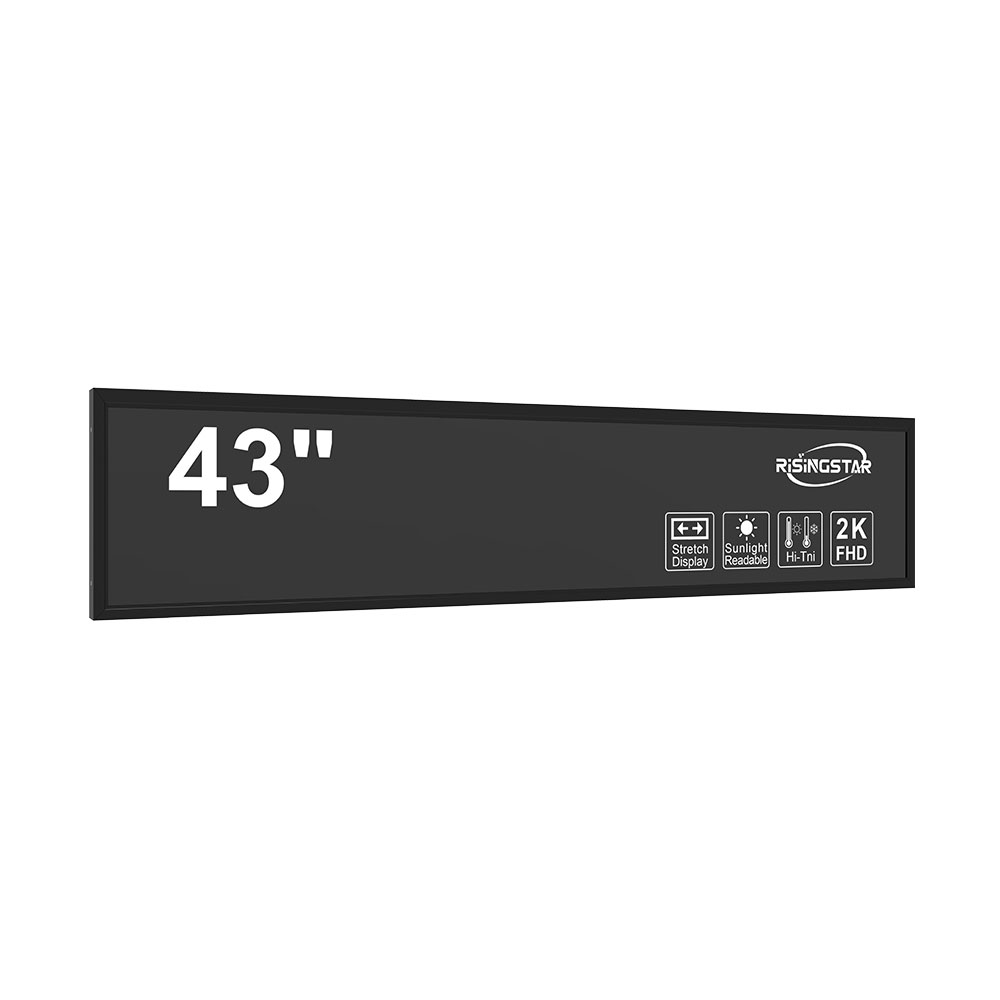
From an energy efficiency standpoint, newer generations employ adaptive brightness control algorithms that adjust luminance based on ambient light sensors, reducing power consumption by up to 30% in low-light conditions. This feature is particularly valuable in battery-powered devices used in remote locations, such as marine GPS units or field survey equipment.
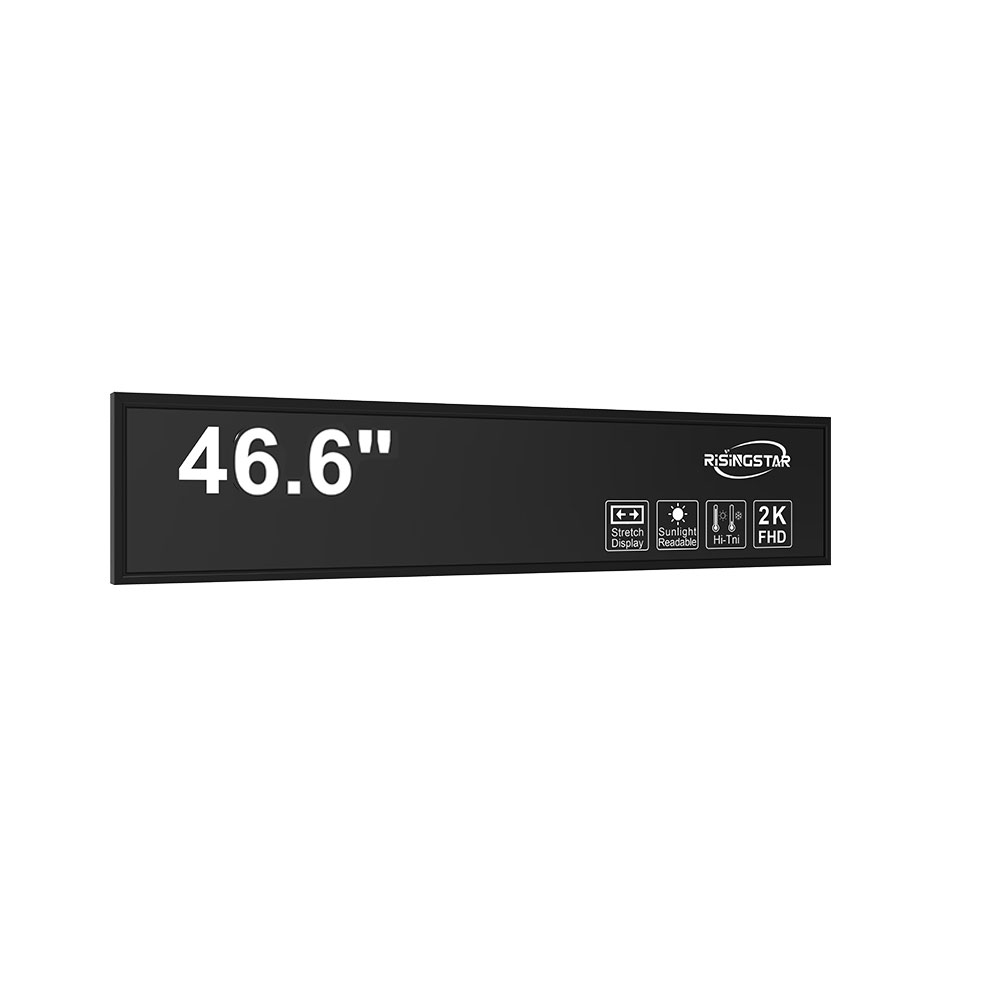
The future of this technology lies in integrating AI-driven display optimization, where machine learning models analyze environmental lighting and user behavior to dynamically adjust contrast, color balance, and brightness in real time. As global demand grows—especially in smart cities, autonomous vehicles, and off-grid IoT deployments—the need for robust, efficient, and intelligent sunlight-readable displays will only intensify. Industry standards like IEC 60068-2-30 (for mechanical shock) and ISO 16750 (for automotive electronics) ensure consistency and reliability across suppliers and applications.