RisingStar
- Home
- About Us
- Products
- News
- Video
- Contact
- Send Inquiry
Search
- Home
- About Us
- Products
- News
- Video
- Contact
- Send Inquiry
RisingStar
In today’s increasingly connected and mobile-driven world, high-brightness sunlight-readable LCD screens have become indispensable across industries such as transportation, military, medical, industrial automation, and outdoor retail. These displays are engineered to maintain clarity, contrast, and color accuracy even under intense direct sunlight—conditions where standard LCDs fail dramatically. According to a 2023 report by MarketsandMarkets, the global sunlight-readable display market is projected to reach $7.8 billion by 2028, growing at a CAGR of 9.4%, driven by rising demand in automotive infotainment systems, public safety devices, and ruggedized field equipment.
What makes a high-brightness sunlight-readable LCD different? It’s not just about brightness—it’s a combination of advanced backlighting technologies, anti-glare coatings, high-contrast ratios, and specialized panel designs. For instance, many modern sunlight-readable displays now exceed 5,000 nits of peak brightness—a significant leap from typical indoor LCDs that max out around 300–500 nits. This performance is achieved using LED arrays with optimized optical films, micro-lens arrays, and sometimes even dual-layer backlight systems for enhanced light distribution.
One of the key innovations in this space is the use of transflective liquid crystal technology, which combines both transmissive (for indoor use) and reflective (for sunlight readability) modes. This hybrid approach reduces power consumption while ensuring visibility in varying lighting conditions—an essential feature for battery-powered devices like handheld scanners or military tablets. A case study conducted by Sharp Corporation in 2022 demonstrated that their transflective panels reduced power usage by up to 40% compared to conventional full-transmissive panels, without compromising outdoor legibility.
Another critical factor is the integration of anti-reflection (AR) and anti-glare (AG) coatings. These multi-layer nano-coatings minimize ambient light reflection, improving contrast ratios from typically 1000:1 in standard displays to over 5000:1 in high-end sunlight-readable models. Additionally, some manufacturers employ polarized glass layers and etched surface treatments to diffuse reflections more effectively. For example, Eizo’s “ColorEdge” series uses an AR coating developed in collaboration with Corning, enabling near-perfect visibility even in desert environments where solar irradiance exceeds 1000 W/m².
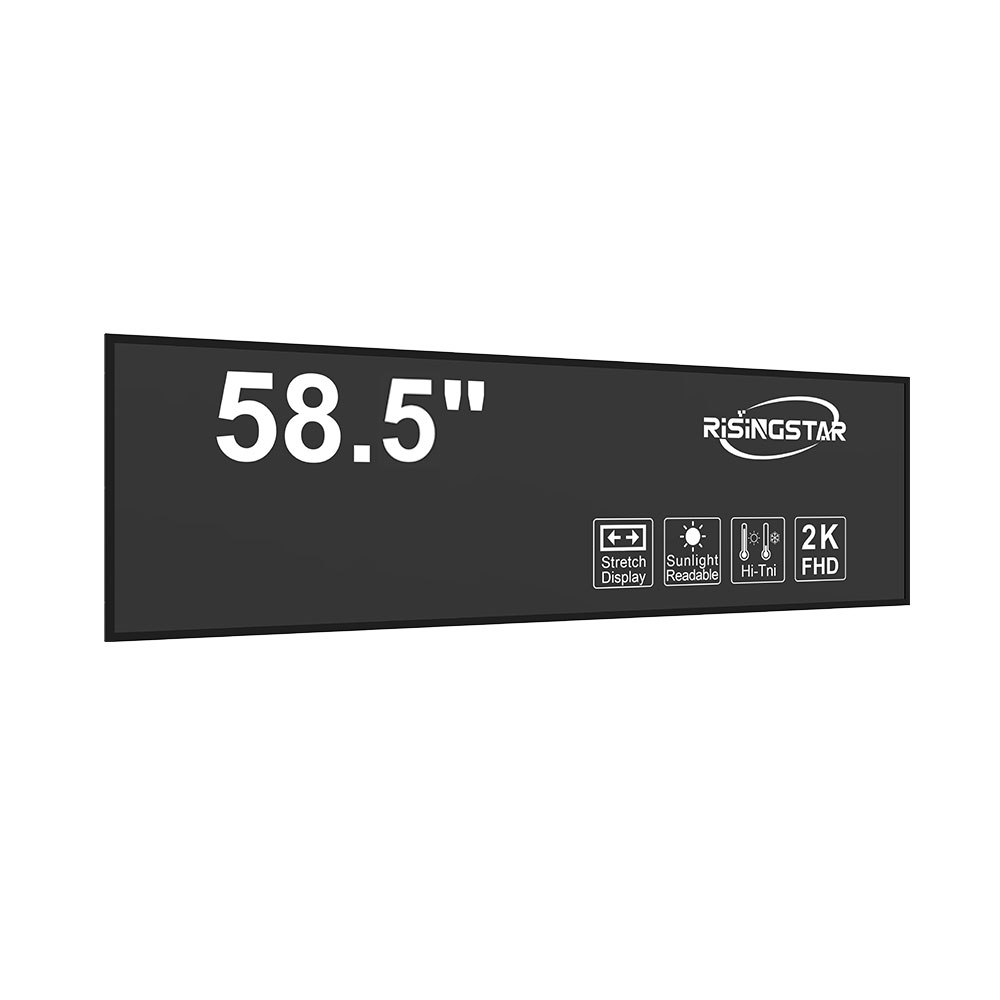
Environmental durability also plays a role. Many sunlight-readable LCDs are built to IP65/IP67 standards for dust and water resistance, often operating in extreme temperatures ranging from -20°C to +70°C. In defense applications, MIL-STD-810G compliance ensures mechanical shock, vibration, and humidity tolerance—critical for battlefield communication devices. Real-world testing by the U.S. Army Research Laboratory in 2021 showed that certain sunlight-readable displays maintained 95% of their original brightness after 10,000 hours of continuous operation under simulated desert conditions.
From an engineering perspective, choosing the right sunlight-readable LCD involves understanding the specific use case. For example, in automotive dashboards, high contrast and fast response times (under 10ms) are crucial for real-time data visualization, whereas in outdoor kiosks, durability and energy efficiency may take precedence. Leading suppliers like LG Display, BOE Technology, and Innolux now offer customizable solutions tailored to these diverse needs through modular design frameworks and open API integrations.
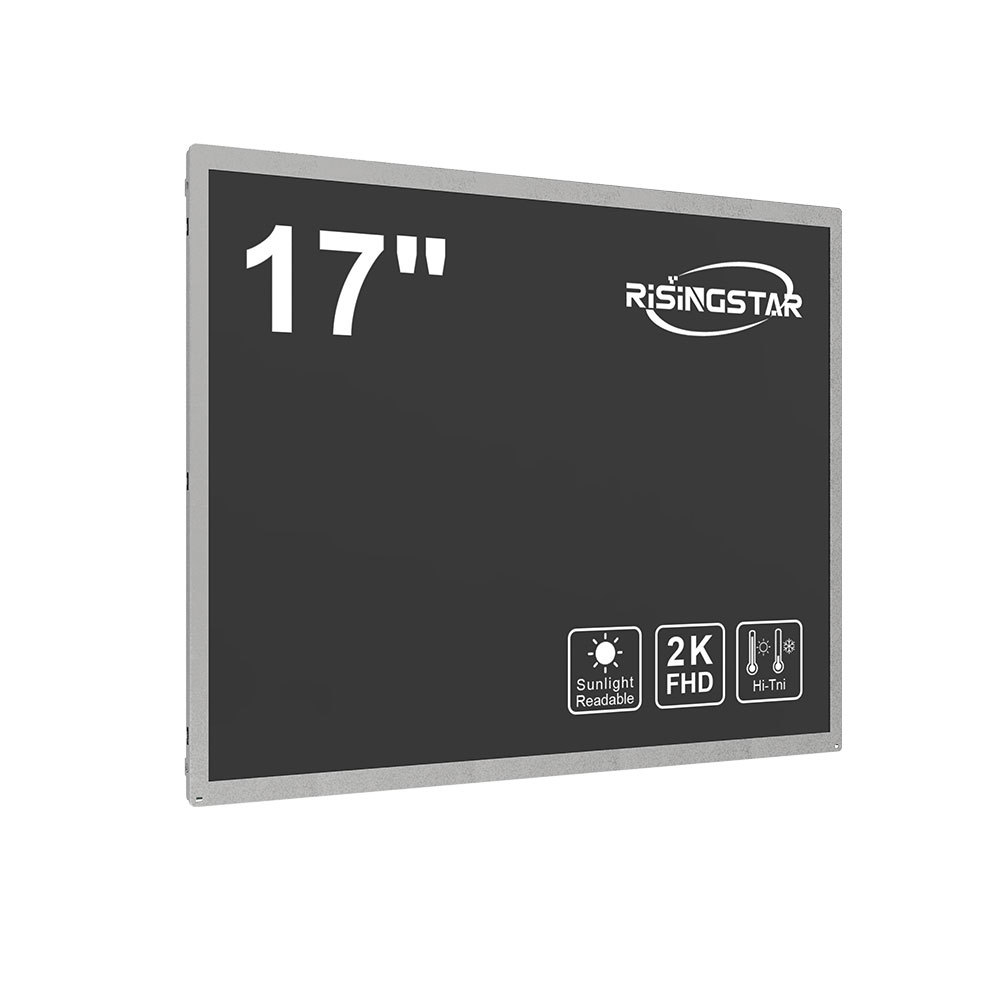
Looking ahead, emerging trends include the adoption of mini-LED and micro-LED backlighting for higher precision local dimming, and the development of AI-assisted adaptive brightness algorithms that dynamically adjust luminance based on ambient light sensors and user behavior. As global demand for resilient, visible, and energy-efficient displays grows, high-brightness sunlight-readable LCD technology will remain at the forefront of innovation in human-machine interfaces for outdoor and harsh-environment applications.