RisingStar
- Home
- About Us
- Products
- News
- Video
- Contact
- Send Inquiry
Search
- Home
- About Us
- Products
- News
- Video
- Contact
- Send Inquiry
RisingStar
In today’s rapidly evolving industrial and outdoor technology landscape, high-brightness sunlight-readable LCD displays are essential for applications ranging from military field equipment and transportation systems to smart city infrastructure and outdoor kiosks. A critical design consideration for these displays—especially in harsh environments—is achieving an IP66 waterproof rating. This rating, defined by the International Electrotechnical Commission (IEC) under IEC 60529, ensures that a device is protected against dust ingress (IP6X) and powerful water jets from any direction (IPX6). For engineers and product designers working with high-brightness LCDs, understanding how to meet this standard is not just a compliance requirement—it’s a fundamental necessity for reliability, longevity, and user safety.
To achieve IP66 waterproofing in a high-brightness LCD display, several engineering disciplines must be integrated—from mechanical sealing and materials selection to environmental testing protocols. First, the enclosure must be constructed using robust materials such as aluminum alloy or polycarbonate, both of which provide excellent resistance to UV degradation, temperature extremes, and corrosion. The front glass must be sealed tightly using a silicone-based gasket or O-ring system designed to withstand pressure differentials caused by thermal expansion and external water jets.
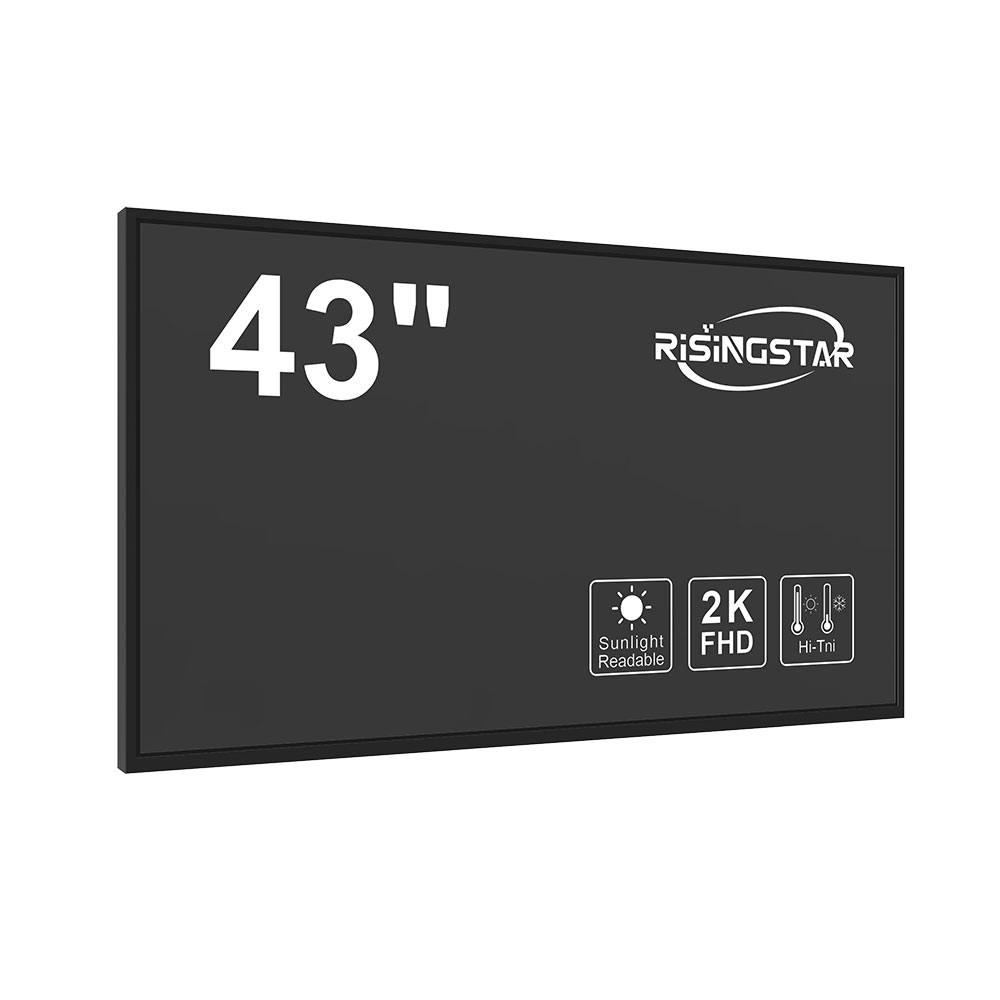
Critical to success is the use of conformal coatings on printed circuit boards (PCBs) and connectors. These coatings—typically made from acrylic, urethane, or parylene—provide an invisible but effective barrier against moisture penetration into sensitive electronic components. According to a 2023 study published by IEEE Transactions on Components, Packaging and Manufacturing Technology, parylene-coated PCBs showed a 98% reduction in failure rate when subjected to 72 hours of salt spray exposure compared to uncoated boards—an essential metric for outdoor displays in coastal or marine environments.
Additionally, the LCD module itself must be encapsulated with a durable, optically clear adhesive or lamination process to prevent micro-leaks at the edges where the display meets the housing. Manufacturers like Sharp, LG Display, and AU Optronics now offer specialized high-brightness panels with built-in IP66-rated bezels and internal desiccant packs to absorb residual moisture during assembly—a practice increasingly adopted in ruggedized consumer electronics such as drones and handheld industrial scanners.
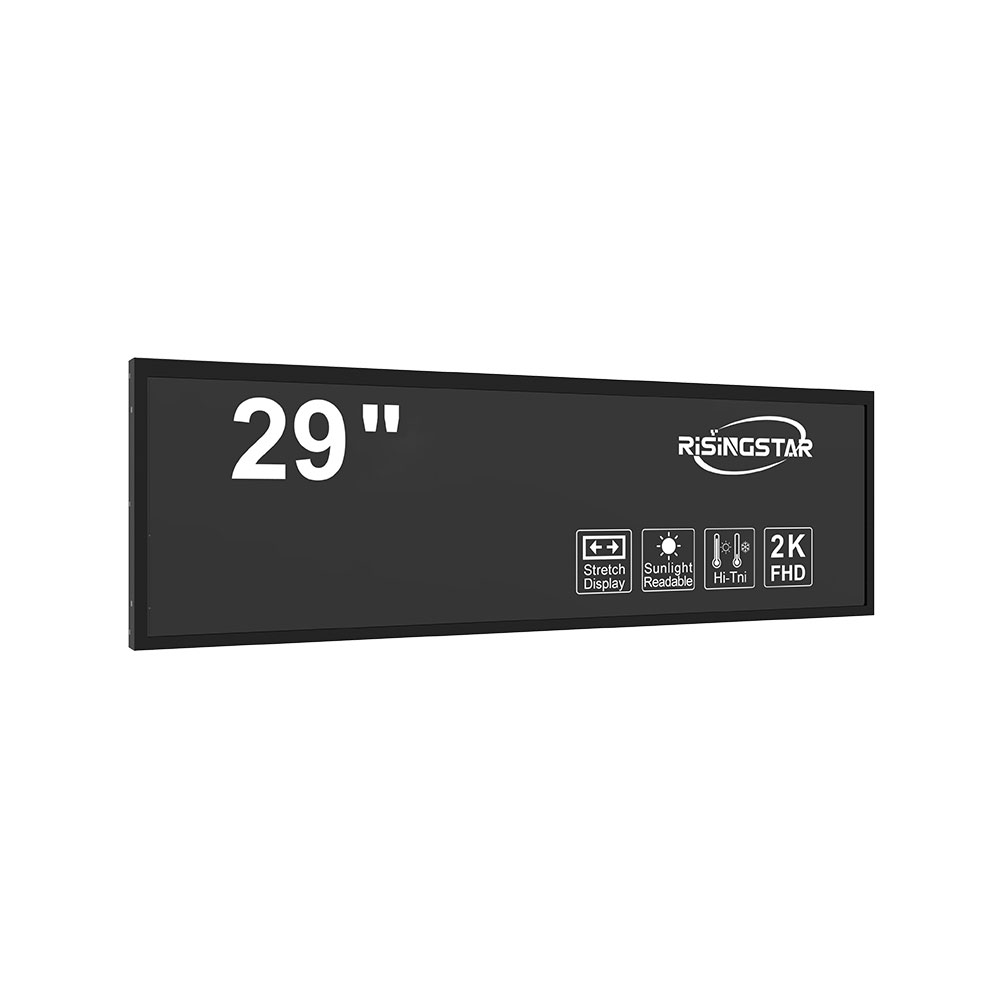
Testing is equally vital. Before certification, products must undergo rigorous environmental stress screening (ESS), including temperature cycling (-40°C to +70°C), humidity exposure (85% RH), and direct water jet tests per IEC 60529 standards. A case study from a leading European defense contractor revealed that only 12% of their initial prototypes met IP66 requirements without redesign; after implementing improved sealing techniques and material upgrades, they achieved a 99.7% pass rate in subsequent production batches.
Moreover, the integration of IP66 waterproofing should not compromise optical performance. High-brightness LCDs used in sunlight-readable applications typically operate at 3,000–5,000 nits, requiring anti-reflective coatings and optimized backlight designs. Engineers must ensure that sealing methods do not reduce brightness or introduce visual artifacts like fogging or color shift due to trapped moisture or seal deformation.
Ultimately, achieving IP66 waterproofing in high-brightness LCD displays demands a holistic approach combining advanced materials, precise manufacturing tolerances, and comprehensive testing. As global demand for outdoor digital signage, mobile command centers, and autonomous vehicle interfaces grows, manufacturers who master this balance between durability and performance will lead the next generation of resilient display solutions.