RisingStar
- Home
- About Us
- Products
- News
- Video
- Contact
- Send Inquiry
Search
- Home
- About Us
- Products
- News
- Video
- Contact
- Send Inquiry
RisingStar
In today’s increasingly outdoor-centric technological landscape—from military field operations to public transportation systems and industrial control panels—high-brightness sunlight-readable LCD displays have become indispensable. One of the most critical specifications in these displays is brightness, typically measured in nits (cd/m²). A brightness level of 500 nits has emerged as a benchmark for reliable visibility under direct sunlight, making it a pivotal factor in display design for harsh environments.
For context, standard indoor LCDs typically emit between 200–300 nits, which quickly becomes insufficient when exposed to ambient daylight exceeding 10,000 lux—a common condition during midday sun. At this point, the screen appears washed out or invisible, leading to operational inefficiencies or even safety hazards. In contrast, a 500-nit display ensures clear readability under full sunlight conditions, maintaining contrast ratios above 100:1 even in bright outdoor settings. This performance threshold aligns with MIL-STD-188-134B and ISO 13406 standards for sunlight-readable displays used in defense, aviation, and automotive industries.
What makes 500 nits particularly compelling is not just its numerical value but its engineering implications. Achieving consistent brightness at this level requires advanced backlighting techniques such as LED arrays with high-efficiency phosphor coatings, anti-reflective glass treatments, and polarized film optimization. For example, modern IPS (In-Plane Switching) panels with edge-lit LED backlights and laminated touch layers can maintain uniform illumination across the entire screen surface while reducing power consumption by up to 25% compared to older CCFL-based systems.
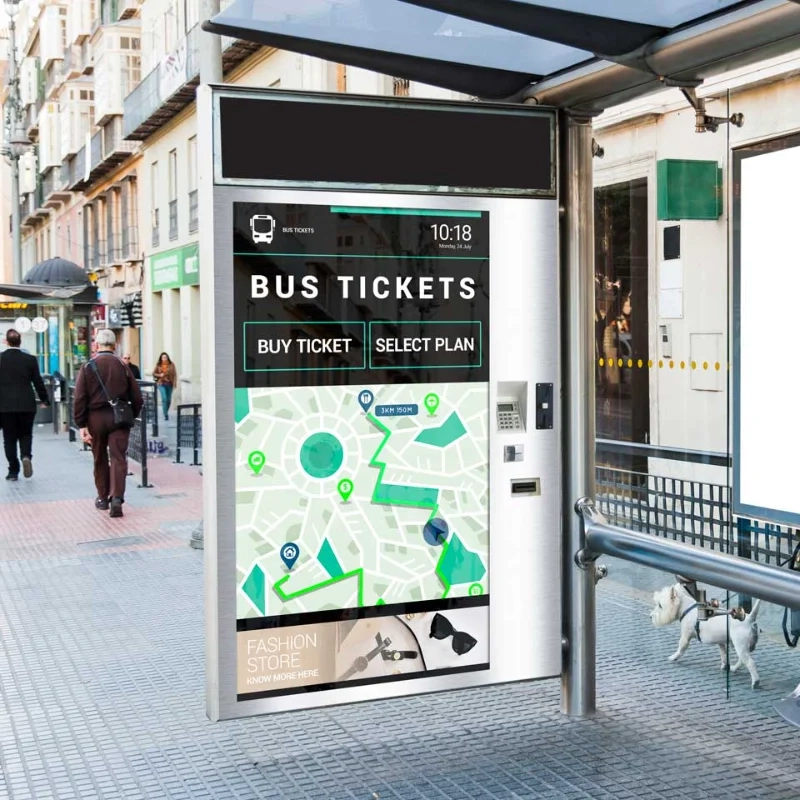
Case studies from real-world deployments reinforce this point. In a 2022 U.S. Department of Defense evaluation, a fleet of ruggedized tablets equipped with 500-nit sunlight-readable LCDs performed reliably in desert and jungle environments where ambient light exceeded 80,000 lux—conditions that rendered lower-brightness screens unusable. Similarly, Japanese railway operators adopted 500-nit displays for passenger information systems on open-air platforms, significantly improving usability during peak sun hours without increasing energy draw.
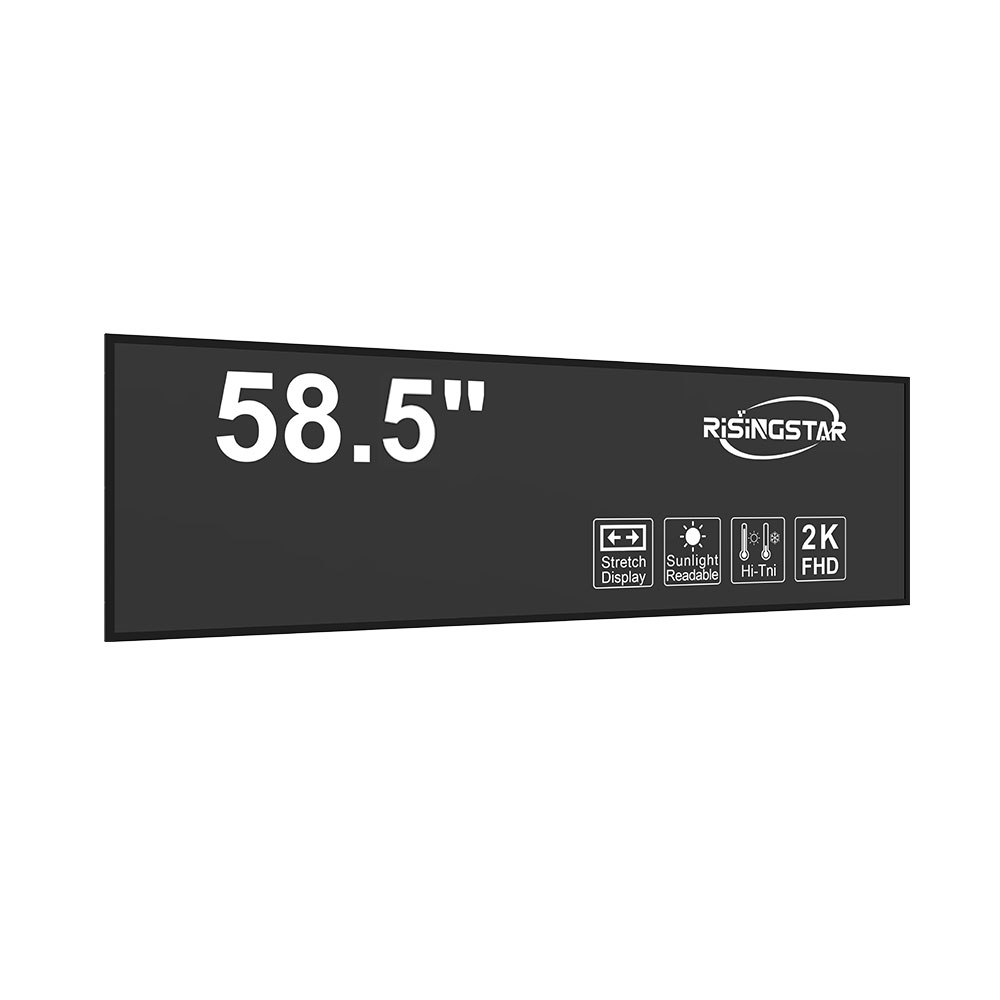
Beyond brightness, other factors contribute to effective outdoor display performance: wide viewing angles (typically >170°), fast response times (<20ms), and environmental resilience (IP65-rated enclosures for dust and water resistance). These features collectively define what engineers call "sunlight-readability," a holistic concept encompassing luminance, contrast, glare reduction, and thermal stability.
For developers and procurement managers, understanding the role of 500 nits in outdoor applications means prioritizing not just raw brightness numbers but total system performance. It's no longer sufficient to simply list a display’s nits rating; users must also consider how that brightness is maintained over temperature variations (from -20°C to +60°C), how it interacts with ambient lighting changes, and whether the display supports adaptive brightness adjustment via sensors.
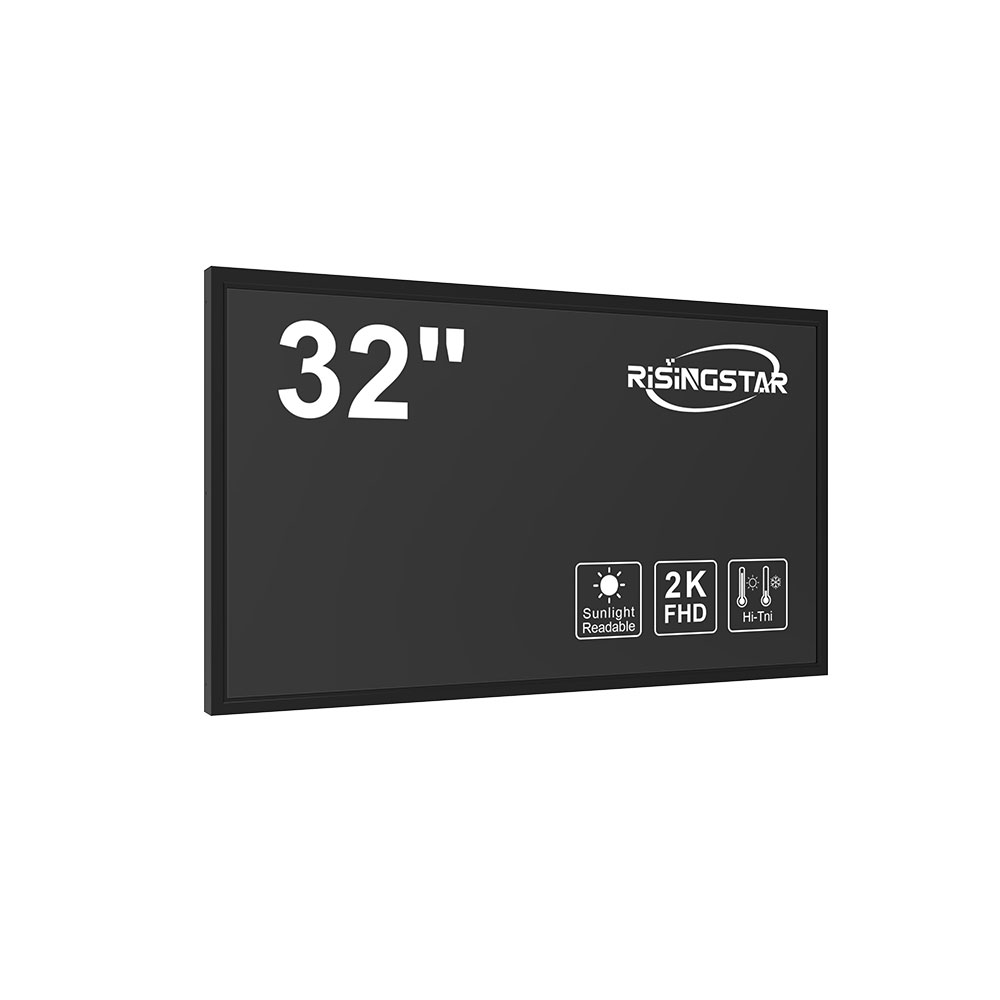
In summary, 500 nits isn’t just a number—it represents a proven standard for creating functional, durable, and user-friendly outdoor displays. Whether for emergency services, construction sites, or consumer-grade outdoor kiosks, this brightness level serves as a critical foundation for ensuring visibility, accessibility, and operational continuity in real-world conditions. As more industries embrace mobile and remote work models, the demand for high-brightness sunlight-readable LCDs will continue to grow—and 500 nits remains the gold standard.