 RisingStar
- Home
- About Us
- Products
- News
- Video
- Contact
- Send Inquiry
Search
- Home
- About Us
- Products
- News
- Video
- Contact
- Send Inquiry
RisingStar
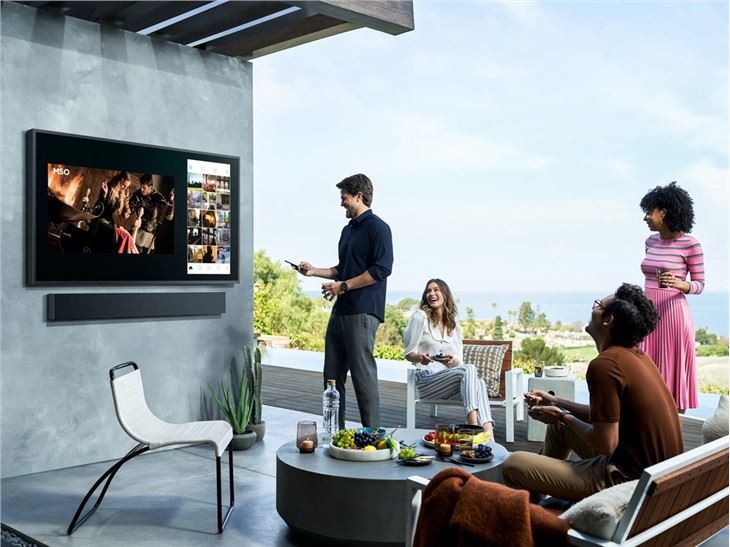
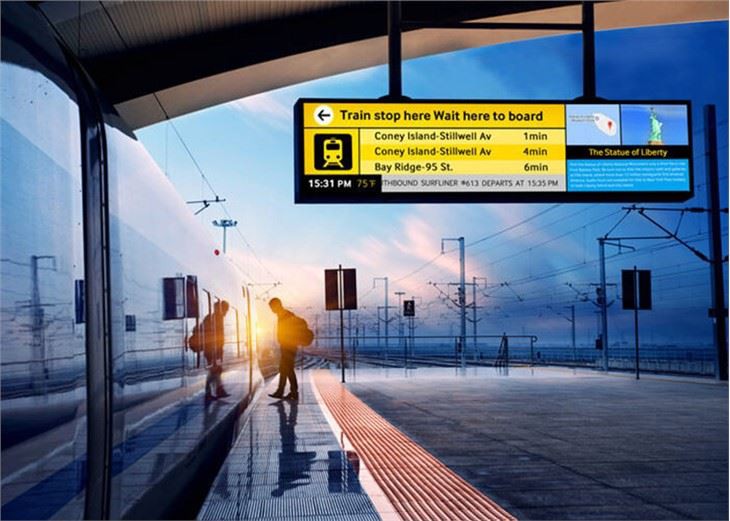
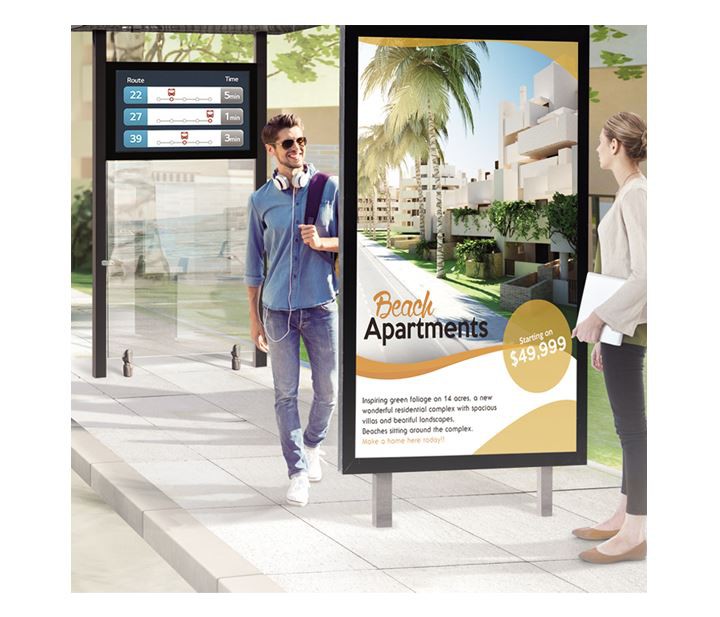
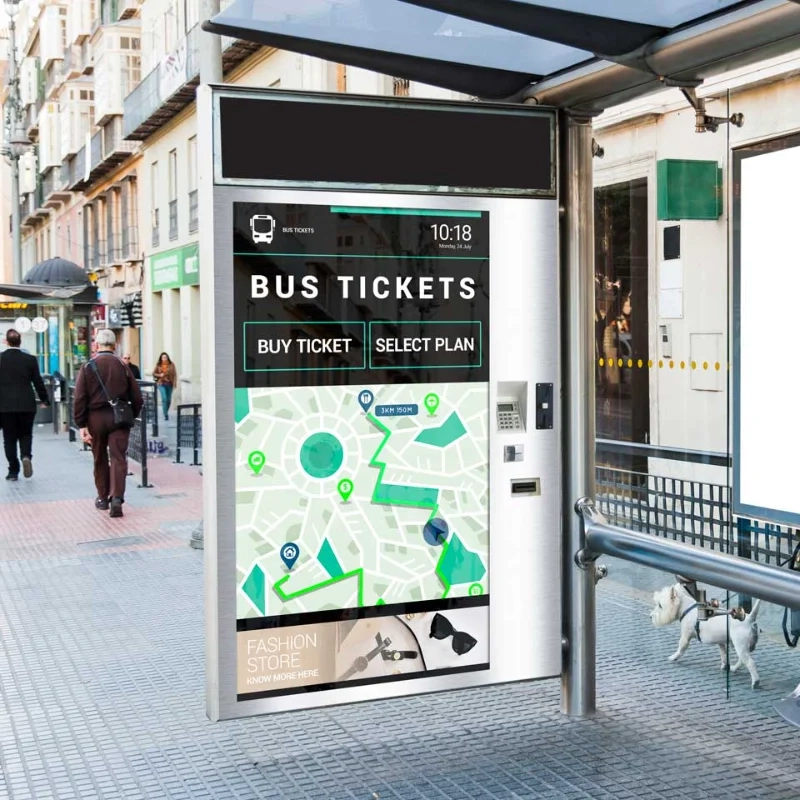
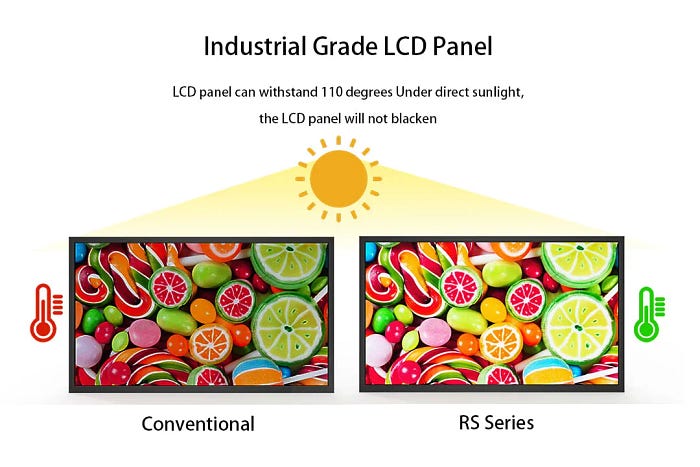
When designing outdoor electronic systems—from military field displays to public transportation information kiosks—selecting a high-brightness sunlight-readable LCD is not just a technical choice, but a mission-critical decision. These screens must function reliably in extreme lighting conditions, including direct sunlight exceeding 100,000 lux, while maintaining clarity, color accuracy, and durability.
The first consideration is luminance output. Standard indoor LCDs typically offer 250–400 cd/m² (candela per square meter), which quickly fades under bright sun. For true sunlight readability, manufacturers must specify at least 1,500 cd/m², with premium models reaching 5,000–7,000 cd/m². This range ensures visibility even in harsh environments like deserts or tropical coastlines. Industry standards such as MIL-STD-810G and IEC 60068-2-1 provide test protocols for brightness performance under simulated solar radiation.
Next, contrast ratio plays a vital role. A minimum of 1,000:1 contrast is recommended, but higher ratios—such as 3,000:1 or more—are essential for sharp image definition when ambient light fluctuates. Technologies like IPS (In-Plane Switching) panels often outperform TN (Twisted Nematic) in both viewing angles and contrast stability, making them preferred for professional-grade outdoor applications.
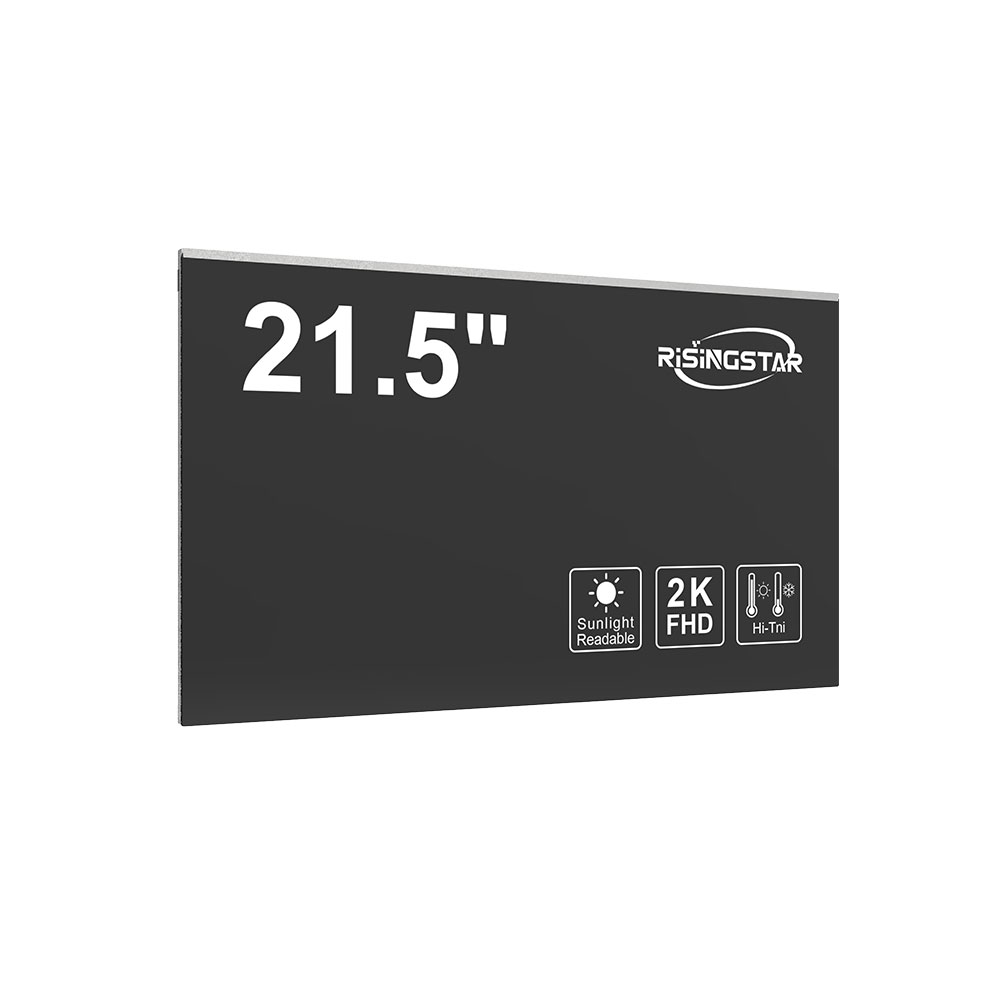
Backlight design significantly impacts brightness and power efficiency. Direct LED backlighting with diffuser plates offers uniform illumination, whereas edge-lit designs may suffer from uneven brightness distribution—a known issue in budget-tier displays. High-end units incorporate adaptive brightness control, automatically adjusting luminance based on ambient light sensors to reduce power consumption without sacrificing readability.
Optical bonding is another key factor. By laminating the display glass directly to the touch panel using optical-grade adhesive, manufacturers eliminate air gaps that cause reflections and glare. This technique increases effective brightness by up to 30% and improves ruggedness against moisture, dust, and vibration—critical for industrial and defense use cases. According to a 2022 report by Display Week, bonded displays demonstrate 90% better visibility in full sunlight compared to un-bonded equivalents.
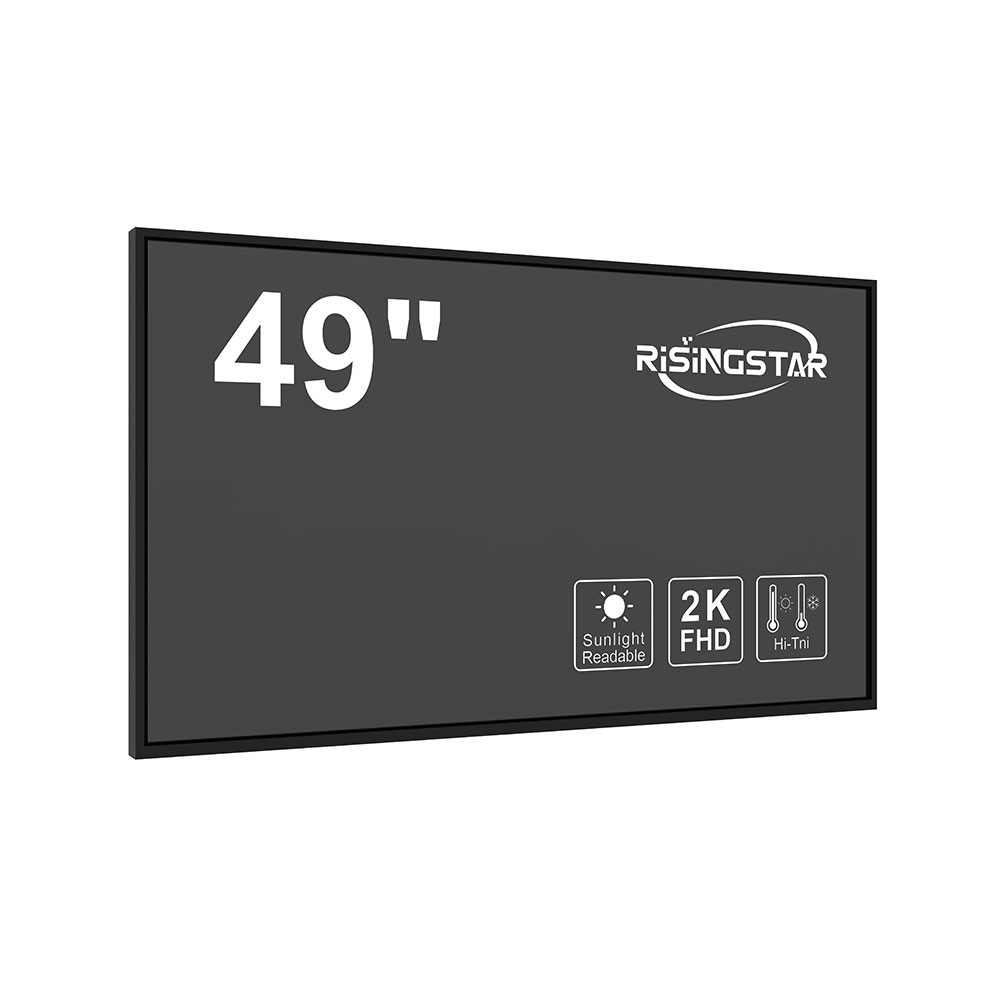
Environmental resilience matters too. Look for IP65 or higher ratings for dust and water resistance, especially in mobile or marine deployments. Operating temperature ranges should span -20°C to +70°C for global usability, and some models support extended thermal operation up to +85°C. The U.S. Department of Defense’s Joint Electronics Type Designation System (JETDS) includes specific guidelines for display survivability in extreme climates.
Finally, consider human factors: touch sensitivity in gloves, response time (<20ms), and compatibility with wide-angle viewing. For example, military vehicles often require glove-compatible resistive or capacitive touchscreens that remain responsive in cold conditions—a feature supported by modern multi-touch controllers compliant with USB HID standards.
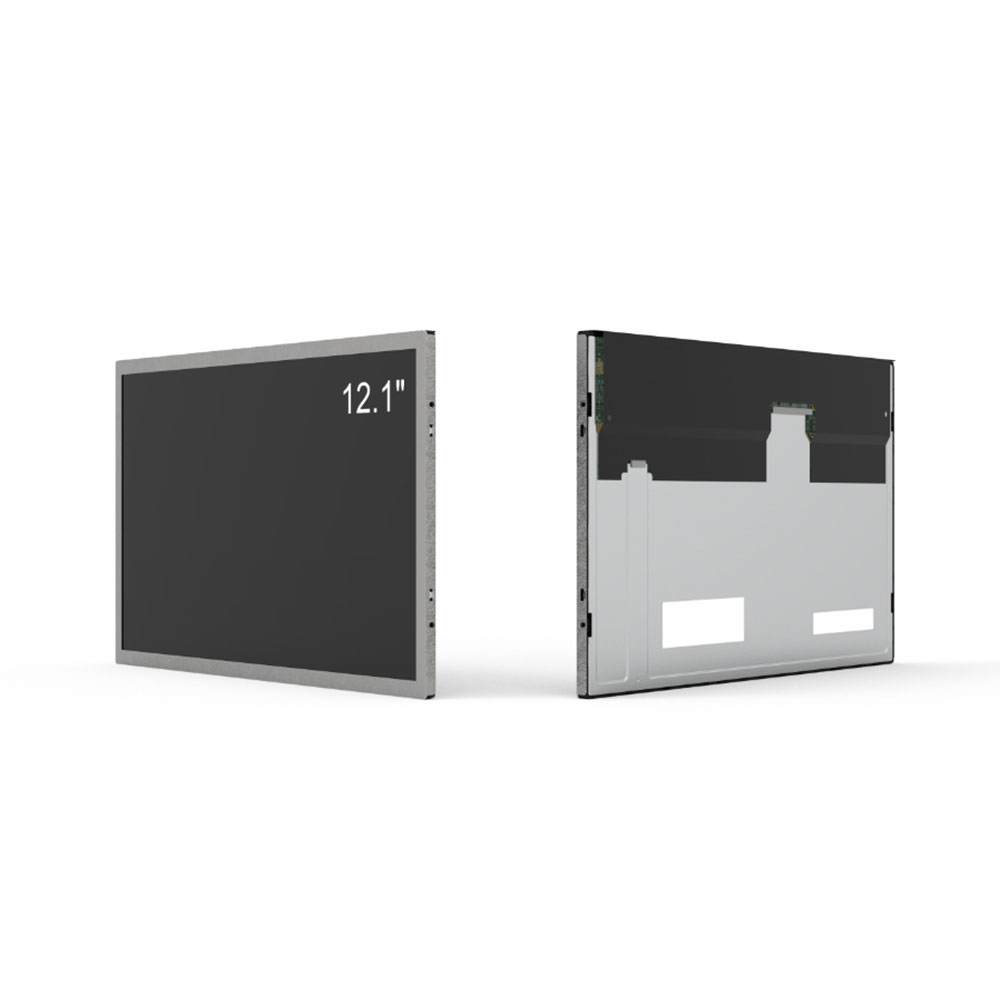
Choosing the right high-brightness sunlight-readable LCD requires balancing technical specifications with real-world application demands. Whether for aviation HUDs, smart city infrastructure, or agricultural IoT devices, understanding these core elements ensures optimal performance, longevity, and user safety in outdoor settings.