RisingStar
- Home
- About Us
- Products
- News
- Video
- Contact
- Send Inquiry
Search
- Home
- About Us
- Products
- News
- Video
- Contact
- Send Inquiry
RisingStar
High-brightness sunlight-readable LCD screens have become an essential component for various industries such as automotive, aviation, military, outdoor advertising, and industrial automation. As an overseas equipment manufacturer or distributor, understanding the intricacies of these displays is crucial to making informed decisions about product integration and offering solutions to your clients.
Sunlight-readable LCDs are designed to perform optimally in direct sunlight, where traditional screens struggle to provide clear visibility. This performance enhancement is typically achieved through advanced technologies such as increased backlight intensity, anti-reflective coatings, and high-contrast matrices.
1. Understanding the Technology Behind Sunlight-Readable LCDs
The core of a high-brightness LCD lies in its backlighting. Conventional LCDs generally provide a brightness range between 200 to 400 nits, while high-brightness displays can achieve over 1,000 nits. This significant increase in brightness stems from using LED backlighting systems that are optimized for outdoor conditions.
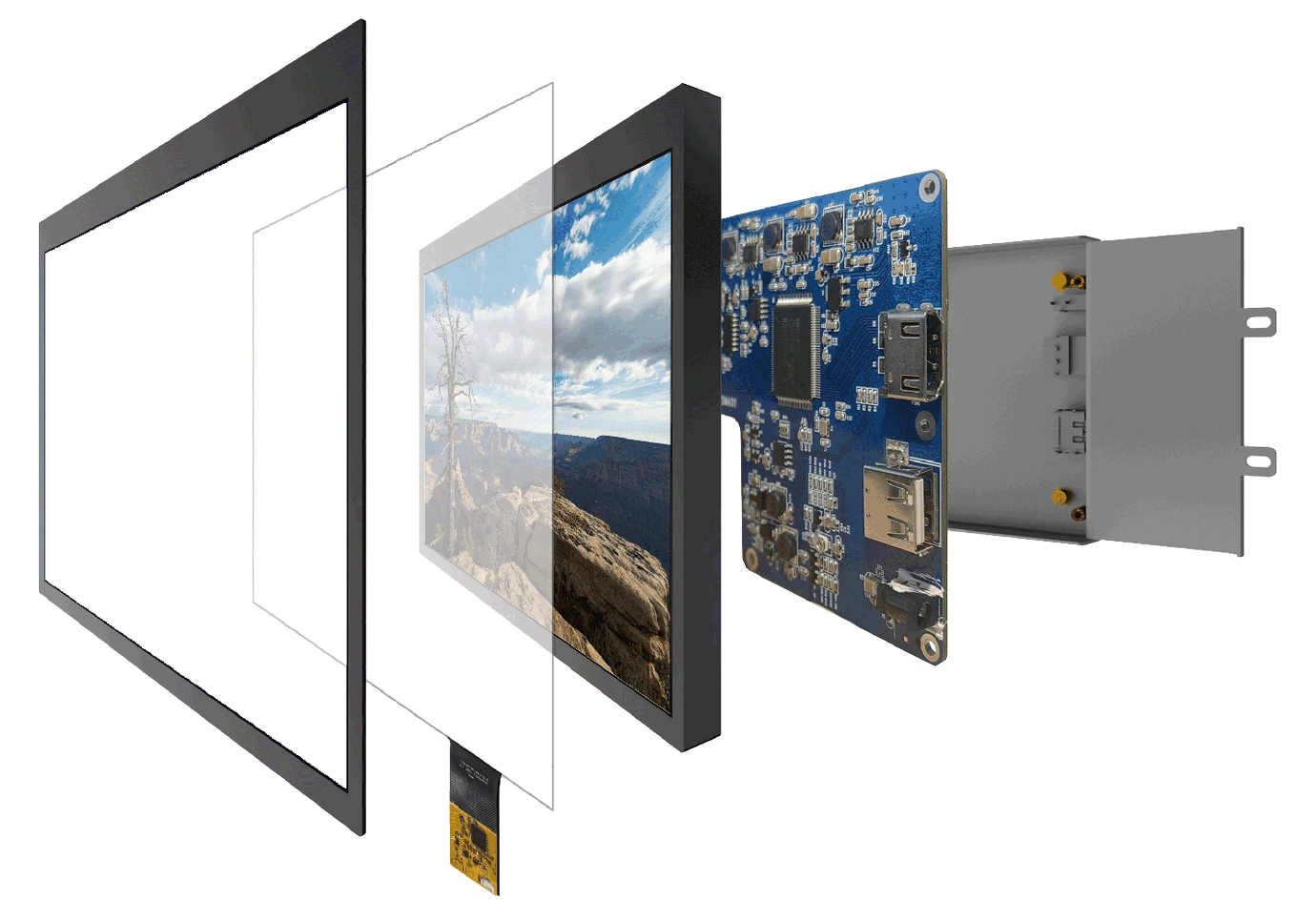
Additionally, anti-reflective coatings enhance visibility under bright conditions by reducing surface reflections that can obscure the displayed information. A matte finish or optically bonded glass solution can significantly reduce glare, allowing users to see the screen clearly even in bright sunlight.
Moreover, advanced technologies such as In-Cell Touch or projective capacitive touch interfaces can be integrated into these displays without sacrificing readability. These innovations help manufacturers create user-friendly interfaces that maintain performance in harsh environments.
2. Industry Applications and Success Stories
The demand for high-brightness LCD screens is dictated by various market trends and requirements. For instance, in the automotive industry, manufacturers are increasingly using sunlight-readable displays in dashboard instrumentation and infotainment systems. The success story of Tesla's Model S, which utilizes high-brightness touch screens, illustrates how clarity and responsiveness significantly influence user experience.
In outdoor digital signage, high-brightness displays play a critical role in marketing and communication strategies, offering vibrant images and clear text to capture consumer attention. Case studies from major companies like Samsung and LG have demonstrated how retailers utilizing high-brightness LCD displays experience increased foot traffic and, consequently, better sales figures.
3. Key Considerations for Manufacturers and Distributors
When sourcing high-brightness LCD screens, several factors must be considered. First and foremost is reliability; screens must withstand extreme temperatures, humidity, and potential physical impacts. Therefore, manufacturers should seek components that comply with industry standards such as the IP (Ingress Protection) rating, which ensures that the display can withstand environmental challenges.
Another essential aspect is energy efficiency. High-brightness displays can consume considerable power, necessitating the implementation of technology that optimizes energy use without compromising on performance. Thus, adopting LED technology coupled with intelligent power management systems is advisable.
4. Future Trends and Innovations
The future of sunlight-readable displays is promising, with ongoing research and development focused on enhancing performance and efficiency. Innovations like MicroLED and OLED technology are making strides towards offering improved brightness levels, contrast ratios, and energy efficiency while still catering to outdoor applications.
Another exciting avenue involves the integration of artificial intelligence and machine learning into display technology. These advancements could facilitate predictive maintenance and adaptive brightness control, further enhancing outdoor visibility and usability.
Conclusion
As an overseas equipment manufacturer or distributor, aligning your offerings with the latest technological advancements in high-brightness sunlight-readable LCD screens can significantly improve your market positioning and client satisfaction. By leveraging the benefits of these high-performance displays, companies can meet the increasing demands for visibility in diverse applications while also adhering to industry standards. With the right partnerships and insights into evolving technologies, you can successfully navigate this competitive landscape and drive growth within your business.