RisingStar
- Home
- About Us
- Products
- News
- Video
- Contact
- Send Inquiry
Search
- Home
- About Us
- Products
- News
- Video
- Contact
- Send Inquiry
RisingStar
High-brightness sunlight-readable LCD screens are engineered to deliver exceptional visibility under direct sunlight, making them indispensable in various outdoor and challenging lighting environments. These screens are characterized by their ability to maintain clarity, contrast, and color fidelity even when exposed to intense lighting conditions. In this detailed analysis, we will explore the technologies utilized, industry standards, and applications of high-brightness LCDs, particularly in the context of 2K and 4K resolution options.
The cornerstone of a high-brightness sunlight-readable LCD screen is the advanced backlight technology it employs. Traditional LCD screens utilize CCFL (Cold Cathode Fluorescent Lamp) backlighting; however, many modern high-brightness displays use LED (Light Emitting Diode) backlights. LED technology not only improves energy efficiency but also significantly increases brightness levels. Standard brightness for general LCD screens is typically around 200–300 nits, while high-brightness models reach levels of 1000 nits and above, which is crucial for readability in sunlight.
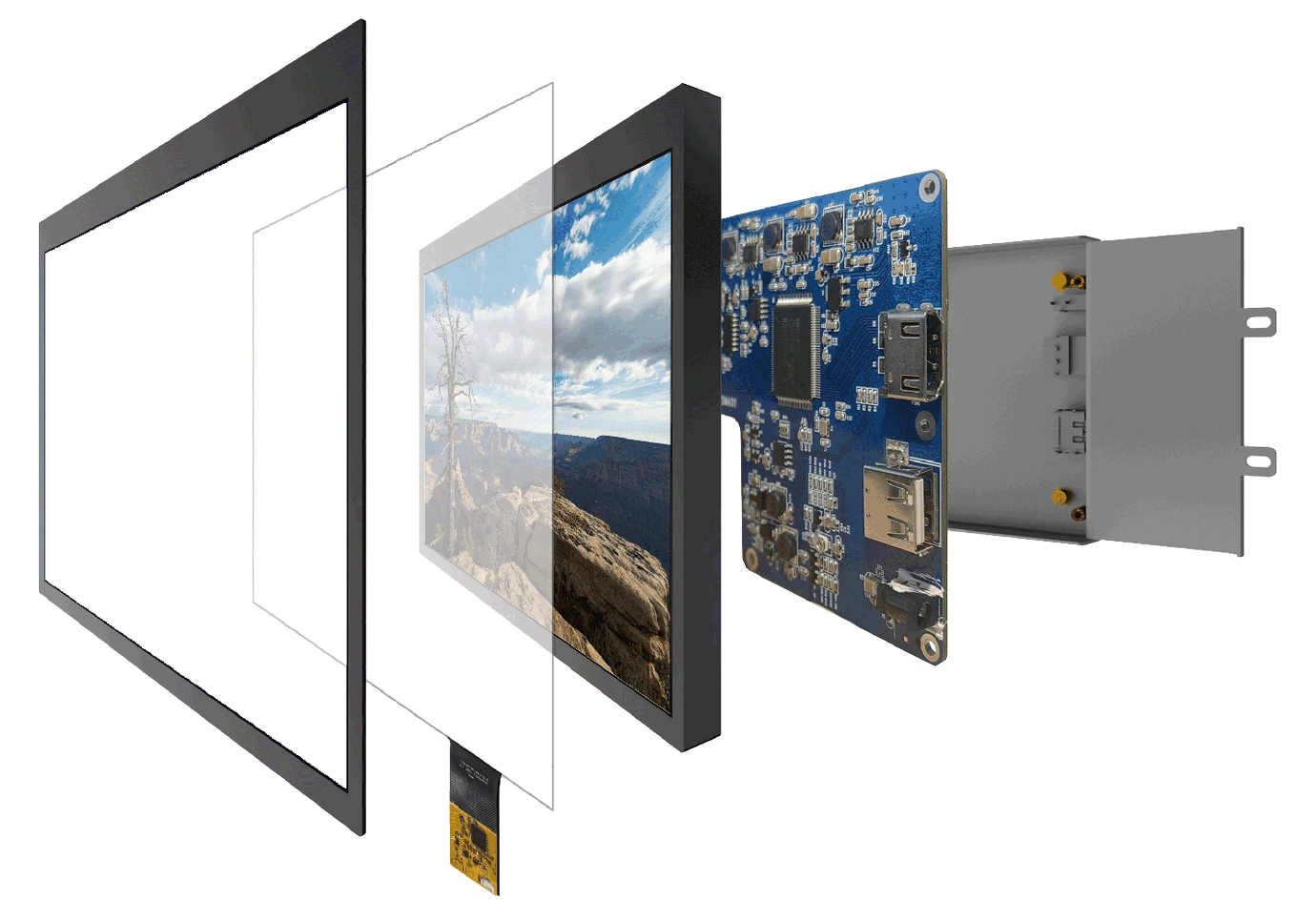
Another key component of these screens is the use of anti-reflective (AR) coatings, which minimize glare caused by ambient lighting. These coatings enhance the viewer's ability to see the content clearly, ensuring that users can interact with the screen without hinderance, whether they are using it for navigation, advertising, or monitoring purposes. In addition to AR coatings, optical bonding technology is often applied, which involves adhering the LCD panel directly to the cover glass. This reduces the air gap that typically causes reflections, further improving visibility.
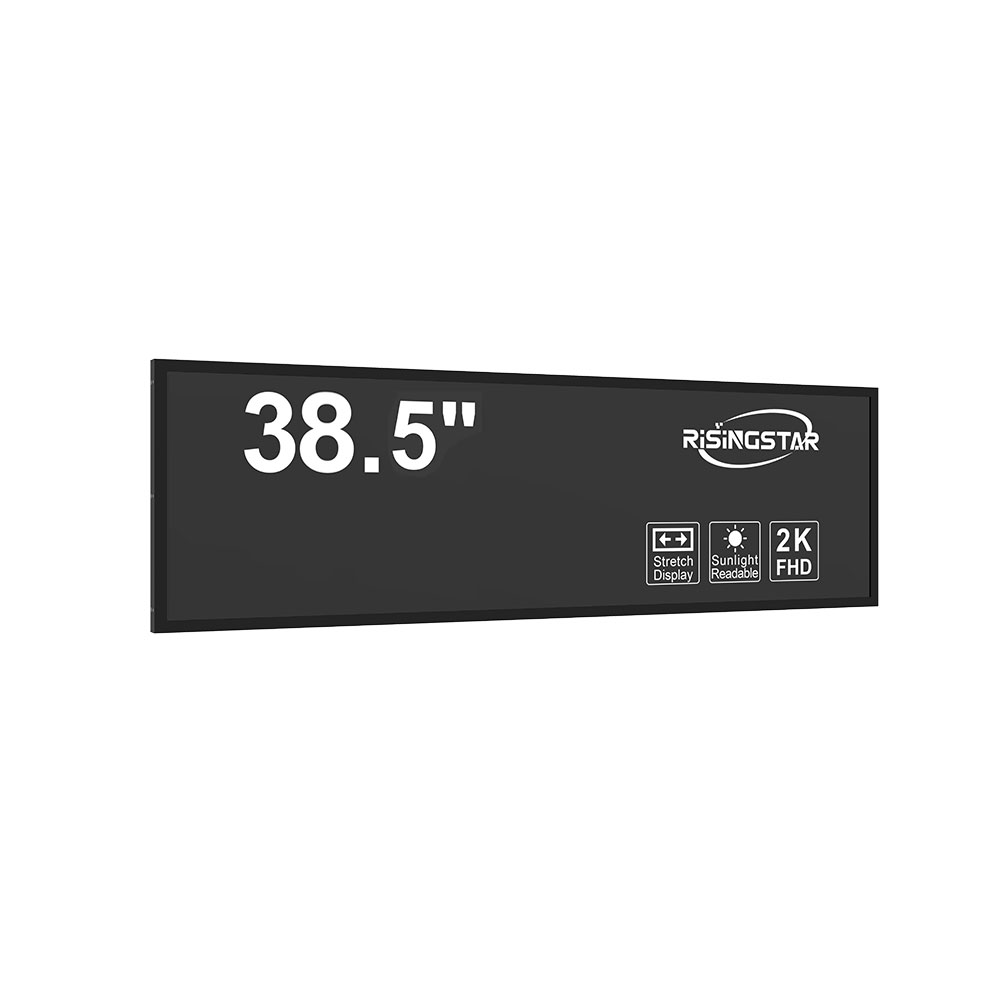
Industry standards and certifications, such as those established by the International Electrotechnical Commission (IEC), play a vital role in assessing the performance of high-brightness sunlight-readable displays. For example, IEC 62731 outlines the requirements for displays used in outdoor applications, addressing factors like temperature, humidity, and impact resistance. These standards ensure that manufacturers adhere to stringent quality measures, thereby offering reliability in demanding environments.
In terms of applications, high-brightness sunlight-readable screens are prevalent in a variety of sectors. Transportation is a major field where these displays excel, particularly in public transit systems, where LCD screens provide real-time information to passengers. Smart cities utilize these displays for digital signage and information kiosks, enhancing user experience by delivering important updates and advertisements. Additionally, industries such as construction and manufacturing rely on these screens for equipment displays, ensuring that vital data is visible to operators in challenging lighting scenarios.
Resolution is another critical dimension in the evolution of high-brightness displays. The choice between 2K and 4K resolution depends on the specific needs of the application. A 2K resolution (2560 x 1440 pixels) offers a substantial upgrade from traditional HD, providing sharper and clearer images suitable for many applications. However, 4K resolution (3840 x 2160 pixels), which delivers four times the pixels of 1080p, has become increasingly popular for its unparalleled detail and clarity. This is particularly beneficial in settings where visual precision is paramount, such as in graphic design, digital media, or high-end navigation systems.
A notable case study demonstrating the efficacy of high-brightness LCD technology can be seen in the development of outdoor digital signage in Times Square, New York City. Companies opted for 4K sunlight-readable screens to capture tourists' attention with vivid colors and sharp images. The use of advanced LED backlighting, AR coatings, and optical bonding ensured that even on the sunniest of days, the displays remained clear and compelling, leading to increased engagement and foot traffic.
In conclusion, the advancements in high-brightness sunlight-readable LCD technology, particularly in the realm of 2K and 4K resolutions, have transformed the landscape of outdoor displays. Through the incorporation of innovative backlighting, anti-reflective coatings, and adherence to international standards, manufacturers are producing screens that not only withstand the challenges of extreme lighting conditions but also offer enhanced visual experiences. As technology continues to evolve, one can expect further innovations in this domain, paving the way for smarter and more interactive outdoor displays.