RisingStar
- Home
- About Us
- Products
- News
- Video
- Contact
- Send Inquiry
Search
- Home
- About Us
- Products
- News
- Video
- Contact
- Send Inquiry
RisingStar
High-brightness sunlight-readable LCD screens are essential components in outdoor and high-environmental-challenge industrial applications, such as construction machinery, agricultural equipment, military vehicles, and transportation systems. For overseas equipment manufacturers and distributors, choosing the right display technology is not just about visibility—it’s a critical factor in operational safety, user experience, and long-term product reliability.
Modern sunlight-readable displays typically offer brightness levels of 5,000 to 10,000 nits or more, far exceeding standard indoor LCDs (300–500 nits). This high luminance ensures clear visibility even under direct sunlight at 100,000 lux or more—a common condition in tropical or desert regions where many of your global clients operate. The key technologies behind this performance include transflective liquid crystal displays (LCDs), advanced anti-glare coatings, and dynamic backlighting systems. Transflective panels combine both reflective and transmissive modes, allowing them to utilize ambient light efficiently during daylight while switching to full backlighting at night—an ideal solution for energy-conscious industrial devices.
For overseas OEMs and distributors, it's vital to consider environmental durability. According to MIL-STD-810G and IP65/IP67 standards, robustness against dust, water ingress, vibration, and temperature extremes (from -30°C to +70°C) must be verified before integration. Case studies from leading suppliers like Sharp, LG Display, and Novatek show that embedded heat dissipation solutions—such as thermal conductive films and passive cooling structures—are often necessary when designing compact devices with high-brightness screens.
Moreover, power efficiency matters. A 7-inch 10,000-nit transflective display can consume 2–4 watts per hour, significantly less than older LED-backlit alternatives. This efficiency reduces battery drain on mobile machines and lowers total cost of ownership for customers in remote locations.
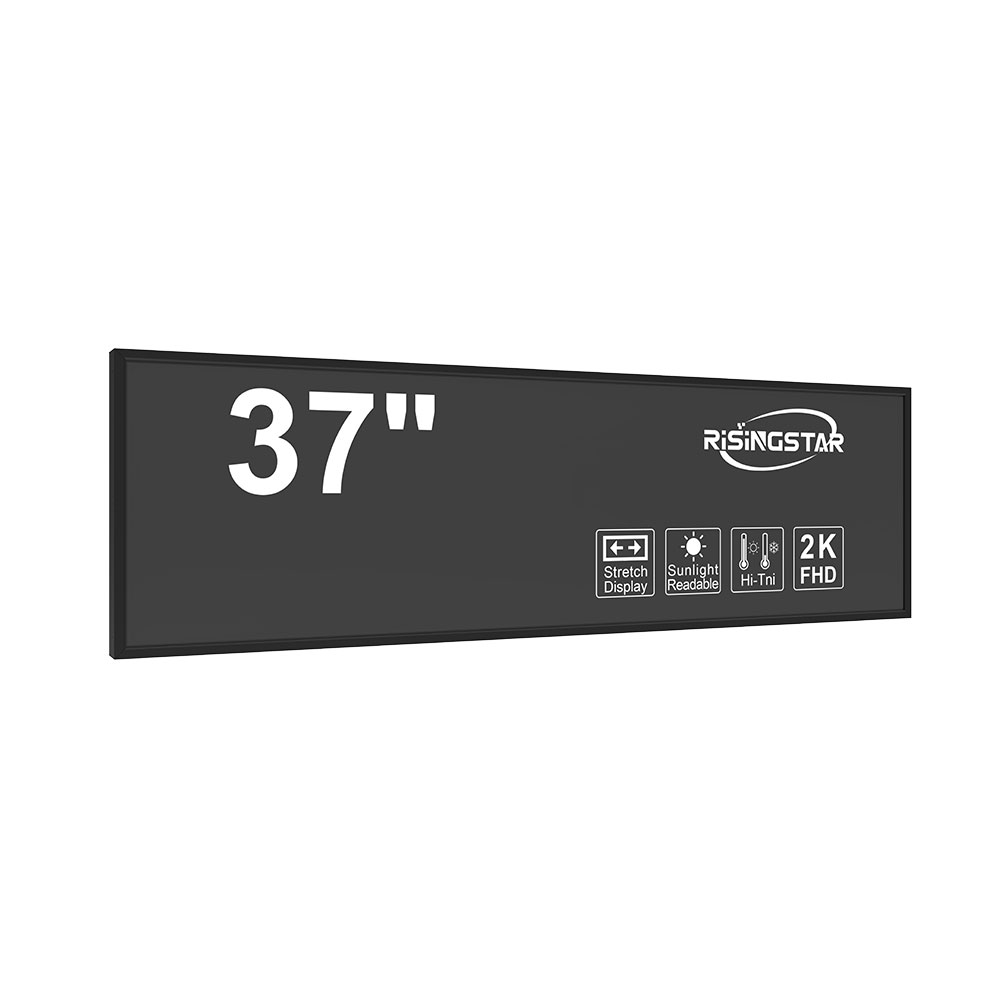
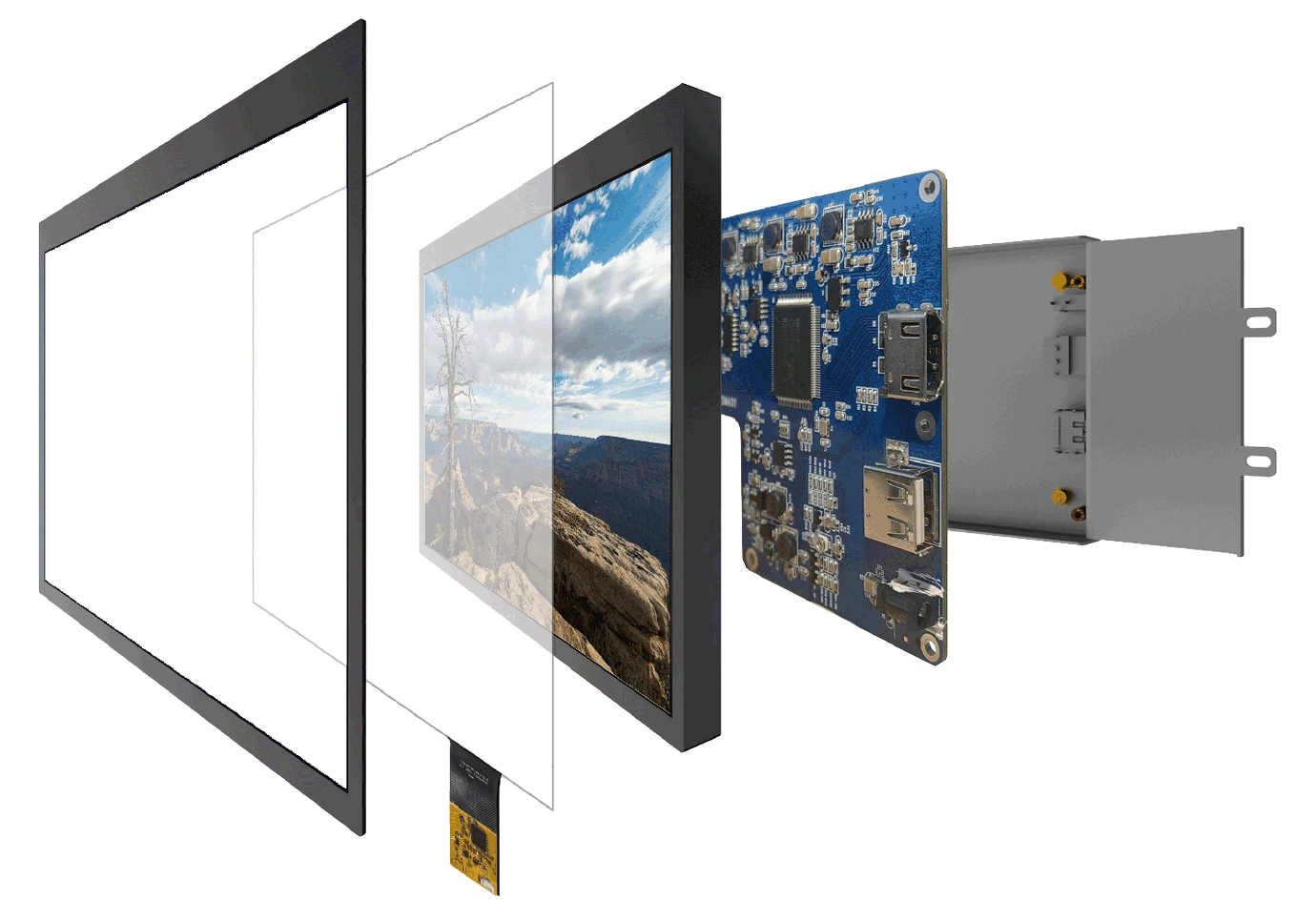
When implementing these displays, manufacturers should also evaluate software compatibility—especially with embedded Linux, Android Automotive, or RTOS platforms—and ensure support for touch interfaces (capacitive or resistive) suited to gloved operation. In regions like Southeast Asia, Africa, and South America, where operators frequently work in harsh conditions, glove-friendly touch sensors and high-contrast graphics improve usability and reduce errors.
Ultimately, selecting the correct sunlight-readable LCD isn’t just a hardware decision—it’s a strategic one that impacts field performance, brand reputation, and customer satisfaction across diverse global markets. Partnering with experienced display suppliers who provide comprehensive technical documentation, rapid prototyping services, and localized support is crucial for successful deployment.