RisingStar
- Home
- About Us
- Products
- News
- Video
- Contact
- Send Inquiry
Search
- Home
- About Us
- Products
- News
- Video
- Contact
- Send Inquiry
RisingStar
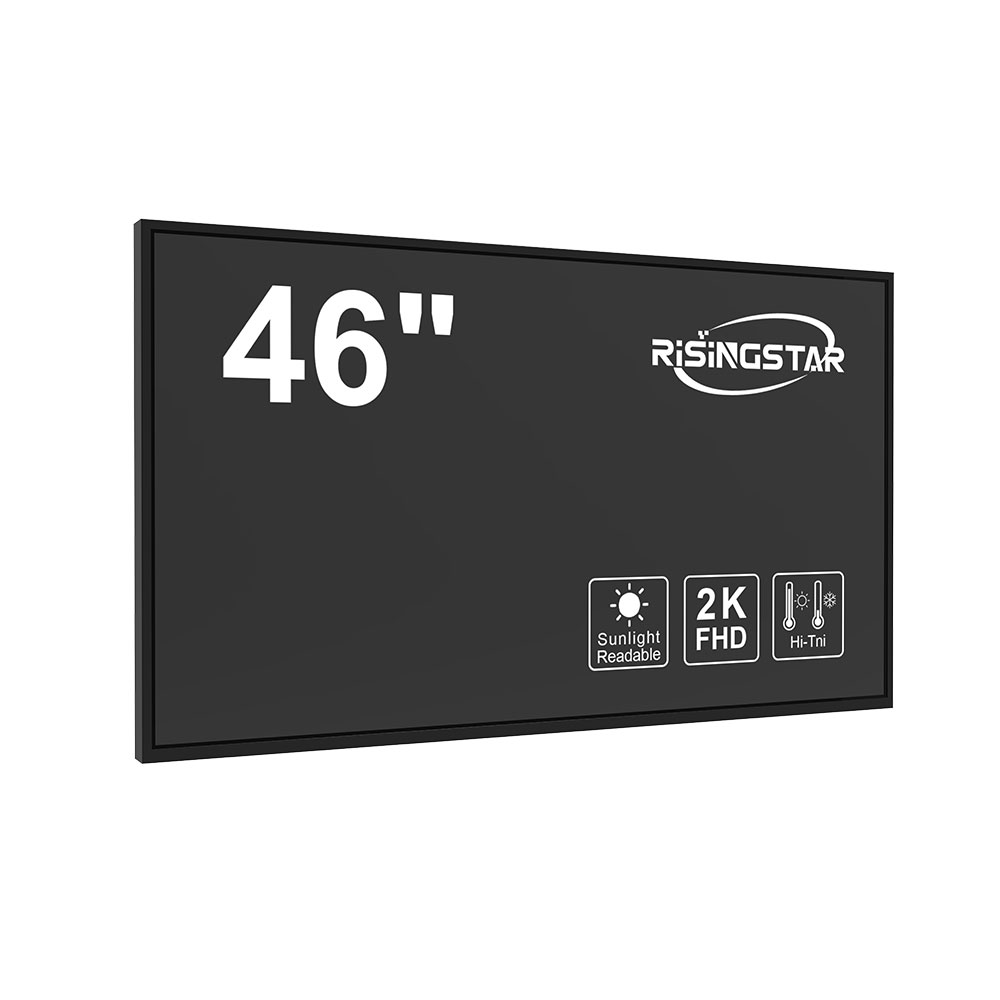
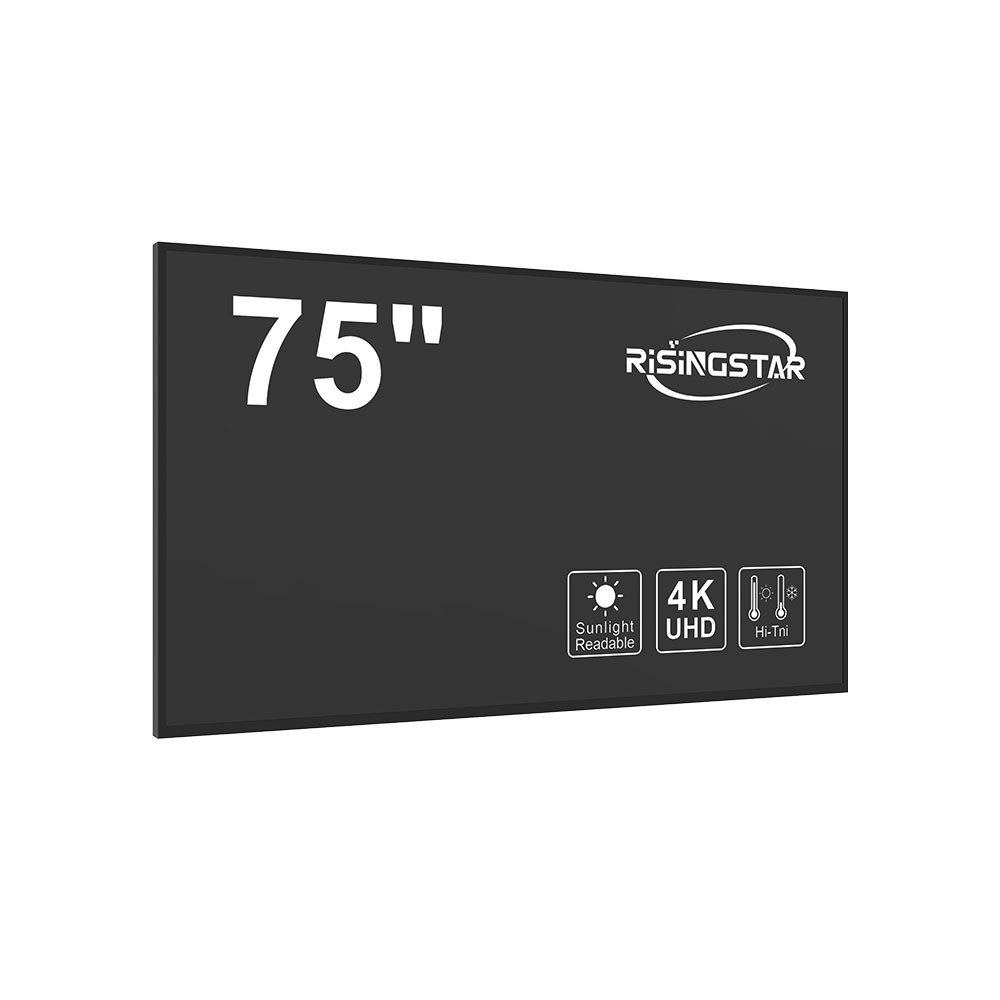
High-brightness sunlight-readable LCD displays have become essential components in outdoor and industrial environments where visibility under direct sunlight is critical. These displays are engineered to maintain readability even under extreme lighting conditions, such as full sun exposure at 100,000 lux or more—a level that would render standard LCDs unusable. Their importance spans across sectors including military, transportation, medical devices, agriculture, and smart city infrastructure.
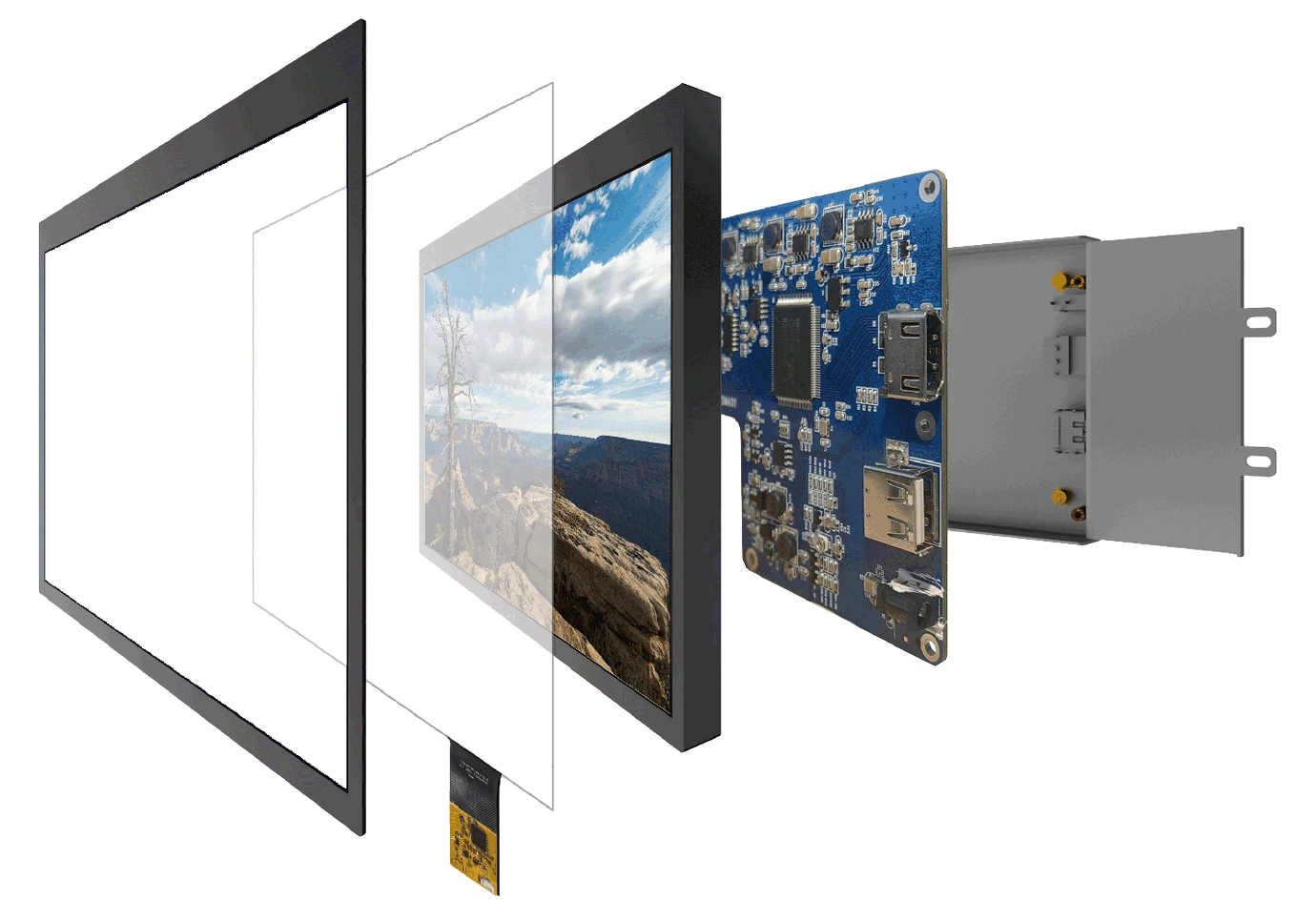
One of the primary advantages of sunlight-readable LCDs lies in their high peak brightness—typically ranging from 3,000 to 10,000 nits—compared to conventional displays that usually max out at 500–1,000 nits. This is achieved through advanced backlighting technologies like LED arrays with optical enhancement films (OEFs), diffusers, and reflective polarizers that boost luminance while minimizing power consumption. Additionally, anti-glare coatings, etched glass, and polarization techniques reduce ambient light reflection, ensuring clear contrast and legibility in bright environments.
Practical applications include navigation systems in military vehicles, real-time monitoring dashboards in construction equipment, and patient data interfaces in mobile medical carts used in field hospitals. In agriculture, solar-powered IoT devices equipped with these displays allow farmers to monitor soil moisture and weather data without relying on shaded indoor spaces. Urban planners also deploy them in kiosks and traffic signage for improved public communication during daylight hours.
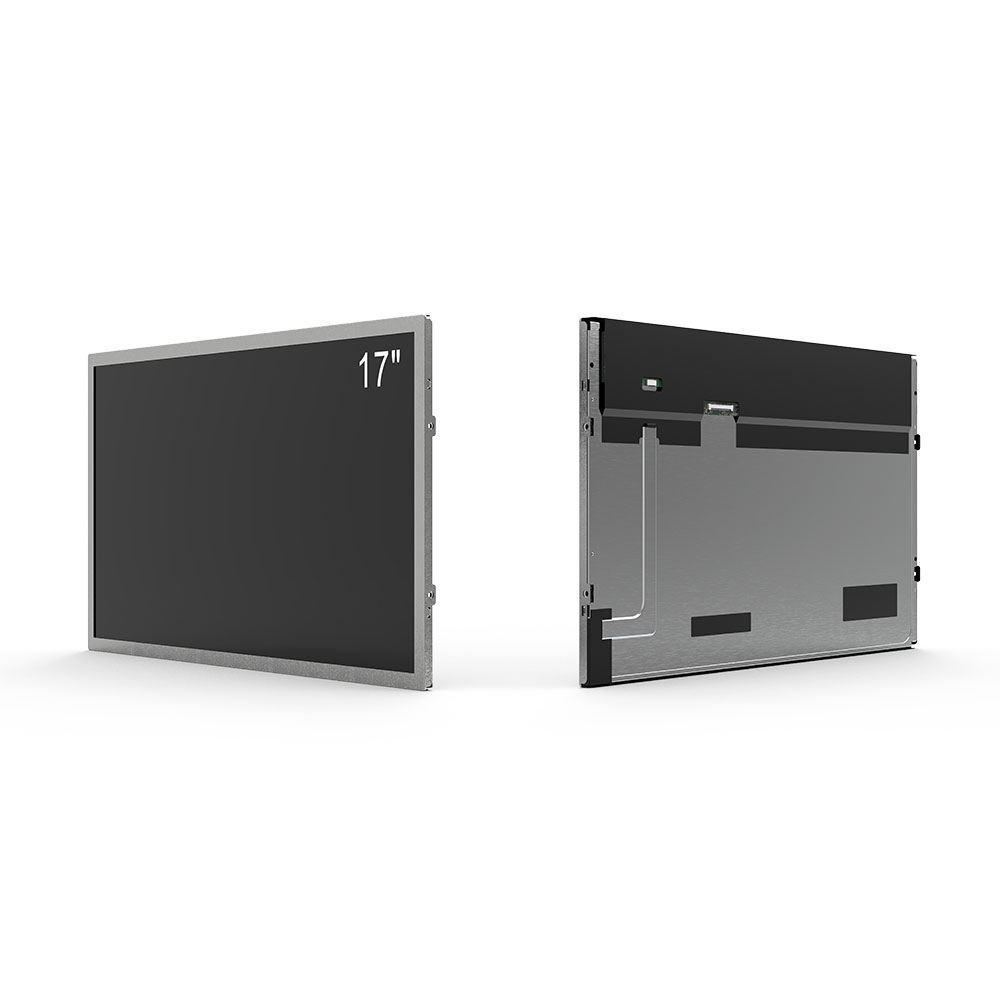
However, common challenges remain. High brightness often correlates with increased power draw and heat generation, which can affect reliability in harsh climates. Engineers must balance performance with thermal management—using materials like aluminum heat sinks and efficient cooling designs. Another issue is color accuracy under variable lighting; some early models suffered from hue shifts in low-light or indirect sunlight conditions. Modern solutions now incorporate automatic ambient light sensors (ALS) and adaptive white balance algorithms that dynamically adjust display parameters based on environmental conditions.
The latest trend in this domain is the integration of mini-LED and micro-LED backlights, offering superior local dimming control and energy efficiency compared to traditional CCFL or edge-lit LED systems. According to a 2023 report by Display Supply Chain Consultants (DSCC), mini-LED adoption in outdoor displays grew by over 40% year-on-year, driven by demand for ultra-high brightness and better contrast ratios. Moreover, manufacturers like LG Display, Sharp, and AU Optronics are investing heavily in research into flexible, ruggedized versions suitable for wearable and automotive use cases.
In summary, high-brightness sunlight-readable LCDs are no longer niche products—they are vital tools for modern industry and defense applications. As technology evolves, we expect further innovations in power efficiency, durability, and integration with AI-driven ambient optimization, making them indispensable in an increasingly connected and outdoor-focused world.