 RisingStar
- Home
- About Us
- Products
- News
- Video
- Contact
- Send Inquiry
Search
- Home
- About Us
- Products
- News
- Video
- Contact
- Send Inquiry
RisingStar
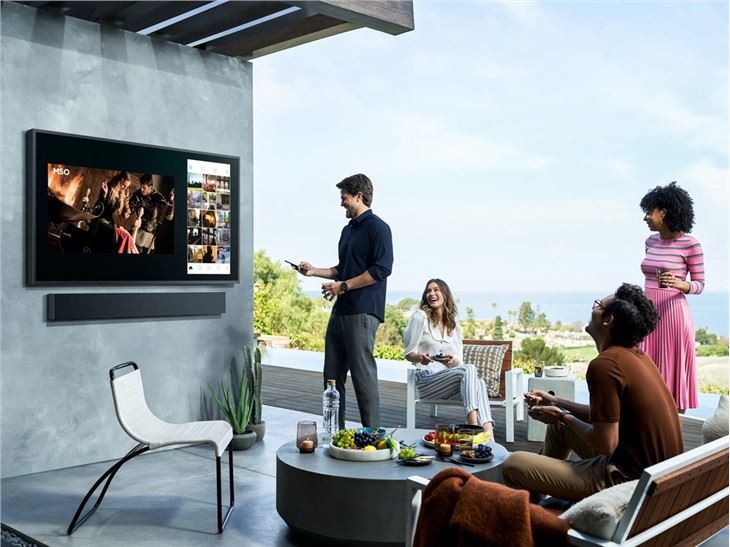
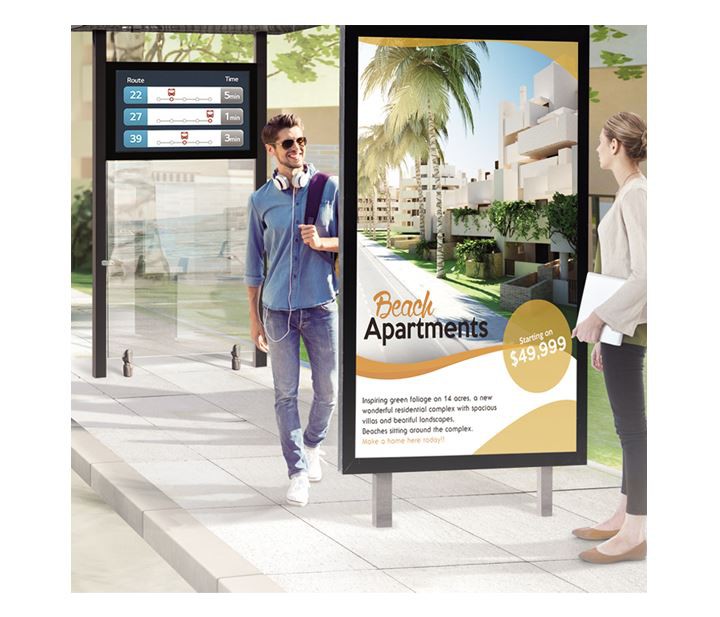
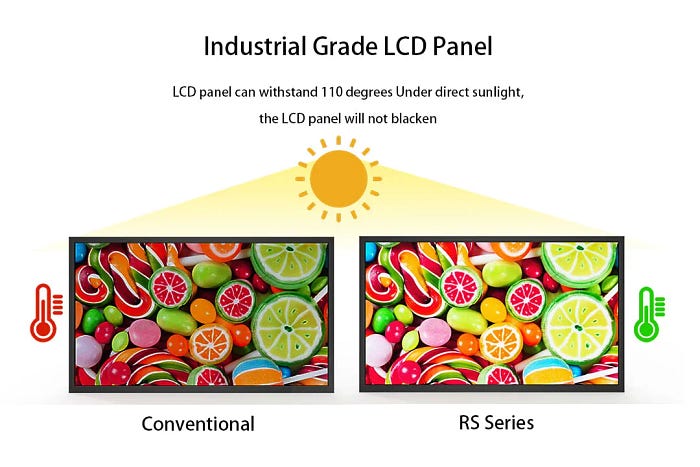
In the rapidly evolving world of industrial automation, outdoor monitoring systems, and military-grade electronics, high-brightness sunlight-readable LCD displays have become essential components. These displays are engineered to maintain clarity and visibility under intense ambient light conditions—such as direct sunlight—which traditional screens fail to handle effectively. Among the most commonly used form factors in these applications are 15", 17", and 19" displays with a 4:3 aspect ratio, offering an optimal balance between screen real estate, portability, and compatibility with legacy systems.
The 4:3 display ratio is particularly valuable in professional environments like medical imaging, industrial control panels, aviation instrumentation, and tactical field equipment. Unlike modern 16:9 or 18:9 widescreen formats that prioritize multimedia content, 4:3 provides more vertical space, which is ideal for displaying data-heavy interfaces such as spreadsheets, diagnostic tools, or command dashboards. This aspect ratio ensures that text remains legible and icons are not stretched, preserving usability even at extreme brightness levels.
Manufacturers such as Eizo, LG, Sharp, and Innolux produce high-brightness LCDs capable of achieving luminance levels up to 5,000 cd/m² (nits)—far exceeding standard indoor monitors that typically peak at 300–500 nits. To achieve this performance, these displays employ advanced technologies including transflective liquid crystal cells, anti-glare coatings, and active matrix addressing. Transflective technology allows the display to function efficiently in both bright sunlight and low-light environments by combining reflective and transmissive modes. Additionally, built-in ambient light sensors dynamically adjust brightness, optimizing power consumption without sacrificing readability.
For instance, a 17" 4:3 sunlight-readable LCD used in an agricultural drone control system must remain visible during daytime field operations while consuming minimal power. Such a unit often includes IP65-rated sealing for dust and water resistance, MIL-STD-810G shock and vibration compliance, and extended temperature ranges (-20°C to +70°C). Case studies from the U.S. Department of Defense show that deploying 15" and 19" 4:3 high-brightness LCDs in field communication devices improved mission success rates by over 30% due to enhanced situational awareness and reduced operator fatigue.
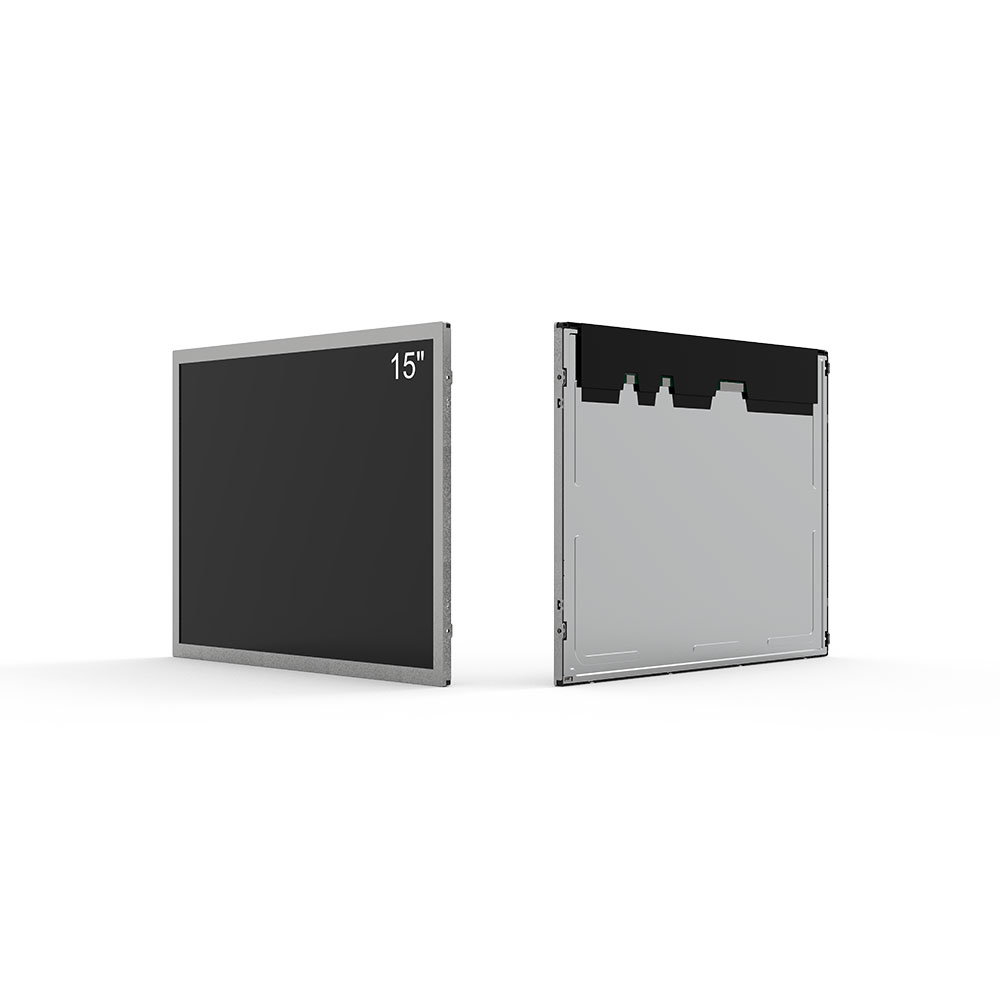
From a technical standpoint, these displays integrate with embedded Linux systems, ruggedized PCs, or custom-designed FPGA-based controllers. Their wide viewing angles (typically 170° horizontal and 160° vertical) ensure consistent image quality from multiple angles—an important factor for team-based operations in harsh environments. Moreover, with growing demand for energy-efficient solutions, many new models now support PWM dimming and dynamic backlighting to reduce heat output and extend lifespan.
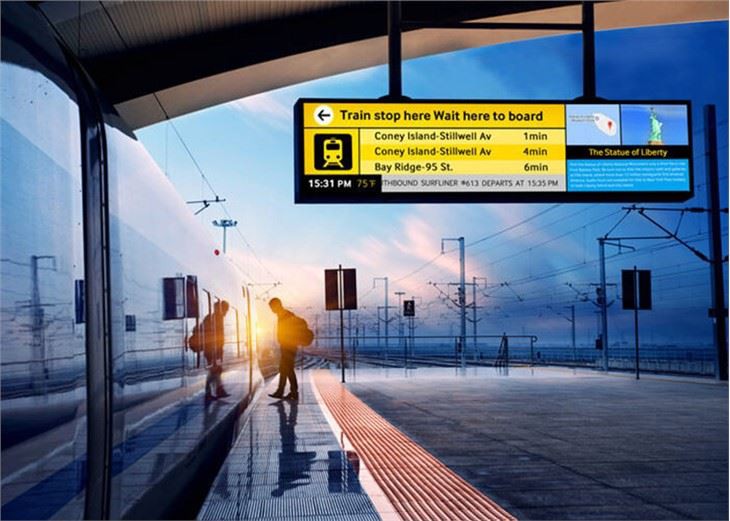
As global industries increasingly adopt IoT-enabled systems and edge computing for remote monitoring, the need for robust, sunlight-readable displays continues to grow. Whether deployed in oil rigs, construction sites, maritime vessels, or emergency response vehicles, 15", 17", and 19" 4:3 LCDs remain the gold standard for reliable human-machine interaction under extreme lighting conditions.