 RisingStar
- Home
- About Us
- Products
- News
- Video
- Contact
- Send Inquiry
Search
- Home
- About Us
- Products
- News
- Video
- Contact
- Send Inquiry
RisingStar
Creative work has become the cornerstone of innovation across industries—from digital product design to advanced manufacturing, from entertainment media to sustainable engineering. In today’s fast-paced global economy, organizations that prioritize creative thinking not only differentiate themselves but also drive measurable business outcomes. According to a 2023 McKinsey report, companies that embed creativity into their core strategy outperform peers by up to 30% in revenue growth and employee engagement.
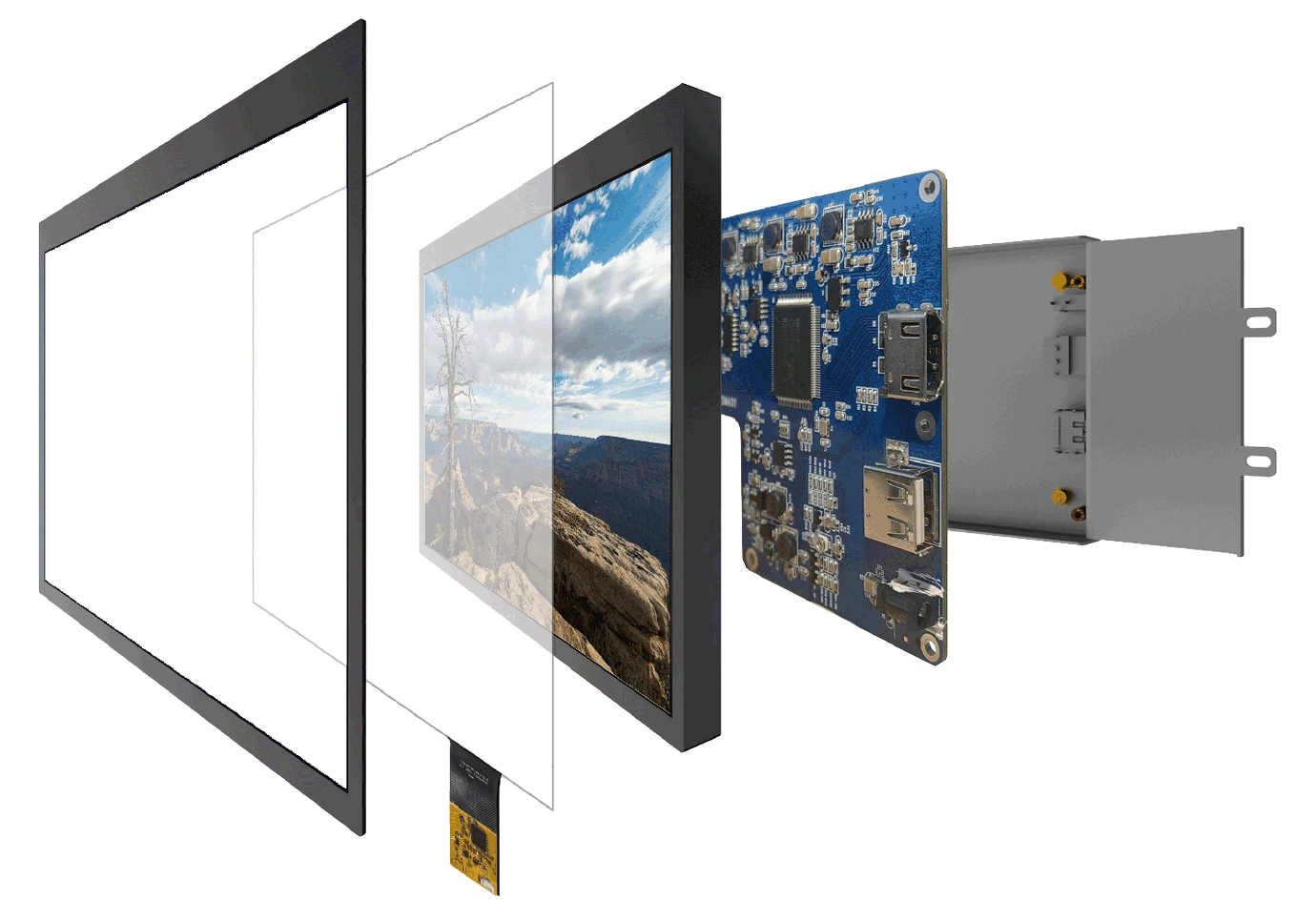
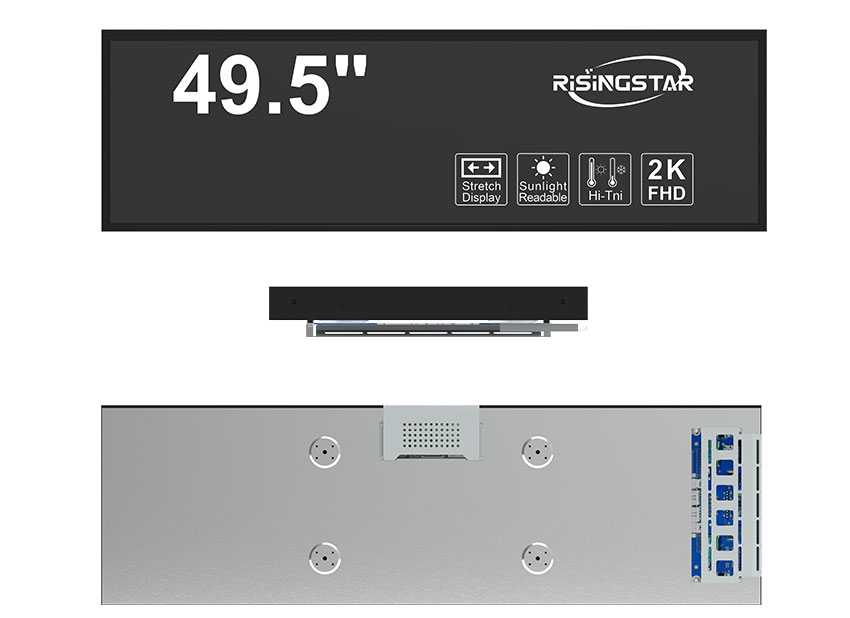
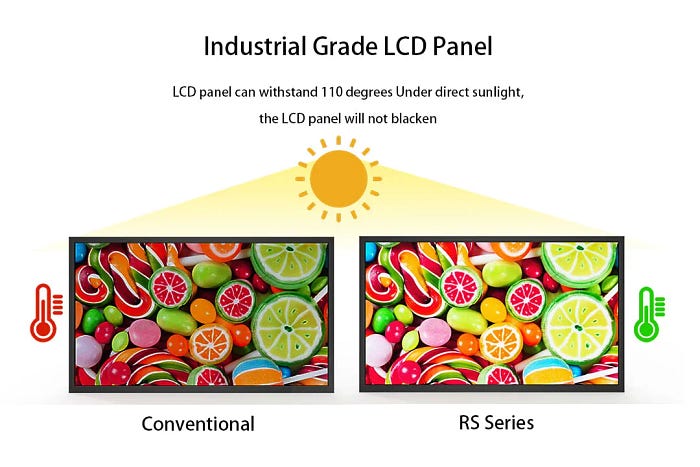
At the heart of modern creative work lies the convergence of human ingenuity and technological advancement. Whether it's designing intuitive user interfaces for mobile applications or developing high-brightness sunlight-readable LCD screens for outdoor industrial use, creativity is no longer confined to art studios—it’s embedded in hardware, software, and system-level problem solving. For example, in the field of display technology, engineers must balance luminance (often exceeding 5,000 nits), contrast ratio, power efficiency, and environmental resilience—challenges that demand both technical mastery and imaginative solutions. This kind of work requires a deep understanding of materials science, optics, and user behavior, all while pushing the boundaries of what’s physically possible.
One notable case study involves the development of military-grade displays used in UAVs (Unmanned Aerial Vehicles). These devices must remain legible under direct sunlight at altitudes exceeding 10,000 feet, where ambient light intensity can exceed 100,000 lux. Engineers at companies like Sharp Corporation and LG Display have leveraged advanced pixel architecture, anti-reflective coatings, and dynamic brightness control algorithms to achieve reliable performance. This level of innovation is not just about hardware—it’s about creating a new standard for visual clarity in extreme conditions, which directly impacts mission success.
Moreover, creative work in technology thrives in interdisciplinary teams. As highlighted in the IEEE Transactions on Human-Machine Systems (2022), cross-functional collaboration between designers, software developers, mechanical engineers, and UX researchers leads to faster prototyping cycles and more user-centric products. For instance, when Apple introduced its Retina display, the team combined aesthetic principles with rigorous optical modeling—a process rooted in both creative vision and scientific validation.
The future of creative work will be increasingly shaped by artificial intelligence and machine learning. Tools like Adobe Firefly and Midjourney are democratizing design capabilities, enabling non-designers to generate complex visuals. However, true innovation still requires human judgment—not just to produce outputs, but to define purpose, context, and ethical boundaries. As noted in Harvard Business Review’s 2024 article “Why AI Can’t Replace Creativity,” machines excel at pattern recognition, but humans excel at meaning-making and emotional resonance.
In conclusion, creative work today is not a luxury—it’s a necessity for competitive advantage, societal impact, and long-term sustainability. Whether you're an engineer optimizing a sunlight-readable LCD panel or a marketer crafting a viral campaign, the ability to think creatively is the single most valuable skill in the 21st century. Organizations that invest in nurturing creative environments—through training, tools, and inclusive culture—are those that will lead the next wave of transformation.