RisingStar
- Home
- About Us
- Products
- News
- Video
- Contact
- Send Inquiry
Search
- Home
- About Us
- Products
- News
- Video
- Contact
- Send Inquiry
RisingStar
High-brightness sunlight-readable LCD displays with a 16:9 aspect ratio have become indispensable in industrial, military, transportation, and outdoor digital signage applications. These screens are engineered to maintain visibility under direct sunlight, often exceeding 5,000 nits of brightness—far beyond standard indoor displays that typically max out at 300–500 nits. The 16:9 format aligns with modern video standards (like HD and Full HD) and is widely adopted across industries for its compatibility with multimedia content, including dashboards, control panels, kiosks, and public information systems.
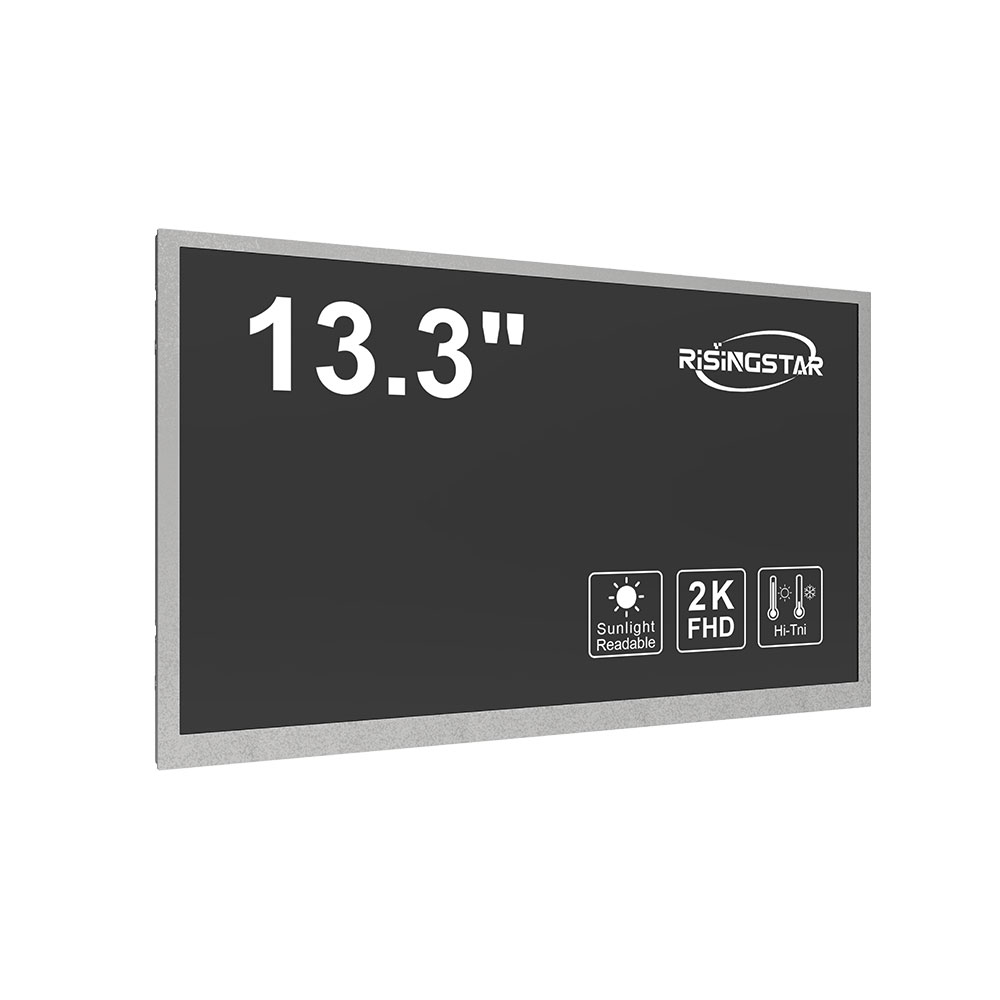
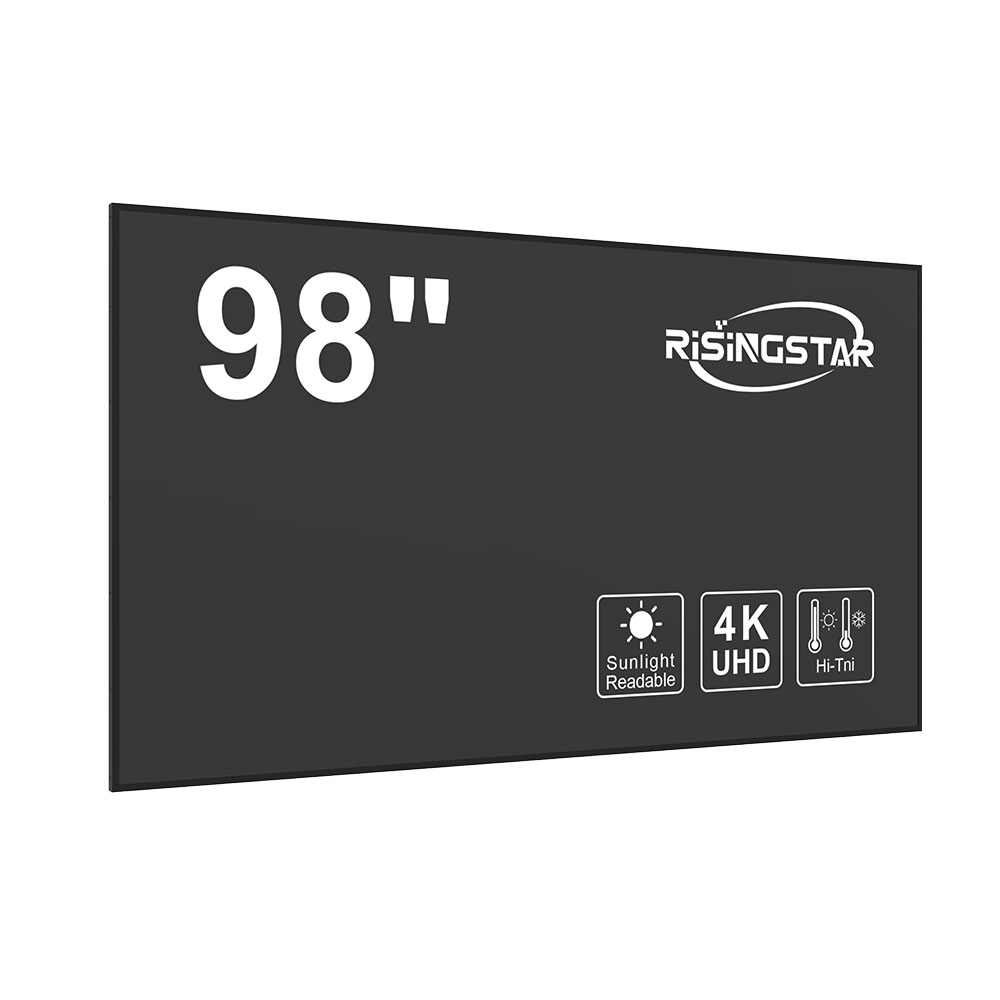
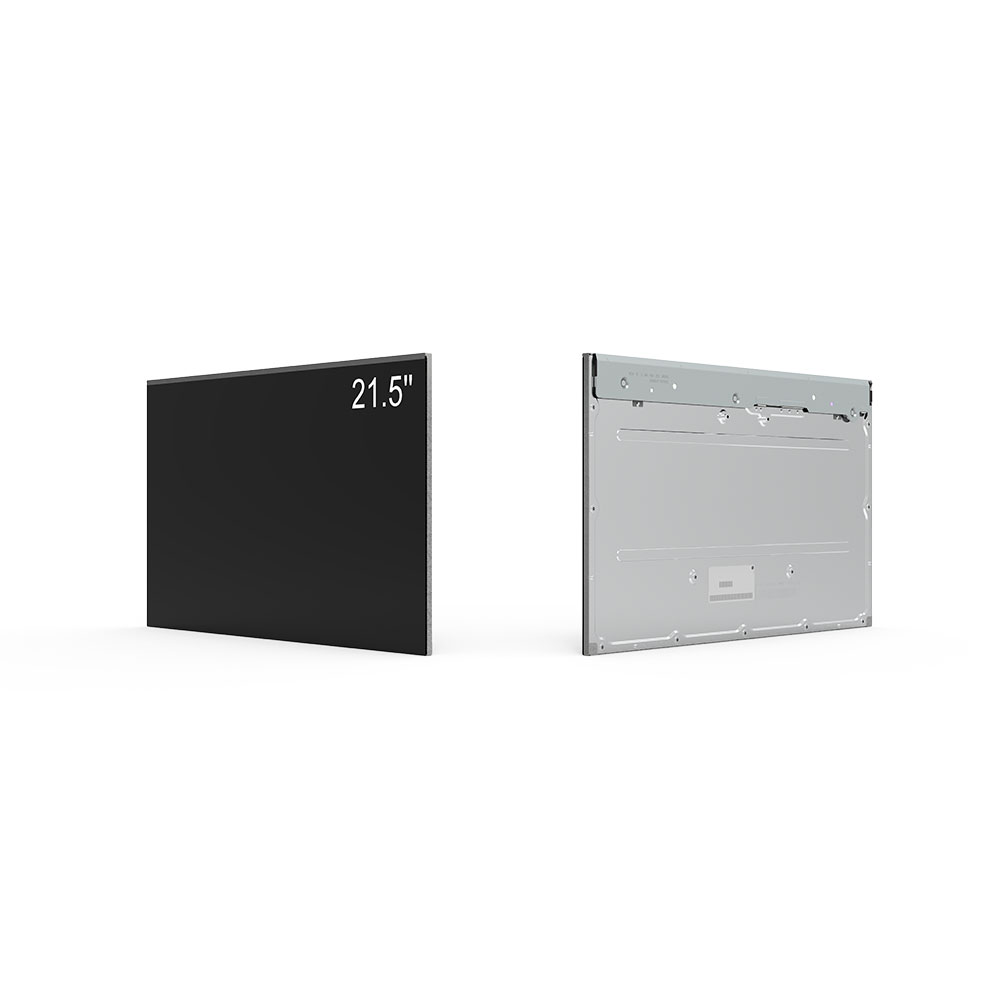
Available in screen sizes ranging from 10.1 inches to 110 inches—including popular dimensions such as 13.3", 15.6", 18.5", 21.5", 23.8", 27", 32", 43", 46", 49", 55", 65", 75", 86", and 98"—these displays are designed for both fixed installations and mobile use. Each size offers tailored solutions: compact 10.1" units for handheld field devices or vehicle-mounted systems; mid-range 23.8"–32" panels for control rooms and command centers; and large 55"–110" models for outdoor advertising and public transit displays.
Key technical features include anti-glare coatings, wide temperature operation (-20°C to +70°C), IP65 ingress protection for dust and water resistance, and LED-backlit panels optimized for energy efficiency without sacrificing luminance. Many models integrate touch functionality (resistive or capacitive) and support ruggedized housings for harsh environments. Case studies from defense contractors (e.g., BAE Systems) and commercial vendors like LG Display and Samsung Electronics show that these displays enable mission-critical operations in environments where glare, extreme temperatures, or low ambient lighting would otherwise compromise readability.
Manufacturers leverage advanced optical bonding techniques—where the cover glass is laminated directly to the display panel—to reduce reflections and improve contrast ratios up to 10,000:1. This technology, combined with high peak brightness and optimized color accuracy (often using IPS or VA panel types), ensures consistent performance in diverse lighting conditions—from bright desert sun to overcast urban settings. For global deployments, compliance with MIL-STD-810G for shock and vibration resistance, as well as EN 55032 and FCC Part 15 for electromagnetic compatibility, is essential.
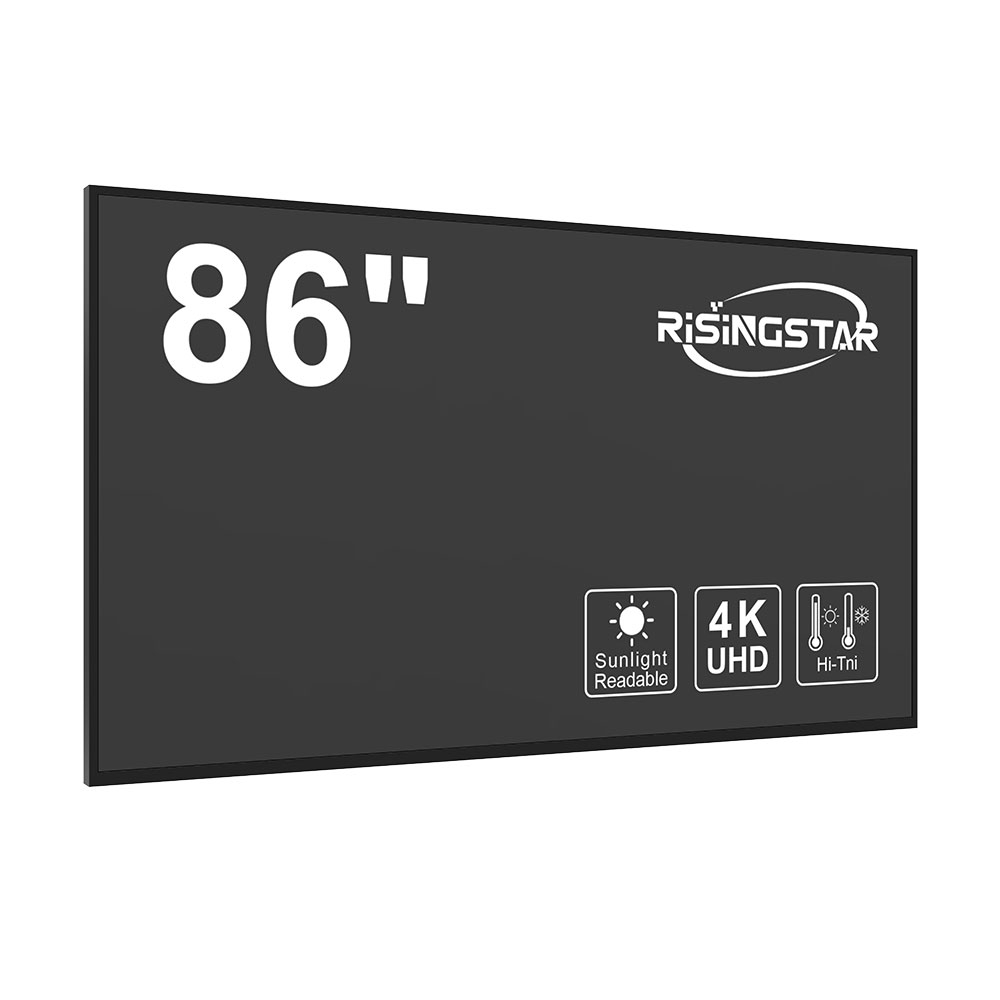
In summary, 16:9 sunlight-readable LCDs provide a scalable, reliable solution for applications demanding uninterrupted visibility under challenging environmental conditions. Whether deploying a single unit on a military vehicle or installing multiple large-format screens in a solar-powered traffic management system, choosing the right size and specification ensures operational success.