RisingStar
- Home
- About Us
- Products
- News
- Video
- Contact
- Send Inquiry
Search
- Home
- About Us
- Products
- News
- Video
- Contact
- Send Inquiry
RisingStar
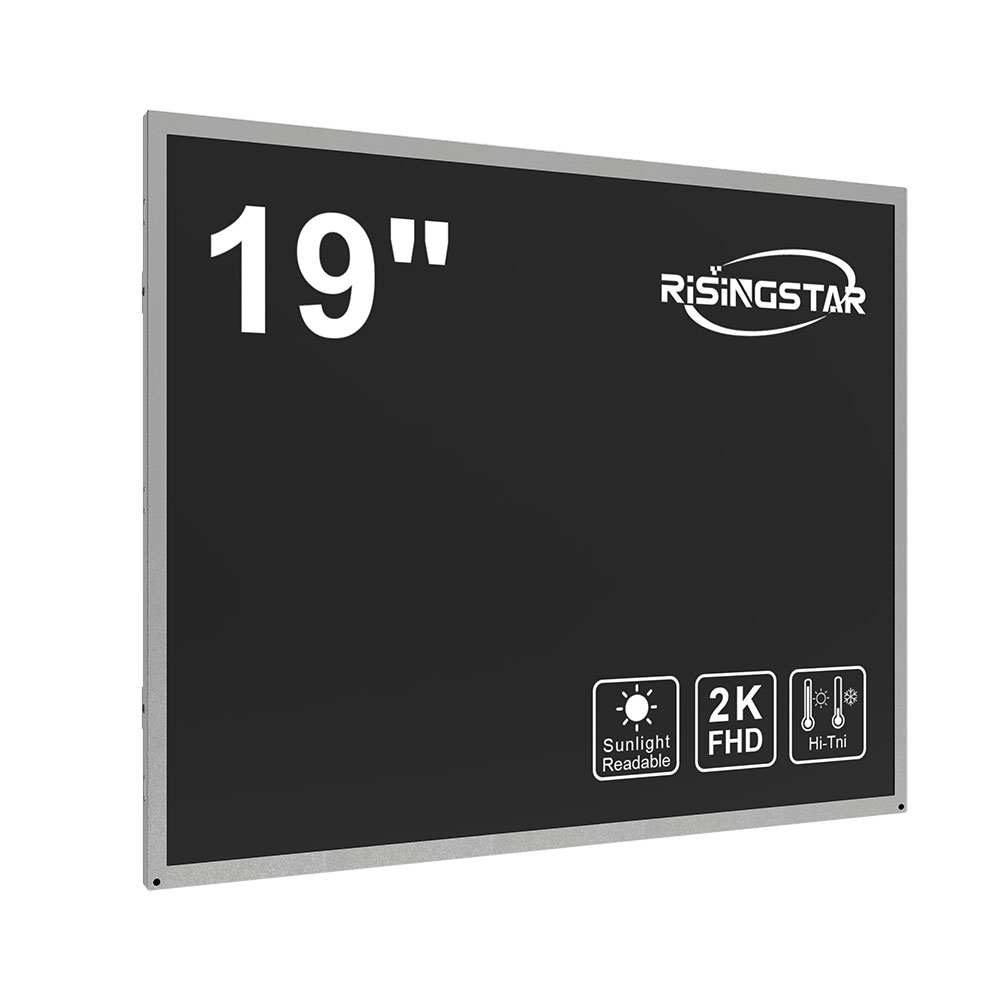
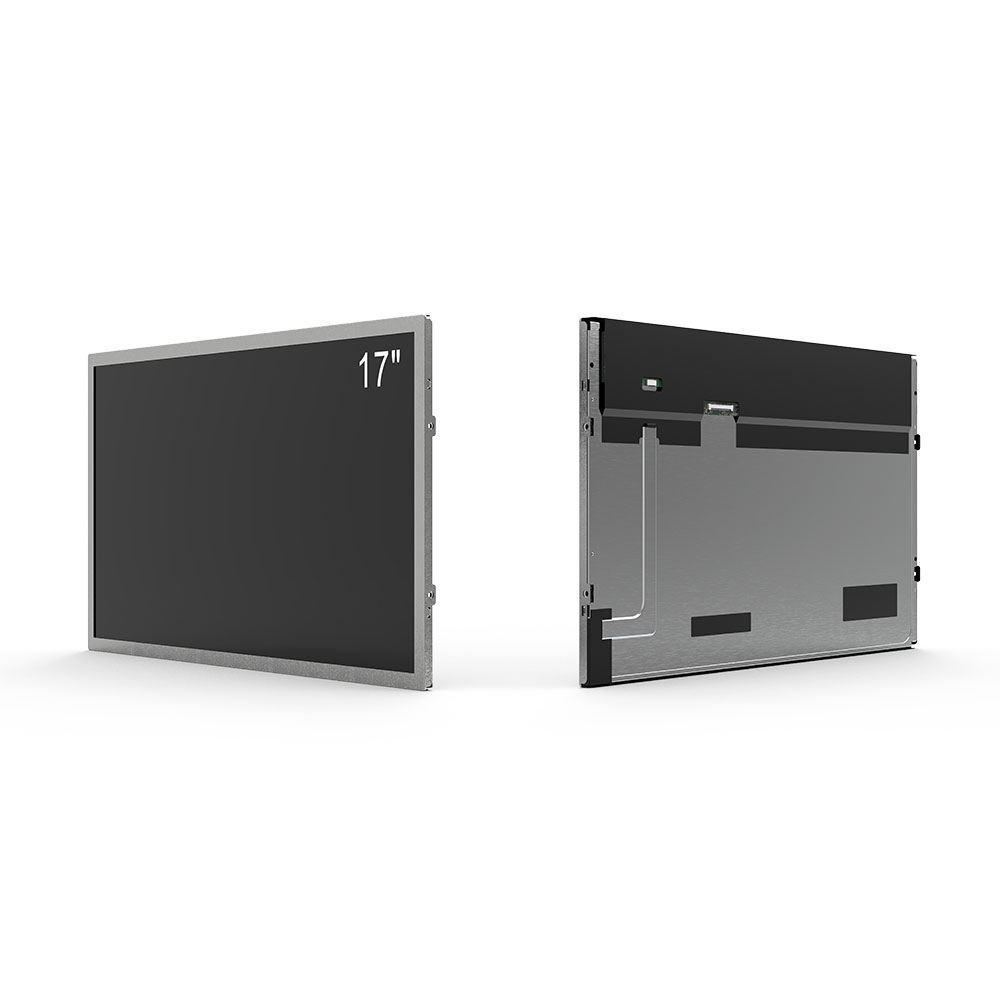
Sunlight-readable LCD displays have become indispensable in environments where standard LCDs fail due to ambient light interference. These specialized screens are engineered for high brightness (typically exceeding 5,000 nits), anti-glare coatings, and advanced optical bonding techniques that eliminate air gaps between the display panel and protective cover glass—thus minimizing reflections and improving visibility under direct sunlight. Their use spans military vehicles, industrial control systems, outdoor kiosks, and transportation infrastructure such as train control panels and airport information systems.
A key advantage of these displays lies in their ability to maintain readability in extreme lighting conditions without increasing power consumption significantly. For instance, the U.S. Department of Defense has mandated sunlight-readable displays in armored vehicles like the M1 Abrams tank since the early 2000s to ensure operational clarity during daylight combat scenarios. Similarly, in logistics and construction, ruggedized LCDs with IP65 or higher ingress protection ratings are used in forklifts, cranes, and automated guided vehicles (AGVs) to provide real-time data access in dusty or sunny environments.
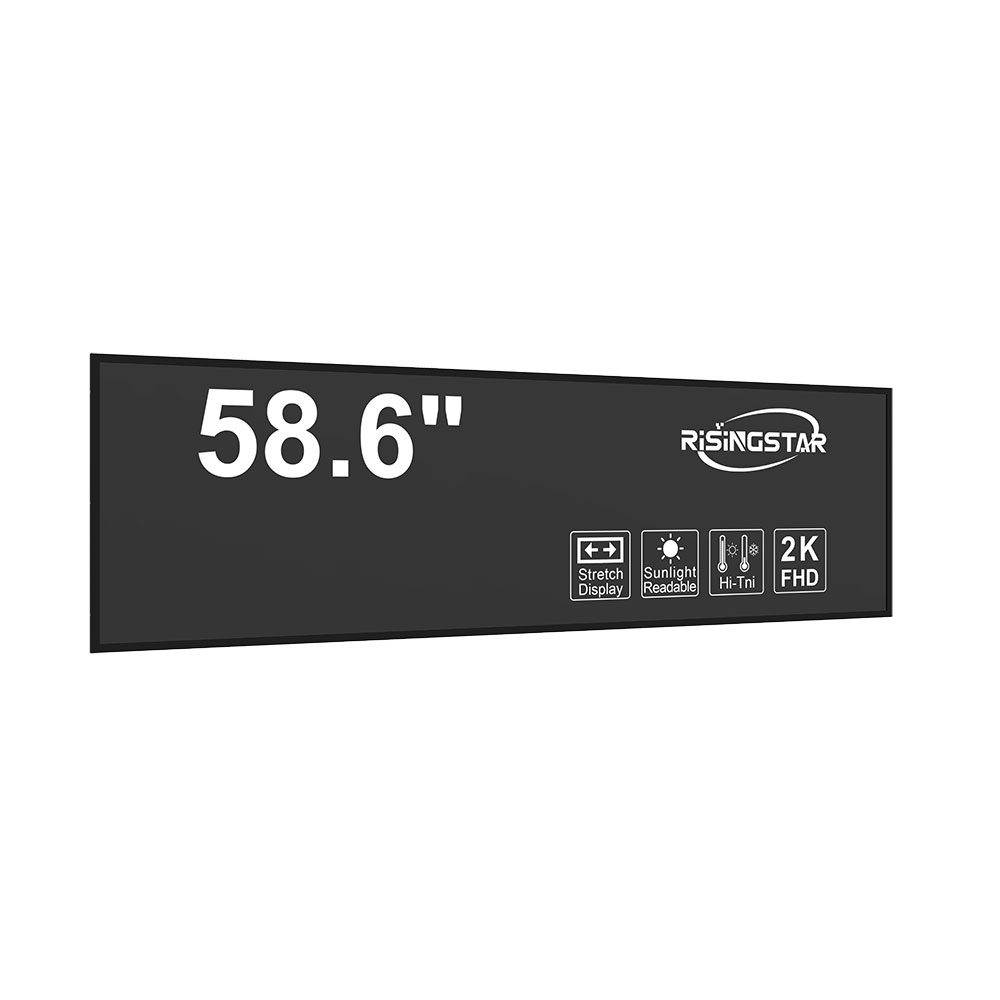
However, challenges remain. Common issues include thermal stress at high operating temperatures (>60°C), which can cause premature aging of backlight LEDs and reduced contrast ratios. Additionally, achieving consistent color accuracy across wide viewing angles while maintaining high brightness is technically demanding. Manufacturers often use LED-backlit IPS (In-Plane Switching) panels combined with transflective technology—where both reflective and transmissive modes coexist—to address this. A case study from a leading Japanese OEM (e.g., Sharp or Hitachi) revealed a 30% improvement in low-light performance when using dual-layer polarizers and dynamic dimming algorithms.
The latest trends in the industry involve integrating AI-driven ambient light sensors for adaptive brightness control, reducing energy usage by up to 40% in battery-powered devices like drones and handheld field computers. Another emerging development is the adoption of micro-LED backlighting, which promises even higher peak brightness (>10,000 nits) and better longevity compared to traditional CCFL or LED sources. According to a 2023 report by MarketsandMarkets, the global market for sunlight-readable displays is projected to grow at a CAGR of 8.7%, reaching $4.2 billion by 2028, driven by demand from defense, automotive, and smart city sectors.
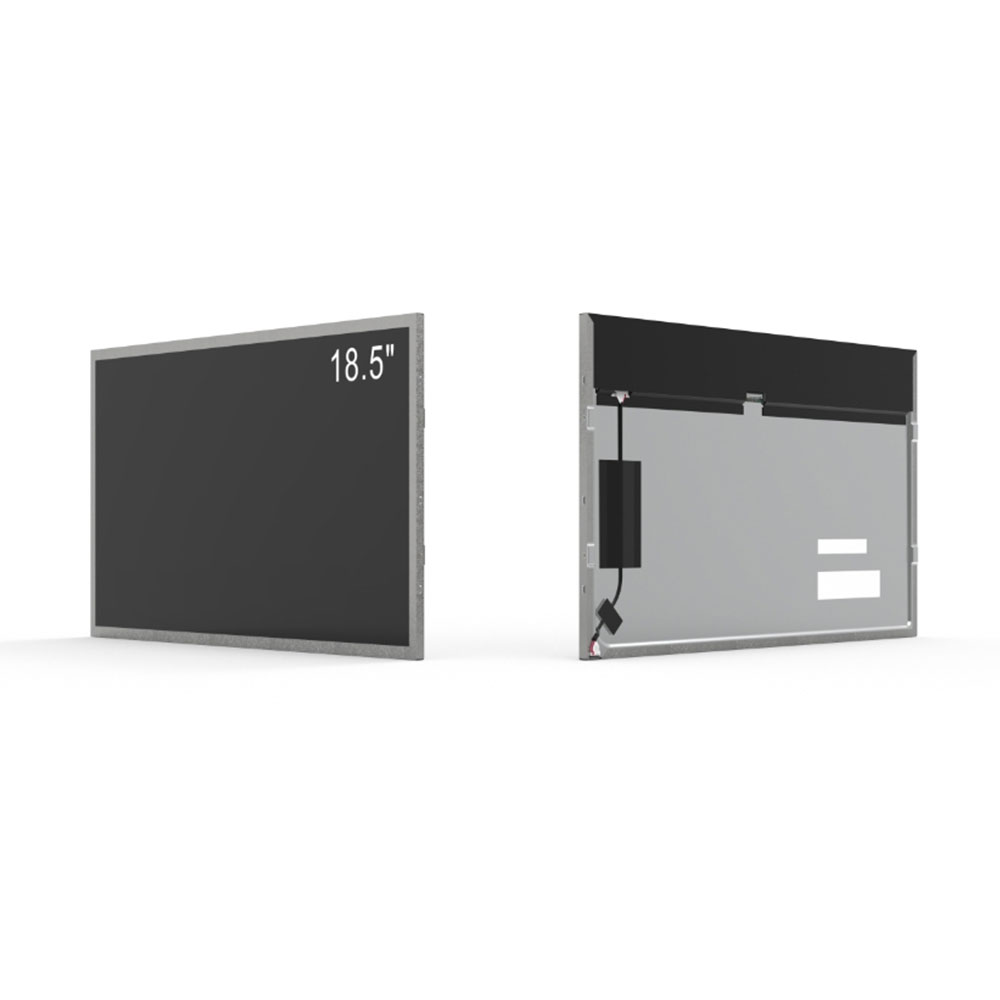
Practical applications continue to expand beyond traditional uses—now including agricultural monitoring systems, solar farm control interfaces, and autonomous vehicle dashboards. In all these contexts, the reliability and precision of sunlight-readable LCDs directly impact safety, efficiency, and user experience. As technology advances, engineers must balance brightness, power efficiency, durability, and cost to meet evolving user needs across industries worldwide.