RisingStar
- Home
- About Us
- Products
- News
- Video
- Contact
- Send Inquiry
Search
- Home
- About Us
- Products
- News
- Video
- Contact
- Send Inquiry
RisingStar
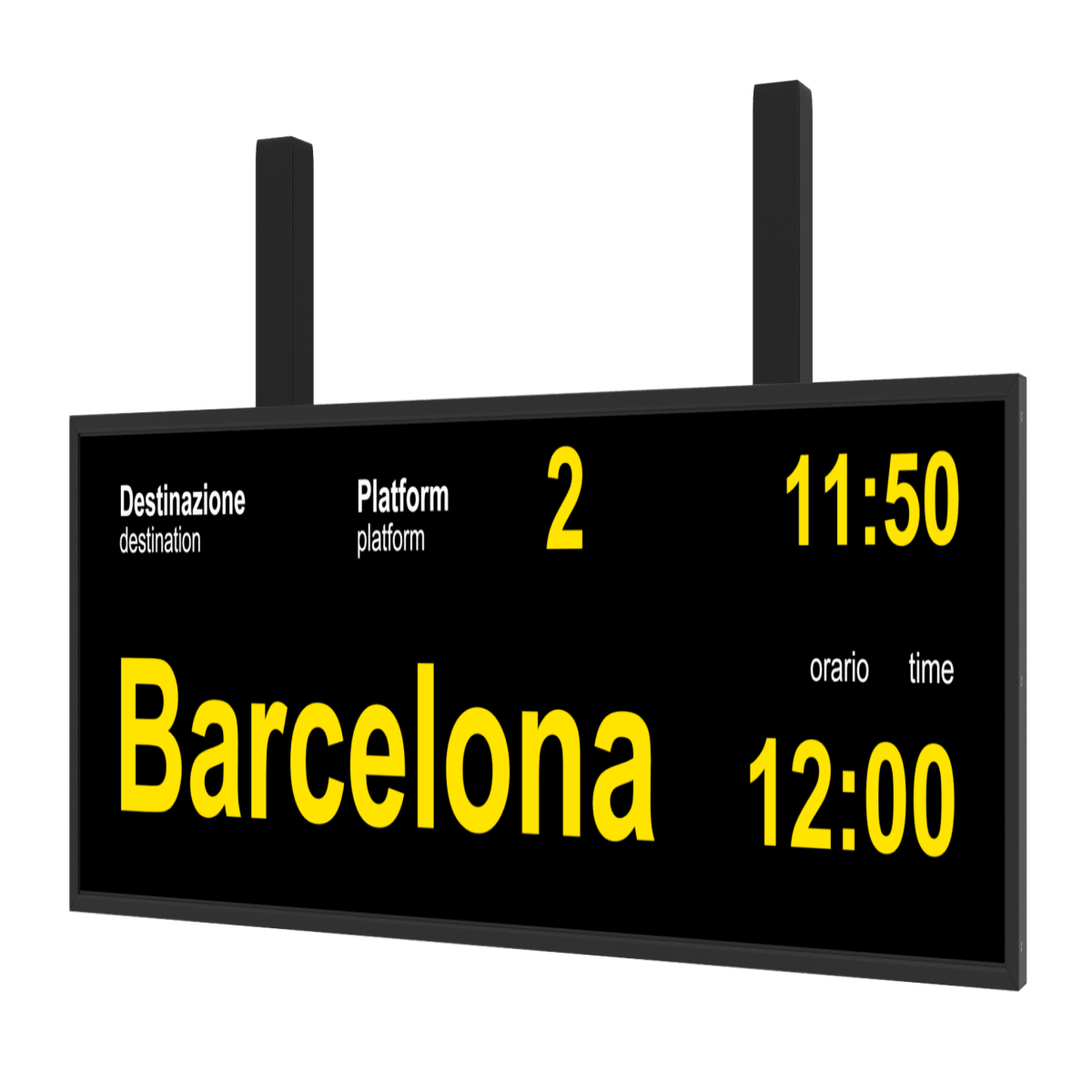
Transit authorities and system integrators face ongoing challenges deploying display solutions that balance harsh environmental resilience, passenger readability, operational efficiency, and long-term reliability. Legacy display systems often suffer from low contrast in direct sunlight, high energy consumption driving utility costs, and excess heat leading to premature component failure – issues that disrupt passenger experience and increase maintenance overhead. This article explores how modern industrial-grade transit displays with high contrast, low energy use, and minimal heat generation address these pain points while adhering to global transit safety and performance standards.
The Non-Negotiable Requirements for Transit Display Success
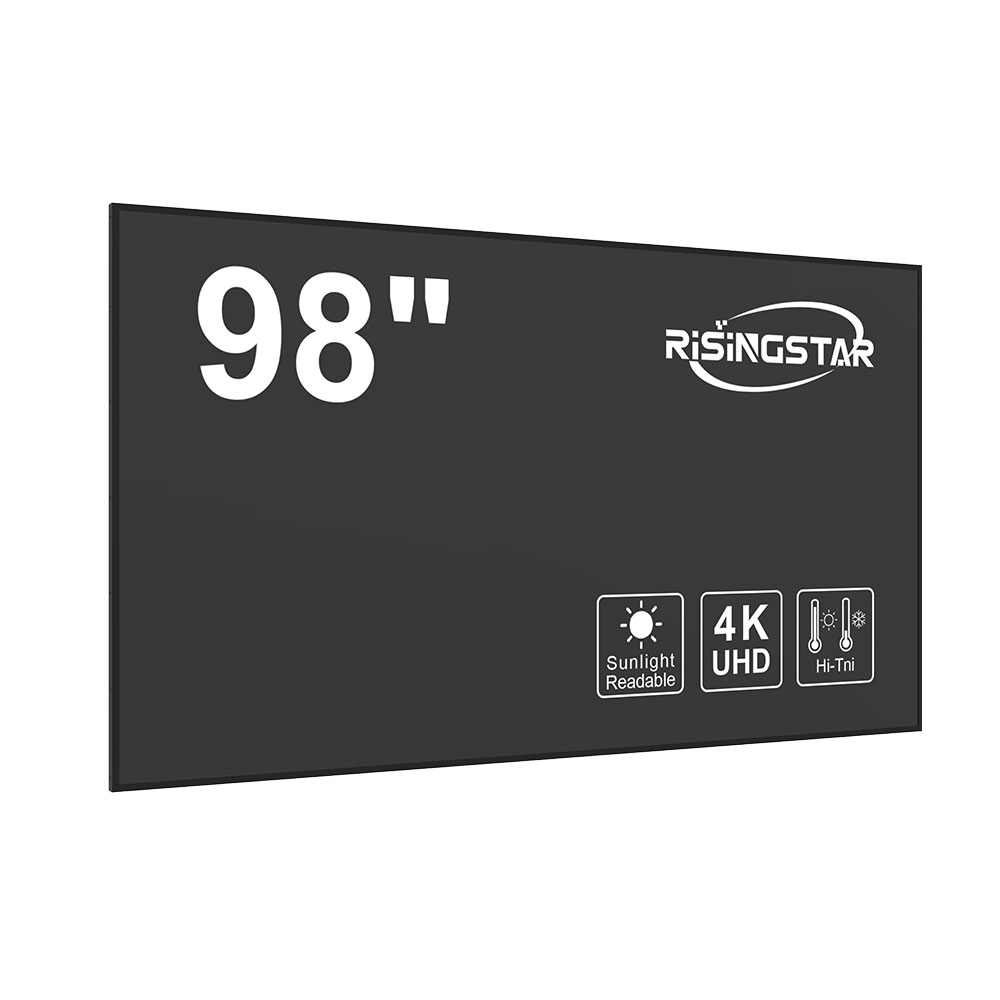
Transit displays are deployed in extreme environments: onboard trains and buses endure constant vibration (per EN 61373 Category 1 for railway equipment), temperature swings from -40°C to +85°C (EN 50155 standard for railway electronic equipment), and potential vandalism (IK10 impact resistance). Station and platform displays face direct sunlight, rain, and dust, requiring IP65 (onboard) or IP67 (platform edge) ingress protection. Beyond these basics, three critical features define modern transit display success: high contrast for unobstructed readability in all lighting, low energy to cut operational costs, and low heat to reduce thermal-related failures. These requirements are not optional – they directly impact passenger safety, operational budgets, and system uptime.
High Contrast Technology: Beyond Basic Brightness
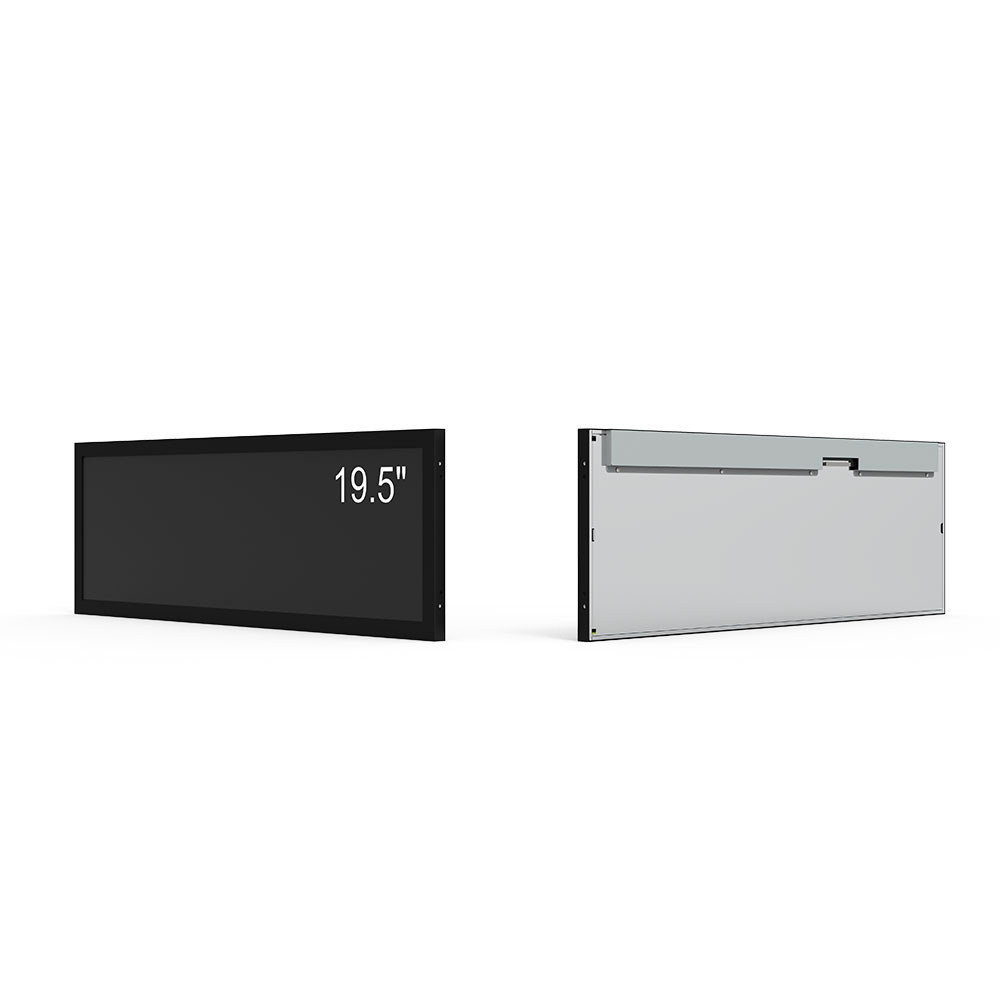
High contrast is the foundation of a usable transit display, as it determines how clearly text and graphics stand out against backgrounds, even in bright sunlight. A display’s contrast ratio is measured as the difference between the brightest white and darkest black it can produce; for transit use, this minimum should be 1200:1, with optical bonding boosting this to 2000:1 or higher. Optical bonding laminates the LCD panel to the outer glass cover with an optically clear adhesive, eliminating air gaps that cause glare and reduce contrast by up to 40%. Stretch bar LCD technology, a key innovation for transit, fits seamlessly into narrow onboard spaces (e.g., bus window stretches) without gaps, maintaining consistent contrast across a 178° viewing angle – ensuring every passenger, regardless of seat position, can read route or timetable info.
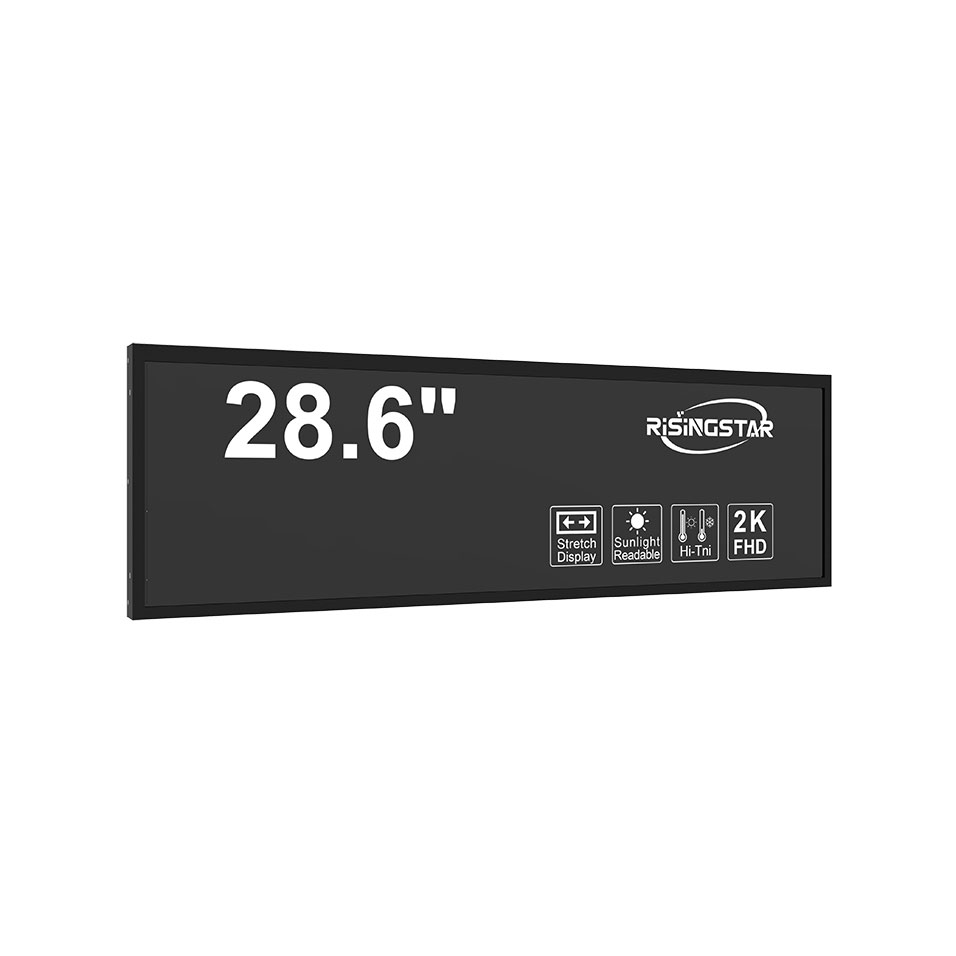
A 2023 case study from Dubai Metro’s Red Line illustrates this impact: the line replaced legacy non-optical bonded displays (800:1 contrast) with optical-bonded stretch bar displays (2200:1 contrast), resulting in a 78% drop in passenger complaints about unreadable screens during midday peak hours. This directly improved passenger satisfaction scores by 12% in the same period.
Low Energy, Low Heat: Industrial-Grade Component Design
Legacy transit displays relied on cold cathode fluorescent lamps (CCFLs) for backlighting, which had a low efficacy of ~80 lumens per watt (lm/W) and generated significant heat. Modern transit displays use high-brightness LED backlights with efficacy up to 160 lm/W, delivering the same or higher brightness with half the power. For example, a standard 21-inch stretch bar display uses ~18W of power, compared to a legacy display’s ~32W – a 44% reduction in energy use, which directly translates to less heat generation.
This lower heat output is critical for adhering to EN 50155’s thermal performance requirements. Testing by the European Union Agency for Railways (ERA) found that these low-energy displays operate 5–10°C cooler than legacy units, even in 85°C ambient environments. A 2022 deployment with London’s Stagecoach bus fleet underscored this value: retrofitting 500 buses with low-energy displays cut annual display energy costs by £120,000, with zero heat-related display failures over two years of operation.
Thermal Management: Passive Design to Minimize Maintenance
Active cooling systems (such as fans) are a common failure point in legacy transit displays – a 2022 UITP (International Association of Public Transport) report found that 15% of display failures are fan-related, requiring frequent maintenance and replacement. Modern industrial displays eliminate this risk with passive thermal management: integrated aluminum heat sinks that rely on natural convection to dissipate heat, with no moving parts. Stretch bar displays’ compact, streamlined form factor optimizes heat dissipation, as validated by German Rail (DB)’s 2020 regional fleet deployment. DB reported that this passive design reduced annual display component replacement rates from 11% to 1.8%, cutting maintenance costs by 82% for onboard displays.
This design also aligns with IEC 60068-2-1 (cold) and IEC 60068-2-2 (dry heat) environmental testing standards, ensuring consistent performance in extreme climates, from the cold of Scandinavia to the heat of the Middle East.
Tailored Solutions for Onboard and Station Applications
Transit displays have distinct use cases, requiring targeted design for onboard vs. station environments. For onboard trains and buses, our /solutions/on-vehicle/ page features stretch bar displays optimized for vibration resistance (EN 61373), IP65 ingress protection, and low energy use, ideal for passenger information systems (PIS) that show next-stop alerts, route updates, and wayfinding info. For station and platform displays, our /solutions/at-station/ page includes high-contrast, low-heat platform displays with IP67 protection for outdoor use, designed to withstand direct sunlight and heavy foot traffic. Our product pages at /products/stretch-bar/ and /products/platform/ offer detailed technical specifications, including contrast ratios, power consumption, and standard compliance, to help operators select the right solution for their needs.
Conclusion
Modern transit operators need display solutions that don’t compromise on readability, durability, or operational efficiency. Industrial-grade high contrast, low energy, low heat displays meet these needs, adhering to global transit standards and delivering proven results across rail, bus, and station deployments. To find the right display solution for your transit network, contact our expert engineering team at /contact/ to discuss your specific requirements for onboard, station, or wayfinding displays.