RisingStar
- Home
- About Us
- Products
- News
- Video
- Contact
- Send Inquiry
Search
- Home
- About Us
- Products
- News
- Video
- Contact
- Send Inquiry
RisingStar
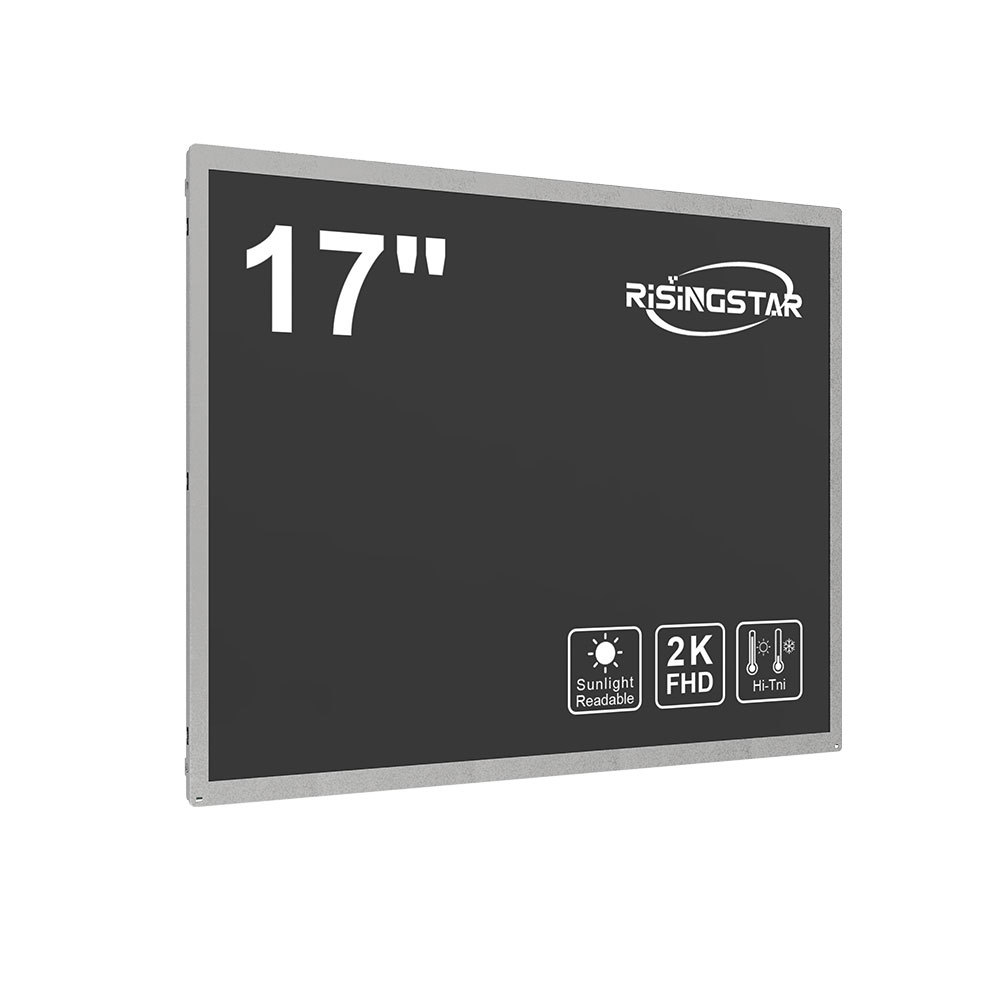
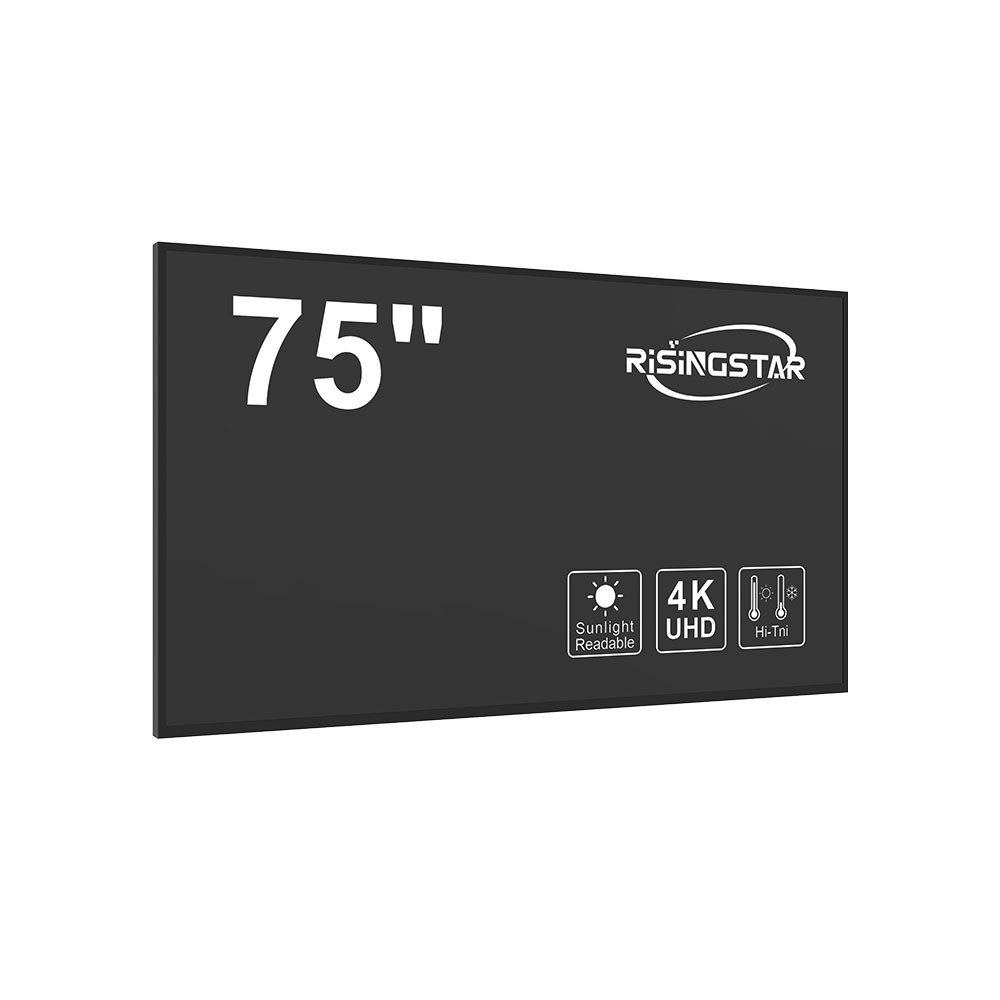
In the rapidly evolving world of display technology, high-brightness sunlight-readable LCD screens have become indispensable in outdoor and harsh environmental applications. These specialized displays are engineered to maintain visibility under direct sunlight, often exceeding 5,000 nits of brightness—far beyond the typical 250–300 nits found in standard indoor LCDs. This capability makes them essential in industries such as military operations, transportation, industrial automation, public information kiosks, and medical devices deployed in uncontrolled environments.
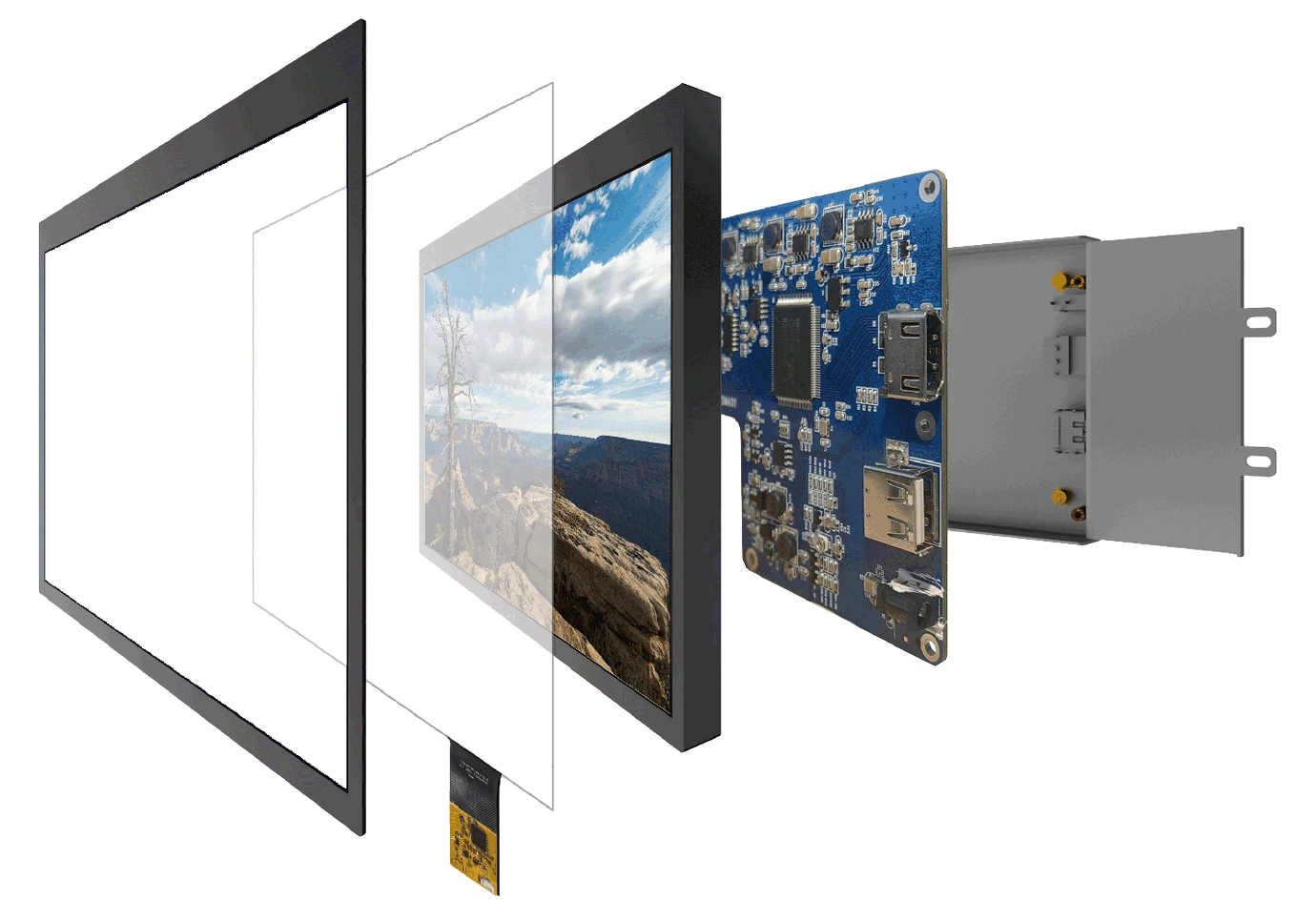
The core challenge in designing sunlight-readable LCDs lies in overcoming ambient light interference. Unlike indoor displays, which can rely on controlled lighting conditions, outdoor screens must compete with natural sunlight that can easily wash out image contrast and reduce legibility. To solve this, manufacturers integrate multiple technologies: high-luminance LED backlights, anti-glare coatings, polarized filters, and advanced optical bonding techniques. For example, some models use full-array local dimming (FALD) to dynamically adjust brightness across different screen regions, improving both energy efficiency and visual clarity under varying sunlight intensities.
A notable case study involves the deployment of high-brightness LCDs in U.S. Department of Defense field communication units. In desert environments where solar irradiance exceeds 1,000 W/m², standard displays became unusable due to glare and low contrast. By switching to a 7,000-nit sunlight-readable display with an integrated anti-reflective layer and ruggedized housing (IP65 rating), mission-critical data remained readable even at midday sun. This transition improved operational safety and reduced pilot fatigue—a critical factor in tactical scenarios.
Another key advancement is the integration of ambient light sensors and adaptive brightness control. These systems automatically adjust screen luminance based on real-time environmental conditions, preserving battery life in portable devices while ensuring optimal readability. For instance, in automotive infotainment systems, such adaptive features allow drivers to view maps or navigation prompts clearly without being blinded by sudden changes in sunlight intensity when entering tunnels or shaded areas.
From an engineering standpoint, materials matter significantly. High-brightness LCDs often utilize Corning Gorilla Glass or similar scratch-resistant substrates to protect against physical damage in industrial settings. Additionally, they employ wide viewing angles (up to 178°) and high color accuracy (often covering 95% NTSC gamut), making them suitable not only for functional interfaces but also for multimedia content in outdoor advertising systems like digital billboards.
Industry standards such as MIL-STD-810G (for environmental durability) and IEC 60068 (for mechanical and thermal stress resistance) guide design specifications. Compliance ensures that these displays survive extreme temperatures (-30°C to +70°C), humidity, vibration, and shock—conditions commonly encountered in marine, aerospace, and construction sectors.
Manufacturers like LG Display, AU Optronics, and Innolux lead the market with proprietary technologies such as “Sunlight Readable” and “Smart Brightness Control.” These innovations combine hardware optimization with intelligent software algorithms to deliver consistent performance across diverse global climates—from the arid plains of Arizona to the humid tropics of Southeast Asia.
As demand grows for IoT-enabled outdoor devices and smart infrastructure, the future of high-brightness LCDs will focus on energy efficiency, higher resolution (4K support increasingly common), and integration with AI-driven display management systems. With ongoing R&D into micro-LED and quantum dot backlighting, next-generation panels may surpass current limitations in brightness uniformity and power consumption.
In conclusion, high-brightness sunlight-readable LCDs represent a convergence of optical engineering, material science, and real-world usability testing. Their successful implementation across critical sectors underscores their role as foundational components in modern outdoor digital ecosystems. Whether in defense, transport, or public utilities, these screens ensure reliable, safe, and efficient human-machine interaction regardless of environmental challenges.