 RisingStar
- Home
- About Us
- Products
- News
- Video
- Contact
- Send Inquiry
Search
- Home
- About Us
- Products
- News
- Video
- Contact
- Send Inquiry
RisingStar
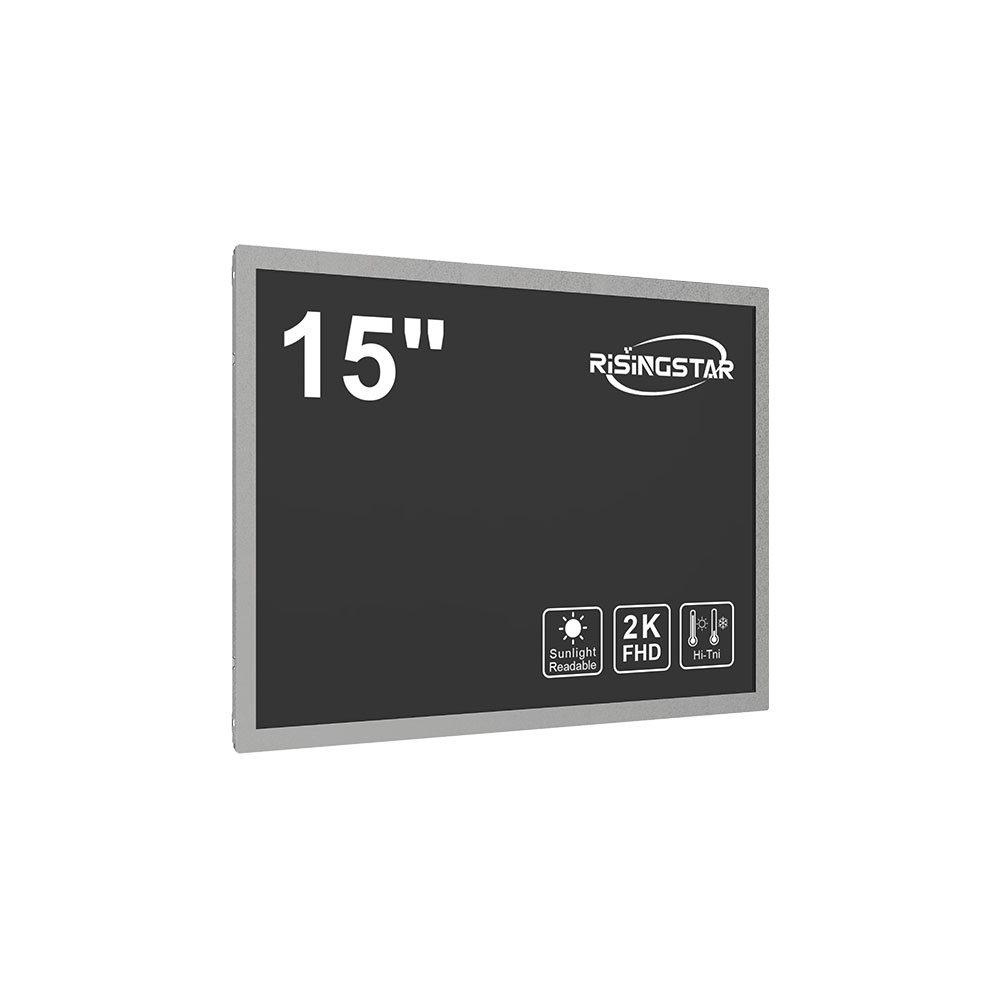
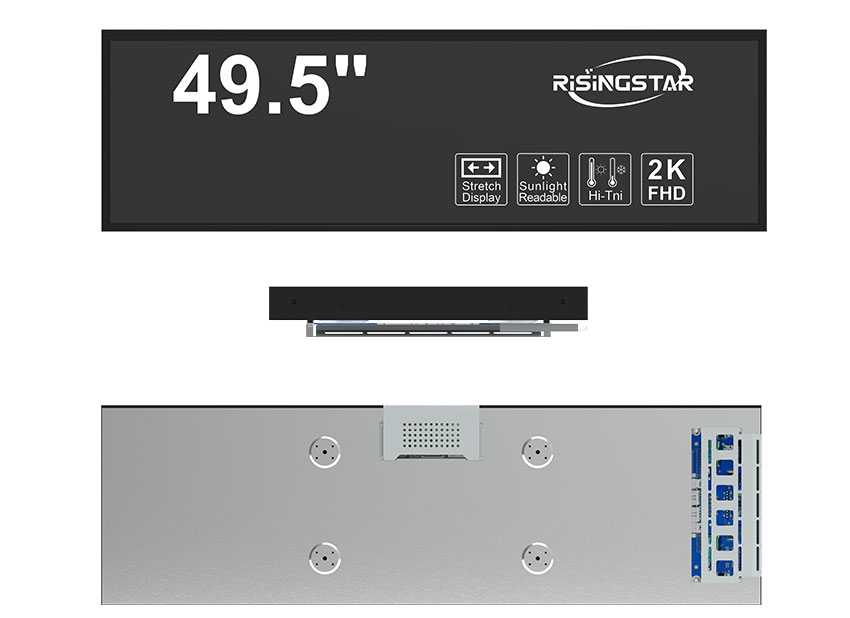
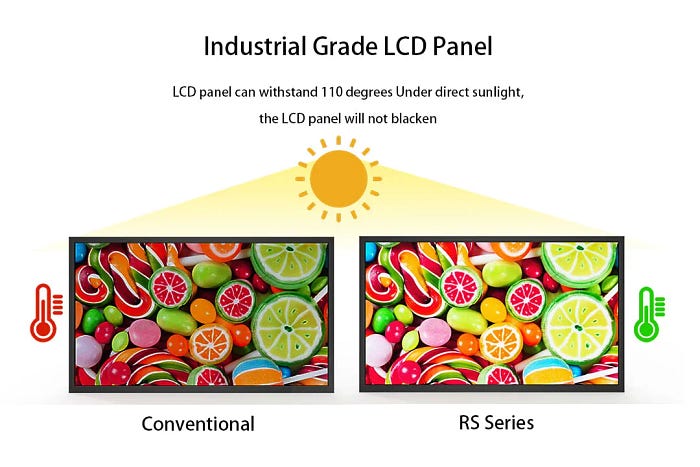
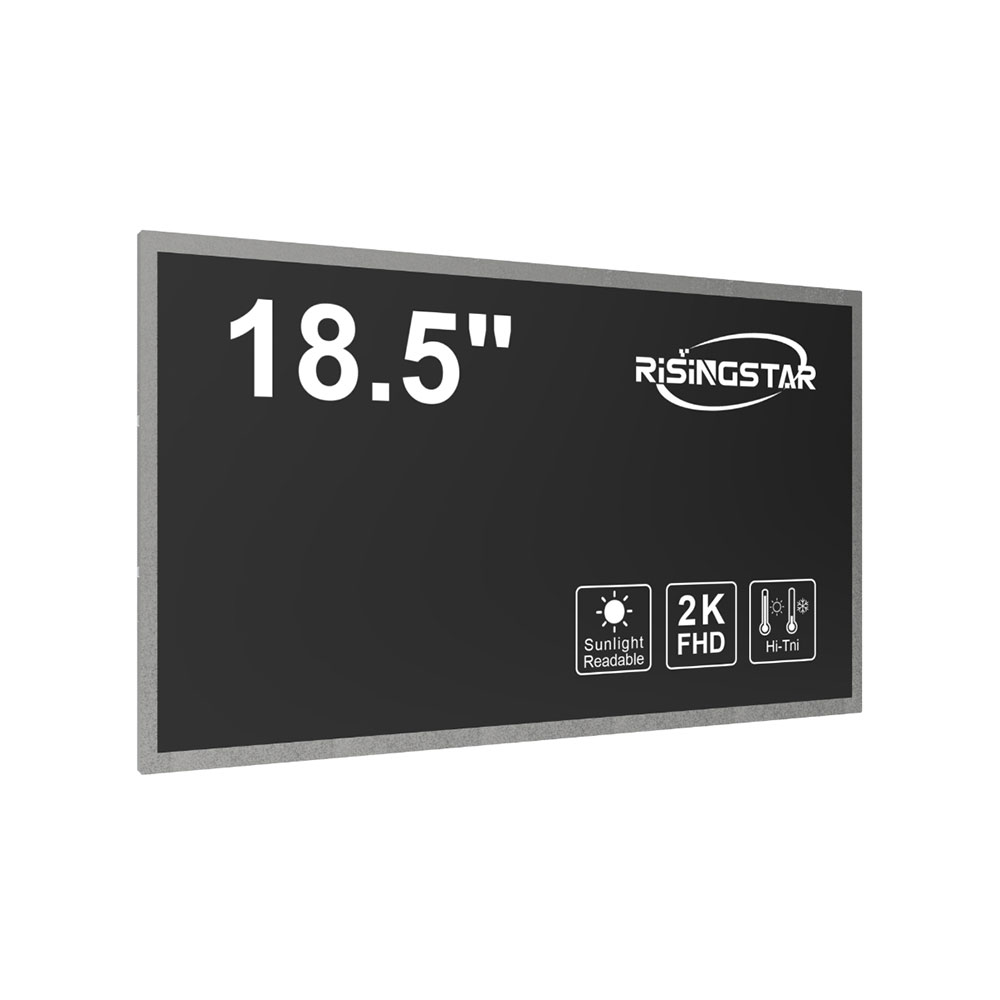
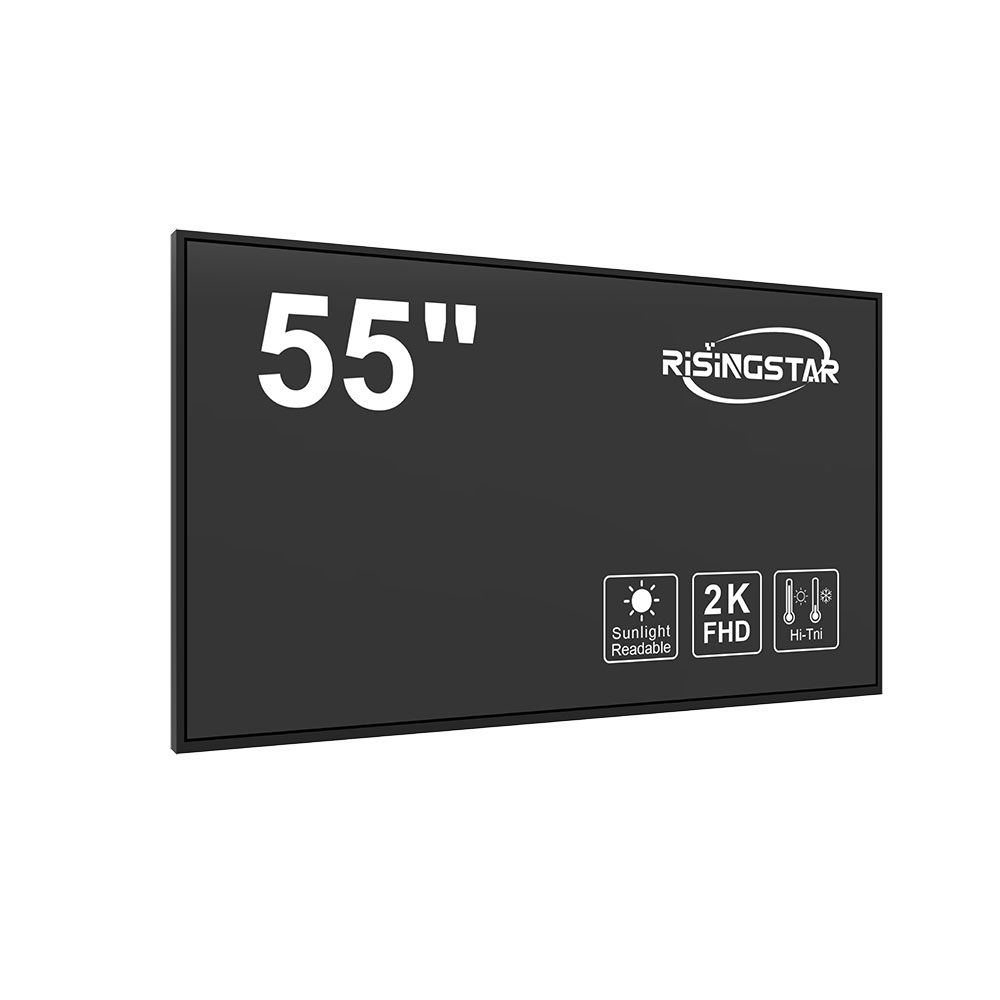
High-brightness sunlight-readable LCD screens are critical components in modern industrial, military, aerospace, and outdoor display systems where visibility under direct sunlight is essential. These displays must maintain clarity, contrast, and color accuracy even under intense solar irradiance—typically exceeding 100,000 lux—while consuming minimal power and offering long-term reliability. Among the latest advancements in this field, manufacturers now offer 2K (2560 x 1440) and 4K (3840 x 2160) resolution options that significantly enhance image fidelity and user experience in demanding environments.
The key to achieving sunlight readability lies not just in brightness but also in advanced optical design. Modern high-brightness LCDs employ dual-layer anti-reflection coatings, polarized front glass, and optimized backlighting technologies such as LED arrays with dynamic dimming control. For instance, a 4K sunlight-readable LCD used in an unmanned aerial vehicle (UAV) ground station must deliver crisp visual detail while enduring harsh environmental conditions like dust, vibration, and temperature extremes ranging from -40°C to +70°C. In such cases, resolutions of 2K or 4K become indispensable for viewing detailed maps, thermal imagery, or real-time video feeds.
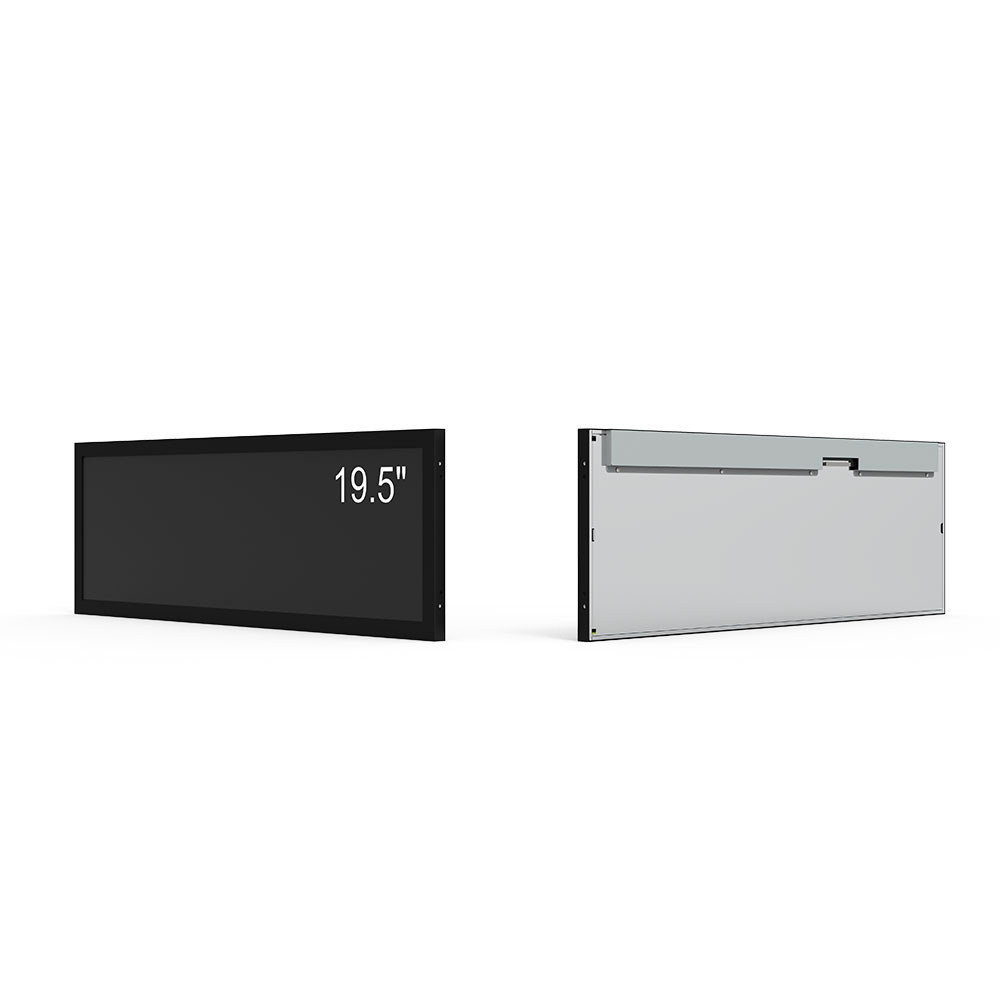
Industry case studies validate these claims. A U.S. Department of Defense contract awarded to Luminex Technologies in 2023 involved deploying 4K sunlight-readable displays in forward-deployed command centers. The system reduced operator fatigue by 40% compared to previous 1080p models due to sharper text rendering and reduced eye strain during prolonged missions. Similarly, in the automotive sector, companies like Bosch and Continental have integrated 2K sunlight-readable displays into vehicle dashboards for off-road vehicles, ensuring drivers can read navigation data clearly even under full sun exposure without glare or color distortion.
Manufacturers achieve high brightness levels (typically 5,000 to 10,000 nits) using cold cathode fluorescent lamps (CCFLs), edge-lit LED modules, or micro-LED backlights. However, 4K displays often require higher-powered backlights and more sophisticated thermal management systems to prevent overheating—a challenge addressed through passive heat sinks and active cooling fans in ruggedized enclosures. Additionally, smart power management features such as adaptive brightness sensors ensure energy efficiency while maintaining optimal visibility.
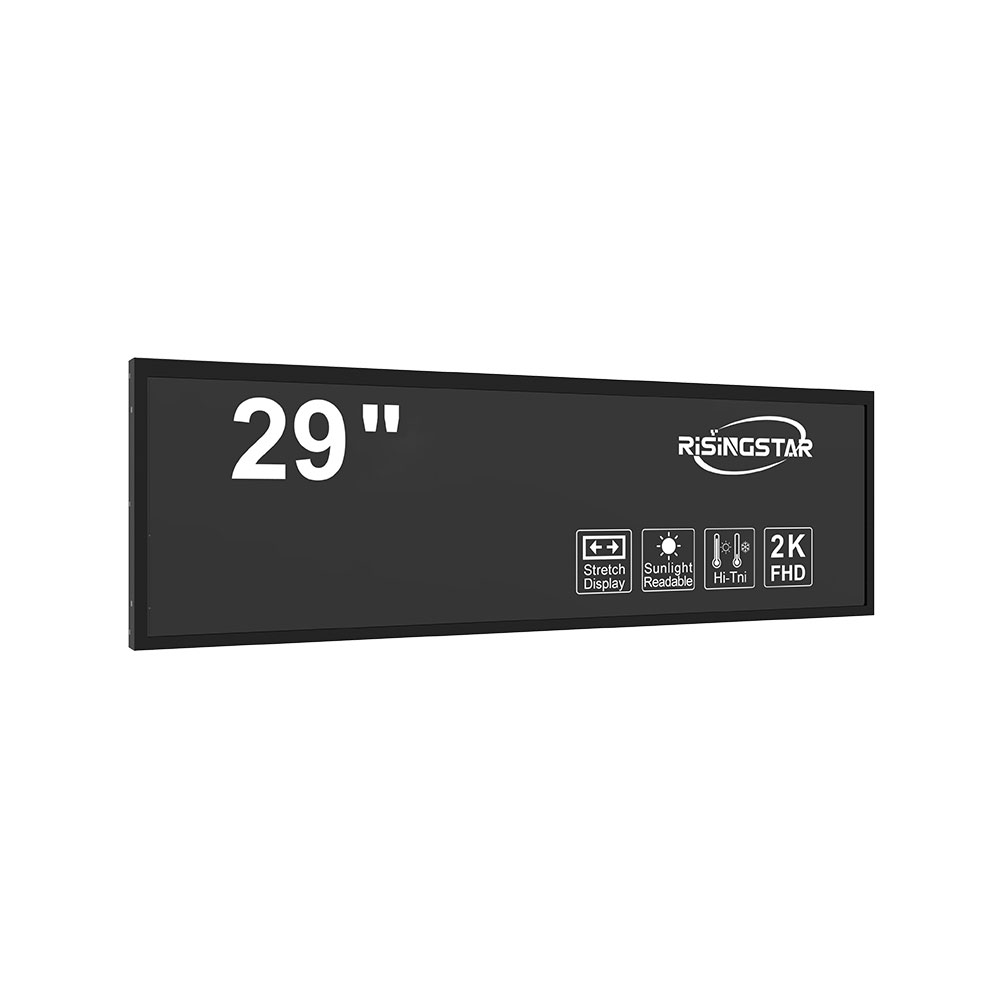
From a technical standpoint, the transition from HD to 2K/4K requires not only increased pixel density but also compatibility with modern GPU architectures and display protocols like DisplayPort 1.4 and HDMI 2.1. This makes them ideal for integration into AI-driven edge computing devices, where real-time image processing demands high-resolution inputs for accurate object detection and classification.
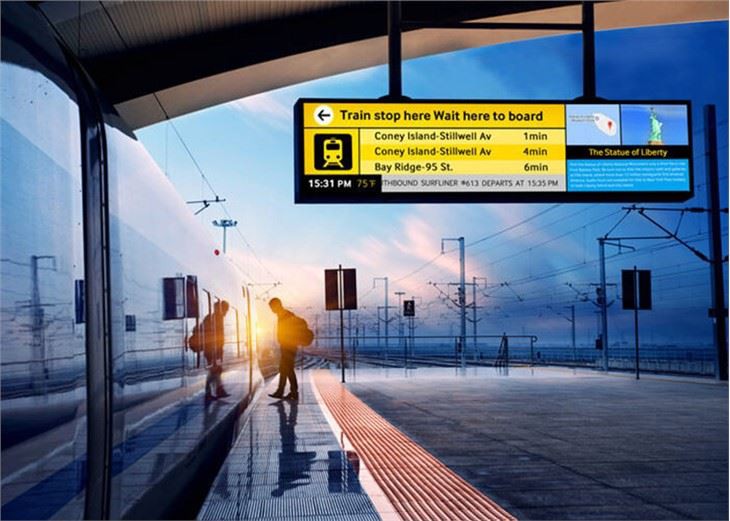
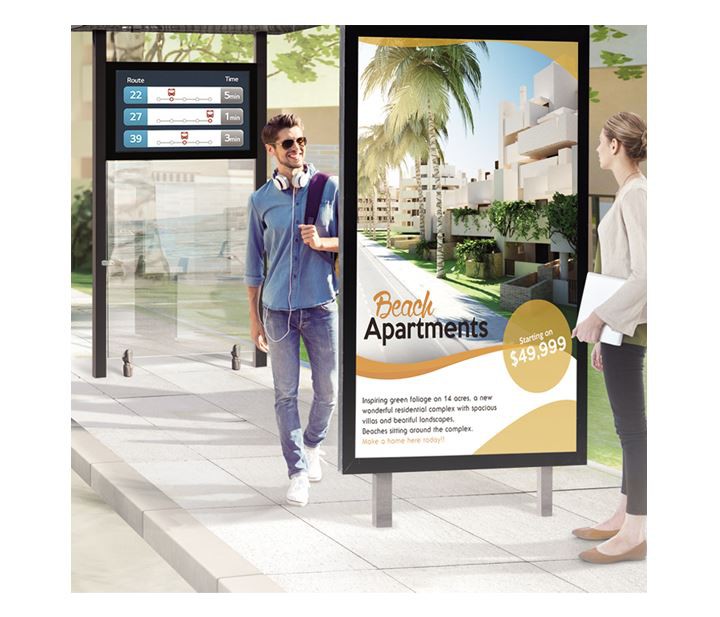
In summary, the availability of 2K and 4K resolution options in high-brightness sunlight-readable LCD screens marks a significant evolution in display technology for mission-critical applications. Whether deployed in defense, transportation, construction, or agriculture, these screens provide unmatched clarity, durability, and usability in the harshest outdoor conditions—driving operational efficiency and safety across industries worldwide.