RisingStar
- Home
- About Us
- Products
- News
- Video
- Contact
- Send Inquiry
Search
- Home
- About Us
- Products
- News
- Video
- Contact
- Send Inquiry
RisingStar
High-brightness sunlight-readable LCD screens are critical components in modern outdoor electronics, especially in military, industrial, transportation, and public information systems. These displays must maintain visibility under direct sunlight, which can exceed 100,000 lux—far brighter than indoor lighting (~300–500 lux). Standard LCDs fail in such conditions due to low peak brightness (typically 250–400 nits), leading to unreadable interfaces and operational inefficiencies.
To address this challenge, manufacturers use specialized technologies such as high-efficiency LED backlighting, anti-glare coatings, and advanced optical films. For instance, the U.S. Department of Defense specifies MIL-STD-810G for ruggedized displays used in combat vehicles and field operations, where brightness levels often exceed 5,000 nits. Similarly, ISO 16750 and IEC 60068 standards ensure reliability under extreme temperature, humidity, and vibration conditions common in outdoor deployments.
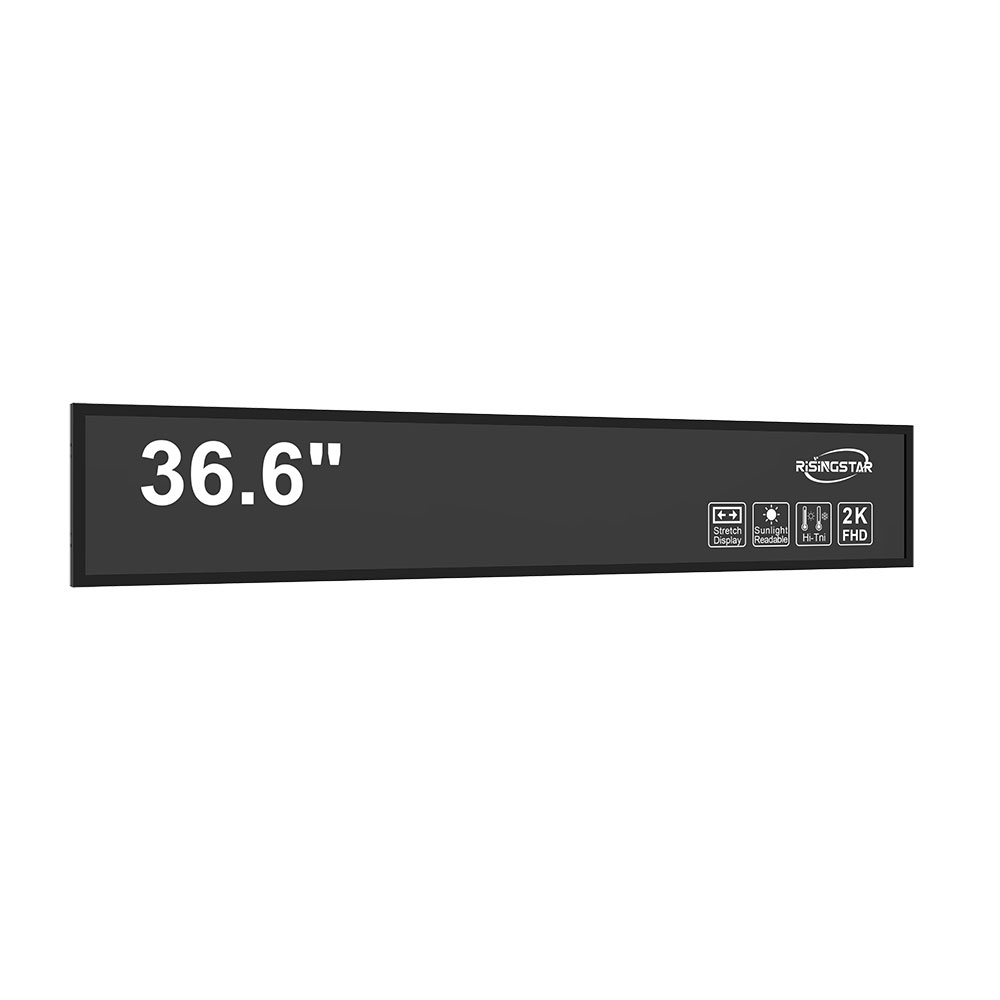
One key innovation is the use of transflective liquid crystal technology, which combines reflective and transmissive modes. In bright sunlight, the display uses ambient light like a traditional reflective screen (e.g., e-paper), while in low-light environments, it switches to full backlighting. This hybrid approach reduces power consumption by up to 40% compared to conventional backlit displays, making it ideal for battery-powered devices such as handheld field computers or mobile command units.
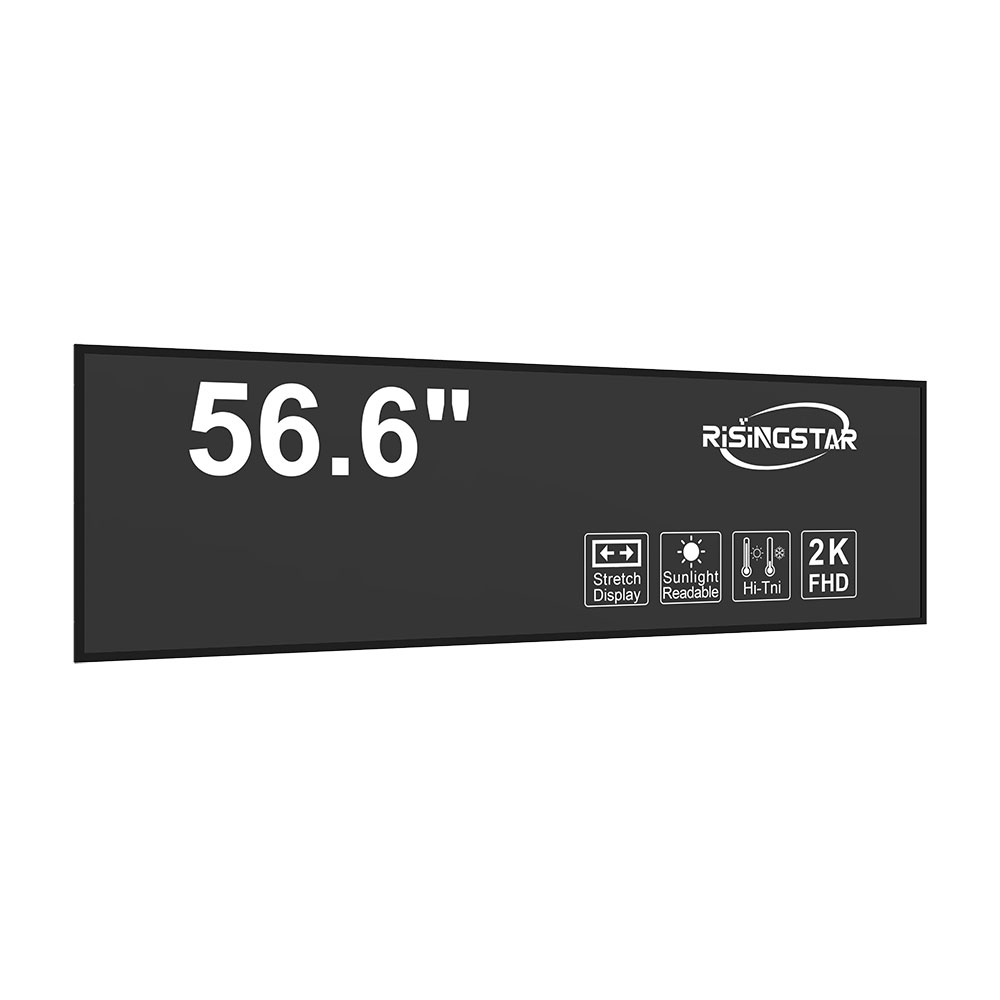
Case studies highlight real-world applications. In 2022, a logistics company in Dubai deployed high-brightness LCDs (rated at 7,000 nits) on delivery trucks operating in desert climates. The result was a 98% reduction in driver-reported visibility issues during midday sun exposure, improving both safety and operational efficiency. Another example comes from Tokyo’s metro system, where digital signage with 5,000-nit displays has improved passenger information clarity during morning rush hours when sunlight enters subway stations through glass walls.
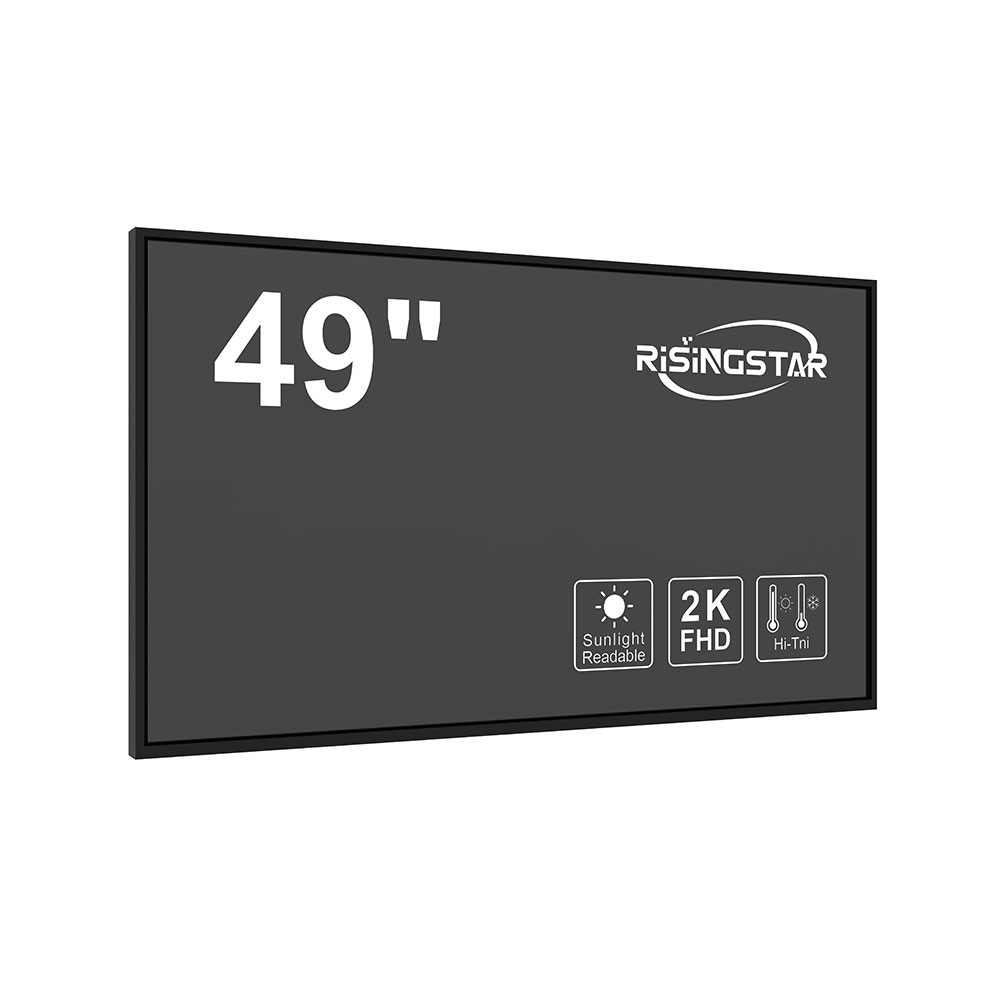
Manufacturers like Sharp, LG Display, and AU Optronics have developed proprietary methods to enhance contrast ratios and reduce color shift under sunlight. For example, Sharp’s “Sunlight Readable” panels use multi-layered polarizers and diffusers that minimize glare while maintaining accurate color reproduction. Meanwhile, OLED-based sunlight-readable solutions are emerging, though their adoption remains limited due to cost and burn-in concerns.
For developers and integrators, selecting the right screen involves evaluating not just brightness but also viewing angle, response time, and environmental resistance. A 2023 study by the Society for Information Display (SID) found that optimal outdoor performance requires a minimum of 3,000 nits for general use and 5,000+ nits for harsh environments. Additionally, IP65 or higher ingress protection ensures dust and water resistance—a necessity in maritime or agricultural settings.
In conclusion, high-brightness sunlight-readable LCDs are no longer optional in outdoor electronics—they are essential. As global demand grows for resilient, energy-efficient, and user-friendly interfaces in extreme conditions, continued innovation in materials science, optics, and manufacturing will drive further improvements. Whether for defense, transportation, or smart city infrastructure, these displays are enabling safer, more responsive, and more reliable human-machine interactions in daylight-intensive environments.