RisingStar
- Home
- About Us
- Products
- News
- Video
- Contact
- Send Inquiry
Search
- Home
- About Us
- Products
- News
- Video
- Contact
- Send Inquiry
RisingStar
High-brightness sunlight-readable LCD screens are essential in modern outdoor applications where visibility under direct sunlight is critical. These displays are engineered to maintain clarity, contrast, and color accuracy even in harsh environmental conditions such as bright daylight, low temperatures, or high humidity. According to the International Electrotechnical Commission (IEC) standards, a display must achieve at least 5,000 nits of brightness to be classified as "sunlight-readable," though military and industrial-grade devices often exceed 10,000 nits.
The technology behind these screens relies on several key innovations. First, high-luminance LED backlighting is used instead of traditional CCFLs—this provides more efficient and brighter illumination while consuming less power. Second, anti-reflective coatings and polarized filters minimize glare, ensuring that users can read information without squinting. Third, advanced image processing algorithms dynamically adjust contrast and gamma settings based on ambient light sensors, improving readability in real time.
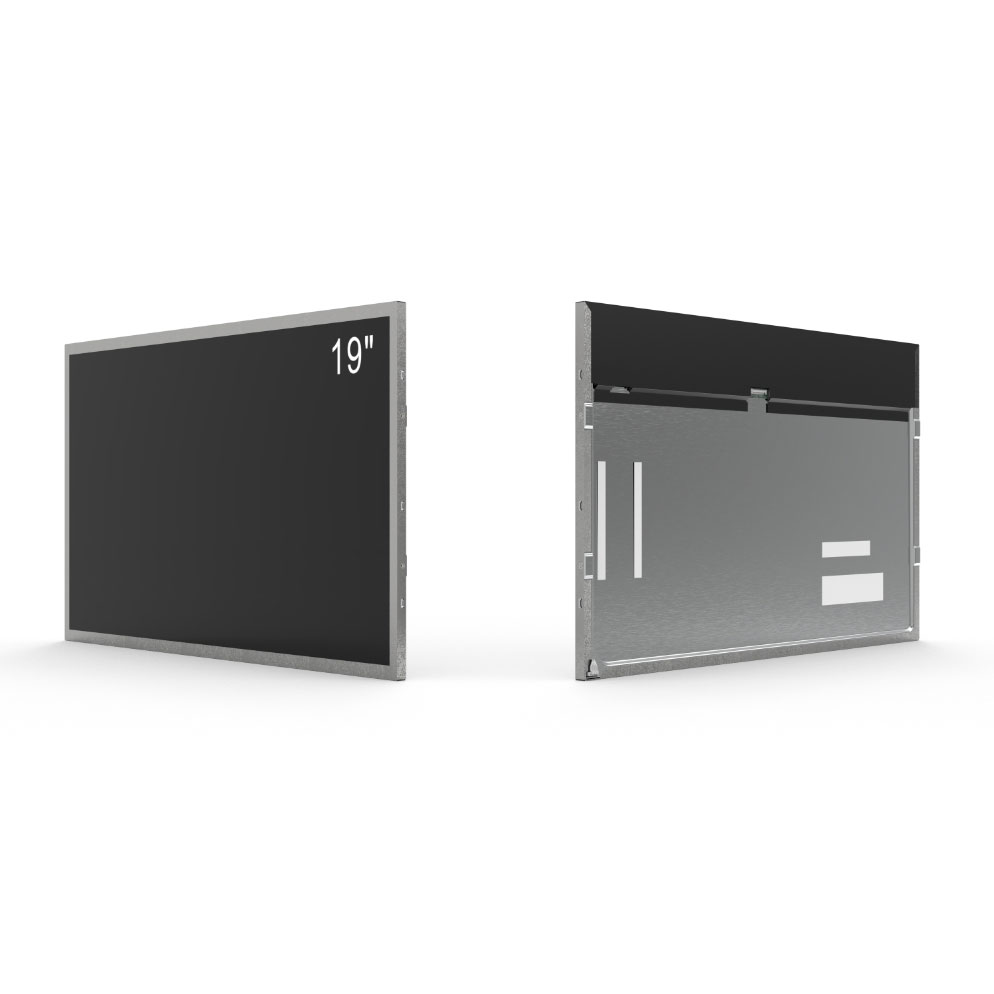
Case studies from the defense and transportation sectors confirm the effectiveness of these technologies. For example, the U.S. Department of Defense has adopted high-brightness LCDs in vehicle-mounted command systems due to their performance in extreme environments—from desert heat to arctic cold. Similarly, aviation manufacturers like Airbus and Boeing use sunlight-readable displays in flight decks because they meet DO-160G standards for airborne electronic equipment, which mandate robustness against vibration, temperature extremes, and solar radiation.
In consumer electronics, companies like Apple and Samsung have integrated similar technologies into rugged smartphones and smartwatches designed for outdoor activities. The iPad Pro, for instance, features a 2,000-nit peak brightness panel—a level insufficient for full sunlight readability but sufficient for most daylight use cases. However, specialized models like the Garmin Fenix series or CAT S62 Pro offer 5,000+ nits for true outdoor usability.
Manufacturers also leverage new materials such as OLED microdisplays and quantum dot enhancements to boost luminance and energy efficiency. OLEDs provide deeper blacks and higher contrast ratios, while quantum dots improve color gamut and brightness output per watt. These innovations allow for thinner, lighter, and more durable displays that still meet stringent outdoor performance requirements.
For industries like construction, agriculture, and logistics, high-brightness sunlight-readable LCDs are no longer optional—they are mission-critical. A study by MarketsandMarkets estimates that the global market for outdoor-display solutions will surpass $7 billion by 2028, driven by demand in IoT-enabled devices, autonomous vehicles, and smart infrastructure.
To ensure long-term reliability, manufacturers conduct rigorous testing—including salt spray, dust ingress, and thermal cycling tests per IP65/IP67 standards—to verify durability. This comprehensive approach ensures that these screens perform reliably across diverse climates and usage scenarios.